Ochiroo
- BSc Erneuerbare Energien
- Wien, Österreich
- Incoming Mobility
- Mongolian University of Science and Technology
- Wintersemester 2025/2026
Our Erasmus+ Year in Vienna as a Student Family
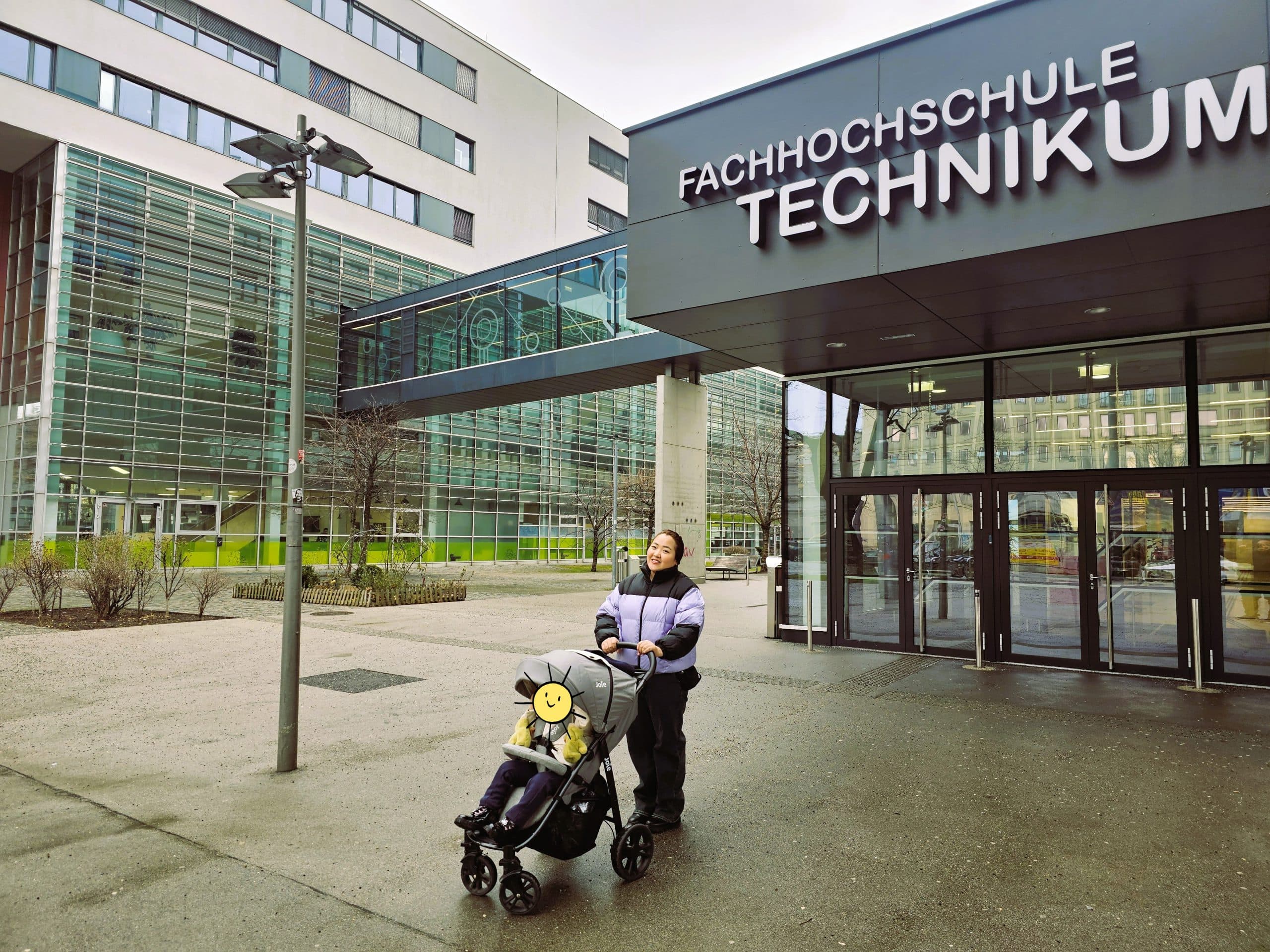
In the academic year 2025, myself (Ochiroo) and Zolzaya, my wife, spent two semesters at FH Technikum Wien as Erasmus+ students. What made our mobility distinctive was that we experienced it not only as engineering students, but as a young family. Both of us study HVAC Engineering with a focus on Renewable Energy, attended some of the same courses, and lived in Vienna together with our three-and-a-half-year-old daughter. Studying abroad as both students and parents gave our Erasmus+ year a dimension that extended far beyond academics.
Academic Environment and Learning Approach
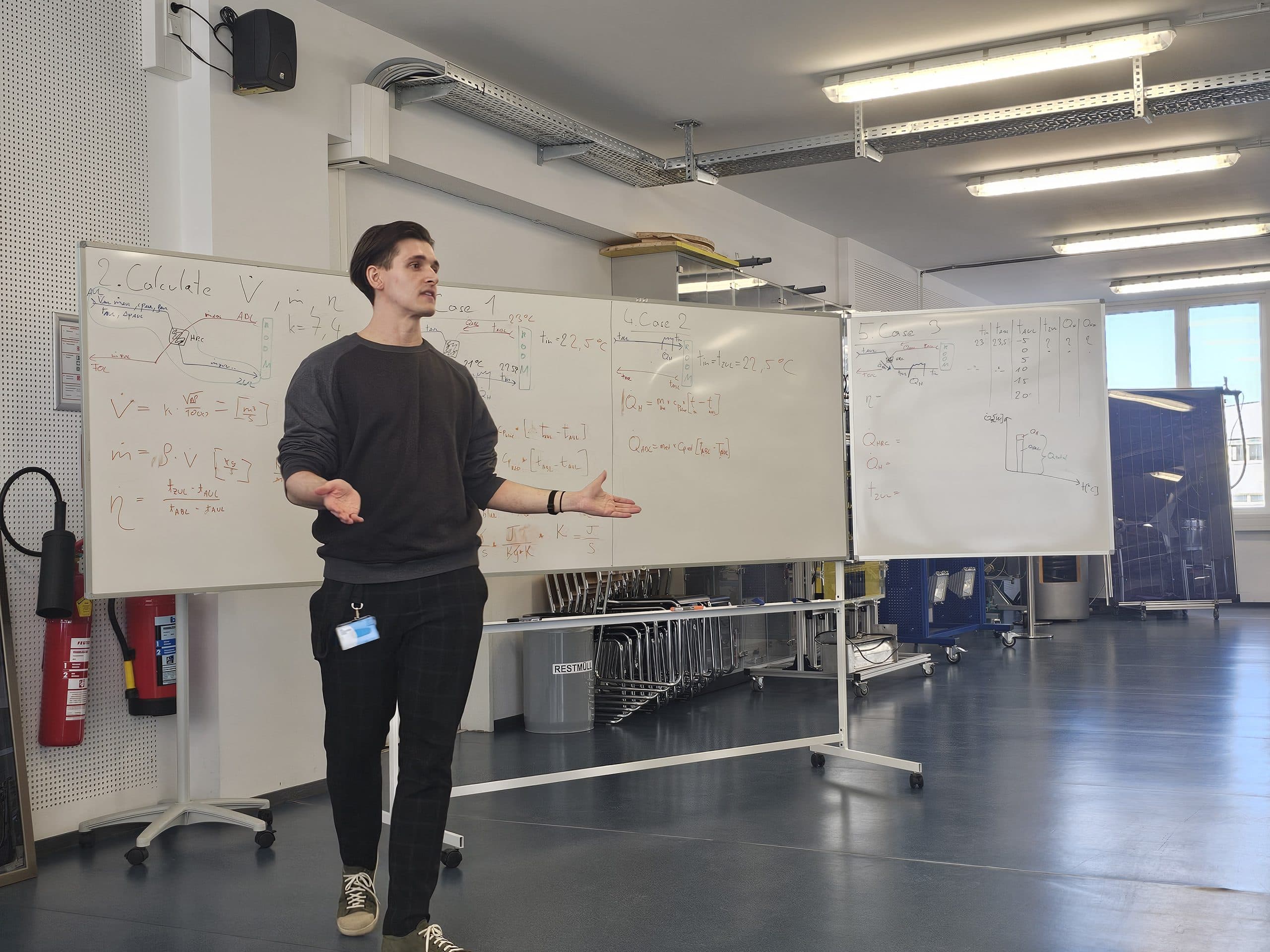
One of the most striking differences between our studies in Mongolia and at FH Technikum Wien was the teaching methodology. While our home university places strong emphasis on theoretical foundations, FH Technikum Wien prioritizes applied hands-on learning.
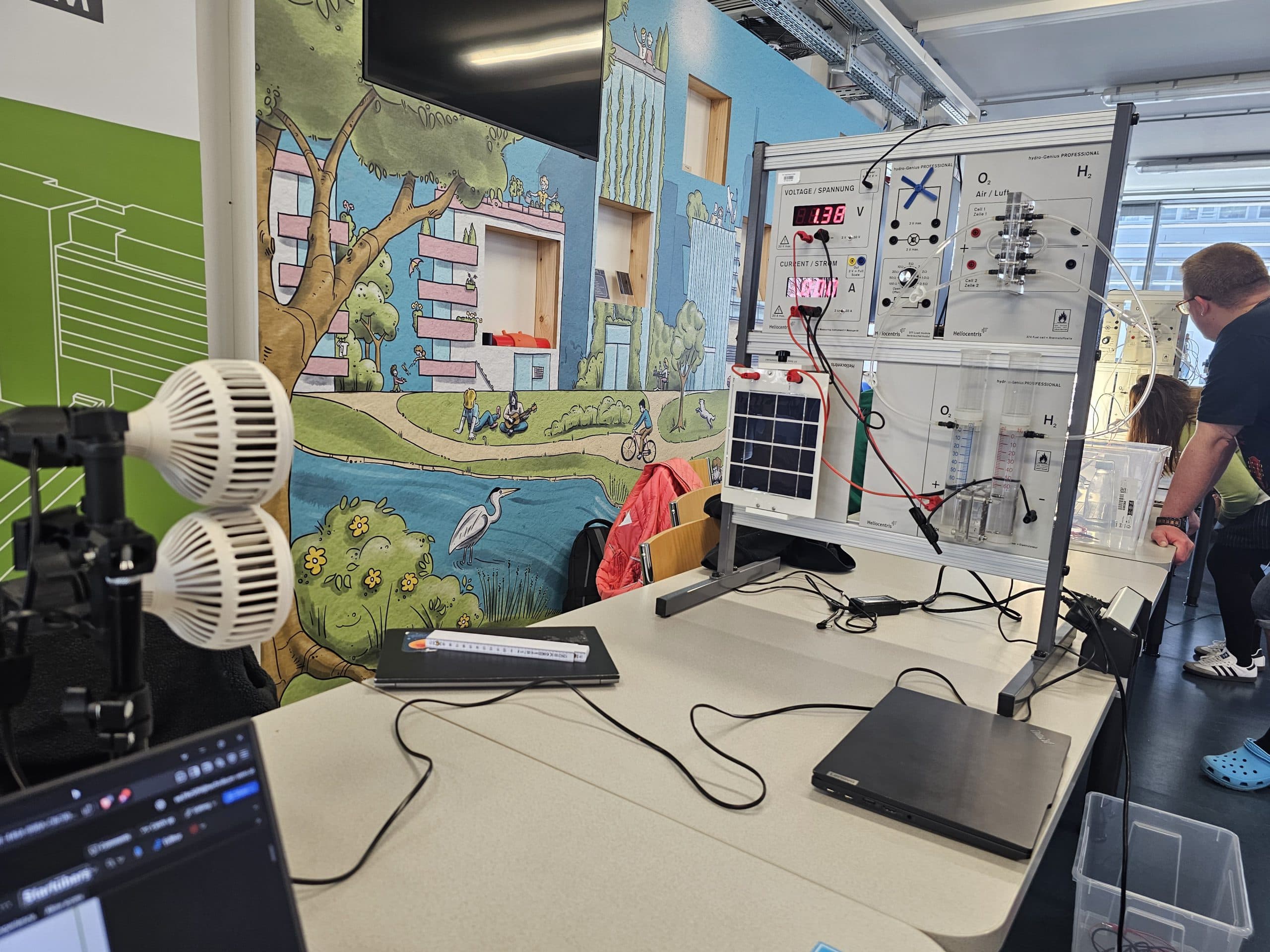
From the outset, students are actively involved in projects, laboratory work, and collaborative problem-solving. Courses such as Building and Solar Energy, Renewable Energy Laboratory, and Building Climate Engineering required immediate engagement with real engineering challenges. Instead of focusing primarily on lectures, we were expected to analyze systems, test solutions, and develop practical improvements.
Presentations were an essential component of nearly every subject. This strengthened our ability to communicate technical concepts clearly and defend engineering decisions in structured discussions.
The examination system was transparent and rigorous. Written exams were standard. If a student did not pass, a second written attempt was possible. A third and final attempt would be conducted orally before an examination board. This structure ensured both academic accountability and fair opportunity.
The workload varied by course but remained manageable. The combination of theoretical instruction, laboratory practice, and project-based work created a dynamic and well-balanced academic rhythm.
Family Life and Kindergarten Integration
Completing our Erasmus+ year as a family shaped our daily life in Vienna significantly. Our daughter, three and a half years old at the time, attended a public MA10 kindergarten in Brigittenau, located just behind our apartment on Pappenheimgasse. The three-minute walk provided structure and stability in our routine.
When she began kindergarten, she had no prior knowledge of German. Her adaptation required patience and consistency. At first, she primarily observed and listened. Gradually, she began using basic expressions to communicate essential needs. Over time, her confidence increased steadily. By the end of the year, her amazing teachers praised her strong language progress and her ability to communicate fluently in German. Seeing her develop in a completely new environment was one of our proudest moments. Every German song and culture-related project she participated in became a moment of pride and quiet admiration for us as parents.
We lived in a converted historical industrial building — originally a Second World War-era medal factory — later transformed into a residential complex. The neighborhood offered a family-friendly atmosphere while remaining well connected to the university.
Adjusting to life abroad as a family of three presented challenges. Much of our routine revolved around home, kindergarten, and university. Balancing academic responsibilities with family well-being required careful planning and mutual support.
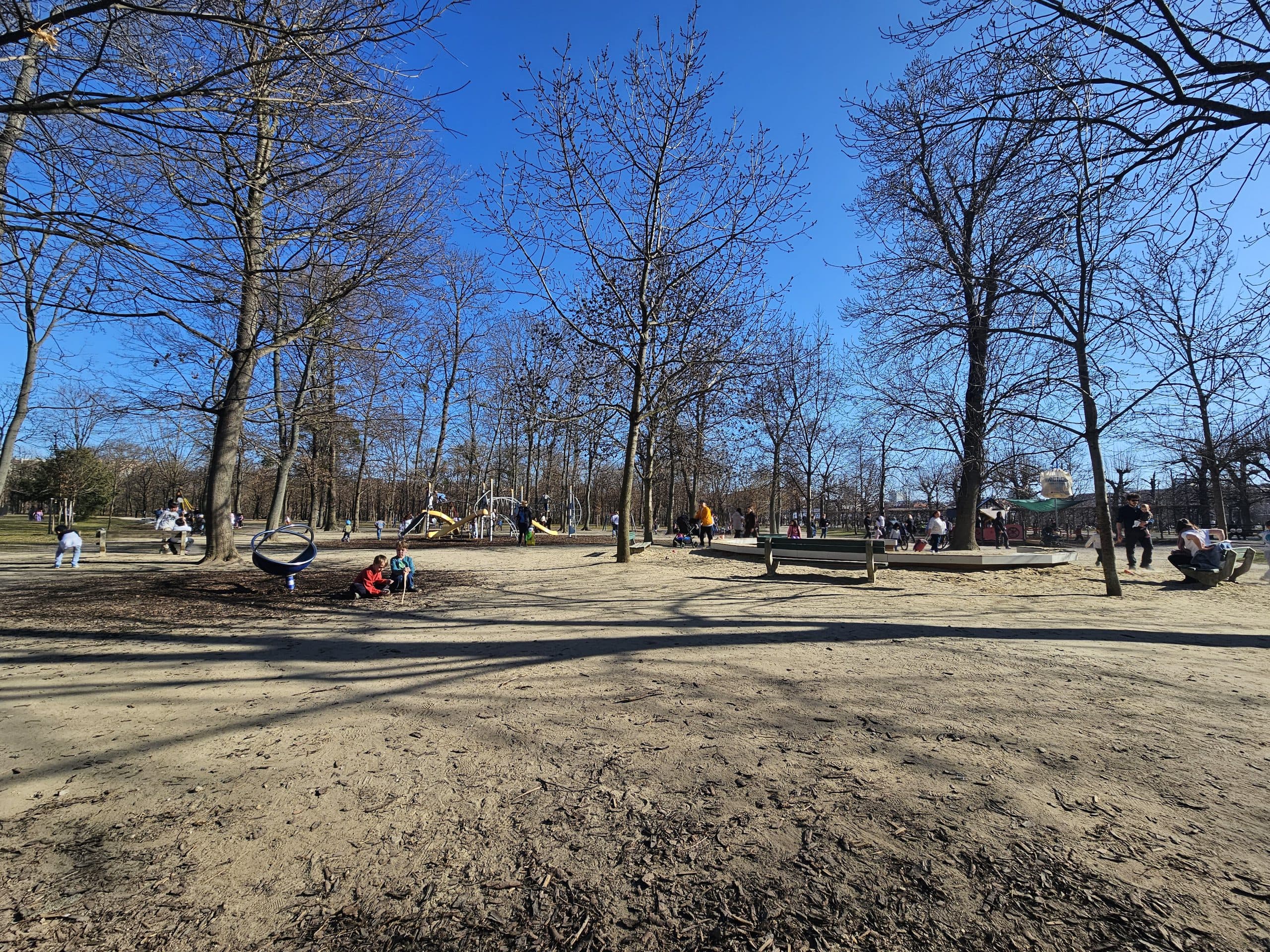
We chose to embrace the opportunity by exploring Europe together. During our stay, we traveled to nine European Union countries as a family. These shared journeys strengthened our bond and created memories that will remain with us permanently.
One especially meaningful moment was hosting a family member and her partner in Vienna during late December 2025 and early January 2026. Celebrating Christmas and New Year together, and traveling to Budapest as a family, turned our Erasmus+ year into an even more memorable chapter of our lives.
Cultural Perspective and Personal Development
Academically, the difference between Austria and Mongolia lies primarily in application. Mongolian higher education emphasizes theoretical depth, while FH Technikum Wien integrates theory directly with practical implementation. This approach deepened our technical understanding and strengthened our problem-solving abilities.
Socially, Austrian students tend to participate actively in university events and extracurricular activities. Experiencing this open and participatory culture encouraged us to become more communicative and engaged beyond the classroom.
Living abroad enhanced our independence, adaptability, and intercultural competence. We improved both our German and English proficiency through everyday interaction at university, kindergarten, and in daily life. Professionally, we expanded our expertise in renewable energy systems, HVAC optimization, and sustainable building technologies. The year reinforced our understanding of how critical this sector will be in the coming decades and strengthened our motivation to contribute to its development.
Advice for future students
„For us, Erasmus+ was not only an academic milestone but a defining family chapter.“
For MUST and other Mongolian students considering Erasmus+, we recommend approaching the program with openness and initiative. At FH Technikum Wien, active participation is essential. Students are expected to engage immediately in projects and laboratory work, and this involvement is where the greatest learning occurs.
The academic dimension is only one part of Erasmus+. The international environment allows students to collaborate with peers from numerous countries, develop intercultural understanding, and build lasting professional and personal connections.
For students with children, our year demonstrates that Erasmus+ mobility as a family is possible. Integration into the host society is crucial. Engaging with the local language and community significantly enhances the experience. Children benefit enormously from exposure to a new culture and educational environment.
For us, Erasmus+ was not only an academic milestone but a defining family chapter. It strengthened our professional direction, broadened our worldview, and confirmed the value of international education. We would recommend this opportunity to anyone ready to step beyond familiarity and grow both academically and personally.
Editor’s note: Further information on Erasmus+ funding for stays abroad with children can be found on the OEAD website. If you have any questions about the funding, please contact the international office at your home university.