David
- MSc Data Science
- Reykjavík , Island
- Auslandssemester
- Reykjavík University
- Wintersemester 2025/2026
How did you prepare for your stay abroad? What practical arrangements did you make before the exchange?
The first thing I did was apply for student housing, since I read online that there were limited places. I heard back from them with a confirmation after a few hours. I didn’t expect that and was a bit anxious because I haven’t received my confirmation of acceptance from RU yet, but it all worked out since you only need it once you move in. Since I have already been to Iceland before, I knew what to expect, but be prepared for the weather and bring appropriate clothes, since they are way more expensive in Iceland. I would recommend bringing proper rain gear (pants & jacket), and maybe crampons if you want to hike in the winter. Regarding bureaucracy stuff, you can already apply for an Icelandic social security number in advance, but you can also do it once you arrive in Iceland. Lastly, if you want to go to the highlands, keep in mind that the roads can be closed for the season as early as late summer. For inspiration which spots to visit I recommend https://epiciceland.net/
How were you welcomed by the host institution?
There were orientation days where you got to know the university, their processes, and the other exchange students. Every question regarding my studies there was answered, and if not, you could always reach out either to the department or the international office. As a student, you get a 50% discount on the monthly public transport passes, there were people from the bus company at uni to help you with the process of getting the discounted ticket.
How was studying at the host university?
I picked three 12-week courses (Natural Language Processing, “AI, Ethics and Society” and “Empirical Reasoning AI Systems”). Usually, we had two lectures per week per subject, and in NLP, we also had a lab session each week. The study is similar to the UAS Technikum Wien, lectures are in smaller groups, and it is a hands-on style of teaching. Note that it varies a lot how much effort you need to put in the courses so choose carefully. In the first Week(s) you can still change courses without any major issues (but make sure that they will be approved in the learning agreement).
How would you describe the country, culture, and leisure activities you experienced during your stay abroad?
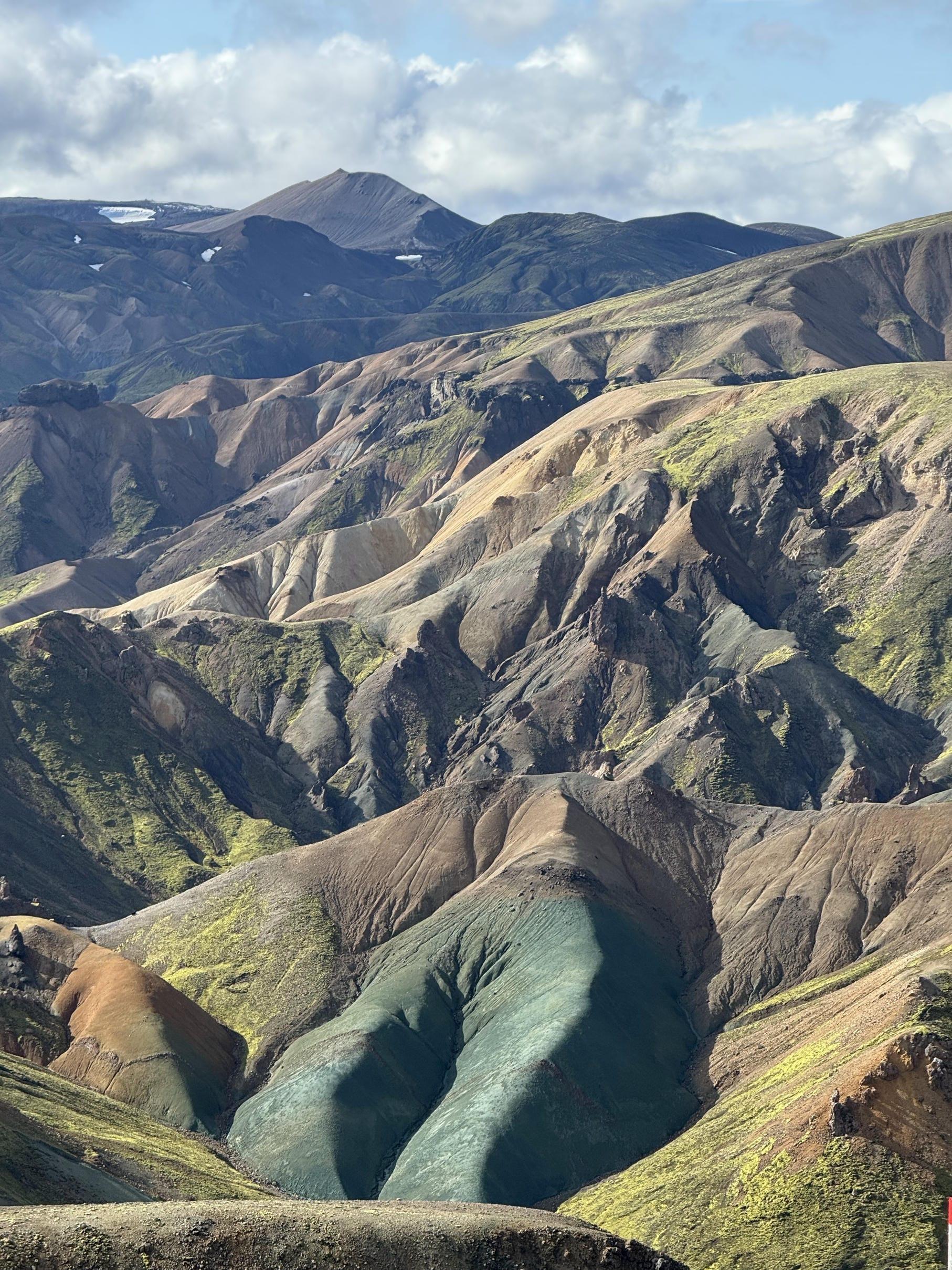
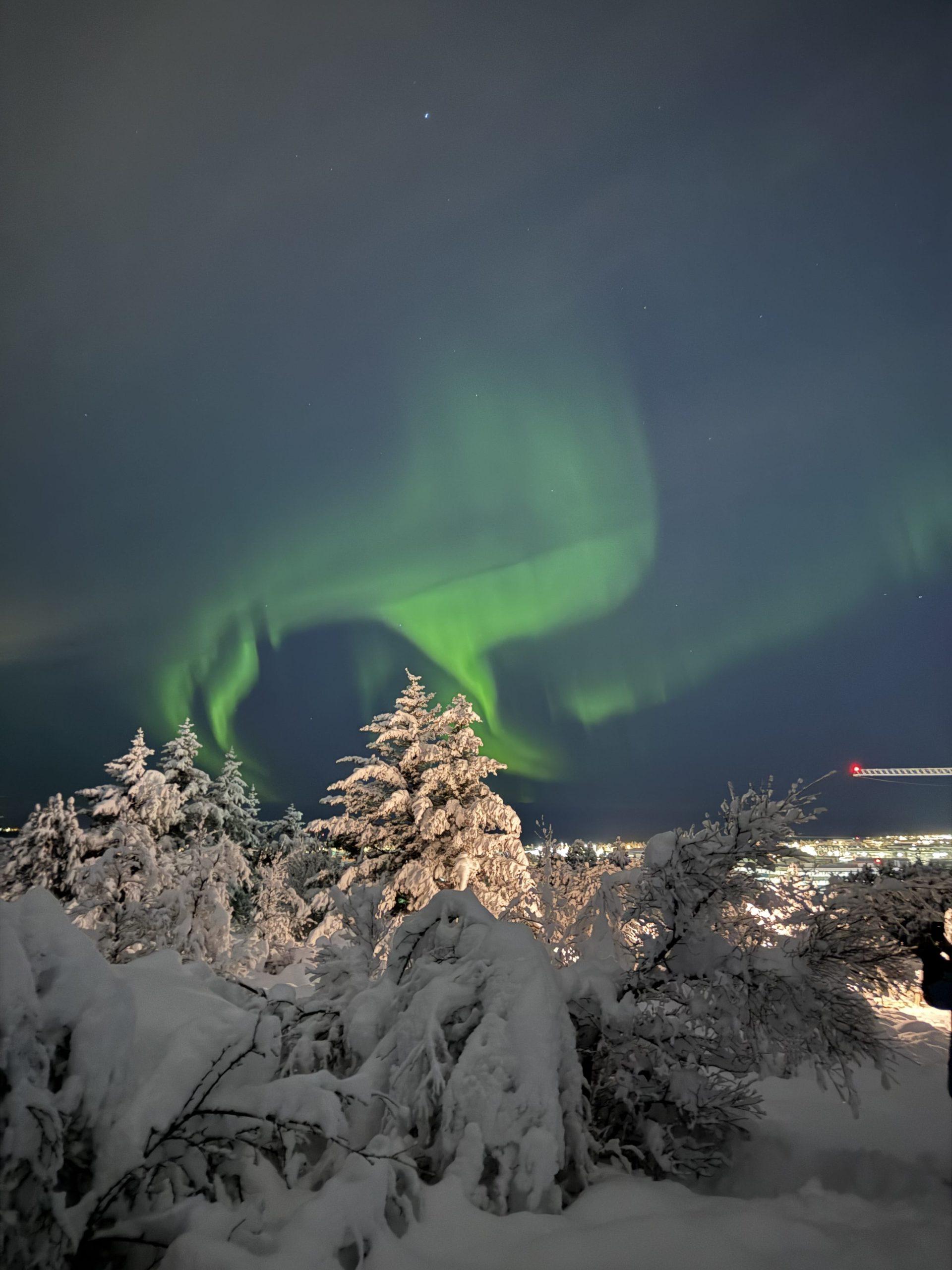
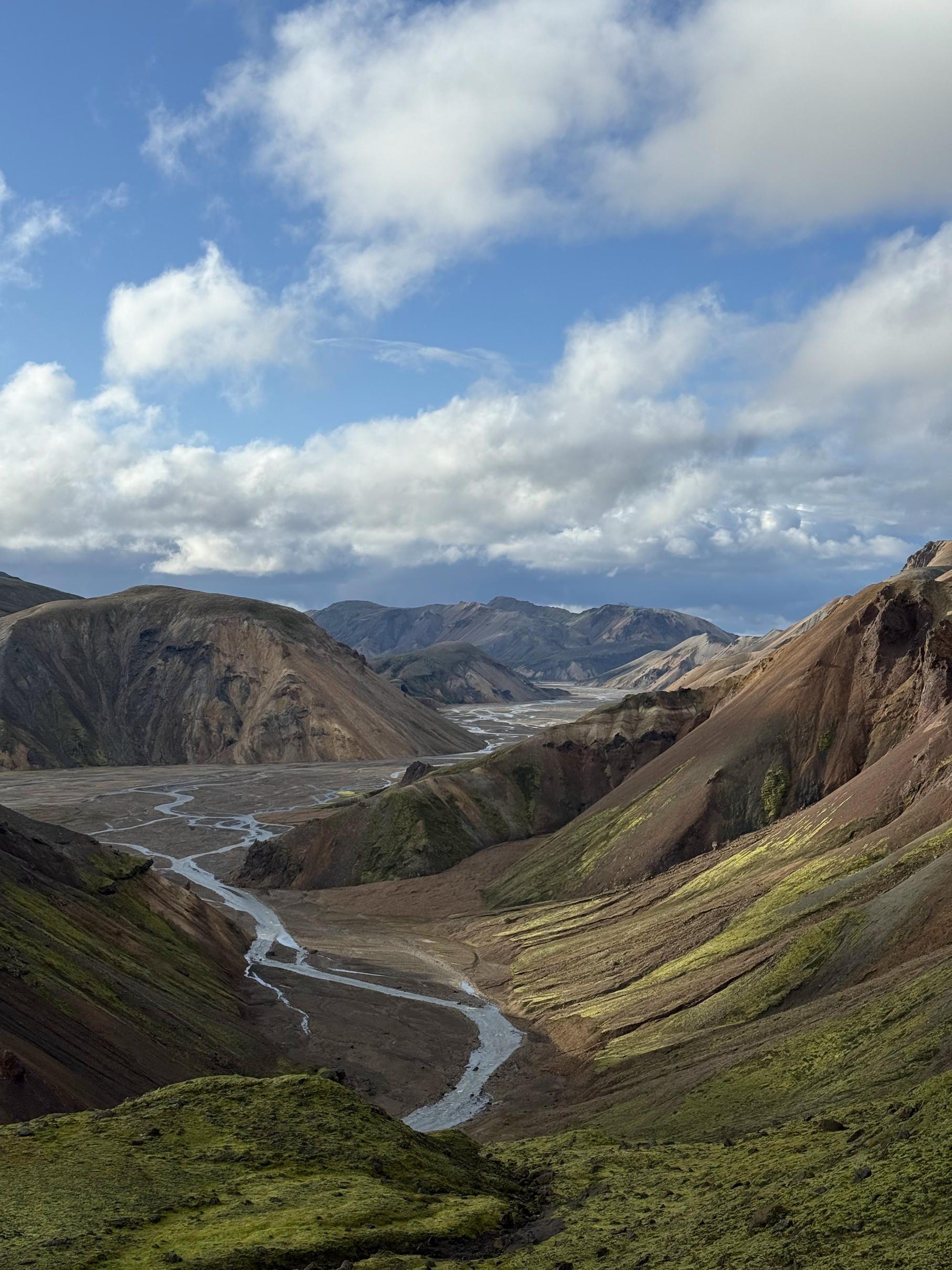
Most of the other people in the courses I attended were also exchange students, so I did not have that much contact with Icelanders. Iceland itself offers such unique landscapes that it is definitely worth a visit. However, Reykjavik is a rather small city, so if you don’t like hiking and nature, you might want to reconsider whether Iceland is the correct country. I once again fell in love with the marvellous landscapes and the sparse scenery. You could stop in the middle of nowhere and go for a walk and experience the most beautiful views.
About finding a room/apartment and accommodation
The student dorm is quite nice. It’s expensive (about €1,000/month), but you have your own kitchen and bathroom and a shared common area with a couch, TV, dining table, and larger kitchen, that you share with 12 other people. You can apply for housing benefits, which are about €350/month, so altogether the student dorm is not that expensive. Make sure to select the correct apartment because they also offer unfurnished apartments or student housing in the city and not directly next to the uni. For the student accommodation, you need an Icelandic bank account. I used Landsbankinn, they offer a free bank account. To apply for housing benefits, you need a kennitala (Icelandic social security number). There are two types of kennitala, one for stays of less than six months and one for stays longer than six months. In order to receive housing benefits, you need to apply for the one for stays above six months. When moving in, carefully document all damages, otherwise, you might pay for it.
What financial arrangements did you make? What was the average cost of living?
Live in Iceland is quite expensive, as mentioned above the rent was about 650€, groceries are about 1.5-2 times the price compared to Austria. Renting a car can also be quite expensive, especially in the peak season (e.g. August). Some people decided on renting a car for their entire stay which was cheaper in the long term. If you decide not to stay in the student dorm, check the condition whether you are still eligible for hosing benefits.
Do you have any tips on what else to keep in mind?
If you are not sure about anything, do not hesitate to send out an email, in my experience, all my questions were answered pretty quickly. Don’t just focus on studying; enjoy the nature, pools, and your life abroad, especially since you do not receive the grades in your UAS Technikum Wien transcript. And keep the Icelandic saying in mind when things get overwhelming “Þetta reddast” which means “it will all work out somehow”. Also inform yourself whether you pay any fees on transactions with foreign currencies, and maybe create a (free) bank account where you don’t pay any fees.
What new skills and qualities have you acquired?
I think the most valuable experience I got to make is how easy it is to meet new people, especially during an exchange semester where everyone wants to meet new people. The other two skills I acquired were planning and coordinating trips and how to achieve the maximum output with the least amount of effort for all subjects at uni.
How did your values and attitudes change during your stay abroad?
I think my attitude towards new situations has changed. I feel like I am now ready to also go work abroad or take on new challenges in life. It was also inspiring to meet all kinds of different people and see their take on life and how they imagine their future.
Looking back, what was the biggest challenge in preparing for or during your stay abroad?
For me, the greatest challenge was actually preparing for it and the fear that I wouldn’t get a flat or a place at the university. This was more or less the last chance to do an exchange semester, and I did not want to miss it, so I planned very early on and soaked up all the information I could get.
What was your most positive experience during your stay abroad?
Making new friends and bonding with them over trips and other activities. I am so glad that I got to meet those people and that we had such a lovely time together.