
Celine
- MSc Tissue Engineering and Regenerative Medicine
- Linköping, Schweden
- Auslandssemester
- Linköping University
- Studienjahr 2025/2026
How did you prepare for your stay abroad? What practical arrangements did you make before the exchange?
UAS Technikum Wien provided us with information regarding a double-degree exchange program with Linköping University in Sweden. A former student shared her experiences and tips during an info session. For accommodations in Sweden, she advised signing up on “studentbostäder” to collect points for each day we are registered. I also looked into additional funding options beyond Erasmus. For example, Lower Austria funds exchange studies, so check your province’s funding! I also checked the expiration dates of all my documents (passport, e-card).
How were you welcomed by the host institution?
I arrived at the Studenthuset in Linköping with my fellow exchange students on one of the arrival days, when we also received a small goodie bag. Inside the bag were also a lot of information regarding the student card and how to get student discounts via the Mecanat App. We received our keys for the accommodation, and a university-organized bus took us to Ryd (allocated housing).
What was it like to study at the host university?
Sweden itself really likes the concept of problem-based learning (PBLs), where you are assigned to small groups of 4-8 people and work on specific scenarios together. You think about questions regarding the scenario and research on your own at home for the next meeting.
At LiU, the semesters are divided into two halves, 15 ECTS each. For some of them, you can choose between multiple courses, each 7.5 ECTS (so you choose 2 for each half). Depending on the course, the intensity and workload vary. Approximately after 8 weeks of studying, you write your exam during an exam week when all LiU students take their exams in the same building/room as you. Therefore, the beautiful Studenthuset (library on Campus Valla) is completely full! There is plenty of time for the exam (4 hours), and if you have been diagnosed with ADHD, autism, etc., you can also apply for extra time!
How would you describe the country, the culture, and the leisure activities you experienced during your stay abroad?
Although I studied in Sweden, I did not make many Swedish friends, as Swedes often stay in their own groups and can be shy about approaching others. A lecturer explained that they do not want to “waste your time” without a reason to meet, which is where fika, the beloved coffee break, comes in. Joining student groups is a great way to meet people. There are groups for knitting, gardening, dancing and many other interests. At the start of the semester, the KALAS fair introduces them.
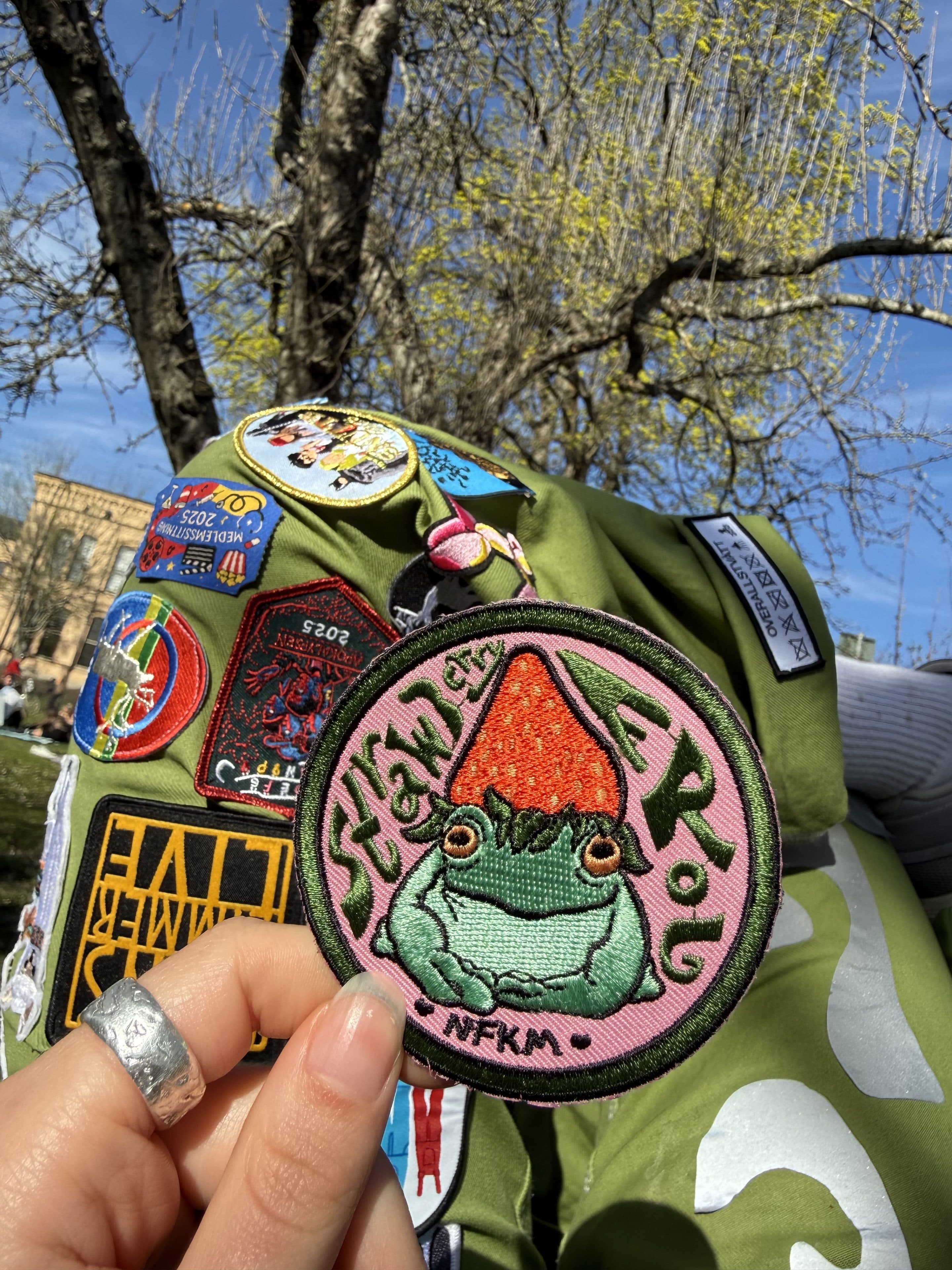
Student life in Linköping is amazing. Each programme has its own section, parties and coloured overalls, called ovve. Ours were olive green, and after the inauguration we wore them to parties and collected patches. My favourite experiences included free ice skating near CampusHallen, skating on the frozen Göta Kanal, seeing the northern lights in Kiruna and attending hockey games. I also recommend the Hittaut app, an outdoor orientation activity that lets you explore Linköping by bike/bus/afoot.
About Finding a Room or Apartment and Housing
LiU itself gave us the opportunity to sign up for either a corridor room (with our own bathroom and a shared kitchen with up to 8 other people) or a small apartment with our own bathroom and kitchen, both rented by Heimstaden and located in Ryd. I tried to apply for the apartment, and luckily, I got one, which, of course, was more expensive than the corridor rooms (approx. 600-, € for 25m^2), but every bit worth it.
What financial arrangements have you made? What was the average cost of living?
During my 2nd semester at UAS Technikum, I worked 20 hours as a BMA in the hospital to earn as much as needed and to be as little dependent on financial aid from my family. Before moving there, I heard approximately 1000-, € monthly spending was usual. I would agree to that, but also especially in the first few months, my expenses were higher due to buying décor and plants, etc. from Ikea and Plantagen, for my small apartment.
Haben Sie Tipps was noch zu beachten ist?
IKEA has a 365-day return policy! Keep your receipt, take care of purchases and leave the barcode attached if possible. I received full refunds for several items I would otherwise have sold cheaply or thrown away. Check the policy online!
Lidl is cheapest, while Coop is among the most expensive. ICA and Hemköp have similar prices, but Hemköp is convenient if you live in Ryd. Membership is possible without a Swedish personal number. I also recommend bringing Austrian tea and cosmetics.
Before travelling, check how the Austrian e-card works abroad. I became ill and had to go to hospital, but because I had no Swedish personnummer, the staff did not know how to register me and initially refused my e-card. Only afterwards did I learn that I should have explained and shown the rules for EU-insured patients.
Apps:
Public transport: SJ (train), SL (stockholm), UL (uppsala), Östgötatrafiken (Linköping, etc.)
Parties: Orbi
Student card: Mecenat
Orientation hunt: Hittaut
membership: IKEA, Hemköp
What new skills and qualities have you acquired?
I took the A1 Swedish course before coming to Sweden and gained more confidence in talking in Swedish, even though it’s just ordering some food 😛 I also acquired new skills regarding my bike, like fixing/changing the chain or surviving snowy rides at -8°C (these were hard, especially to the US Campus, which usually took 15 minutes, but in winter it took 20-25 minutes).
How did your values and attitudes change during your time abroad?
My values didn’t change much during my stay. If I’m socially drained and don’t necessarily want to talk to new people, I feel like my inner Swede came alive again :P. However, it was really nice to meet and talk to so many new people, including Swedes (even though they are a rare find in Sweden). If you get lucky and become friends with some Swedes, they are the nicest people with excellent English skills!
Looking back, what was the biggest challenge you faced while preparing for or during your stay abroad?
One of the biggest challenges in preparing was the uncertainty about whether we would actually get the accommodation provided by LiU or would eventually have to find our own. One of the challenges during my stay was adapting to the varying daylight hours, especially in winter, when it got really dark.
What was your most positive experience during your time abroad?
All the trips and new friendships I made. Inaugurated our ovve and sew on our names and many patches from parties. We went to Lapland, where we took an ice bath during a sauna break, saw the astonishing northern lights, rode a snowmobile, and drove our own husky sled at -25°C. We visited Stockholm near Christmas to see all the beautiful lights. Went ice-skating on the Göta Kanal. Celebrated Valborg in Uppsala. And finally went to the graduation dinner and the farewell ceremony.