Heat transition in law: Expert dialogue at UAS Technikum Wien
19 December, 2025
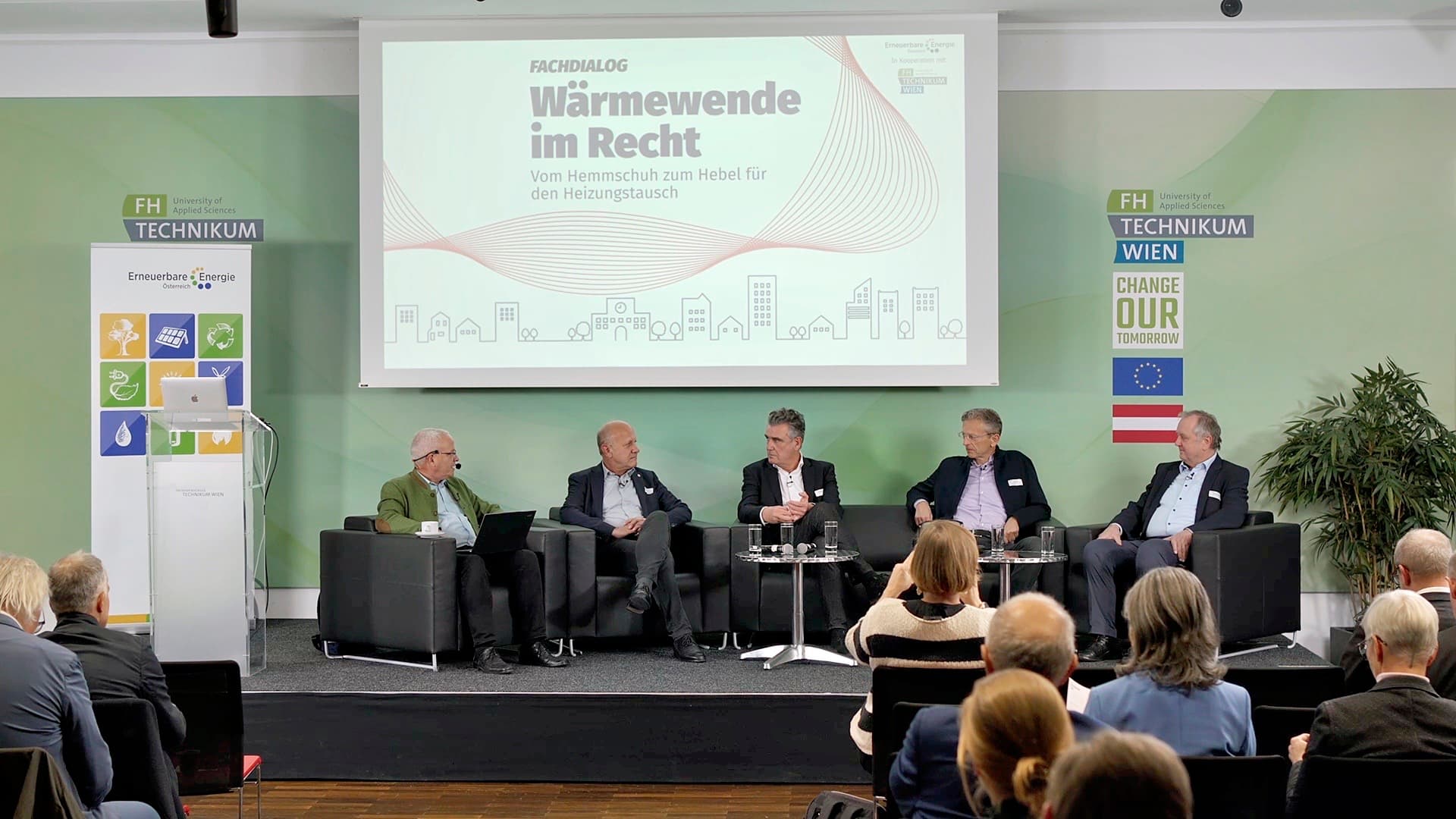
Renewable Energy Austria, in cooperation with UAS Technikum Wien, hosted a high-profile event.
On November 11, legal and energy policy experts as well as decision-makers from the business community gathered at UAS Technikum Wien at the invitation of Erneuerbare Energie Österreich (Renewable Energy Austria) (EEÖ) and initiated by program director Gottfried Eder. The topic was the legal framework and barriers surrounding the heating transition.
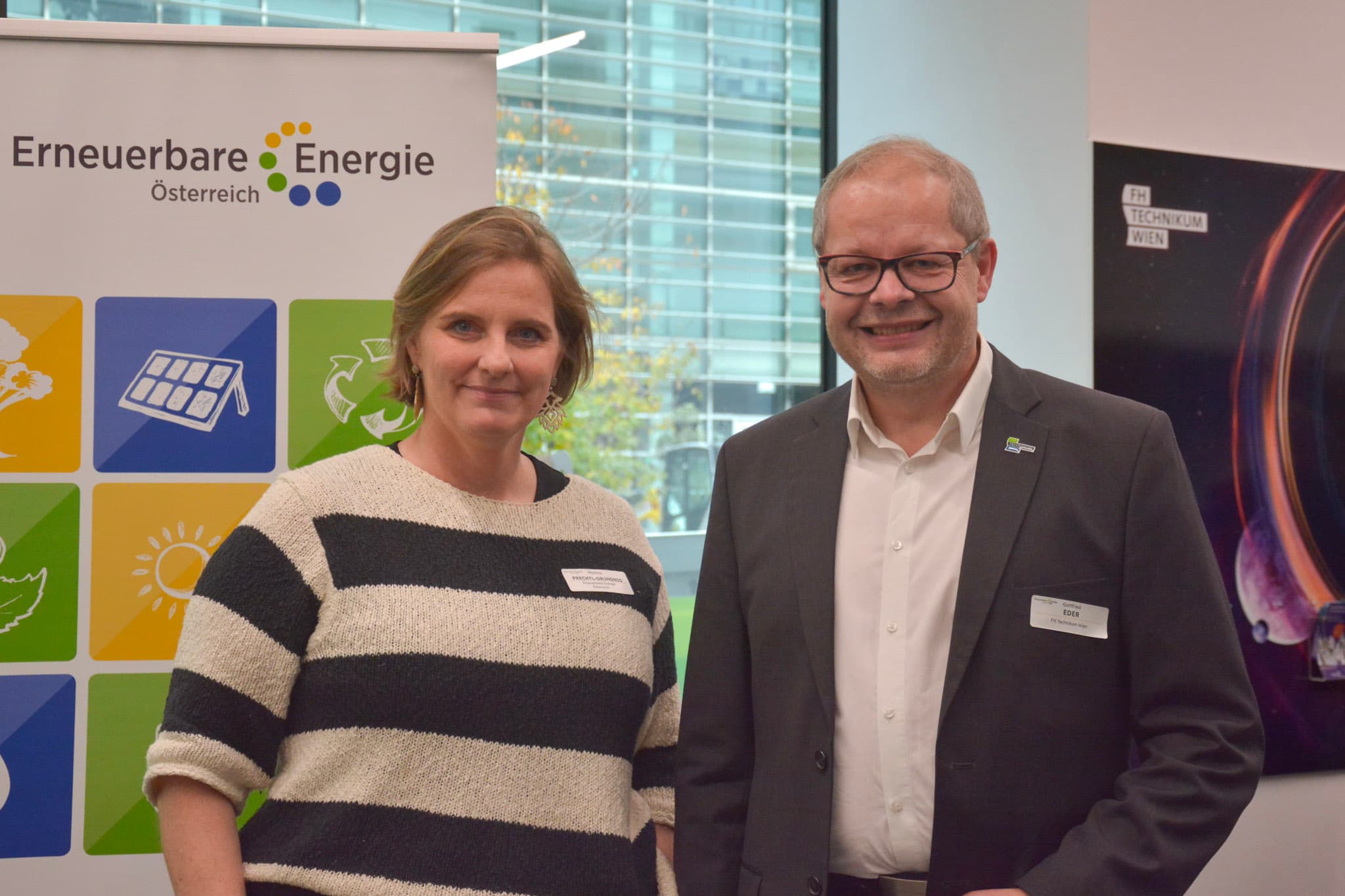
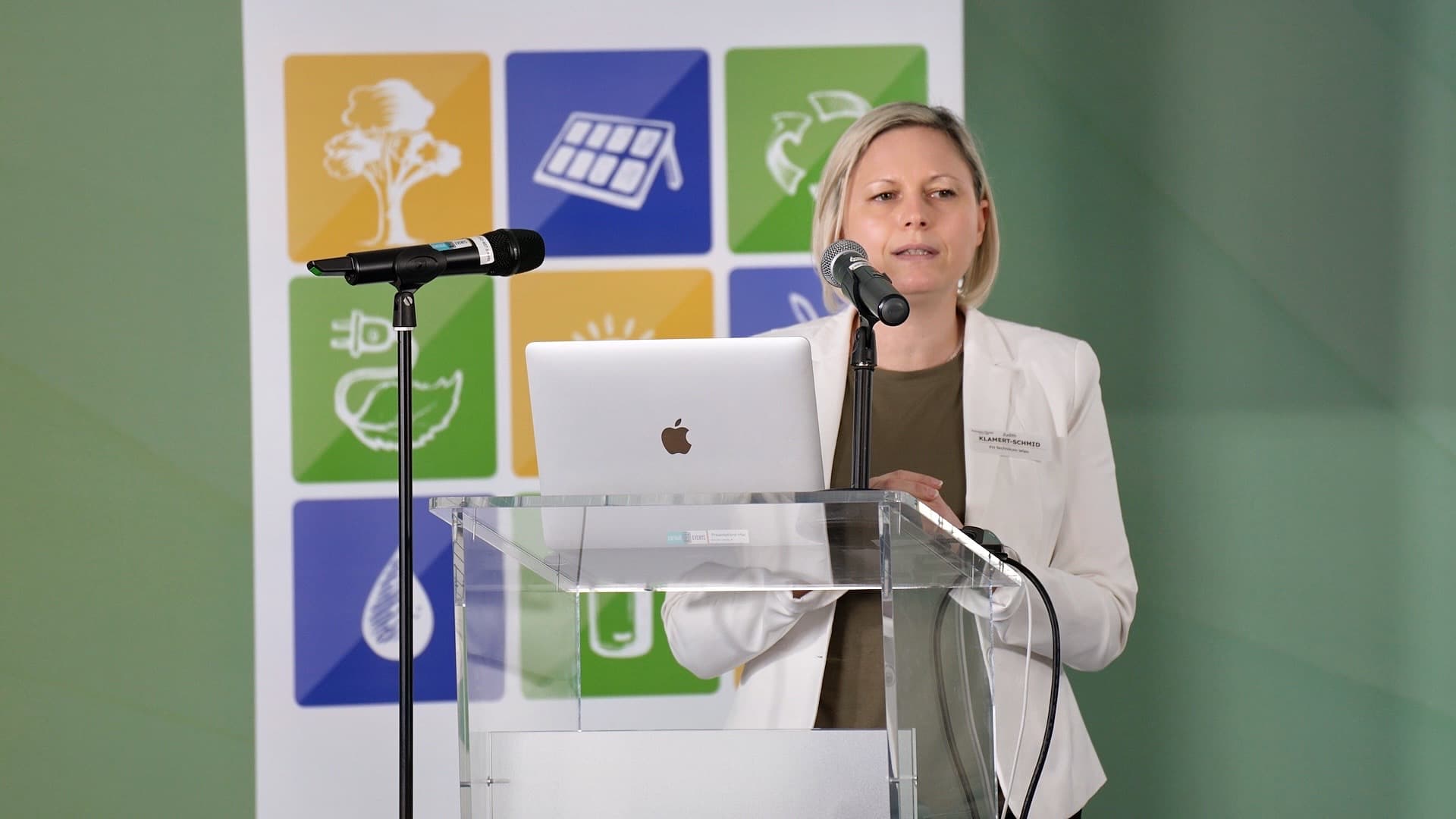
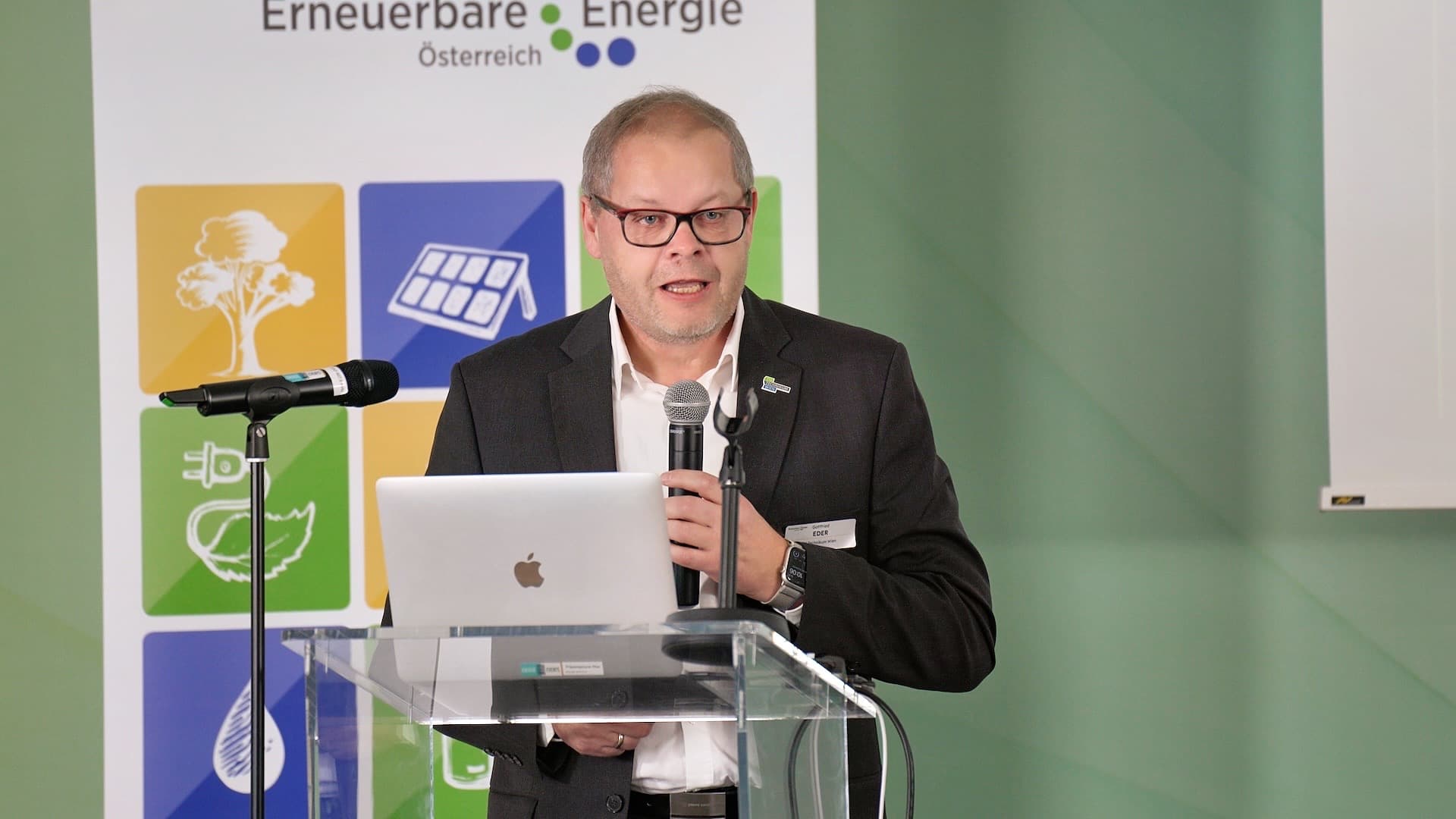
In her welcoming address, Judith Klamert-Schmid, Head of the Department of Industrial Engineering, made it clear how urgent it has become to clarify legal issues surrounding heating replacement and building renovation. Gottfried Eder underscored this point: “The great interest in the expert dialogue, with nearly 150 participants, shows how relevant the corresponding legal framework is for the success of the heating transition.” The initial spark came from the Climate-Conscious Building Technology degree program when Roger Hackstock (Managing Director of Austria Solar, moderator of the event) was invited to a lecture.
Martina Prechtl-Grundnig, Managing Director of EEÖ, set out the energy policy framework. Christoph Dolna-Gruber from the Austrian Energy Agency—who himself was part of the first class of renewable energy students at the Technical College in 2007—painted a clear picture of the political situation between the government program and EU requirements.
Elisabeth Sibile presented the results of the first Austrian building report. In the following session, the legal stumbling blocks along the central material laws were addressed.
Wolfgang Amann (Institute for Real Estate, Construction, and Housing) outlined how WEG, MRG, and WGG work in renovations—and where they block progress.
Michael Aumer (Federal Ministry of Economy, Energy, and Tourism) added what climate-friendly housing law would have to achieve and what political leeway is realistic.
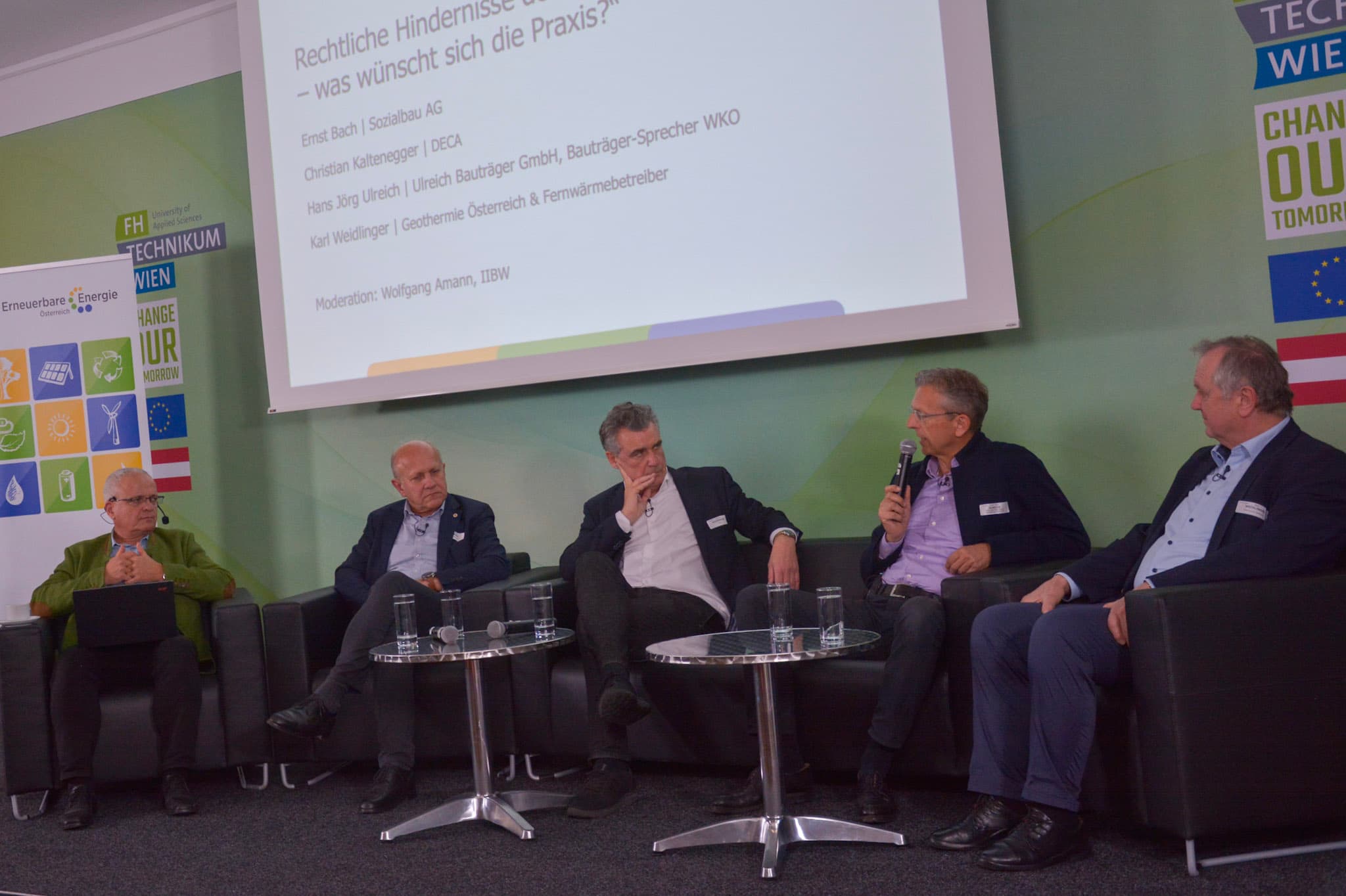
Ernst Bach (Sozialbau AG), Christian Kaltenegger (DECA), and Florian Stangl (NHP Rechtsanwälte) shed light on the legal obstacles to heating replacement in practice. In the afternoon, Bach and Kaltenegger worked with Hans Jörg Ulreich (WKO) and Karl Weidinger (GTÖ) to identify which legal adjustments would actually be effective – and what ideas owners and users have for policymakers.
Gregor Biley (NHP Rechtsanwälte) highlighted current problems and legal solutions for existing and new buildings. The final round was moderated by Wolfgang Amann. Here, Priska Lueger (Vienna Chamber of Labor) criticized the lack of a catalog of protective regulations for customers. Rudolf North (WKO) called for a comprehensive solution. Adolf Melcher (Kelag Energie & Wärme) called for predictability and stability instead of constantly changing conditions.
The event enabled UAS Technikum Wien to establish many new contacts and significantly expand its network for successful research and teaching.
Video about the event:

Please accept cookies for external media to view videos
Podcast episode on legal hurdles to the heat transition:
Legal hurdles to the heating transition: Why modern heating systems are still difficult to implement (#125 Gottfried Eder and Martina Prechtl-Grundnig):
(in German)
https://www.technikum-wien.at/news/rechtliche-hurden-der-warmewende-warum-moderne-heizsysteme-noch-immer-schwer-durchsetzbar-sind-125-gottfried-eder-und-martina-prechtl-grundnig/