“Beavers of Computer Science”: Award Ceremony with Federal Minister Wiederkehr at UAS Technikum Wien
13 March, 2026
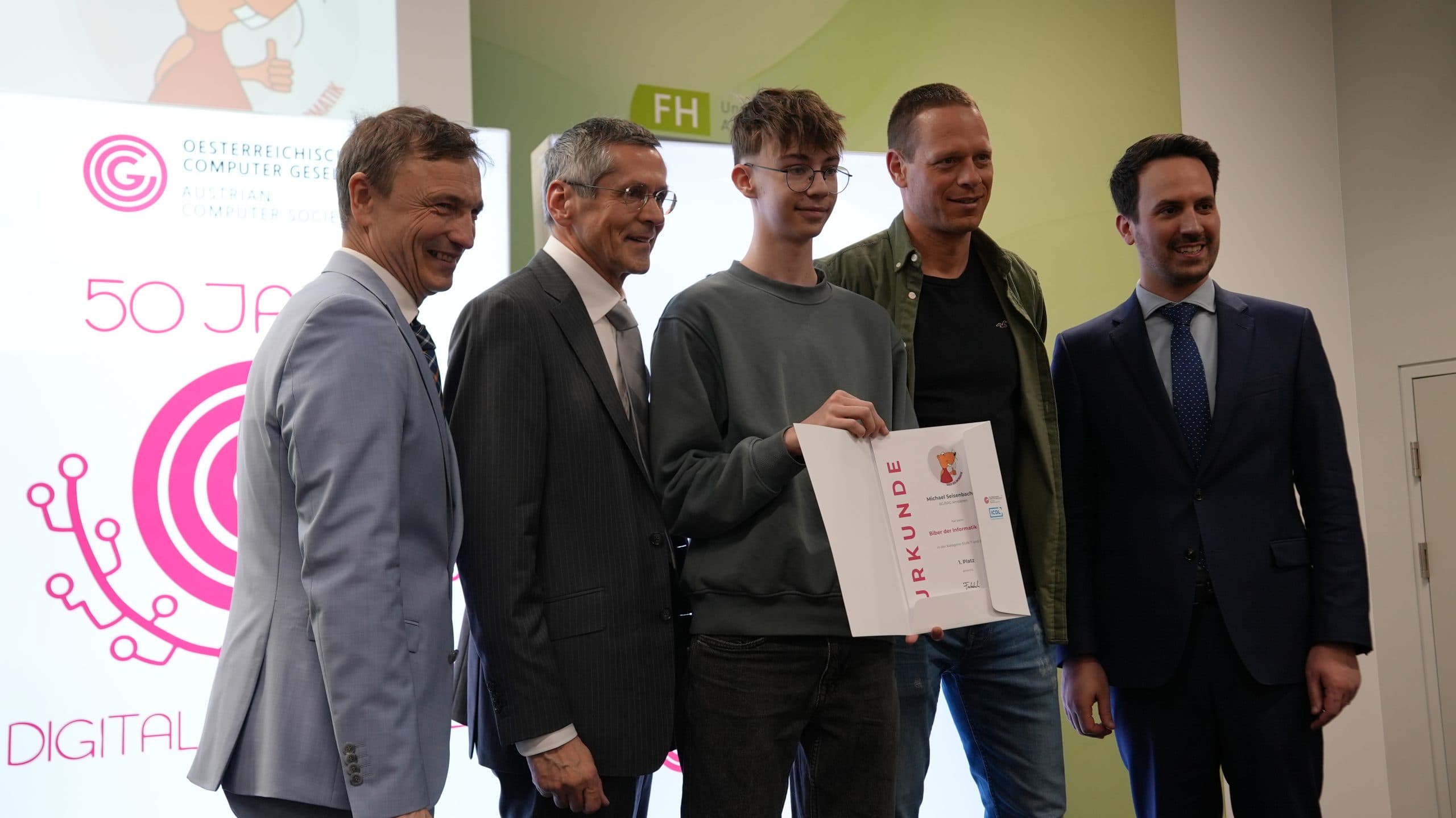
The competition fosters analytical thinking and a passion for computer science among school-age students. The top performers were honored at the awards ceremony held in the ceremony hall.
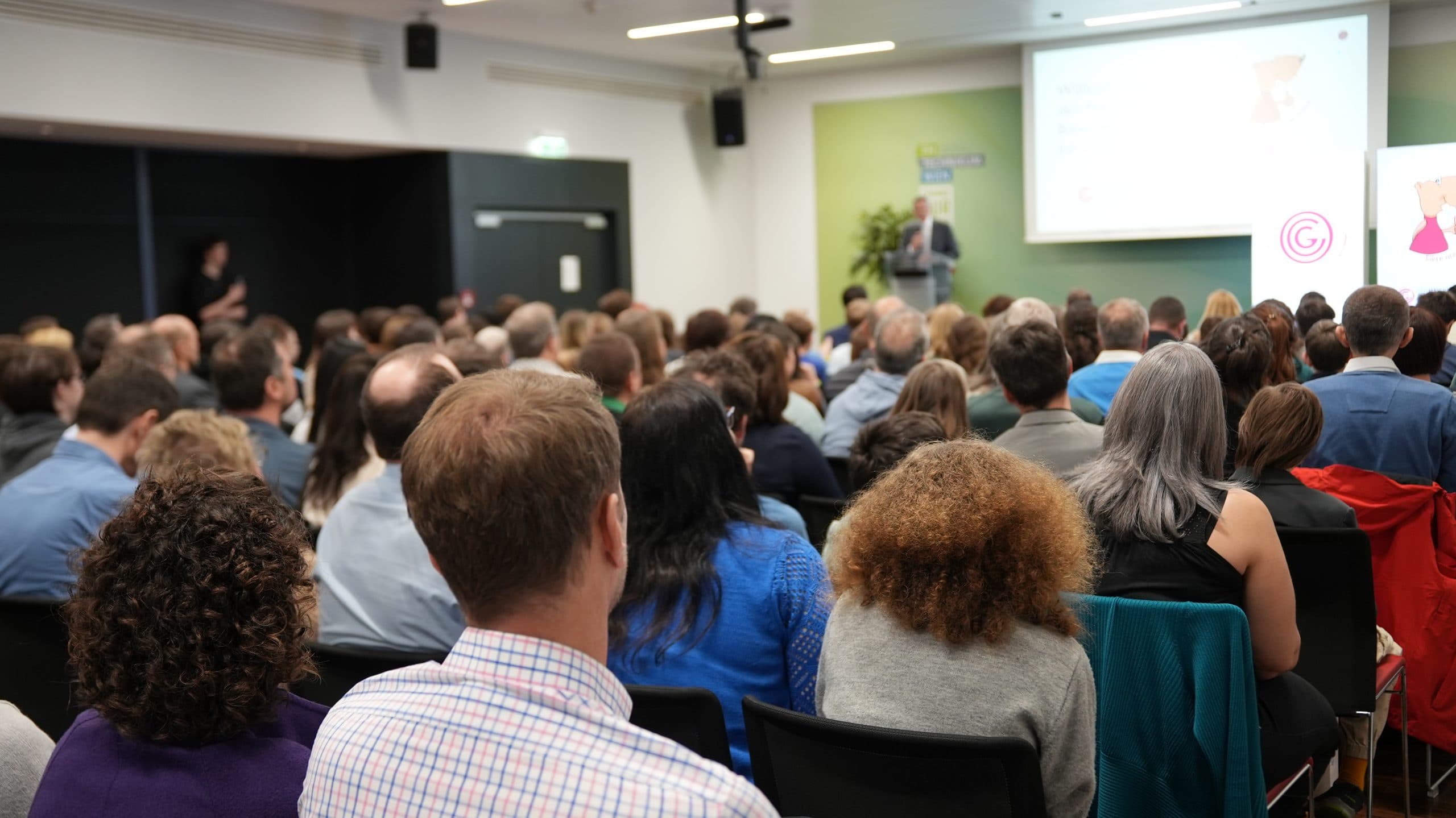
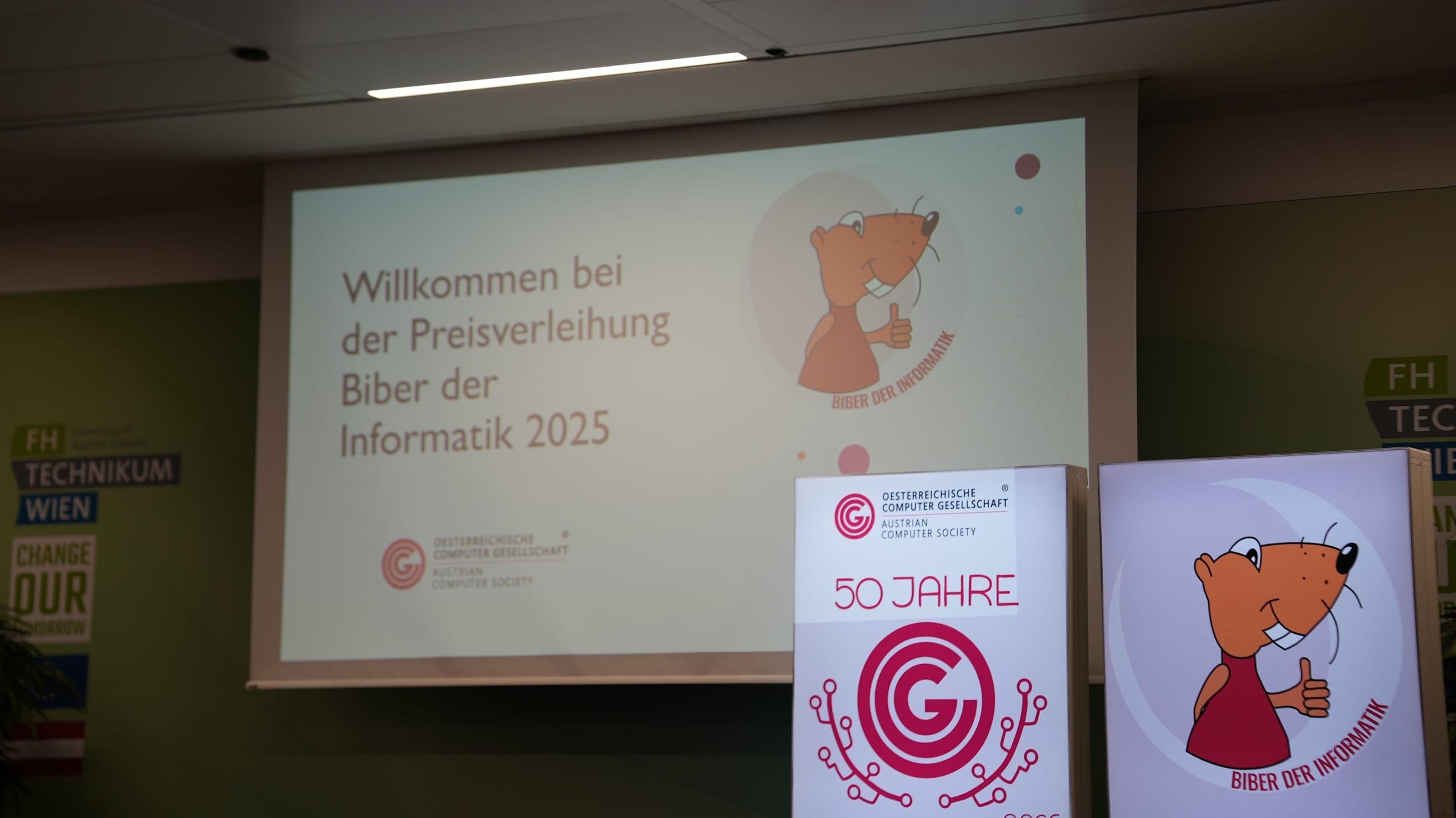
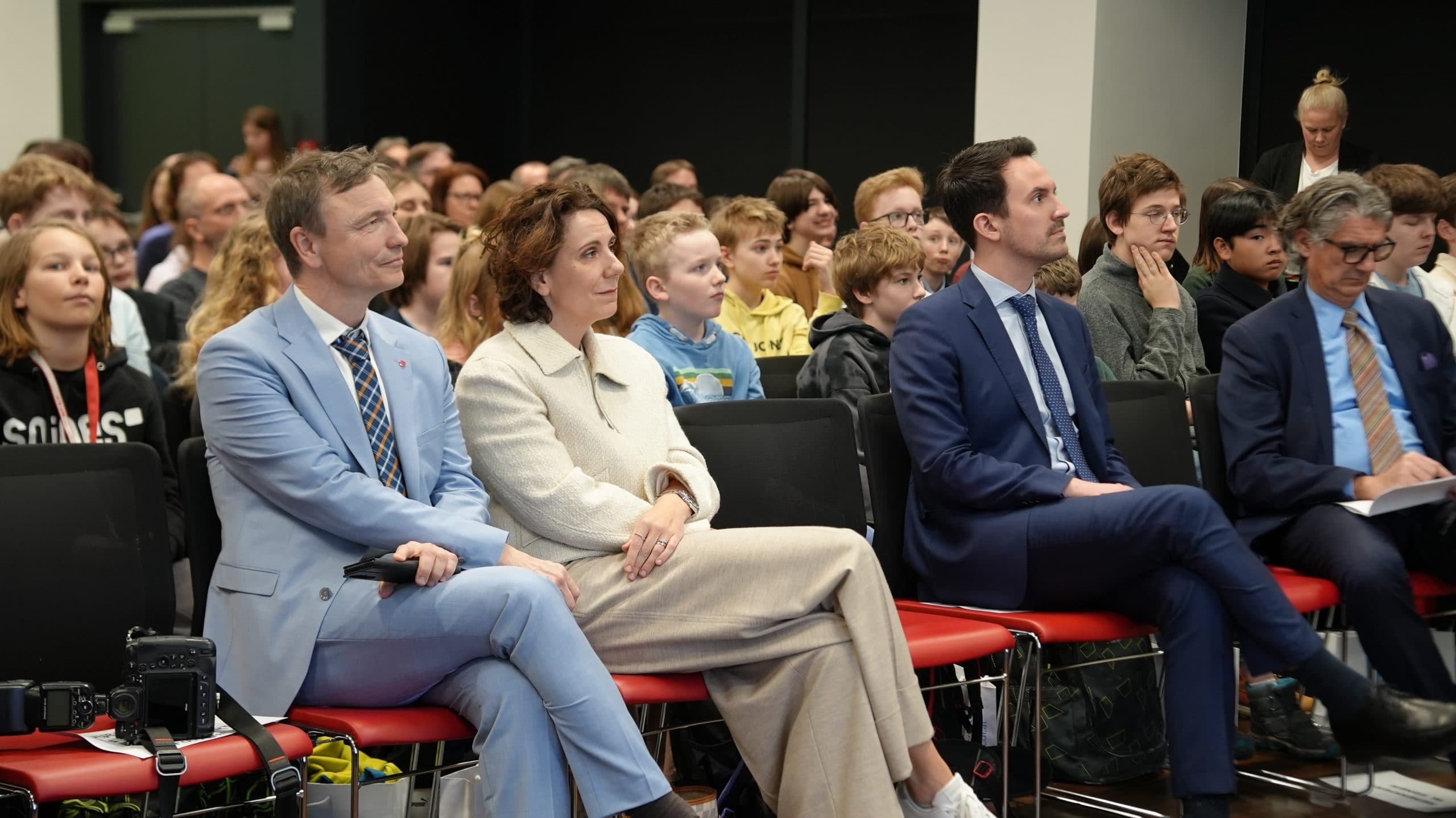
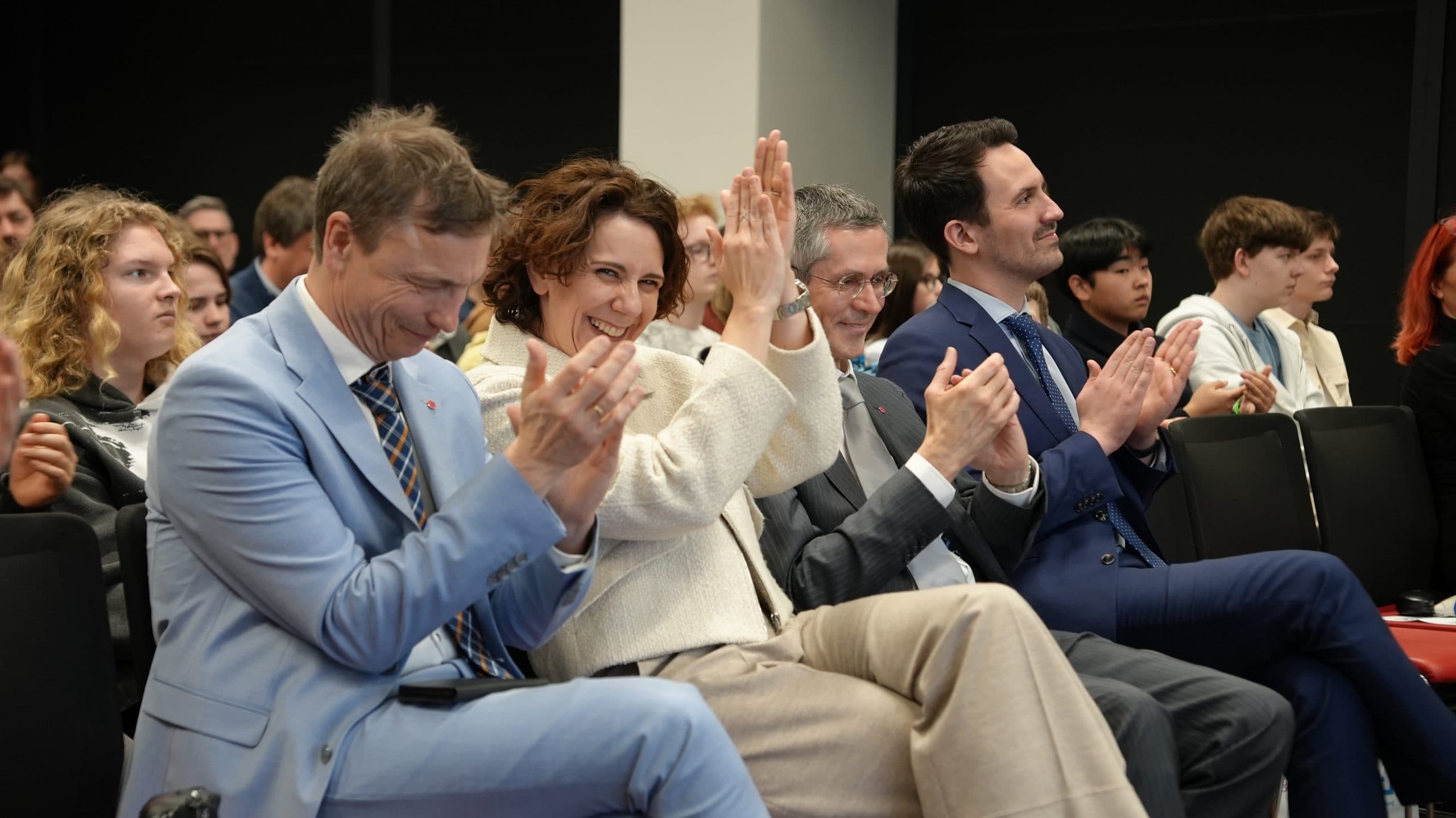
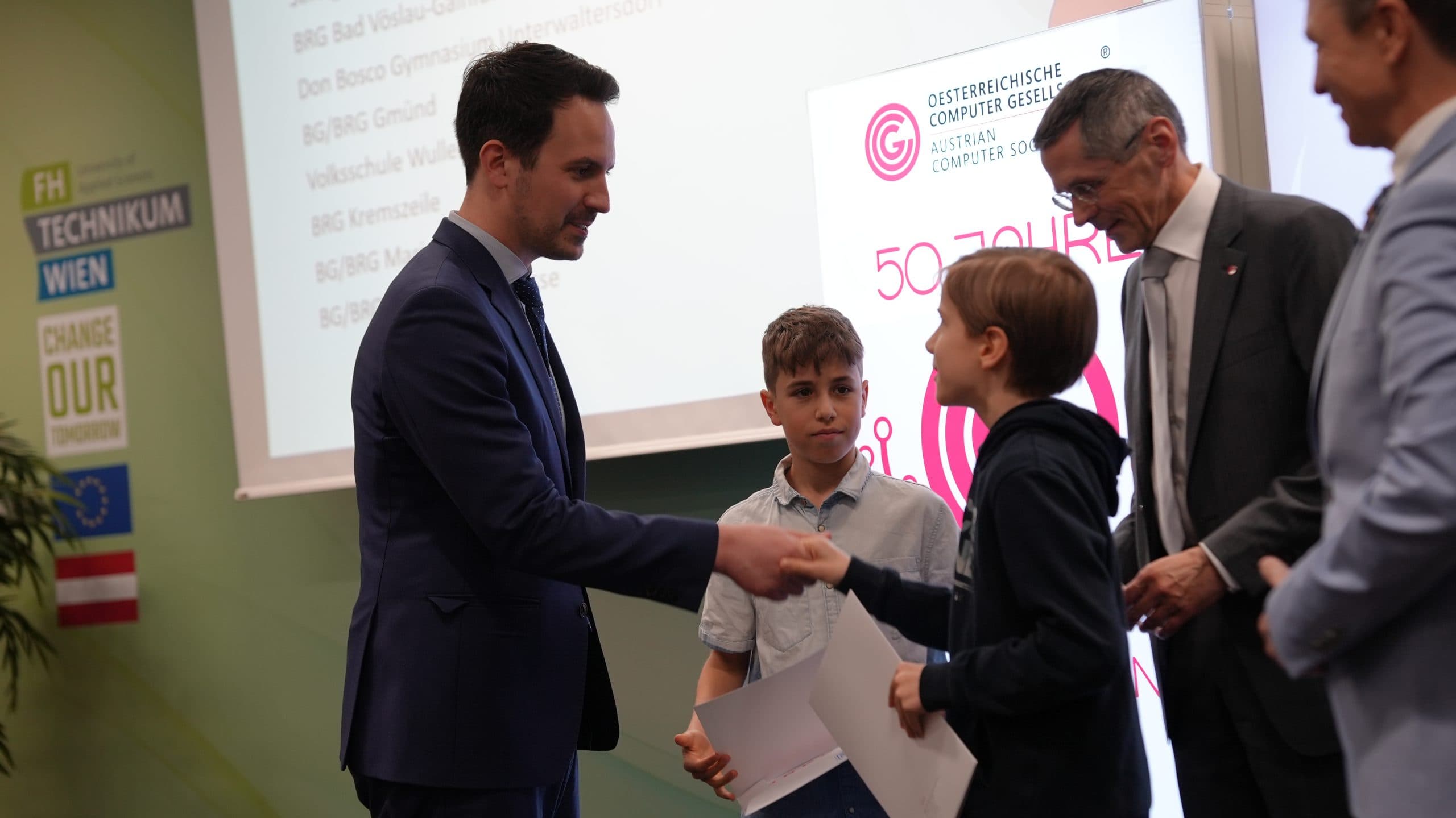
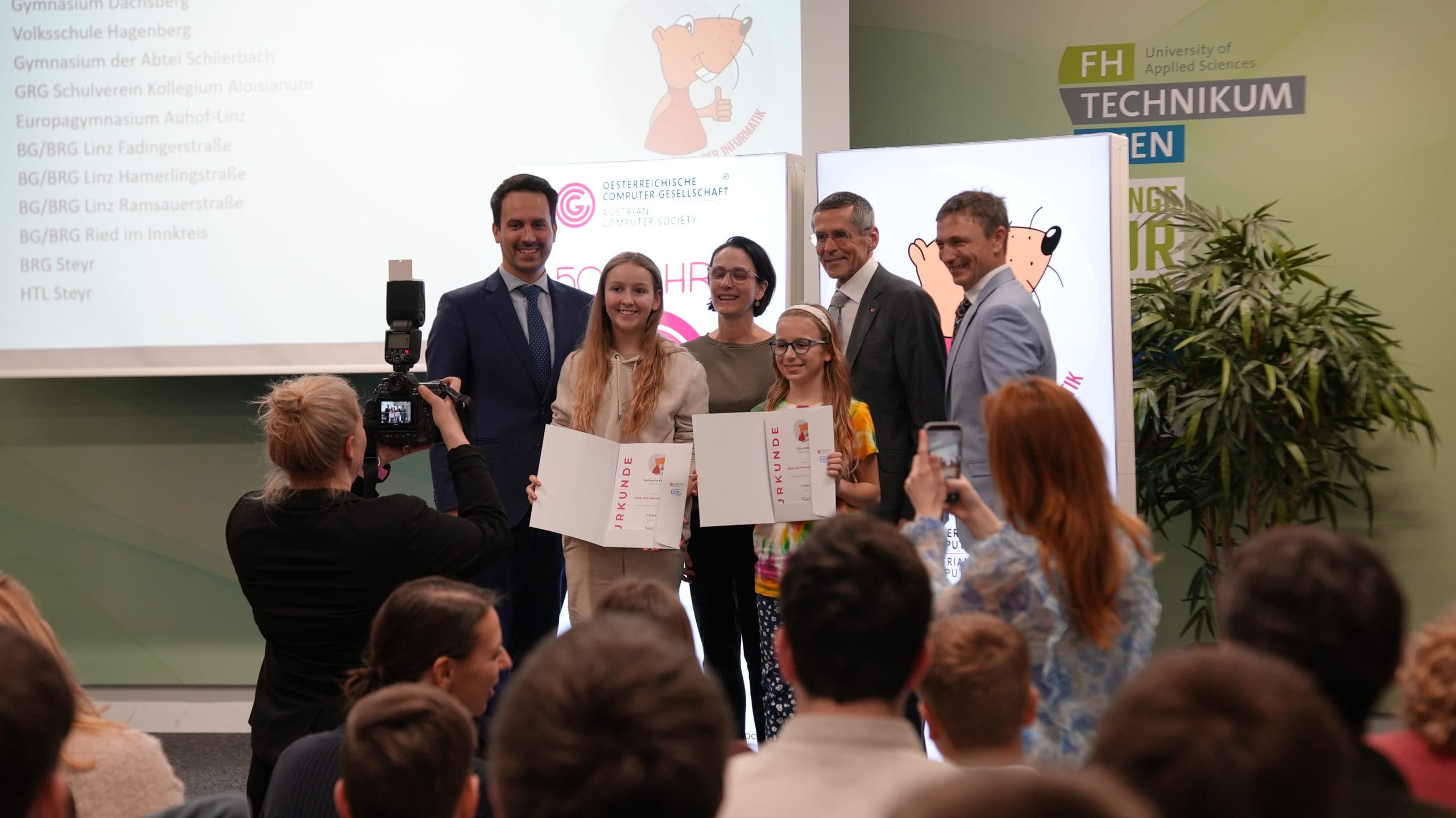
On March 11, 2026, the award ceremony for the “Biber der Informatik” competition took place at UAS Technikum Wien. A total of 112 winners were honored, and approximately 220 guests attended the event.
The competition is one of the largest computer science competitions for students in Austria. 65,734 students from grades 3 through 13 from all over Austria had participated in November 2025.
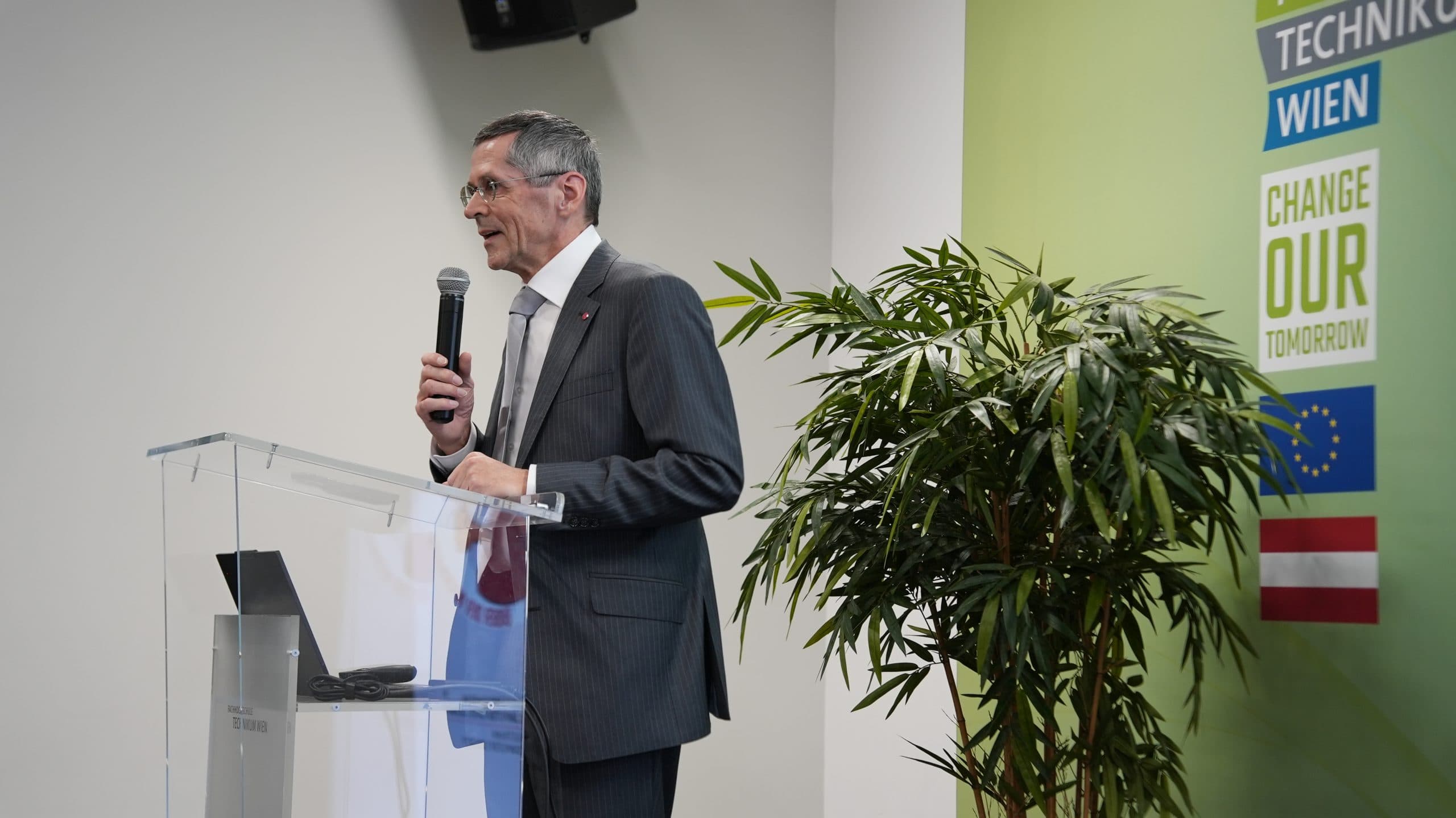
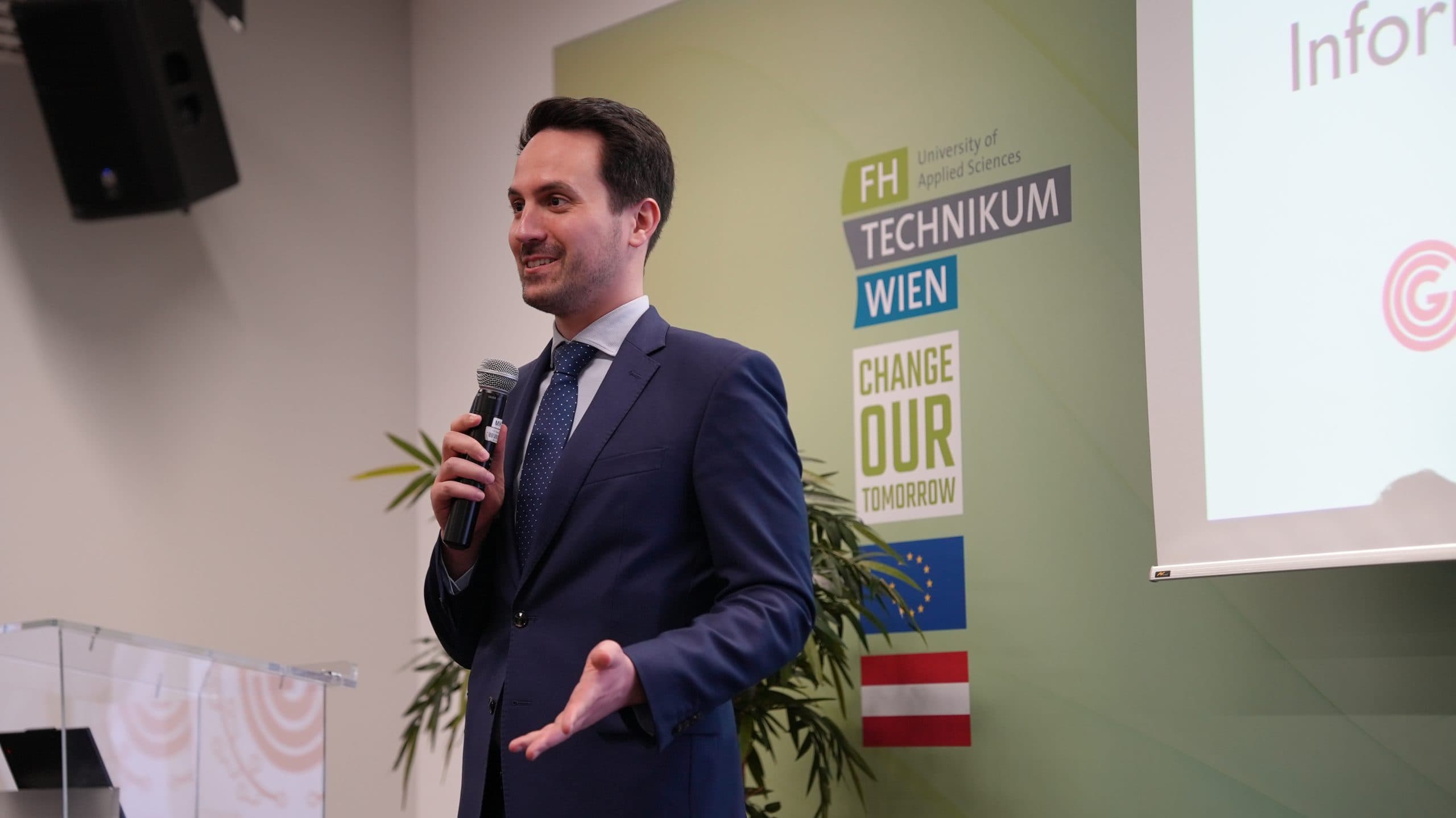
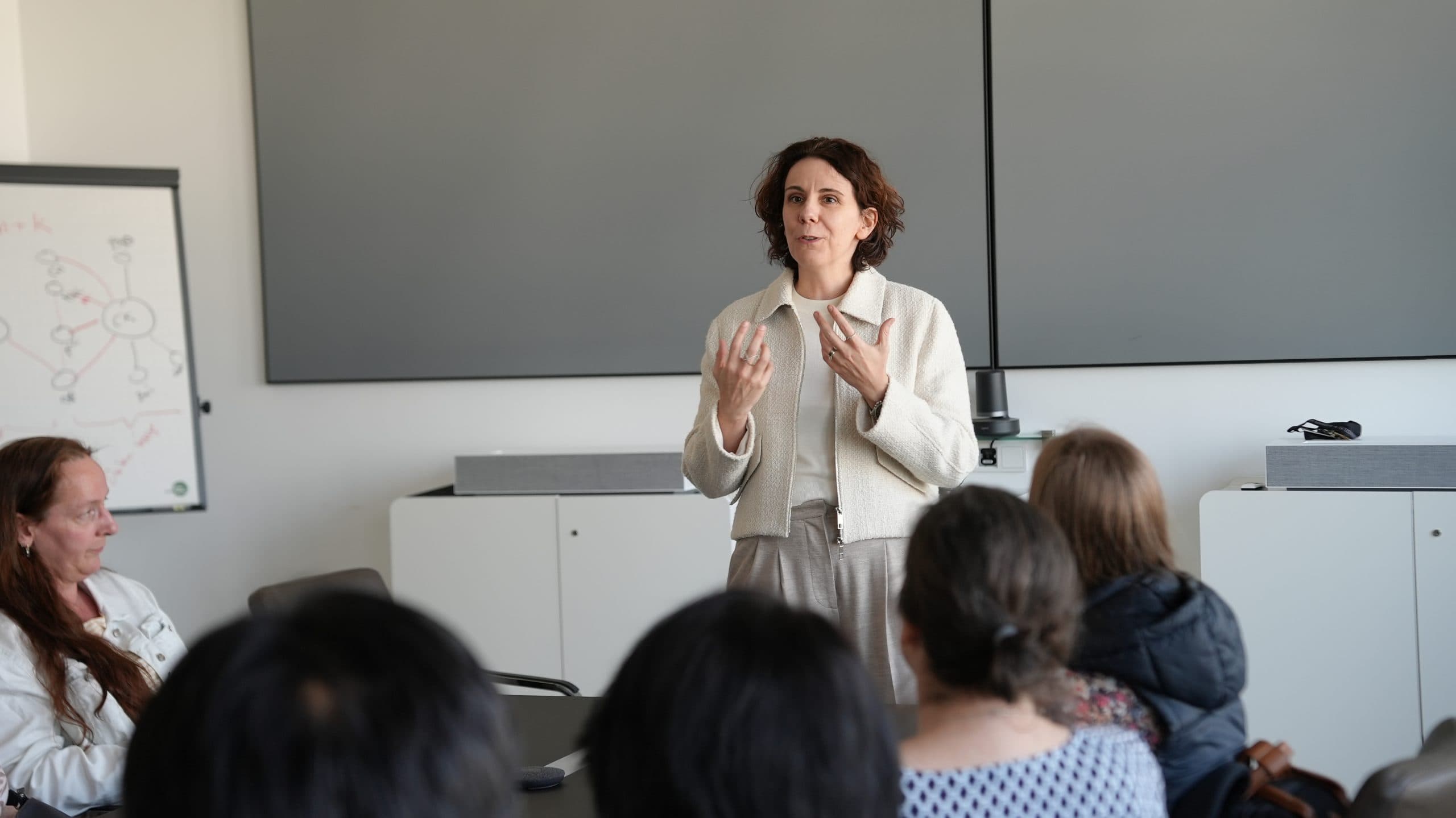
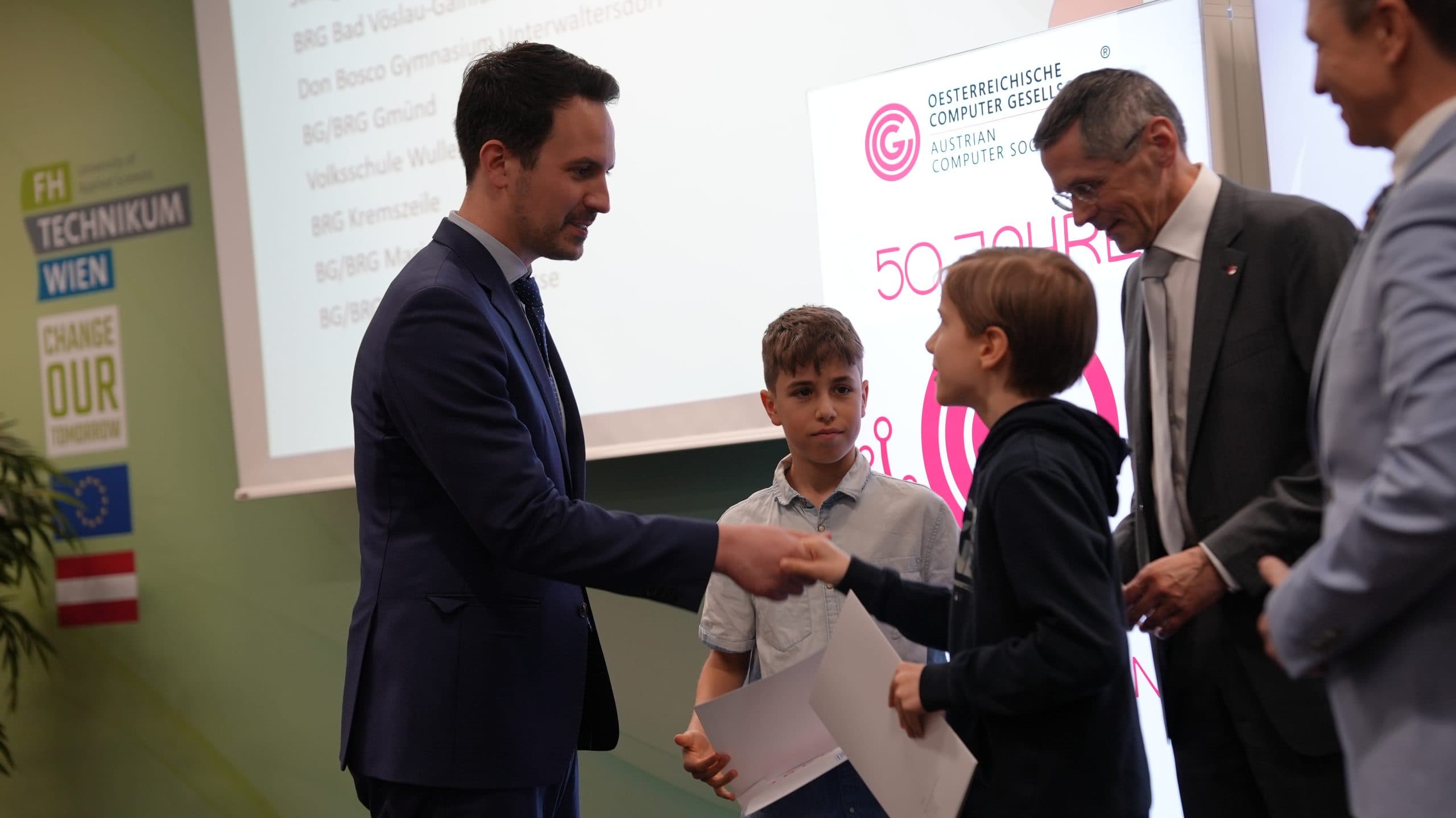
The awards ceremony was organized by the Austrian Computer Society (OCG) and held at the UAS Technikum Wien. Opening remarks were delivered by Christoph Wiederkehr, Federal Minister of Education, who presented the awards together with Wolfgang Ebner, Head of the Section for Digitalization and E-Government at the Federal Chancellery.
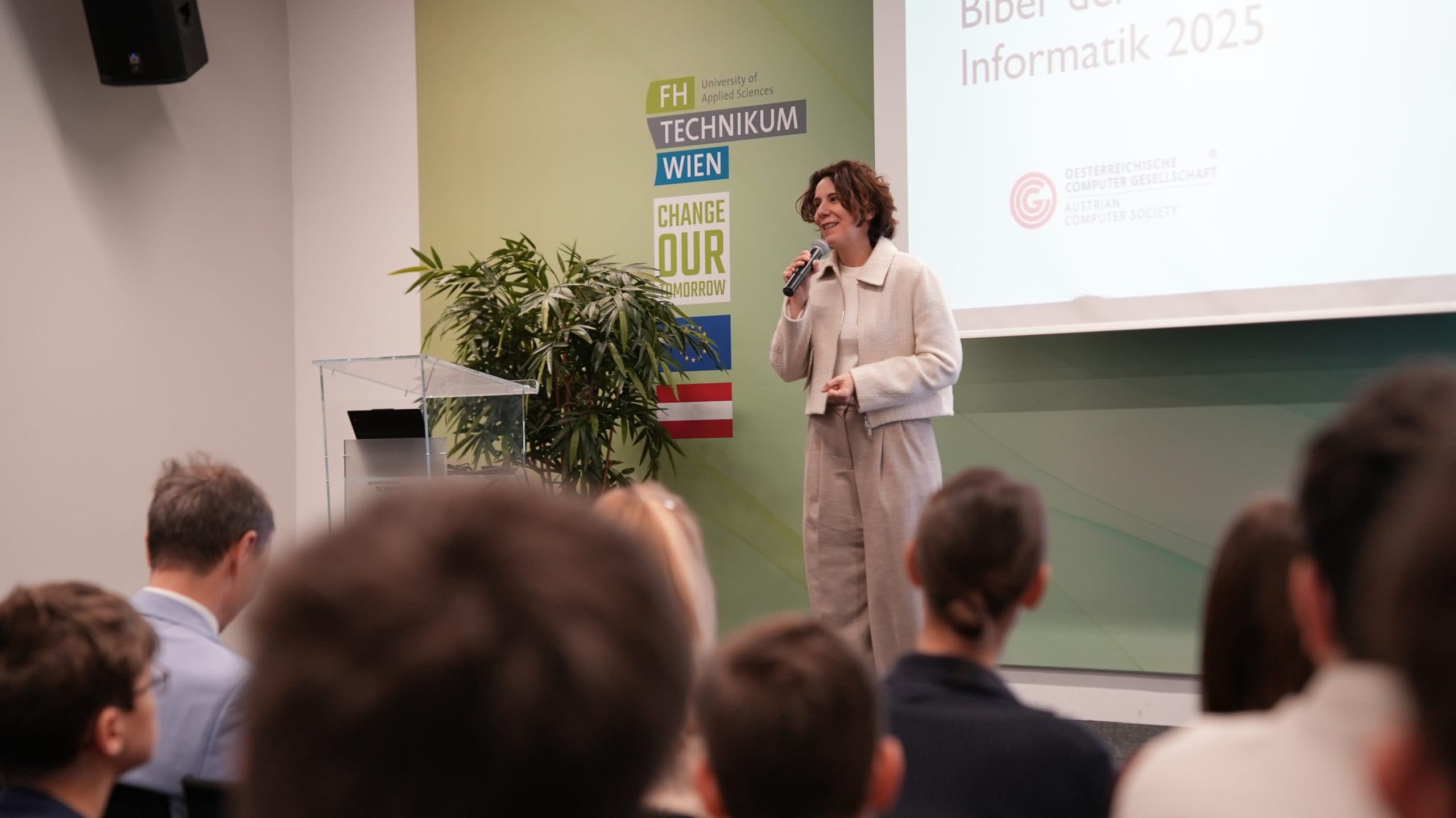
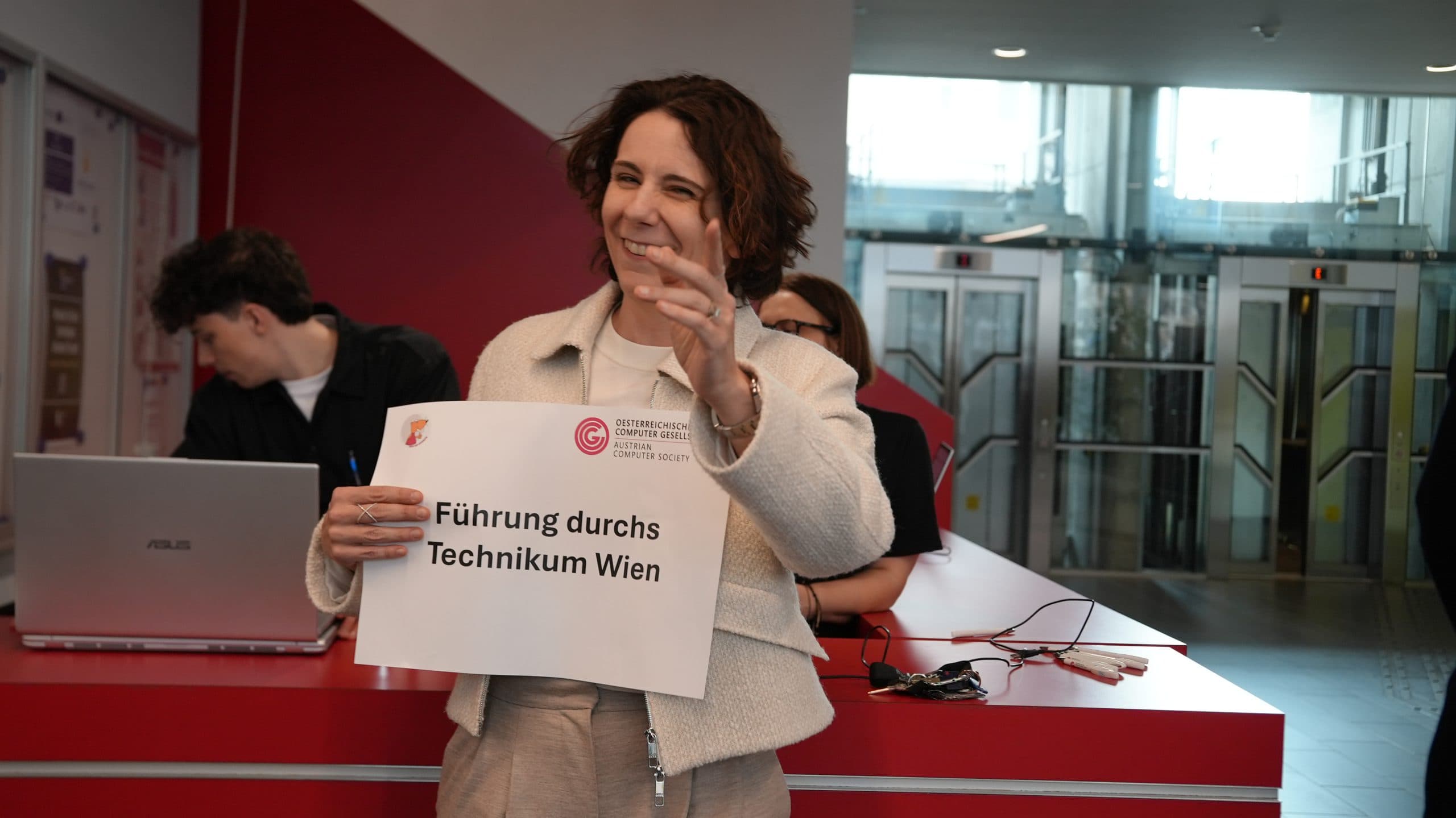
Sylvia Geyer, Rector of UAS Technikum Wien, also congratulated the students on their achievements, emphasized the importance of the competition for promoting computational thinking, and gave guests a tour of selected areas of the university.
OCG President Wilfried Seyruck praised the achievements of the award-winning students: “Some of the tasks this time were significantly trickier than in previous years. We are all the more pleased with the proof of ability our young minds have demonstrated.”
Strongly growing interest in the competition
The competition was organized for Austria by the Austrian Computer Society in collaboration with TU Wien. Participation figures show a significant increase in interest:
- 410 schools took part in the competition between November 10 and 21, 2025 – 49 more than the previous year.
- The number of participants rose from 55,913 in 2024 to 65,734 in 2025.
At the awards ceremony, Education Minister Christoph Wiederkehr emphasized the importance of computer science for education and society: “This shows that computer science inspires enthusiasm. Computer science is essential for the future of our society. The Biber competition not only promotes logical thinking and creativity, but also sparks an early interest in a field that is becoming increasingly important for our economy and our daily lives.”
As Minister of Education, he said it is a particular priority for him that all children and young people have the opportunity to develop digital skills. The competition makes an important contribution to this. Wiederkehr congratulated all participants and thanked the organizers for their dedication.
Wolfgang Ebner, Head of the Section for Digitalization and E-Government at the Federal Chancellery, also highlighted the importance of the competition: “These young talents are the future of our digital society. Competitions like the ‘Biber der Informatik’ spark curiosity and enthusiasm—exactly what we need to motivate young people toward future-oriented topics. Their achievements are encouraging and demonstrate the potential that lies within our schools. Our goal is to sustain this enthusiasm over the long term and continue to build on it.”
Tricky tasks foster computational thinking
In the “Biber der Informatik,” no computer or software knowledge is required. Instead, the focus is on logical thinking, problem-solving skills, and analytical approaches.
“The examples are classic brainteasers that foster computational thinking,” explains Wilfried Seyruck, President of the Austrian Computer Society.
Only about three out of every thousand participants (0.27%) achieved the maximum score in the overall competition. This underscores just how challenging the tasks were this year, emphasized Wilfried Seyruck and Ronald Bieber, Secretary General of the Austrian Computer Society. “But we are convinced that all the children and young people who took part are winners.
Because they have all learned that brainteasers stimulate our creativity and problem-solving skills. That is the foundation of computational thinking.”
Schools from more than 70 countries participated in “Biber der Informatik”
The OCG therefore advocates for creating appropriate programs starting as early as elementary school. “This way, we can foster computational skills and talents early on without technical aids. That would be good preparation for computer science classes in school, which are now set to be expanded,” explains Ronald Bieber.
The “Biber der Informatik” competition was first held in 2004 under the name “Bebras” in Lithuania. Today, schools from more than 70 countries participate in it.
Further information:
Biber der Informatik: UAS Technikum Wien as a Stage for IT Talent (2025)
Picture Gallery: