Data, Dialogue, Dynamism: Impressions from the Sports Innovation Summit in St. Anton Am Arlberg

21 April, 2026
A gathering place for international experts from academia, industry, and associations.
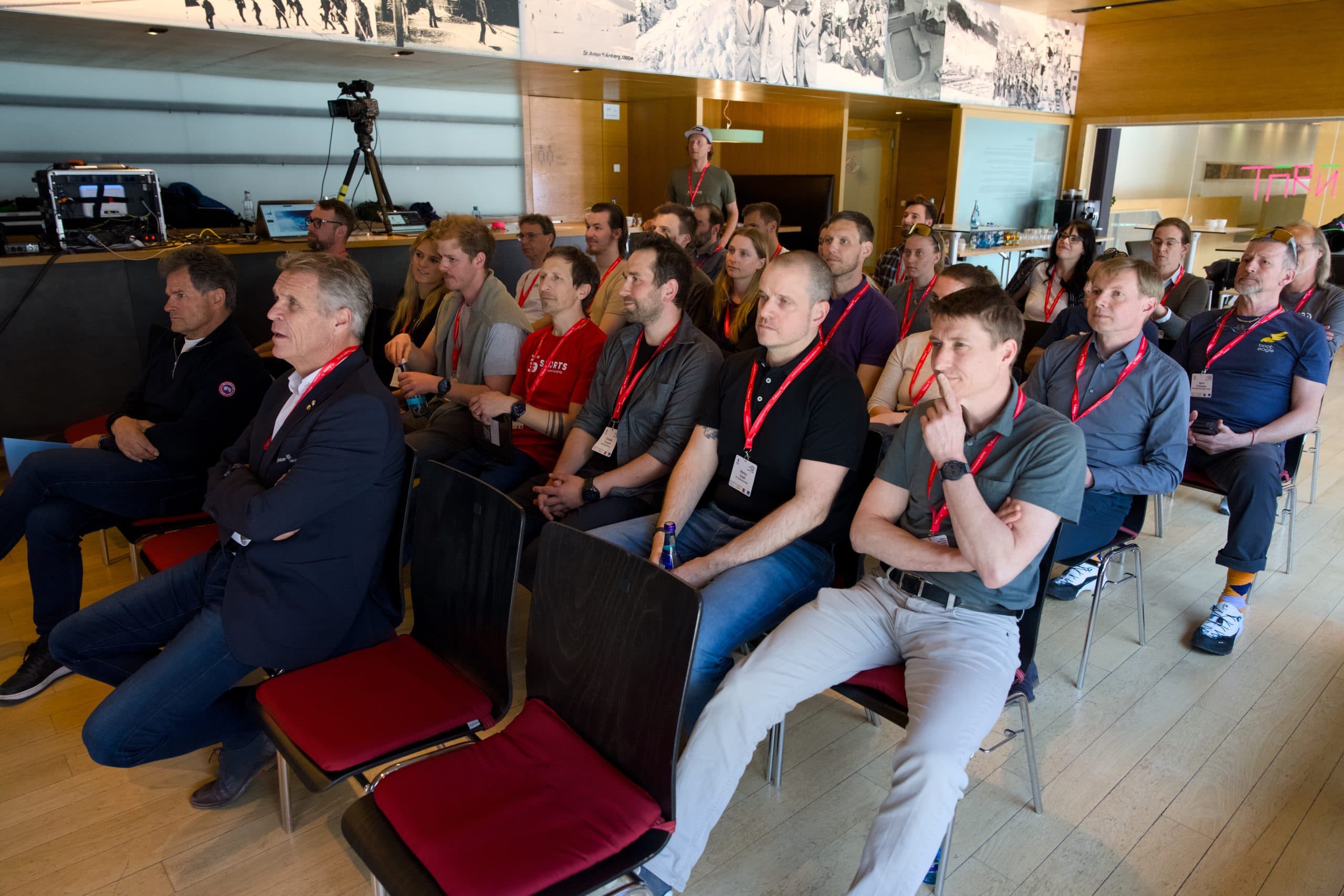
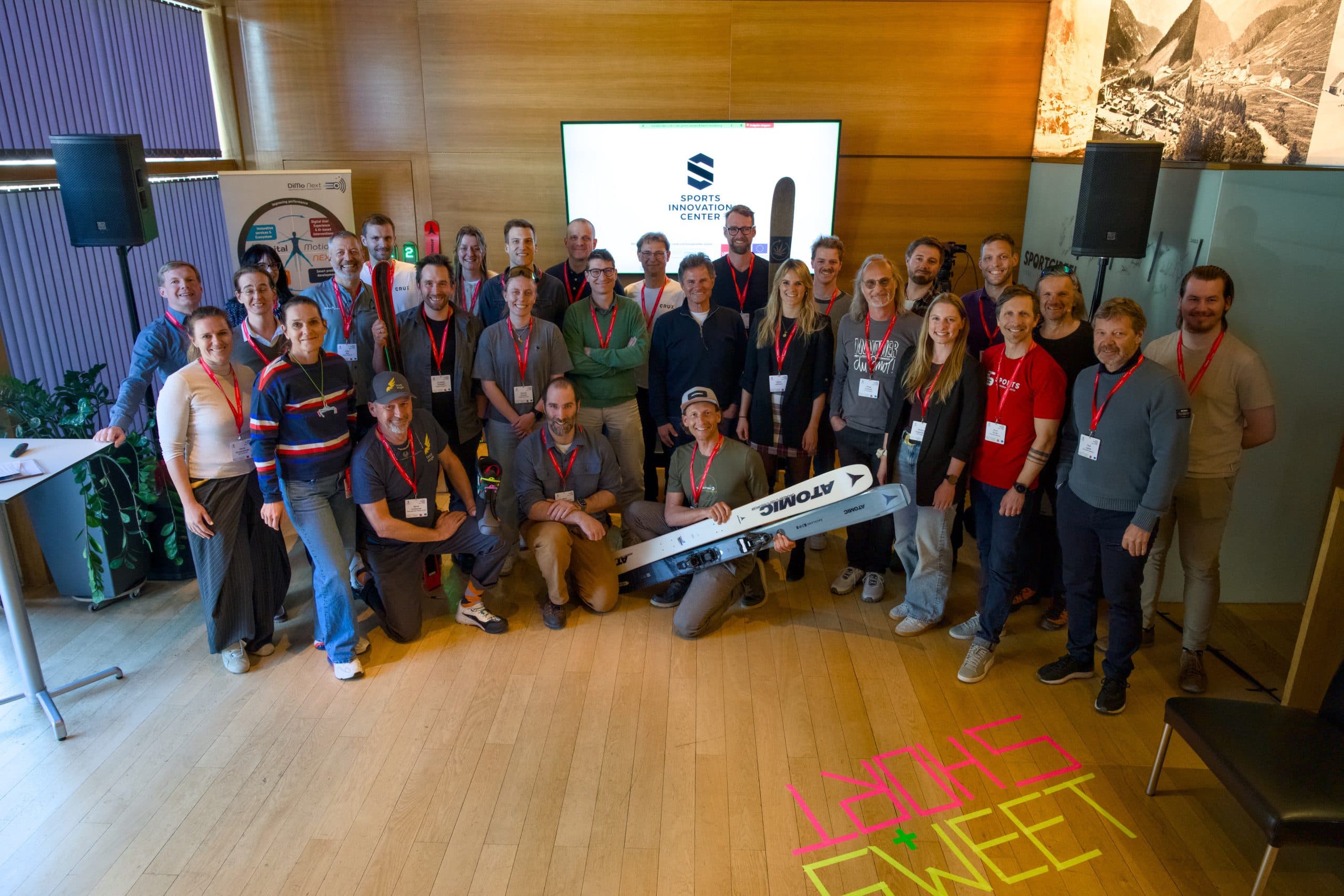
St. Anton am Arlberg has recently demonstrated just how closely the future and the present are intertwined in winter sports. At the Sports Innovation Summit, held from April 9 to 12, 2026, international experts from academia, industry, and associations gathered not only to present innovations but also to further develop them directly on the slopes and through collaborative discussion. “For us at UAS Technikum Wien), this was an invitation that will enable us in the future to make the bridge between research, education, and application even more robust,” says Stefan Litzenberger, who was on site together with Markus Eckelt. “A key element of this is the involvement of our students in the Bachelor’s program in Sports Engineering & Ergonomics and the Master’s program in Sports Technology.”
The Future of Winter Sports
What was particularly impressive was the quality of the dialogue: AI-powered motion analysis, sensor-equipped skis, sustainable materials, and data-driven training were not discussed as isolated projects, but as building blocks of an interconnected ecosystem. Although many ideas still need time to be implemented, it is clear that the future of winter sports will be more data-driven, connected, and sustainable—precisely where practice, research, and users come together. However, it also became clear that many of these ideas are already in the implementation phase.
Data, AI, and Technology as Drivers of Innovation
Presentations and workshops demonstrated how data, AI, and smart technologies are transforming alpine sports: from equipment development to performance and safety, all the way to new digital services. Platforms and projects such as Digital Motion, the Smart Tourism Hub, and Crowd in Motion AI demonstrated how data-driven insights, connected products, and realistic testing environments can be effectively combined—at the intersection of sports, sports equipment, tourism, and digital innovation.
Points of contact for UAS Technikum Wien
This opens up concrete opportunities for us at UAS Technikum Wien. During our discussions and in the workshop setting, ideas for joint studies, validations, and pilot projects emerged immediately. We see potential for working with companies and associations to bring prototypes into use more quickly, to provide methodologically sound support for field tests, and to develop data-driven decision-making frameworks—from sensor measurement setups to model validation. Our students benefit in two ways: they work on real-world problems and gain familiarity with technologies that will shape the industry of tomorrow. This is precisely where the added value lies when industry partners, research institutions, and universities work not just side by side, but together.
A Lot of Activity in the Market
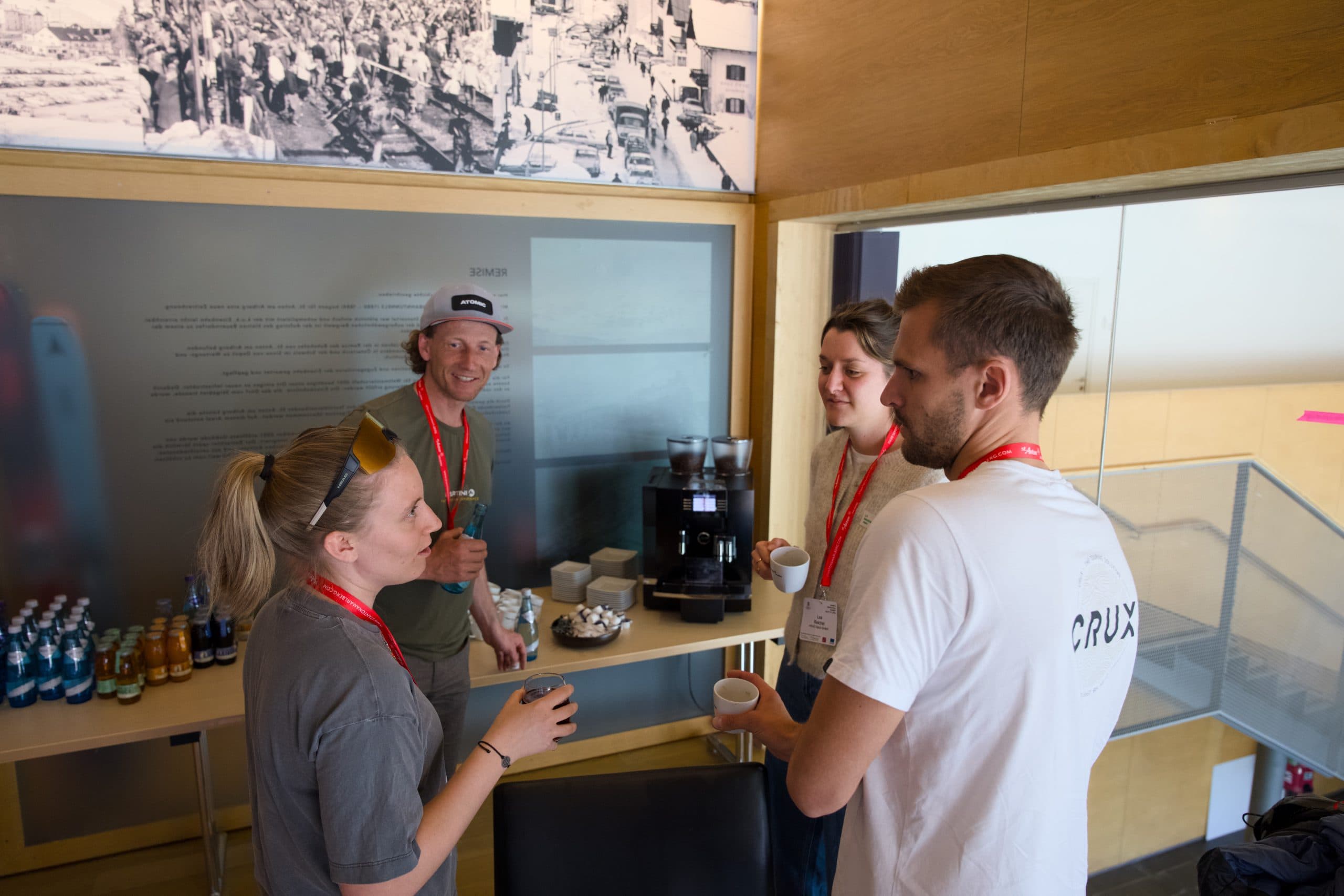
Special thanks go to Christoph Zarfl, his team, and partners who made the summit possible and organized it. The open exchange during two intensive days of workshops and the additional program activities have created new connections that we now intend to build upon in a targeted manner. The list of inspiring contributions is long—ranging from colleagues in industry and research to alumni who hold key leadership positions. They represent the innovative power that is active both within and beyond Austria. It is remarkable how much momentum can be generated in a comparatively small market when expertise, pragmatism, and curiosity come together.
Impetus for Teaching and Research
In terms of teaching, there were clear signs that the UASTW’s approach—featuring practice-oriented teaching projects with methodologically sound data collection, measurement and analysis setups suitable for outdoor use, translational work from hypothesis to implementation, and data literacy in a sports context—is the right path forward and well-suited for the future. For research, this means driving forward the validation and scaling of solutions together with partners—from the lab to the field and back again—to refine evidence and improve products. And for the industry, this opens up the opportunity to collaborate with our teams early in the development process: quickly, iteratively, and evidence-based.
The Sports Innovation Summit was more than a stage for new technologies. It was a workspace where ideas became potential roadmaps. The next steps now involve weaving together the threads established at the summit, initiating concrete collaboration projects with industry and associations, and opening these projects specifically to our students. Anyone who wants to work at the intersection of sports, technology, and application will find the perfect launchpad here.
Stefan Litzenberger: “Thank you for allowing us from UAS Technikum Wien to be here. We are excited about the projects that will emerge from the discussions and ideas developed. It was great to see many familiar faces—and to meet new ones. This is exactly what sports innovation in action feels like.”