Energy Flexibility & Efficiency: International BIP Week with Partner Universities from Europe and Asia
13 May, 2026
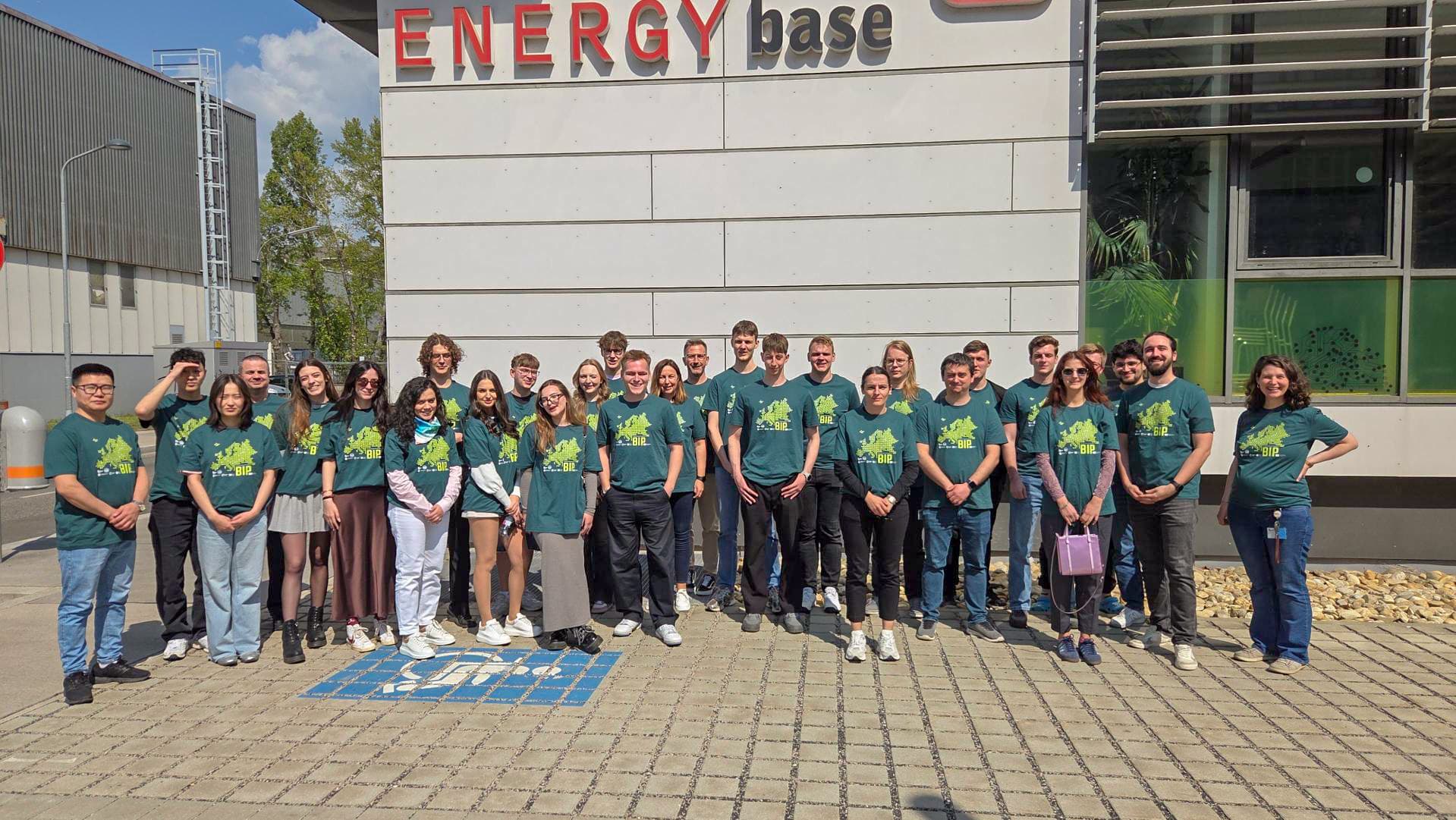
A week filled with expert insights, hands-on lab work, and energy best practices: Around 30 international students visited UAS Technikum Wien.
In the Blended Intensive Program (BIP) “Energy Flexibility and Energy Efficiency”, approximately 30 international students and faculty members at UAS Technikum Wien explored key issues related to the future of sustainable energy—ranging from system flexibility and efficiency to practical applications in urban energy systems. David Sengl, Manuel Trampert, and Constanze Frech played a key role in organizing this BIP week.
From April 12 to 18, 2026, students and faculty gathered at the Höchstädtplatz campus and at the ENERGYbase at UAS Technikum Wien to combine theory, application, and discussion in a compact format. Following opening remarks, a welcome breakfast, and an introductory session at the International Office of UAS Technikum Wien, a campus tour and a smart city tour took place. The program then shifted to initial thematic focuses on Vienna’s energy transition.
Over the following days, lectures, group work, excursions, and lab sessions alternated: A serious gaming format by Simon Schneider opened up new perspectives on decision-making processes in energy systems, Emil Cazacu used the example of “Operation of power transformers that supply residential complexes” to demonstrate the role transformers play in ensuring supply security and efficiency in residential areas, and an online presentation by Paweł Lont and Klaudia Zielińska-Lont highlighted the flexibility of the EU natural gas market in turbulent times. At the same time, students worked on projects in internationally diverse teams, prepared posters, and provided each other with structured feedback.
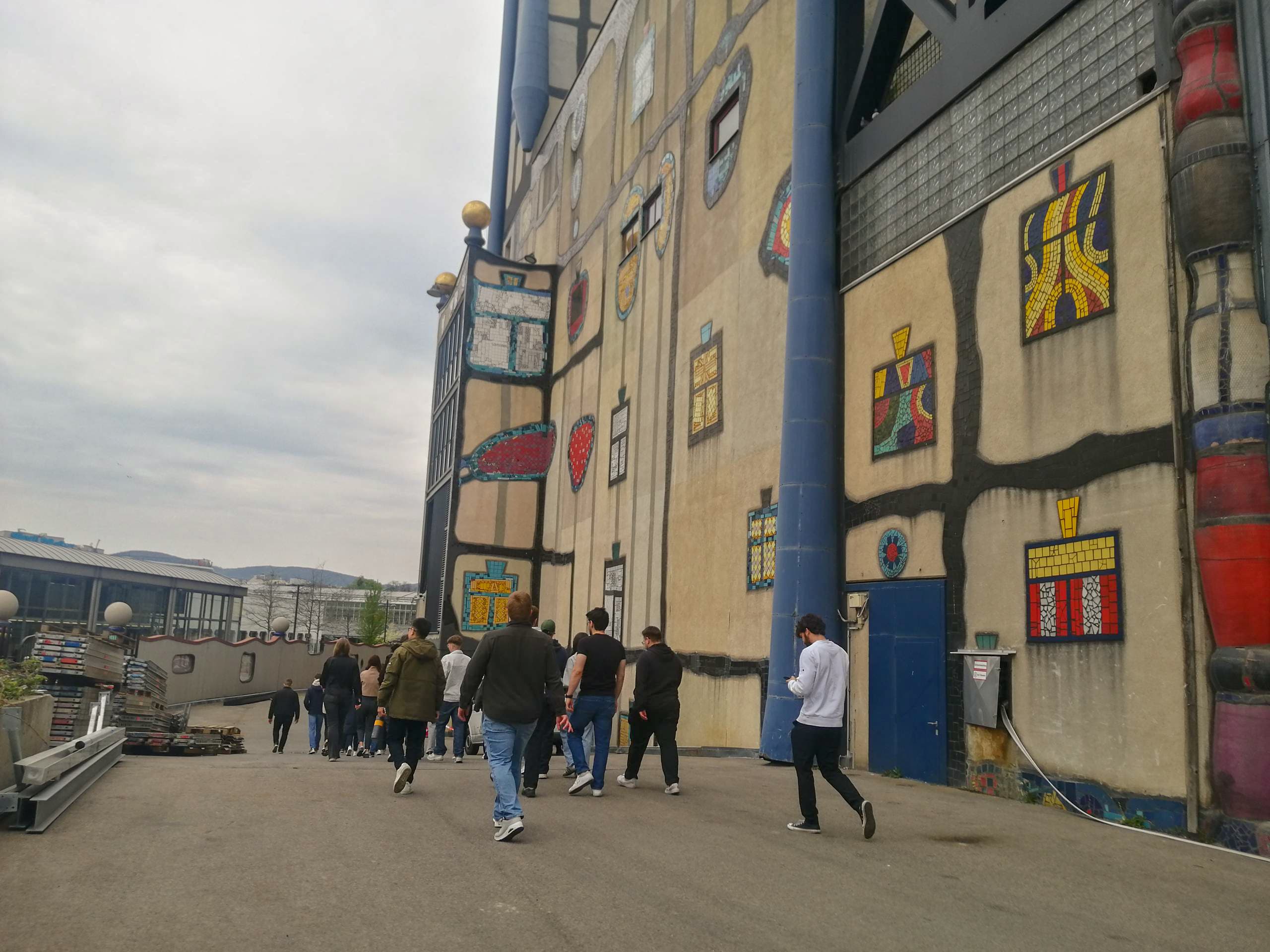
Field trip to the Spittelau district heating plant
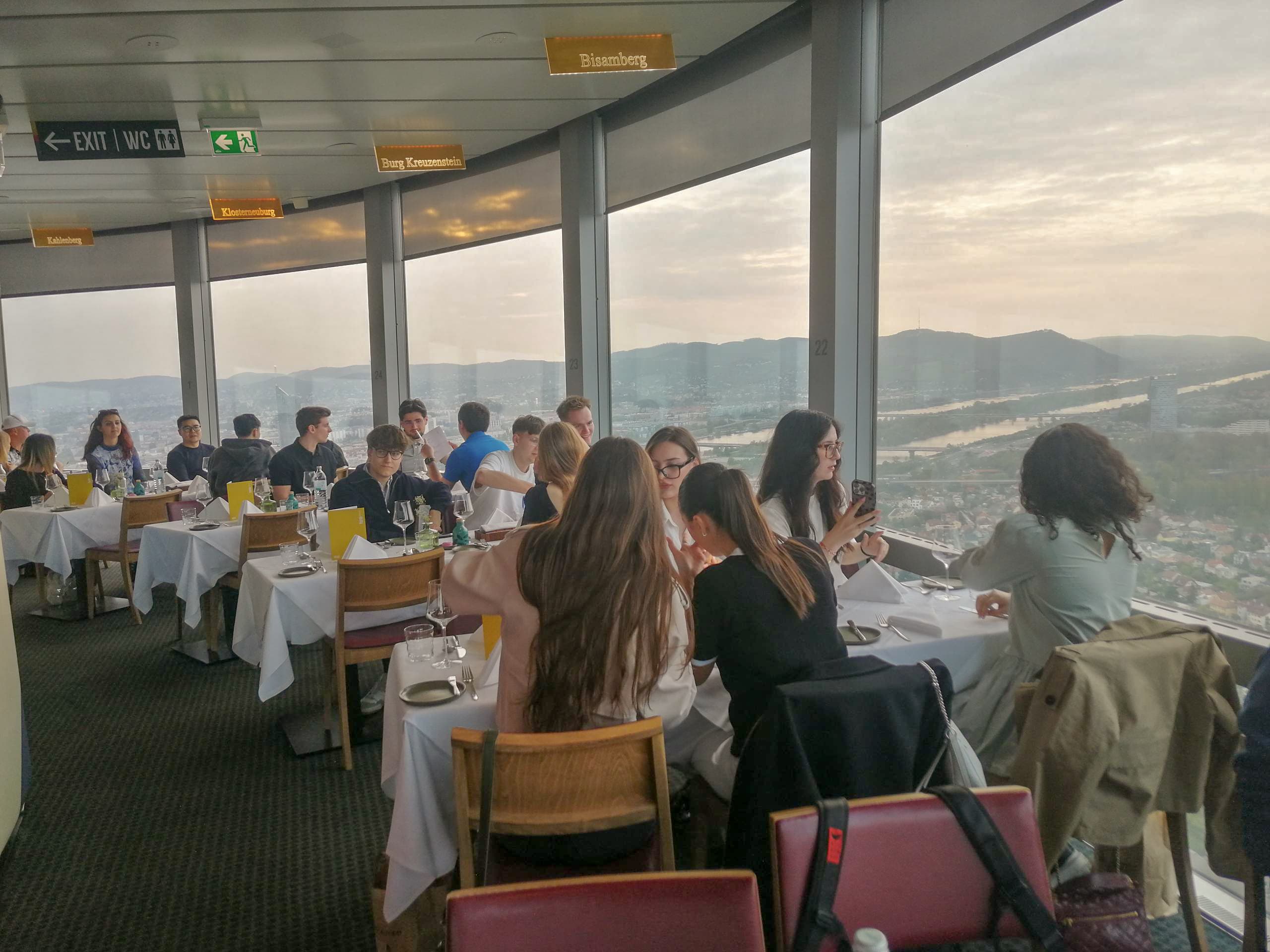
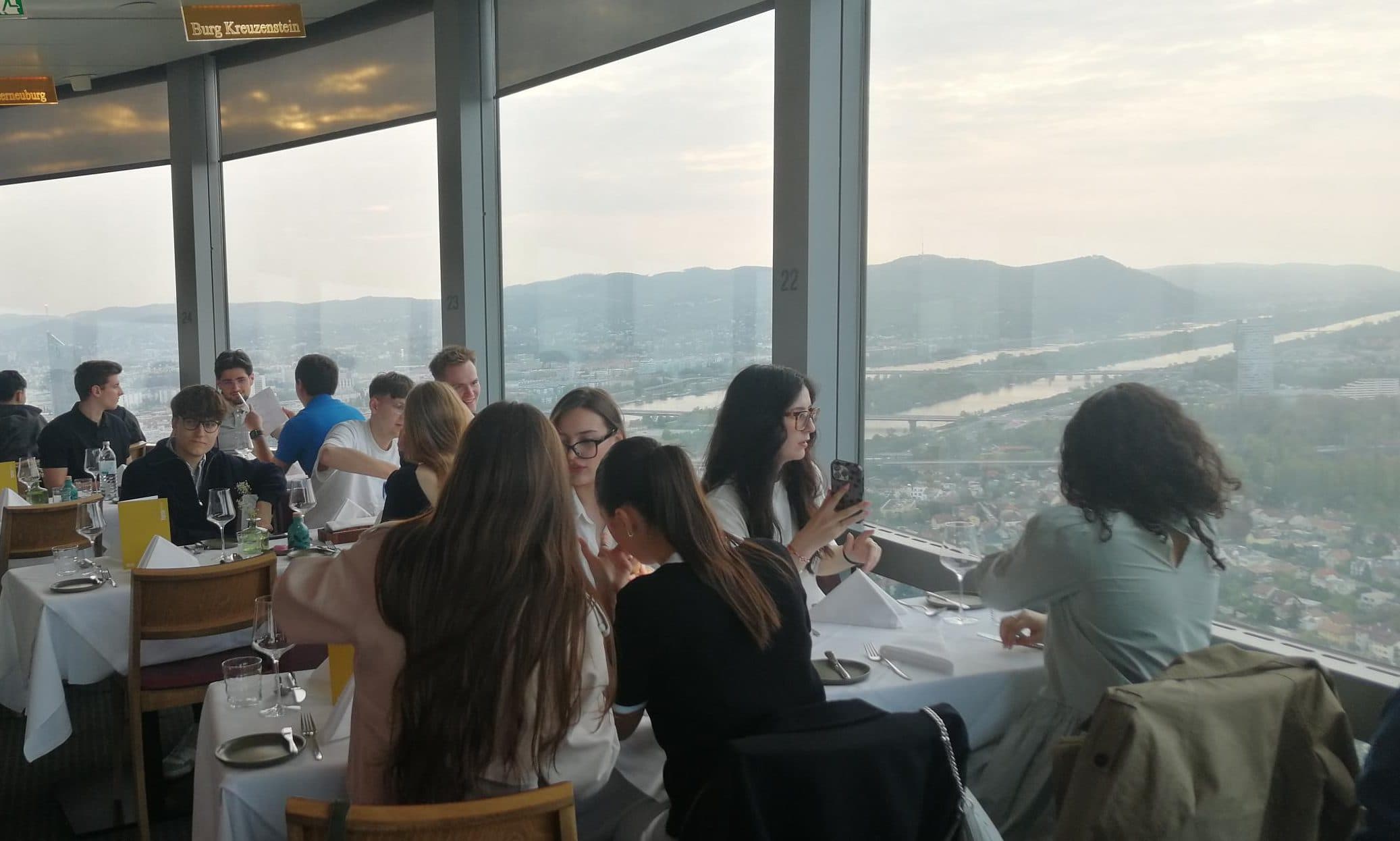
Practical experience was also a key focus: A field trip to the Spittelau district heating plant illustrated the integration of waste-to-energy, district heating, and urban utilities, while a guided tour of the EnergyBase campus—including a lab exercise—bridged the gap between theory and measurement, analysis, and application. The week was rounded off by student events such as bowling and a group dinner at Vienna’s Danube Tower, before presentations, a summary of learning outcomes, and coffee with Austrian pastries brought the program to a close.
The BIP was organized in collaboration with the following partner universities from Europe and Asia:
The international mix fostered diverse perspectives, brought together best-practice examples, and created a vibrant culture of discussion across disciplinary and national boundaries.
Further Information:

Picture Gallery: