Novel Approaches to Surfactant Delivery in Premature Infants
28 October, 2025
Using a novel simulation method, a research team at UAS Technikum Wien has succeeded in analyzing the effect of surfactant under natural breathing conditions. The findings open up prospects for clinical innovations in neonatology.
A research team at UAS Technikum Wien, in partnership with the Medical University of Vienna and the University of Veterinary Medicine Vienna, has completed comprehensive research investigating innovative methods for delivering life-saving surfactant therapy to premature infants. This three-year collaborative study contributes valuable insights to neonatal respiratory care, offering potential alternatives to invasive treatment approaches for one of medicine’s most vulnerable patient populations.
Innovative Research Methodology
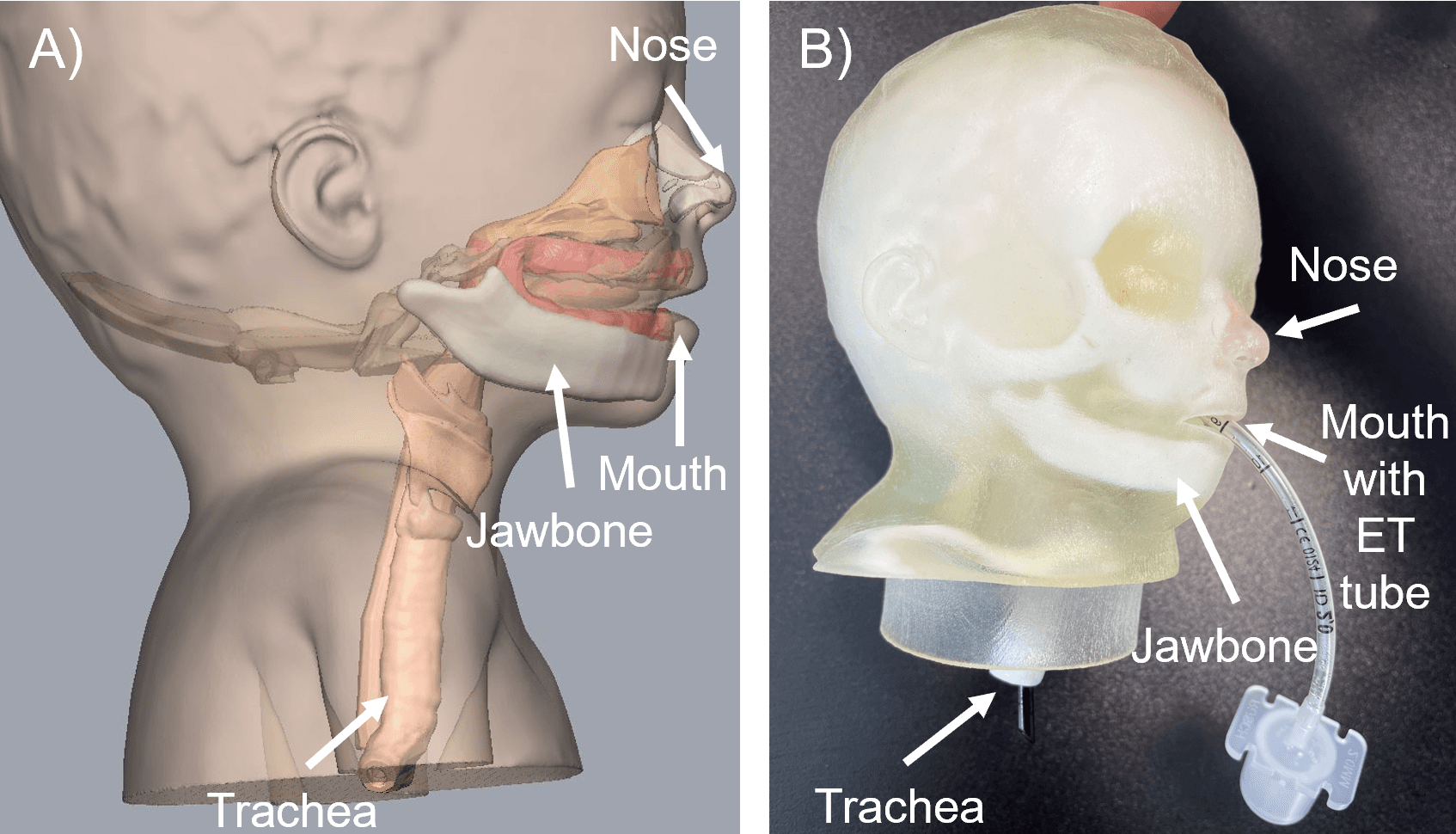
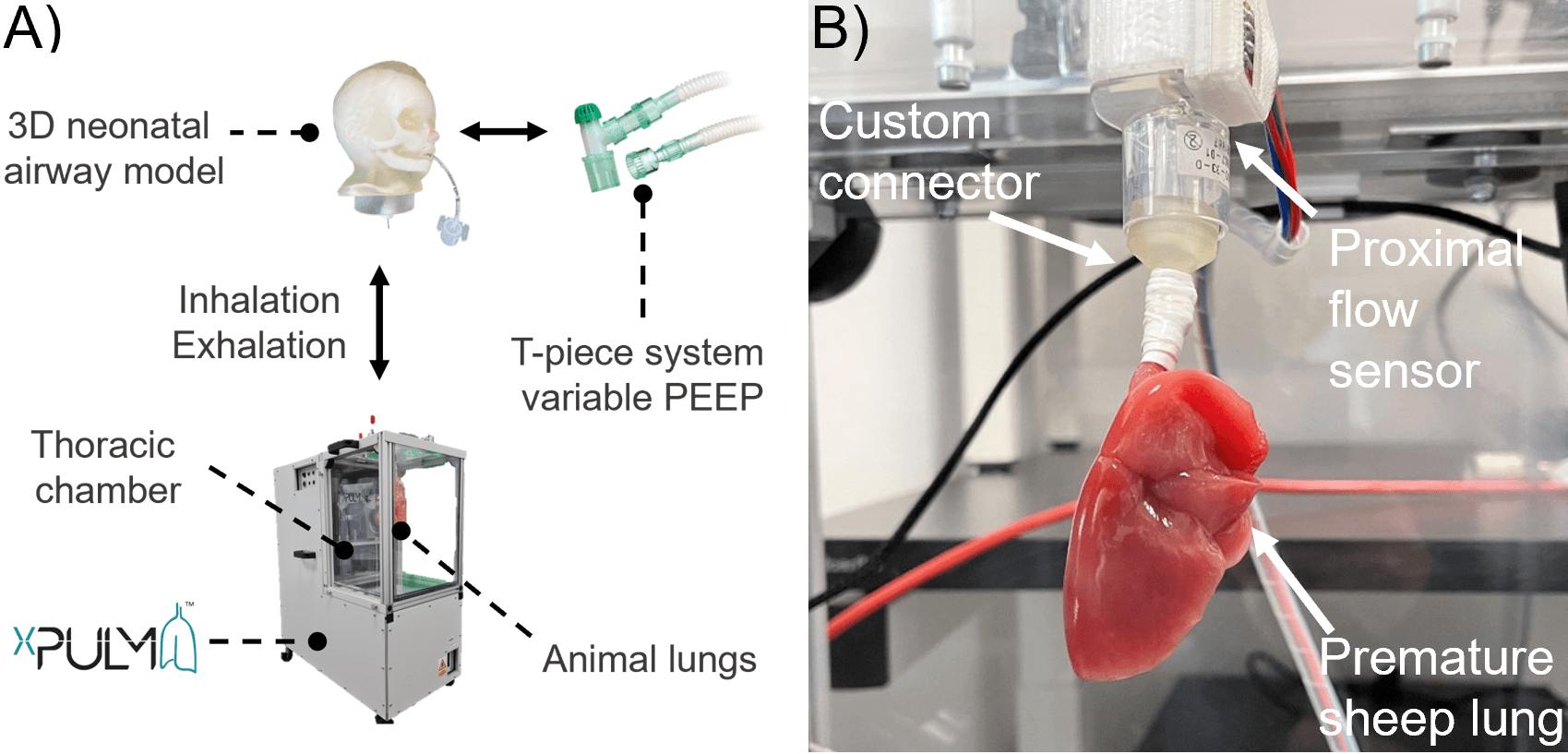
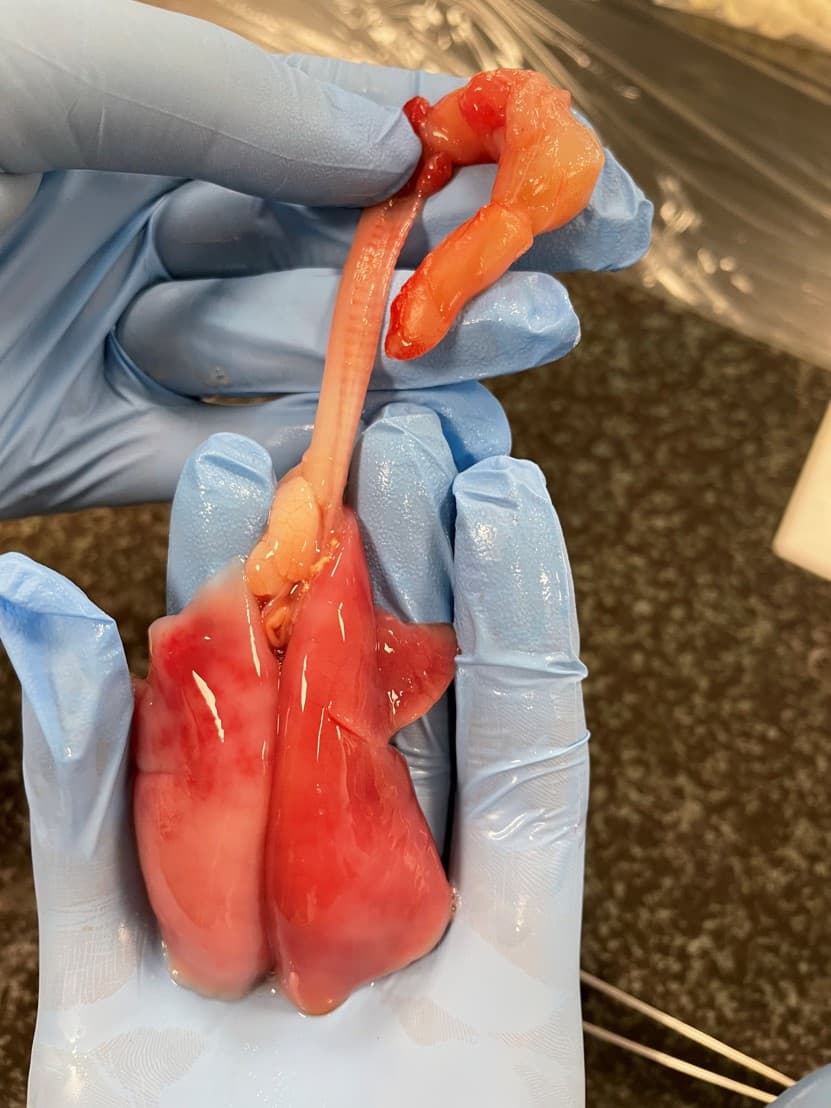
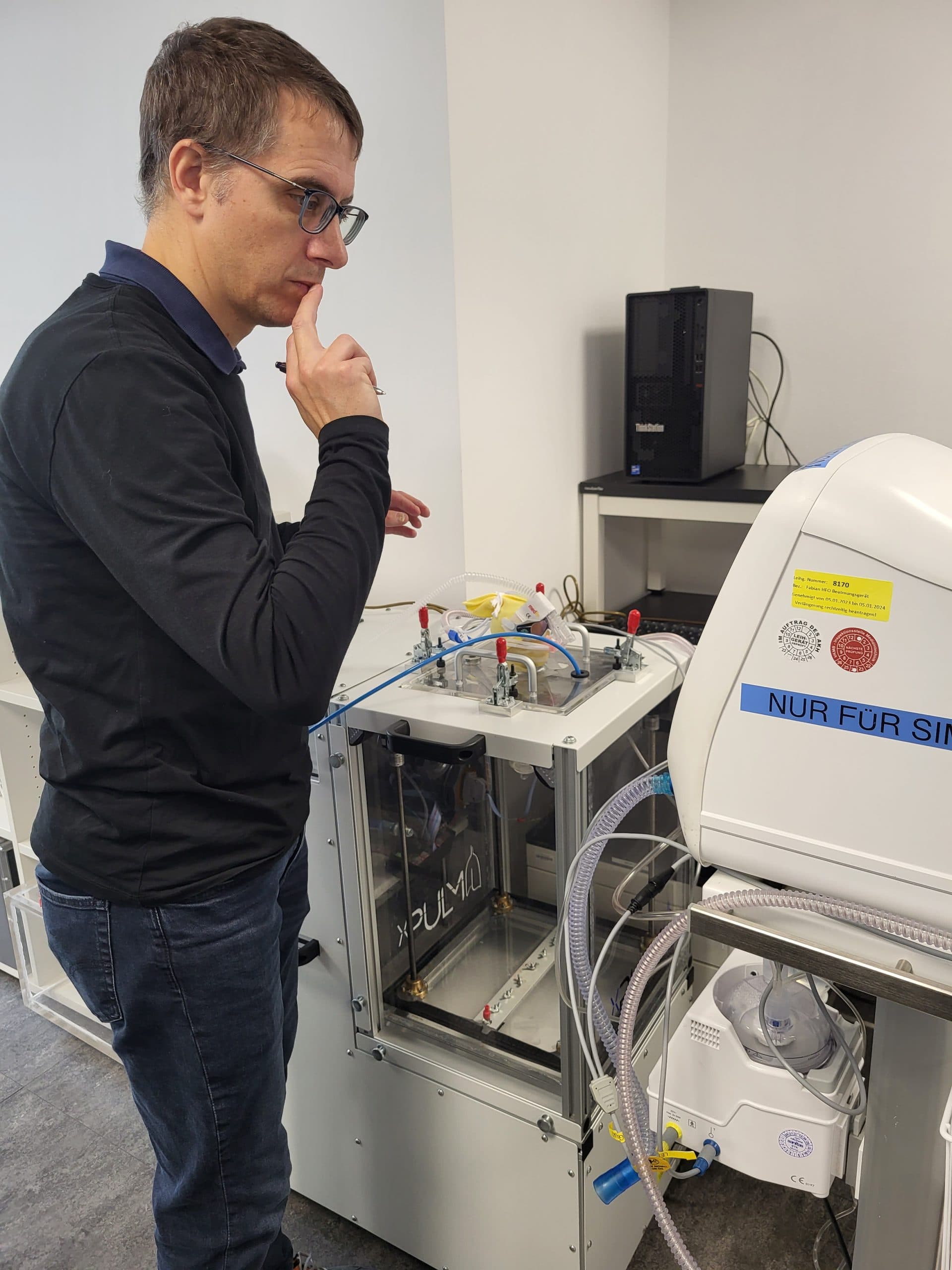
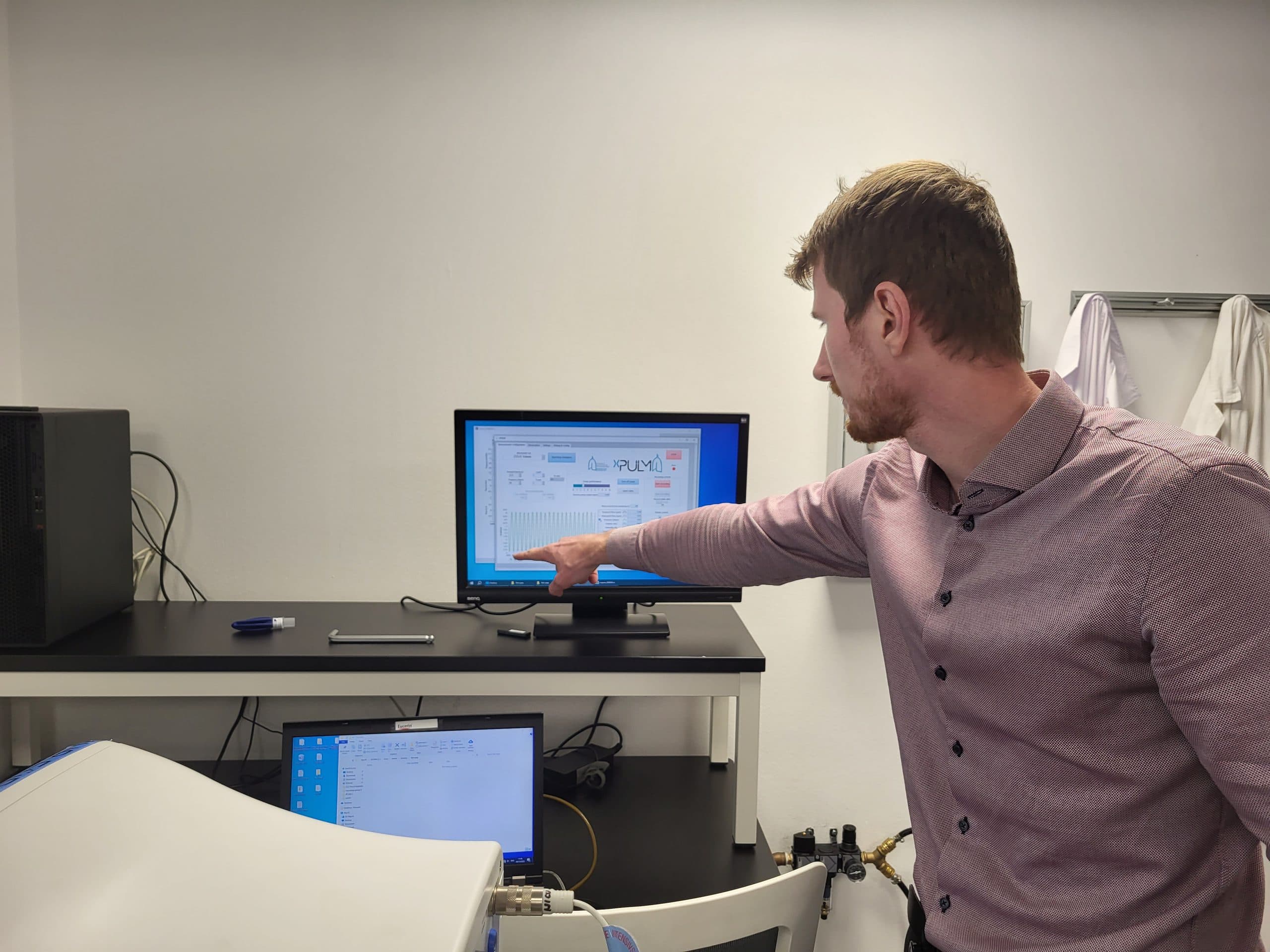
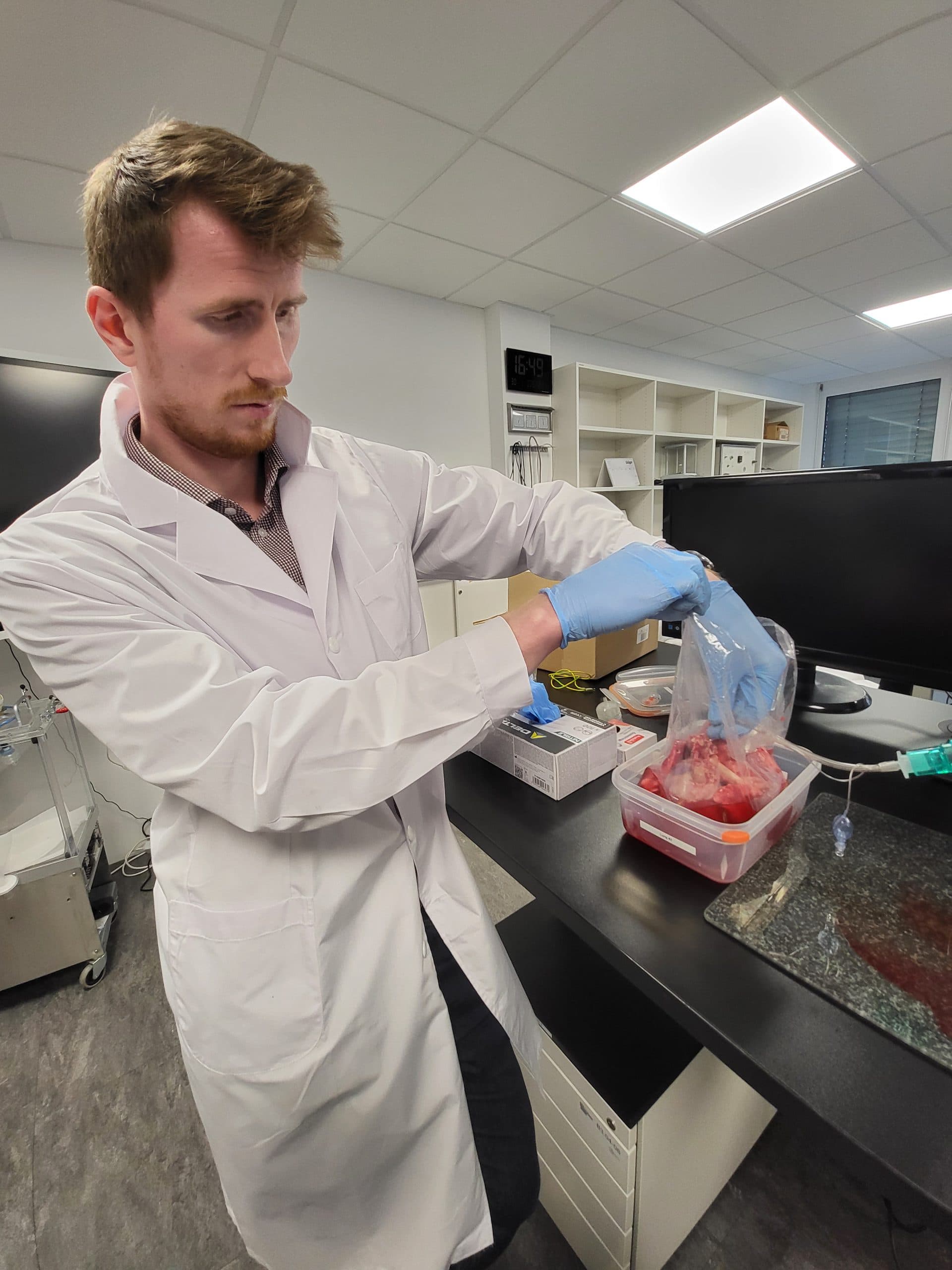
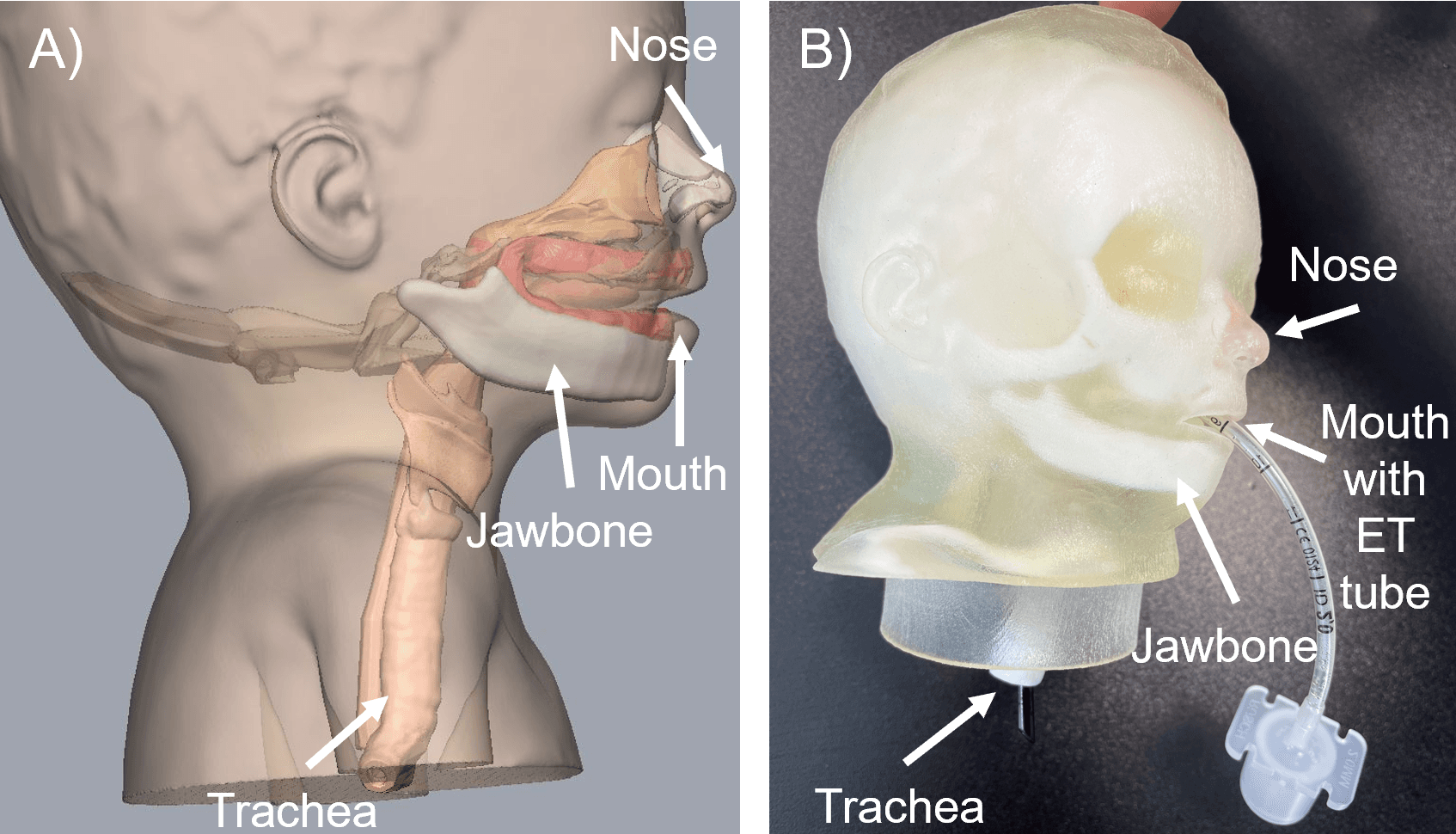
The study utilized our proprietary xPULM lung simulator, an innovative in-house developed system specifically adapted to replicate the delicate respiratory conditions of premature infants. This unique simulator enabled researchers to conduct ethically sound investigations using ex-vivo premature sheep lungs, which are extremely rare biological models that accurately represent the immature respiratory systems of preterm newborns.
The xPULM simulator’s unique capability to mimic spontaneous breathing provided unprecedented insights into how different surfactant delivery methods perform under realistic physiological conditions, eliminating the need for invasive animal testing while maintaining scientific rigor.
Key Research Findings
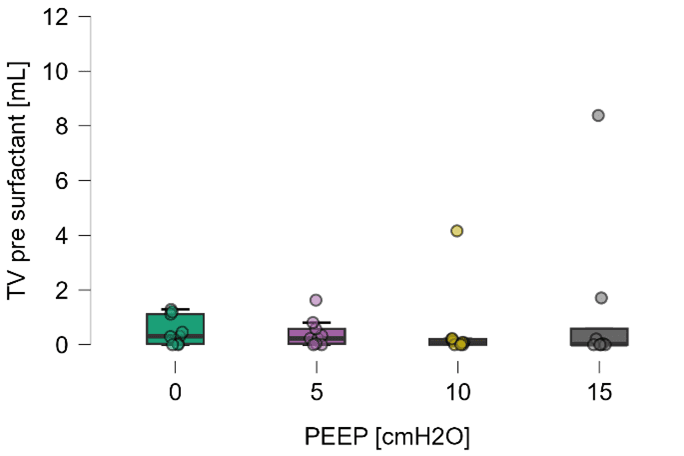
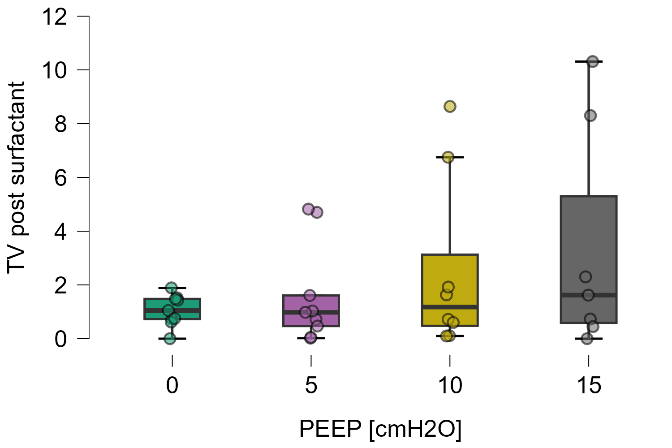
Our investigations revealed surfactant administration as the primary driver of improved lung function in premature respiratory systems, much more so than adjusting the pressure in the lung. The research demonstrated that both traditional bolus injection and innovative nebulized delivery methods resulted in substantial improvements in tidal volume, a critical measure of respiratory function, when compared to baseline conditions without surfactant treatment.Clinical Implications and Future Impact
This research addresses a critical need in neonatal intensive care, where respiratory distress syndrome affects thousands of premature infants annually. Traditional surfactant delivery requires invasive or semi-invasive techniques and mechanical ventilation procedures that carry inherent risks for extremely fragile patients. Our findings support the development of less invasive treatment approaches that could reduce complications while maintaining therapeutic effectiveness.
The study’s methodology also demonstrates the potential for replacing traditional animal testing with sophisticated simulation models, aligning with the 3R principles (Replace, Reduce, Refine) in medical research.
Scientific Recognition and Publication
The collaborative findings have been published in high-impact, Q1-ranked pediatric journals, ensuring broad dissemination within the international community. The research was supported by the European Society for Paediatric Research, reflecting its significance to the global neonatal care community.
Lead researcher Richard Pasteka was honored with the Best PhD Award from the Austrian Society for Biomedical Engineering for his contributions to respiratory system modeling for clinical applications.
„For medical engineers, the greatest reward is seeing innovation translate into better patient care. At UAS Technikum Wien, we’re proud to collaborate with MUW on advanced lung models that address real clinical challenges and help improve care for preterm infants“, says Pasteka.
Best Practice Example for Institutional Collaboration
This project exemplifies the power of interdisciplinary collaboration, bringing together expertise from:
- UAS Technikum Wien: Advanced biomedical engineering and lung simulation technology
- Medical University of Vienna: Clinical neonatology expertise and patient care insights
- University of Veterinary Medicine Vienna: Specialized knowledge in comparative respiratory physiology of ex-vivo models
The success of this partnership demonstrates how academic institutions can combine their unique strengths to address complex medical challenges and advance patient care.
This important work positions UAS Technikum Wien as a leader in respiratory simulation technology while contributing meaningfully to improved outcomes for the world’s most vulnerable patients—premature infants fighting for every breath.
According to senior physician Tobias Werther (main cooperation partner, Medical University of Vienna), “clinical studies with premature babies are both an ethical challenge and costly. We are pleased to collaborate with UAS Technikum Wien on developing advanced lung models that allow us to explore new and gentler ways to treat our most vulnerable patients.“
For detailed methodology and complete findings, the full research publications are available through the respective journal platforms.
About FH Technikum Wien
UAS Technikum Wien is Austria’s university of applied sciences for technology and digitalization. Since its founding in 1994, it has produced around 18,000 graduates. Currently, more than 4,700 students, including more than 1,000 women, are being trained in more than 30 bachelor’s and master’s degree programs to become top executives for the economy. The degree programs are offered in daytime or evening formats. The courses are scientifically sound and at the same time practical. In addition to high-quality technical training, great importance is also attached to economic and personality-building subjects. Excellent contacts and cooperation with business and industry open up the best career opportunities for students and graduates. Both in teaching and research, the integration of theory and practice is a top priority.
UAS Technikum Wien is a network partner of FEEI – the Austrian Electrical and Electronics Industry Association and a member of the Sustainable Universities Alliance.
Further information about UAS Technikum Wien: www.technikum-wien.at
Further Information:
Medical University of Vienna
Veterinary University of Vienna
Lung simulator xPULM
[1] R. Pasteka, L. Hufnagl, M. Forjan, A. Berger, T. Werther, and M. Wagner, ‘Positive end-expiratory pressure and surfactant administration mode influence function in ex-vivo premature sheep lungs’, Acta Paediatrica, vol. 113, no. 4, pp. 722–730, 2024, doi: 10.1111/apa.17083. [2]
R. Pasteka et al., ‘Surfactant Delivery Is Crucial for Enhancing Function of Ex‐Vivo Premature Sheep Lungs: A Feasibility Study’, Pediatric Pulmonology, vol. 60, no. 7, p. e71205, July 2025, doi: 10.1002/ppul.71205.
Contact for inquiries:

Marketing & Communications
Picture Gallery: