Urban Future. The Better-Cities Event 2026 in Ljubljana: Rethinking the Urban Circular Economy with the Circular Pizza Workshop
13 April, 2026
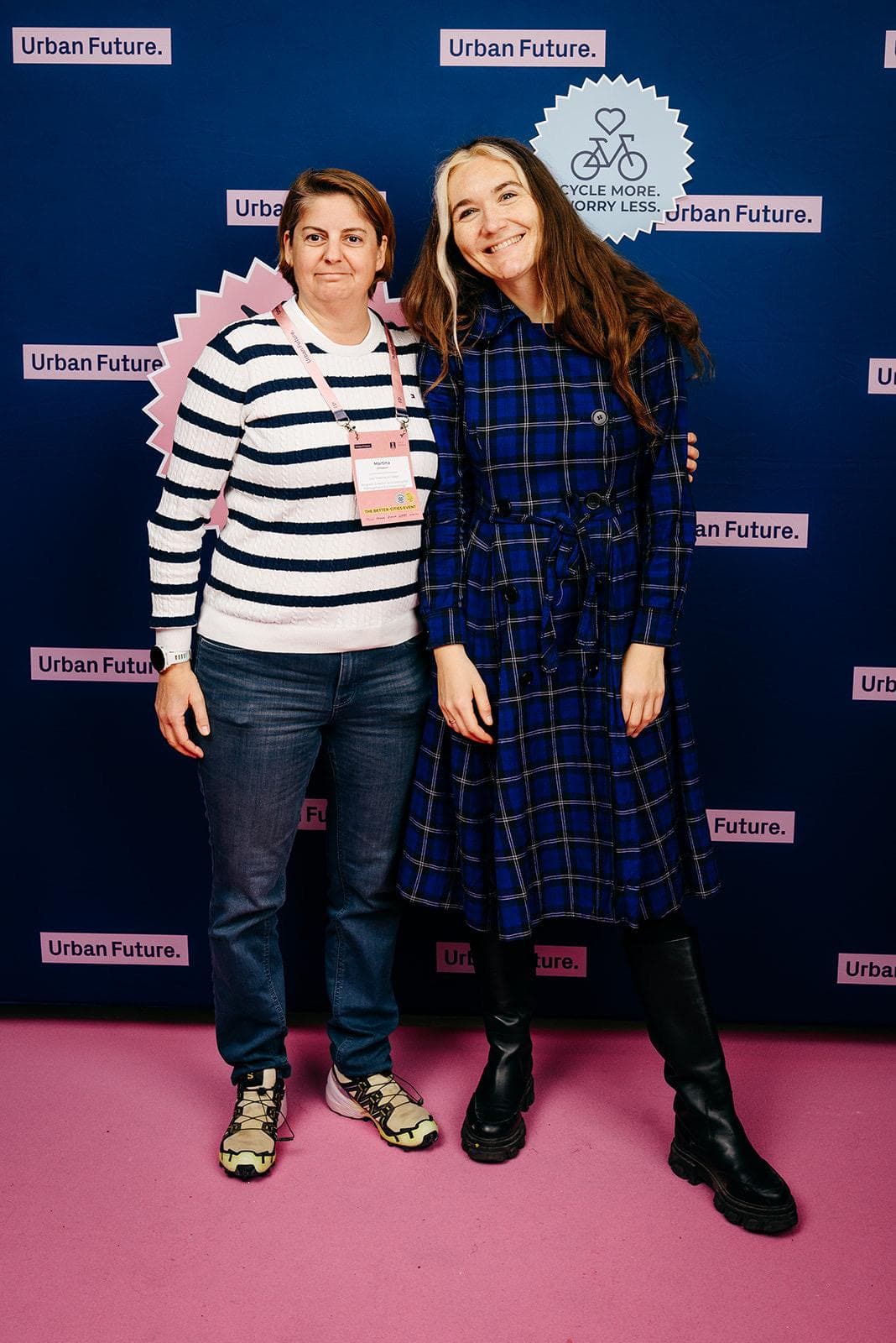
Christine Bertl and Martina Ortbauer represented UAS Technikum Wien at the conference in Slovenia.
Urban Future. The Better-Cities Event is a conference that brings together experts and decision-makers in urban development (future urban living). Topics include green space design, mobility, climate protection, and the circular economy. In addition to lectures and panel discussions, the focus is on practical workshops and professional exchange.
Martina Ortbauer (STGL Environmental Management & Ecotoxicology) and Christine Bertl (KF CEE) engaged in an intensive international exchange at the Urban Future conference. The “City of the Future and Urban Life” are integral components of the ILV Applied Ecology and Circular Economy program and firmly anchored in the curriculum. With Bertl’s “Circular Pizza” workshop, they showcased applied circular economy in a practical setting.
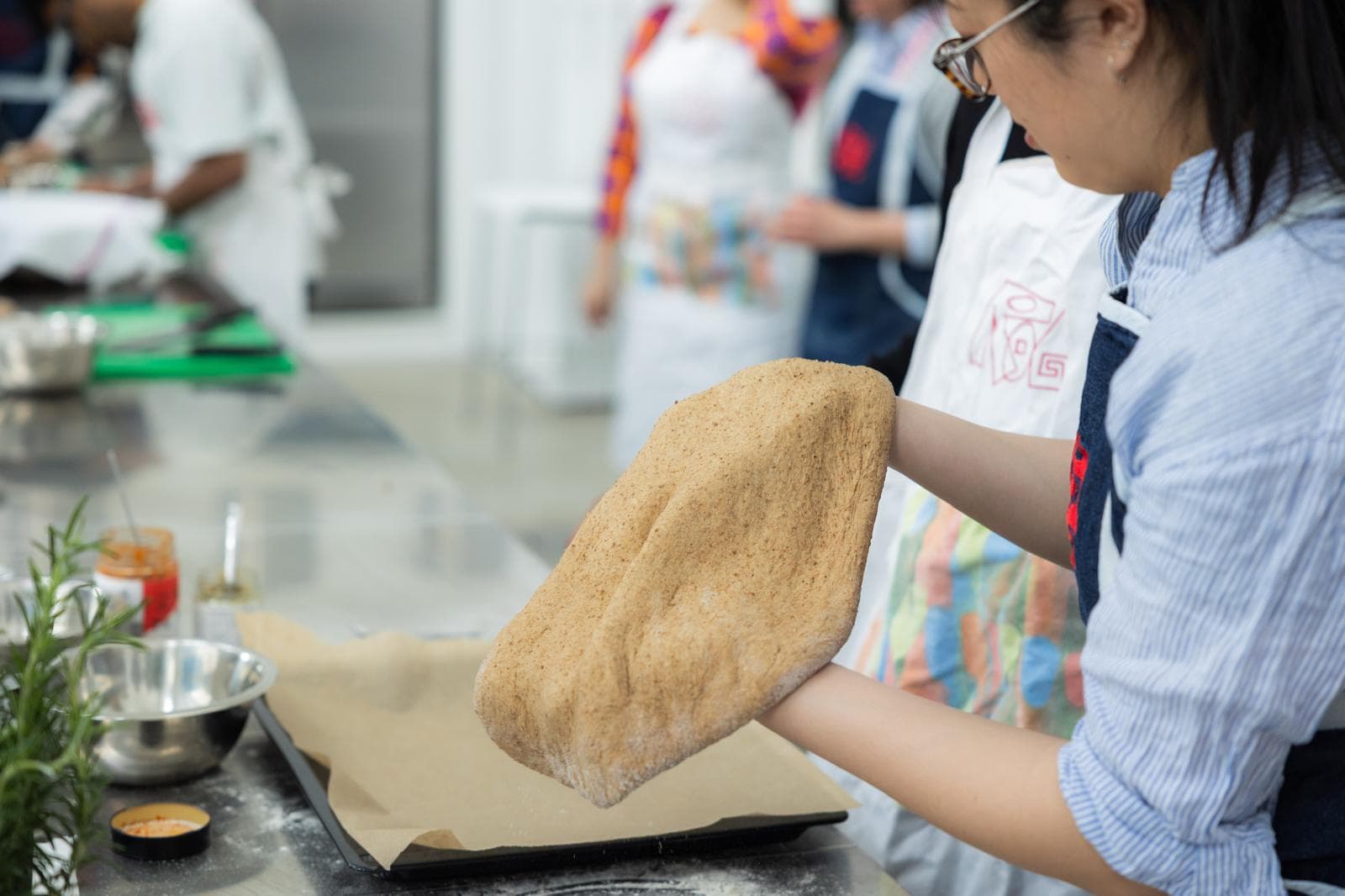
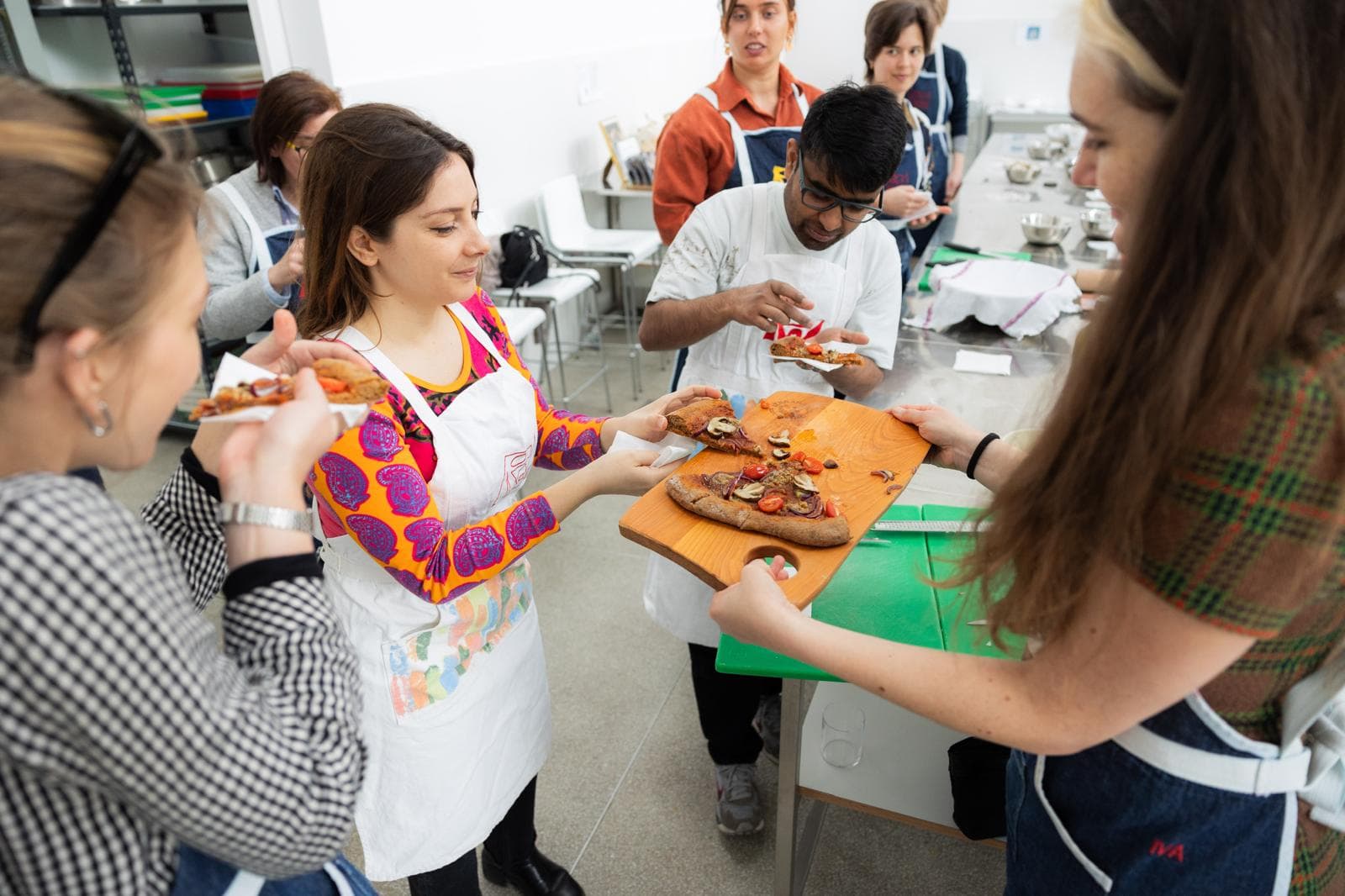
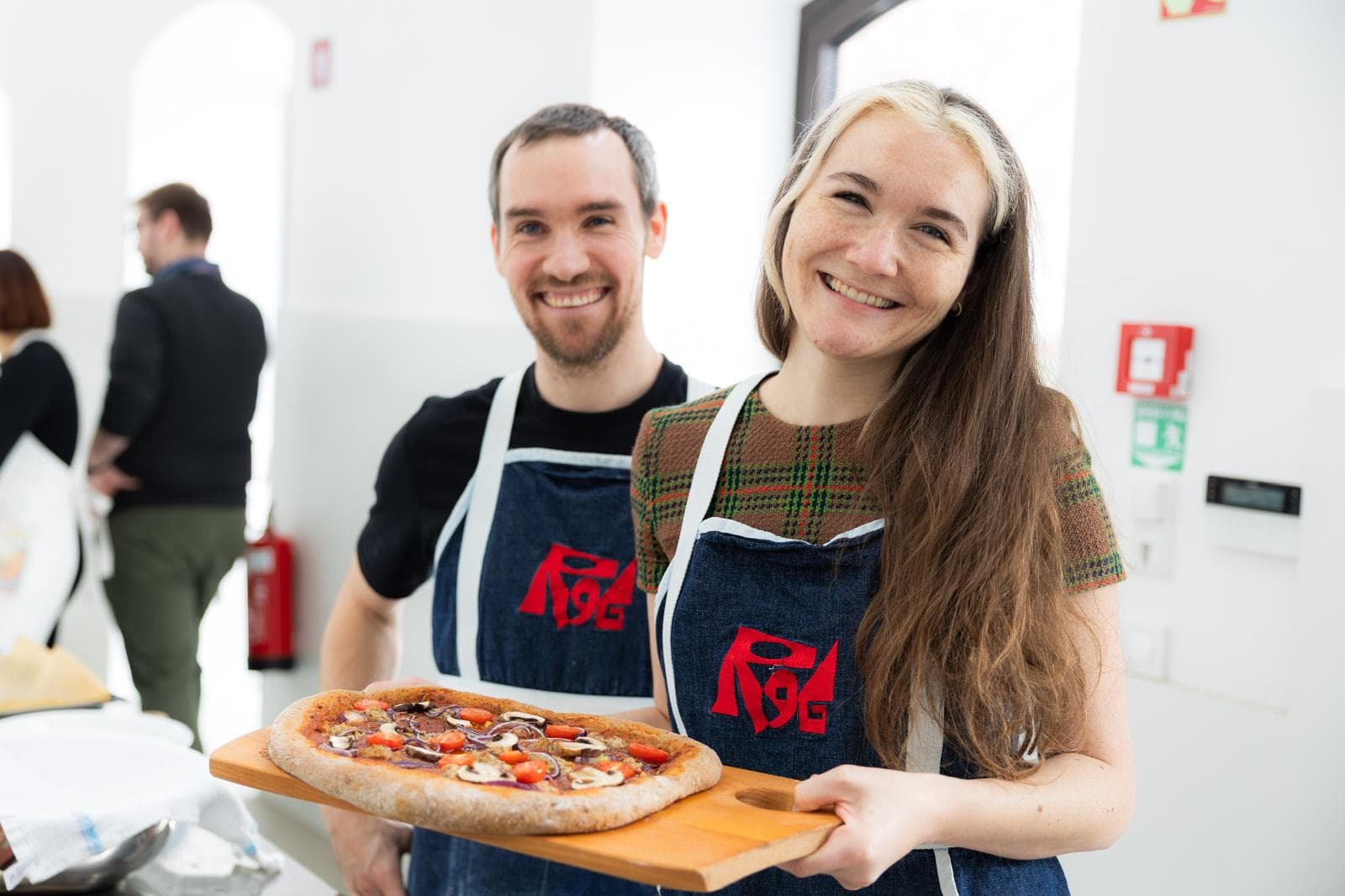
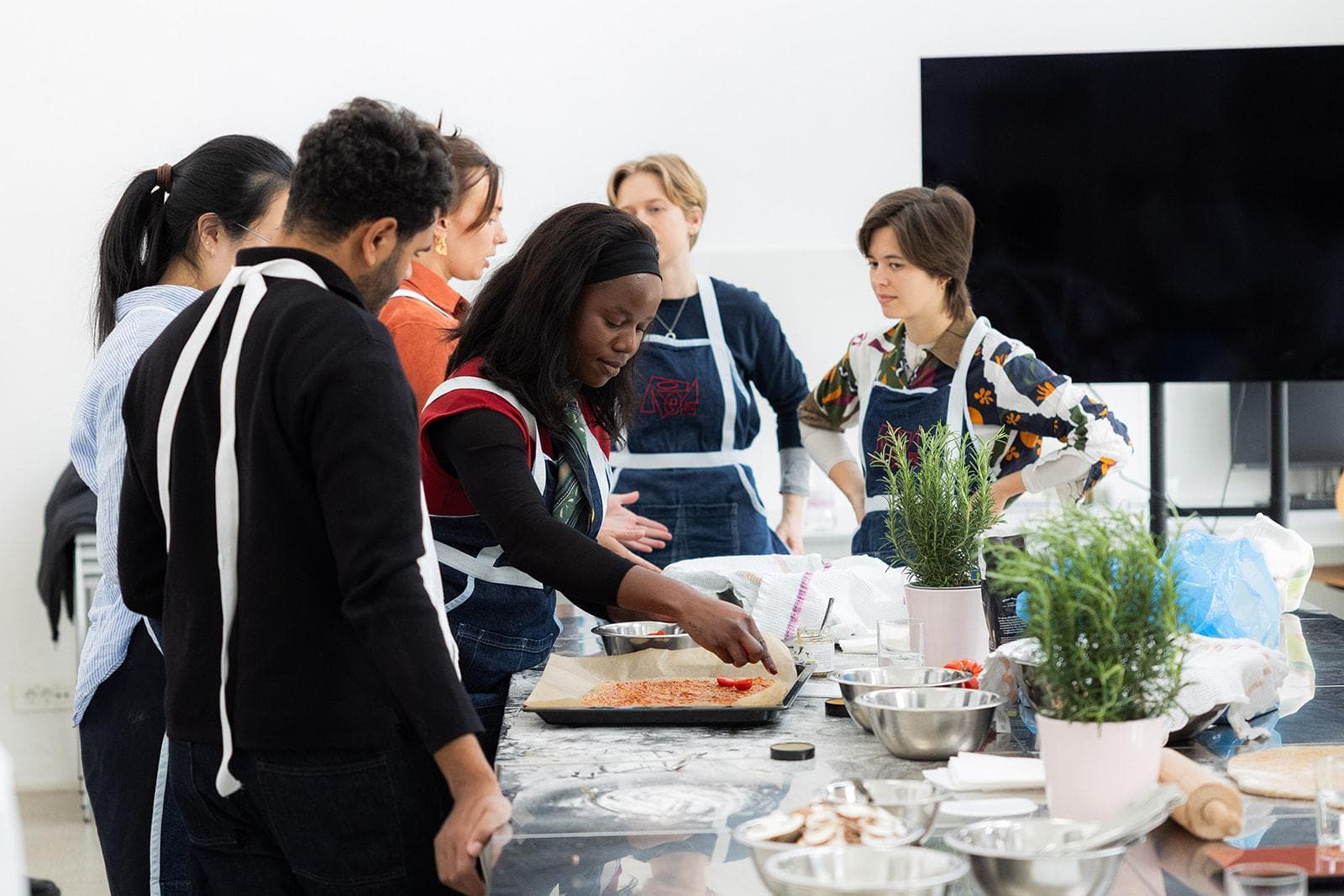
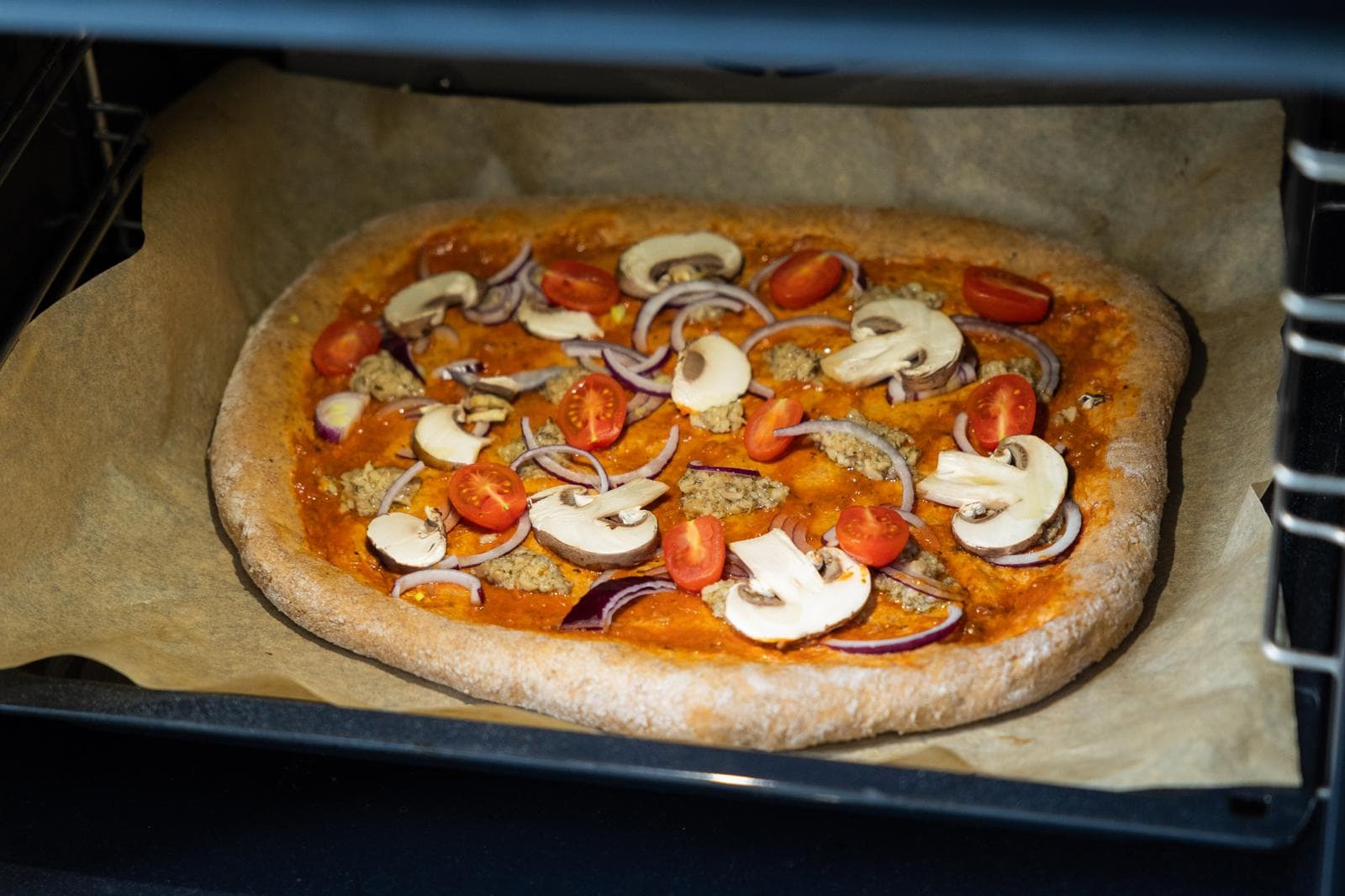
Circular Pizza Workshop
The Environmental Management & Ecotoxicology program was represented at Urban Future 2026 in Ljubljana with a practical contribution: Lecturer Christine Bertl held the “Circular Pizza Brunch” workshop, which she designed, as a field trip at the Center Rog. Represented by the program director Martina Ortbauer, the event served as an international showcase for the FH Technikum Wien’s Master’s program in Environmental Management & Ecotoxicology, which has integrated the circular economy into its curriculum.
Raising awareness about local surplus and leftover ingredients
The “Circular Pizza Brunch” workshop is designed as an interactive, vegan-friendly format that makes sustainable resource use tangible through hands-on experience. The approach focuses not only on creative use of leftovers but also on science communication and raising awareness: participants learn to reevaluate waste materials as resources and make better use of their potential. The focus is on best practices for reducing food waste, regional value creation, and the principles of the circular economy.
Further Information