
Embedded & Cyber-Physical Systems
Research Focus at UAS Technikum Wien
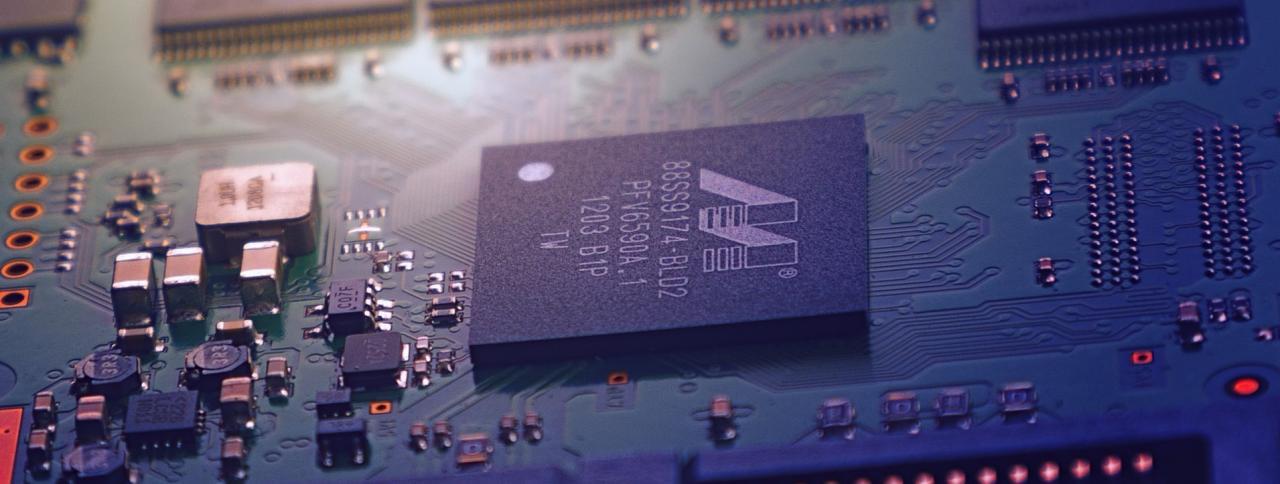
The term “Embedded Systems” refers to computer systems embedded in electronic and mechatronic devices that are responsible for their control or intelligence, usually hidden from the users. Today, they can be found in mobile phones and cars, as well as in household appliances, consumer electronics and many more. Computer technology therefore has already found its way into a wide range of everyday devices, often without being recognized as a computer. By connecting the physical world to the “Cyberspace” using state-of-the-art computer network technologies, embedded systems have evolved over time into what is known as a “Cyber-physical System” that penetrate our world on a massive scale. As a key feature of many embedded and cyber-physical systems, system parameters such as reliability, real-time capability, power consumption etc. … are often tailored to the needs of a specific application. The interconnection of physical devices (“Things”) in a network-like structure is today often referred to as the “Internet of Things” (IoT).
Since over two decades, the University of Applied Sciences Technikum Wien is engaged in applied research concerning the design, verification and test of embedded and cyber-physical systems, both on hardware and software level. A large number of R&D projects, supported by public funding bodies (FFG, EU, CDG, regional funding from the City of Vienna, etc.) or commissioned directly by industry, as well as numerous scientific publications show the involvement of the Department of Electronic Engineering in related application-oriented R&D. Among the many fields of applications for embedded and cyber-physical systems, “Smart Homes” and “Assistive Technologies” have emerged as a special focus area where expertise has been gained over the years. When it comes to connect embedded systems to the physical world, power electronics is another area worth mentioning, where the department has been active for a very long time.
Competences and topics in the research field “Embedded & Cyber-physical Systems” include, among others:
- Design, verification and test of software and hardware for embedded and cyber-physical systems in various application areas
- Software design for microcontrollers and IoT edge devices
- ASIC, FPGA and System-on-Chip design
- Test, diagnostics, fault injection, and debugging of distributed embedded systems at hardware and software level as well as formal verification of embedded software applications
- Reliable sensor technologies for autonomous systems
- Embedded computer vision
- Indoor navigation and control for Unmanned Aerial Vehicles (UAVs) and ground vehicles
- Embedded machine learning
- Automotive bus systems (CAN, LIN, Industrial Ethernet, etc.)
- Communication technologies for smart homes (KNX, BACnet, Enocean, ZigBee, etc.)
- Design of IoT (Internet of Things) systems (energy-efficient wireless technologies, secure and fault-tolerant distributed systems, network planning for IoT systems, IoT sensor dashboarding, etc.)
- Assistive technologies (multimodal interaction interfaces and alternative HMI, development of accessible systems and components in the AT sector, etc.)
- DC-DC converters, rectifiers and electrical storage devices
- Converters, electric drives and power generators
- Control Design: Rapid Prototyping and Hardware-in-the-Loop in the field of power electronics and energy technologies
- Project planning, measurements and performance analysis for electrical systems in the fields of mobility, energy and industrial production
More details can be found on the website of the Research Group Embedded Systems at https://embsys.technikum-wien.at/

Program Director Bachelor Electronics and Business
Research Focus Manager Embedded Systems & Cyber-Physical Systems