Expert Dialogue On Policy Measures For The Successful Decarbonization Of The Building Sector
15 October, 2026
Renewable Energy Austria and UAS Technikum Wien brought experts together: clear signals for speed, reliability, and social balance in the transition away from oil and gas.
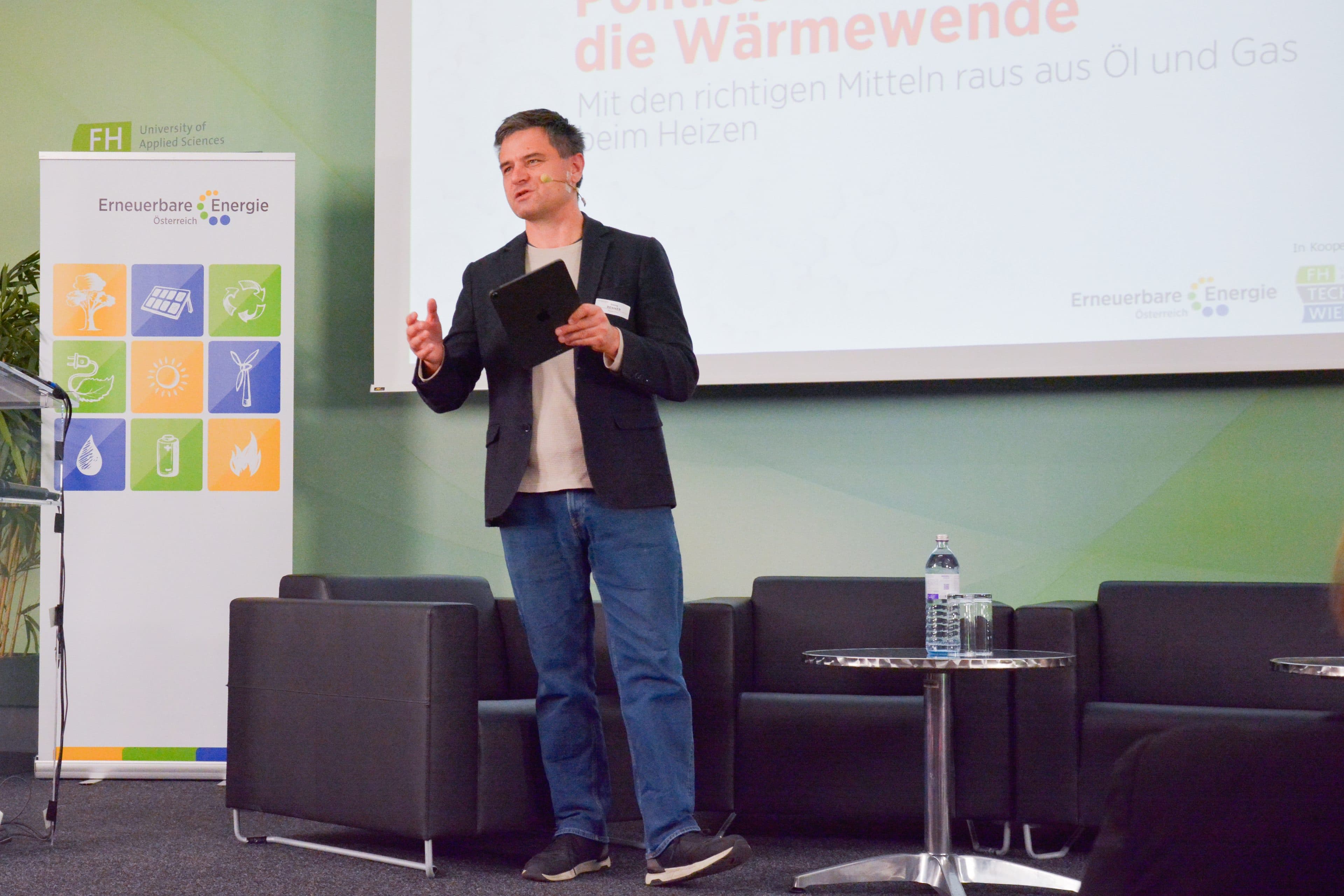
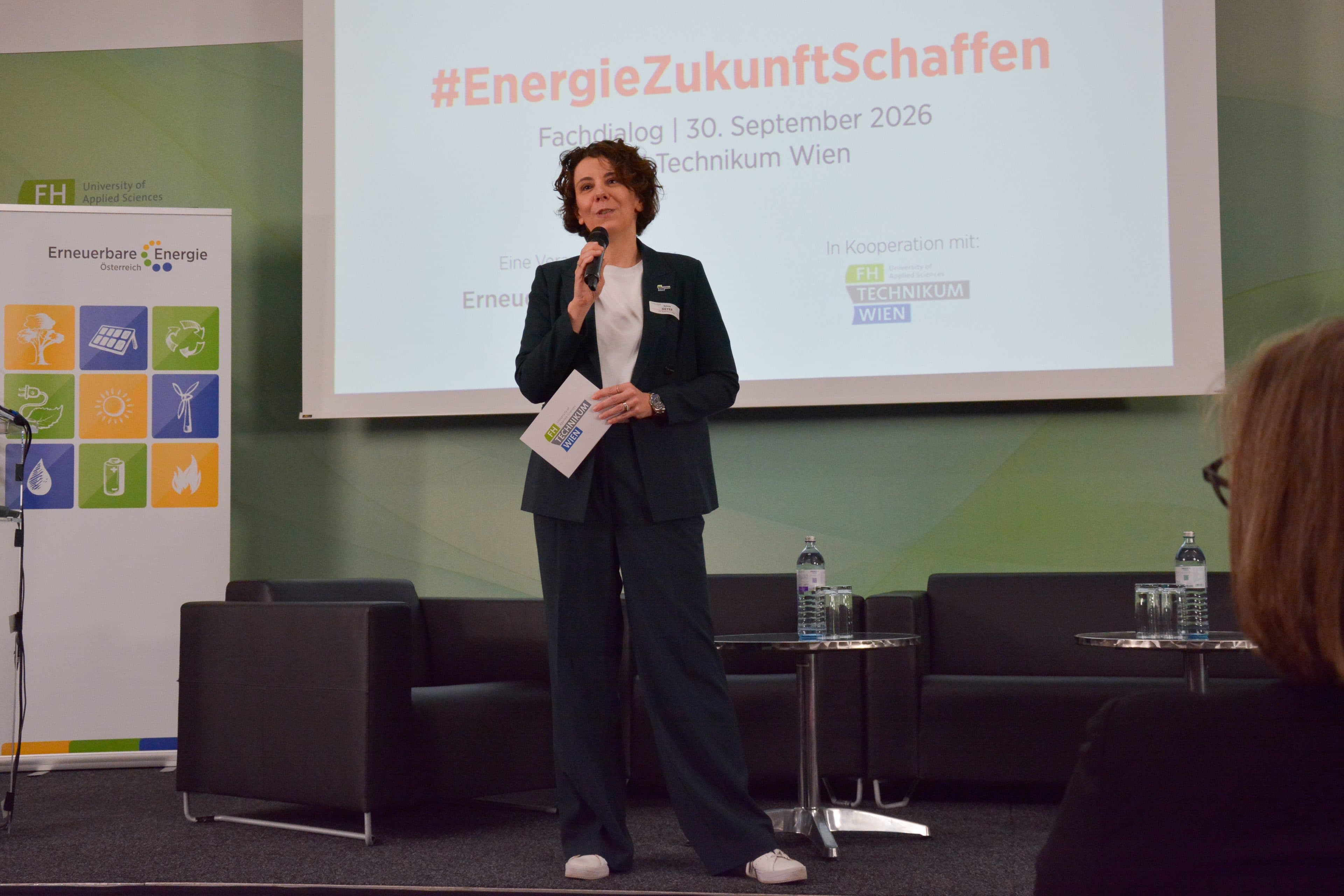
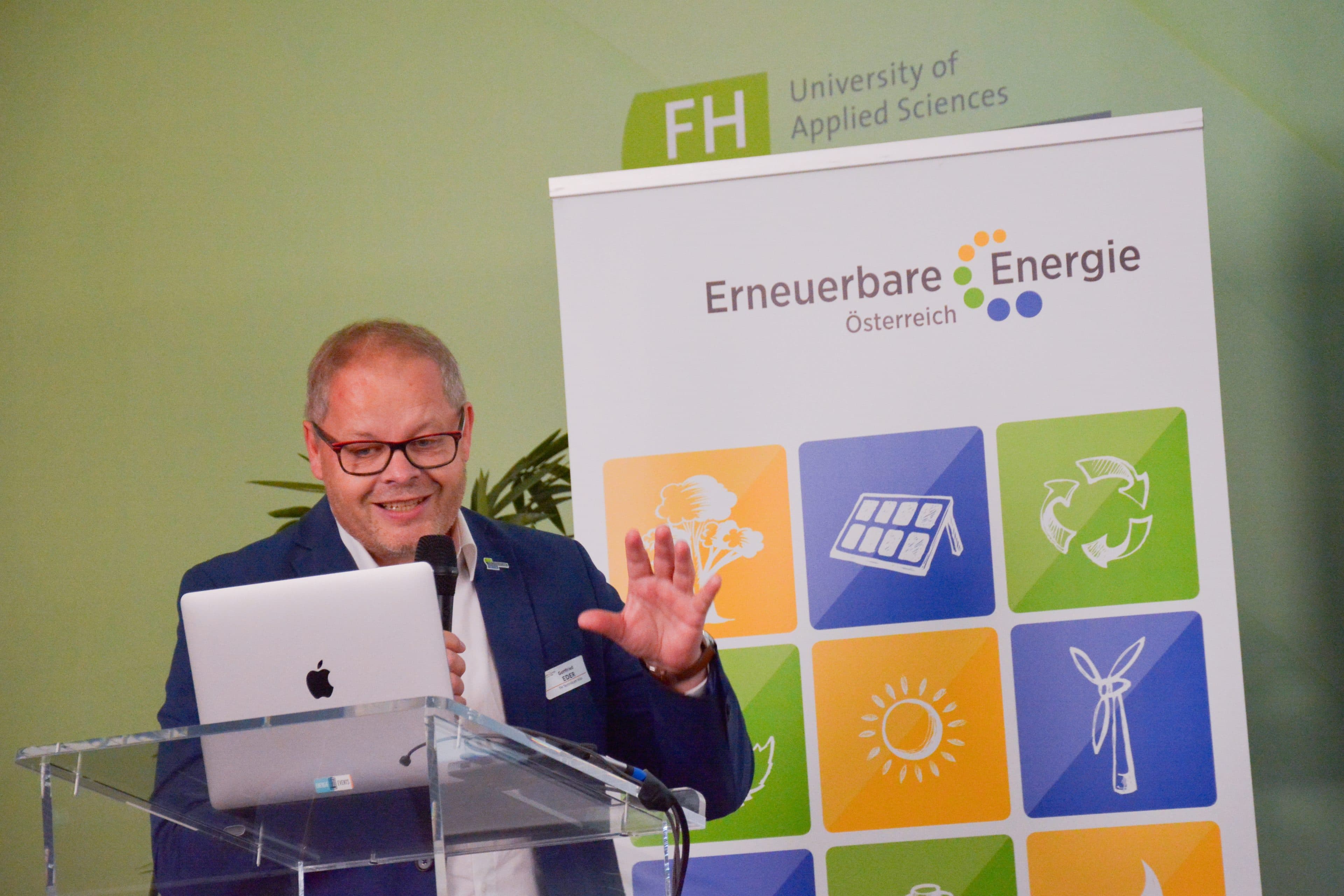
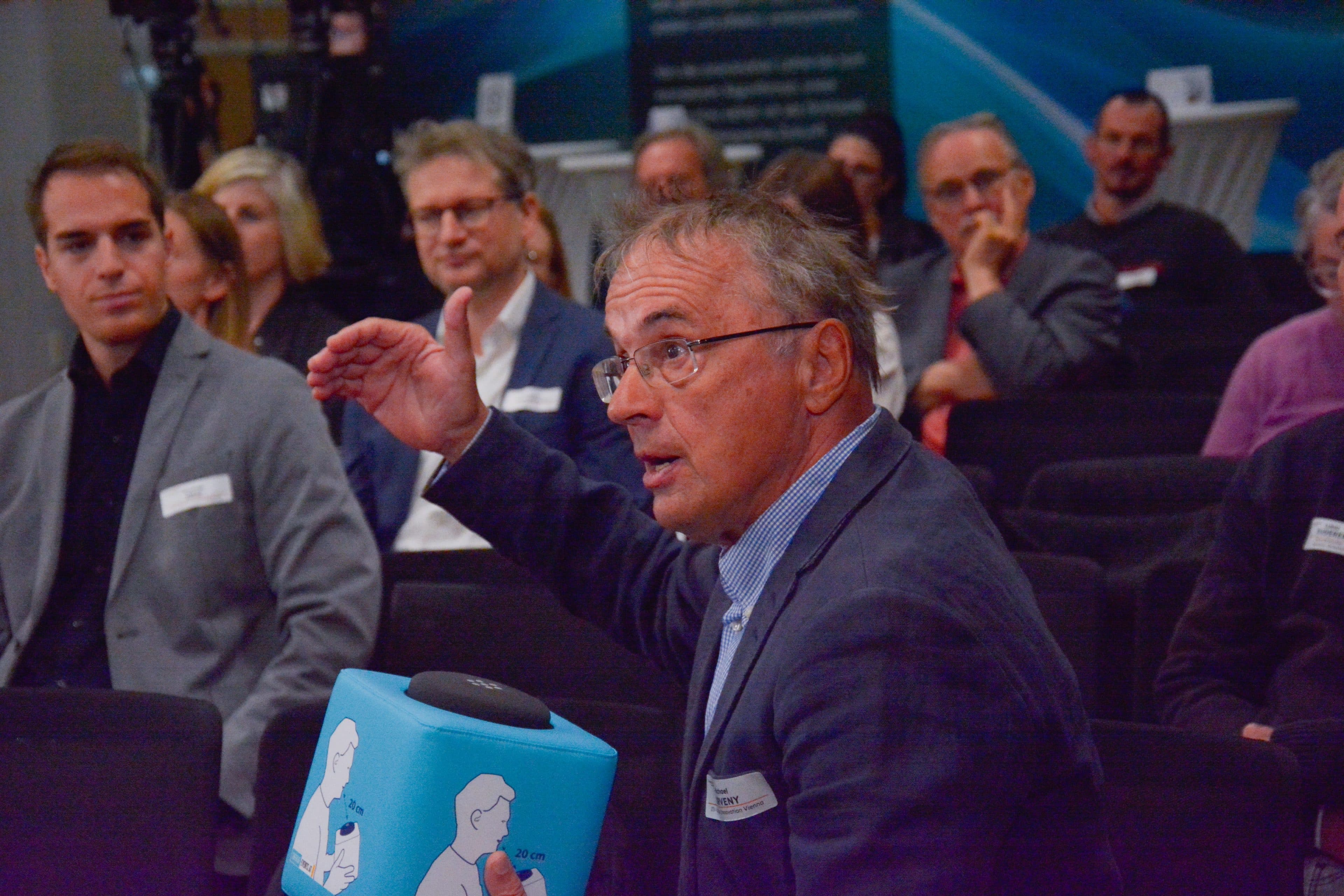
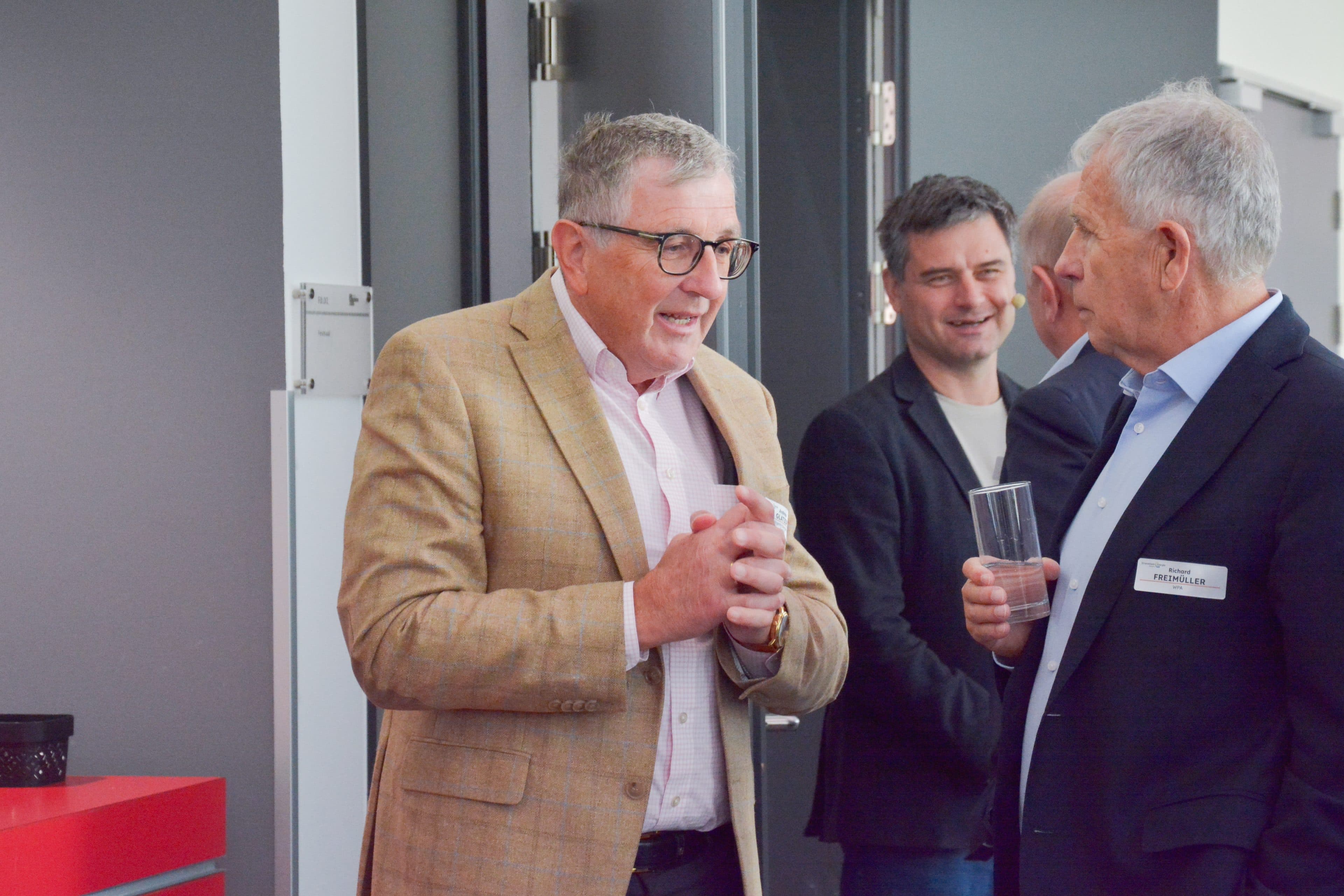
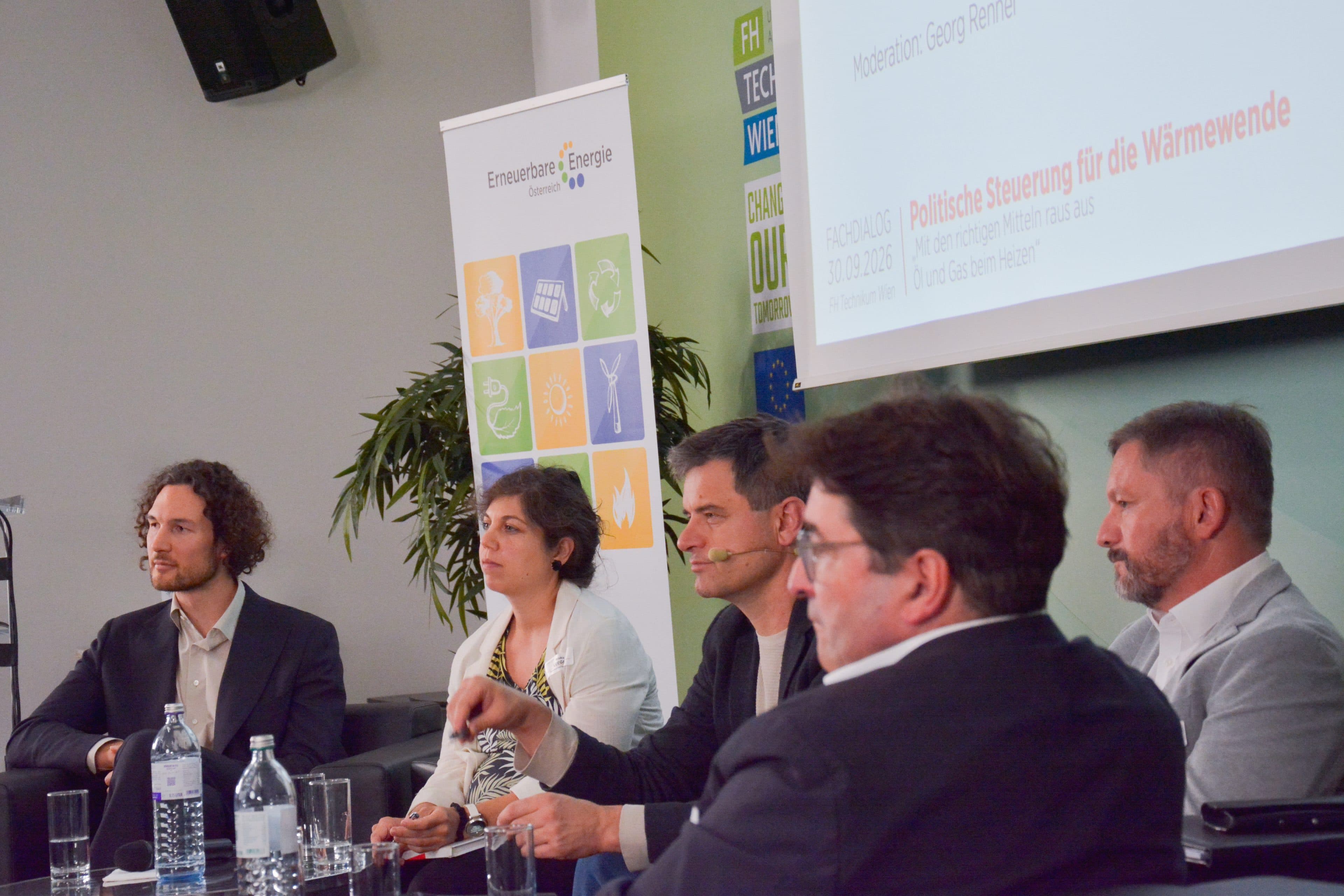
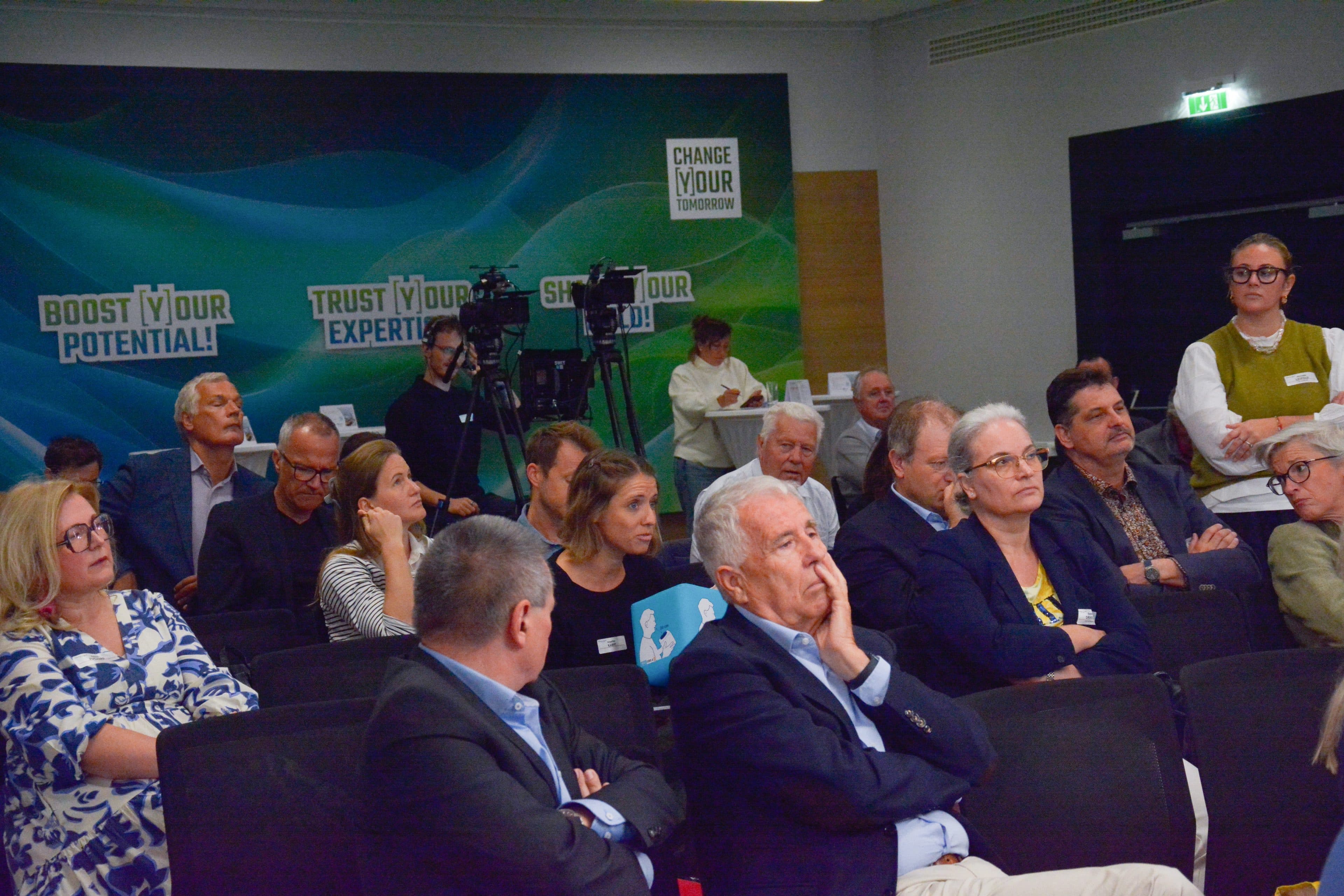
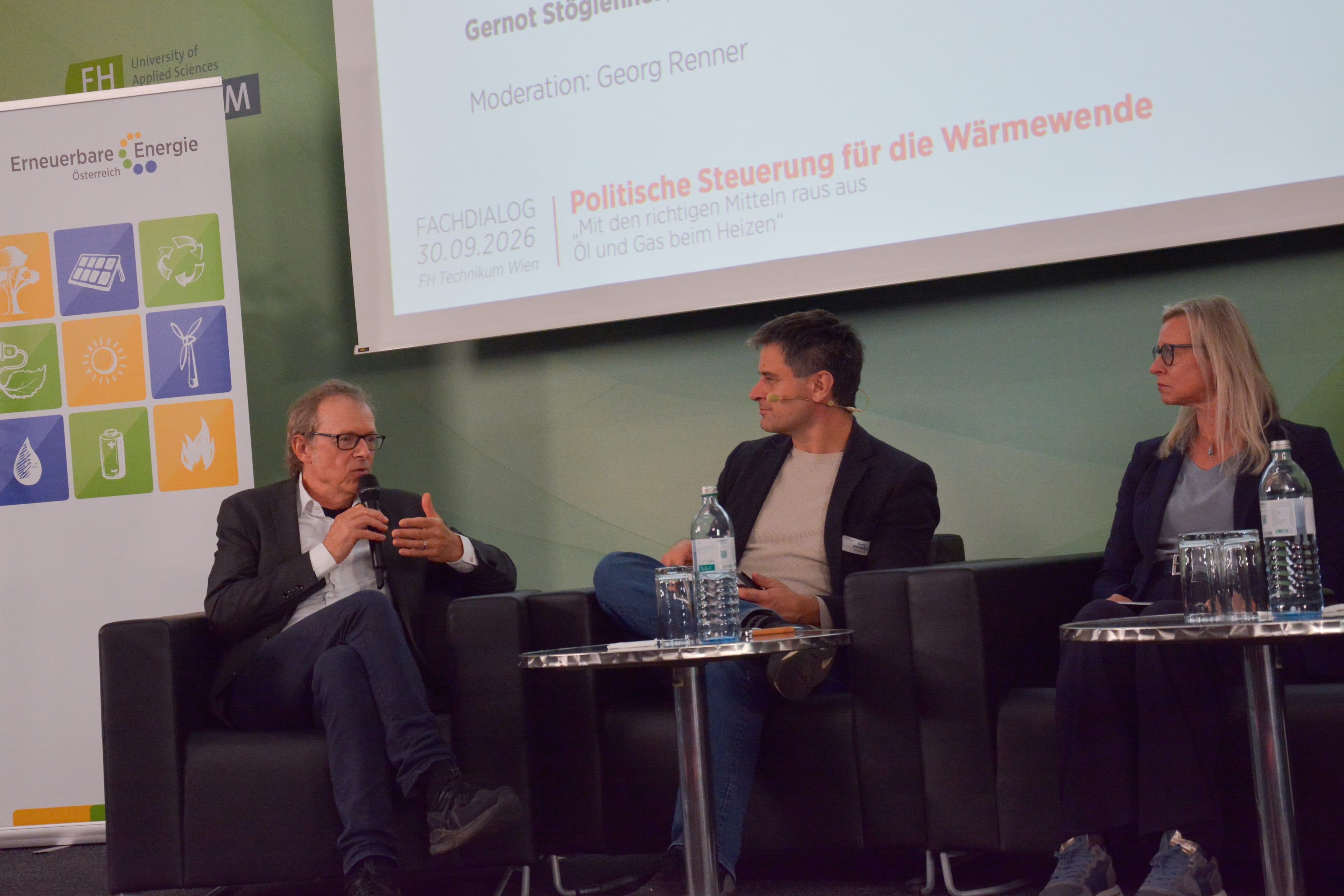
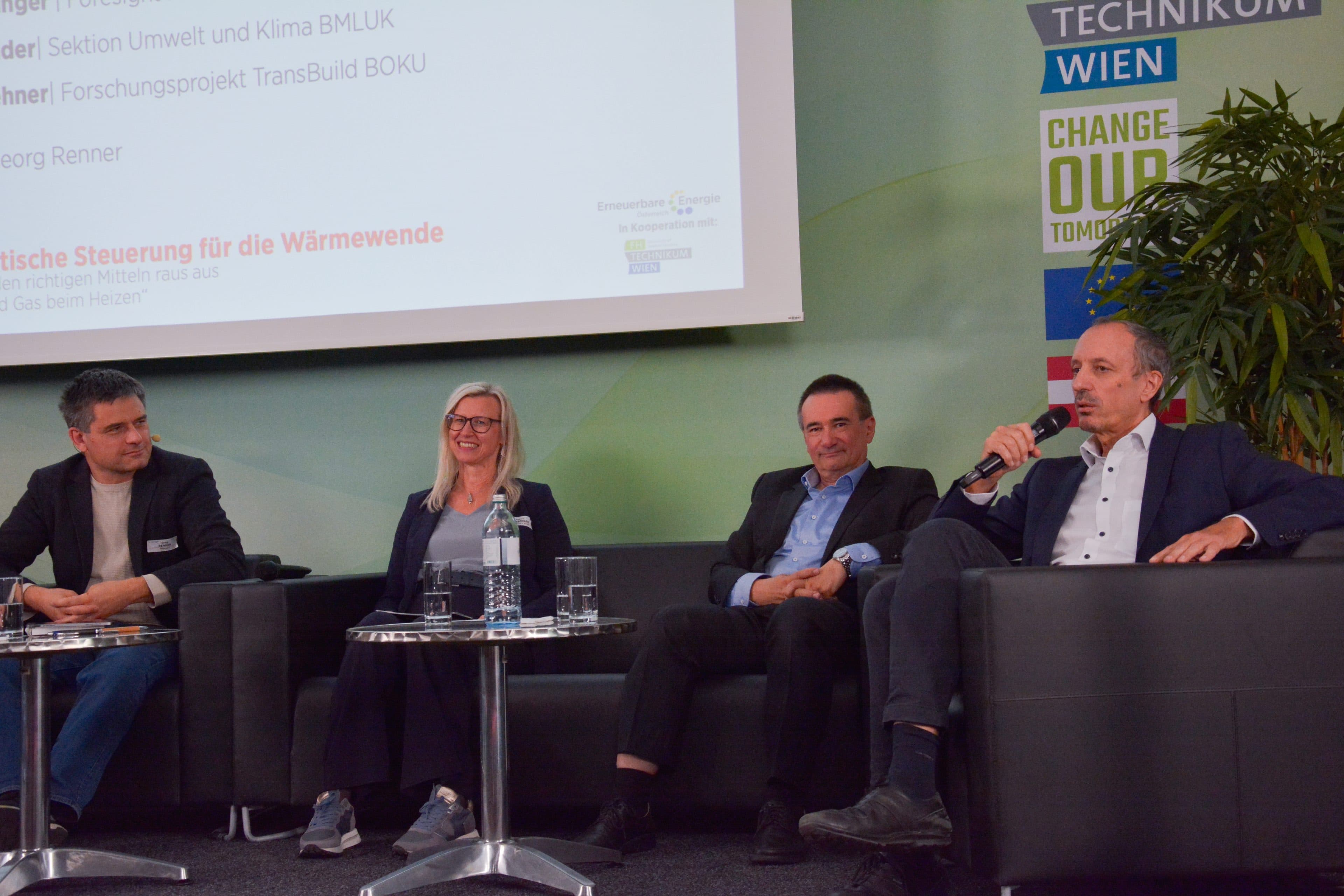
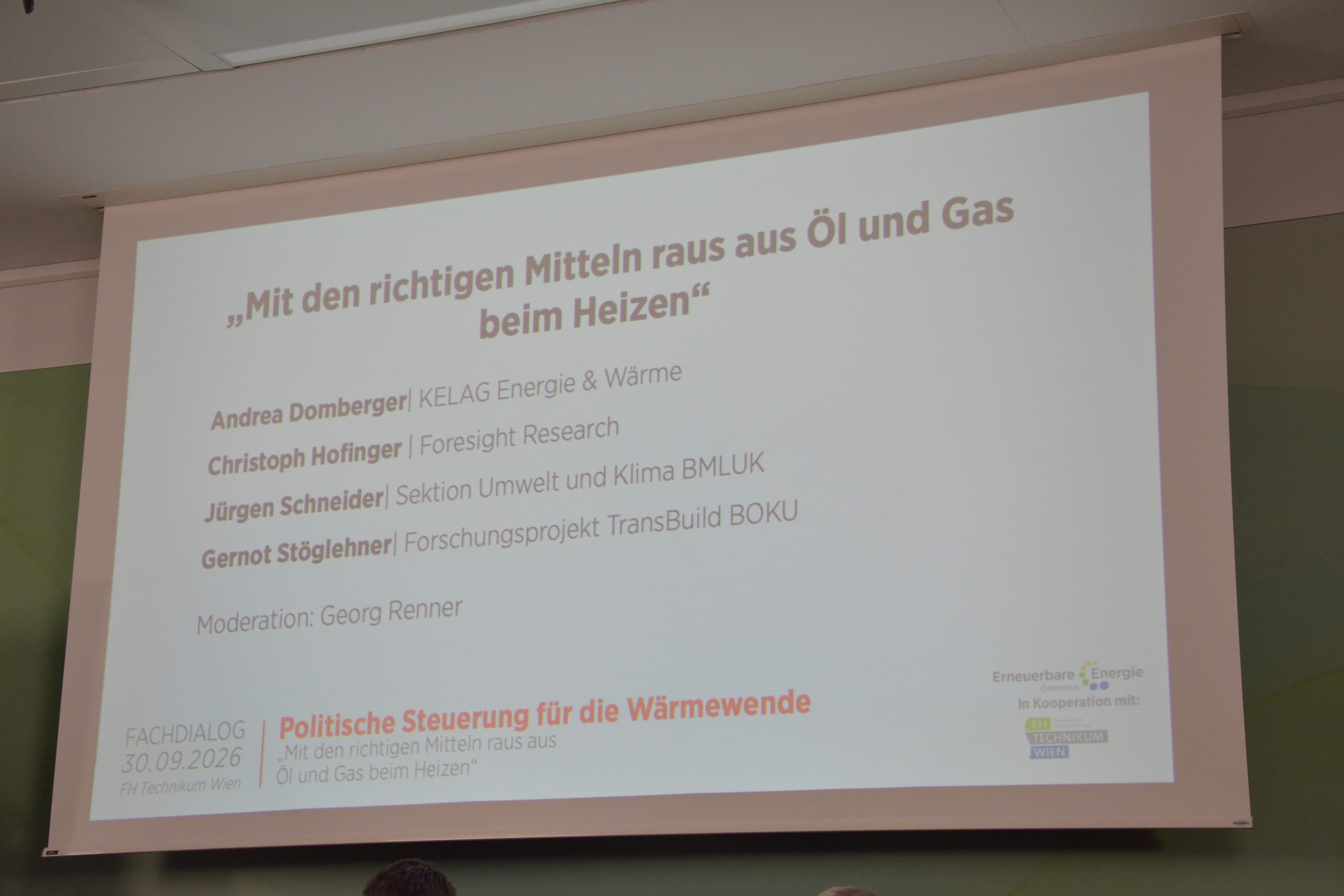
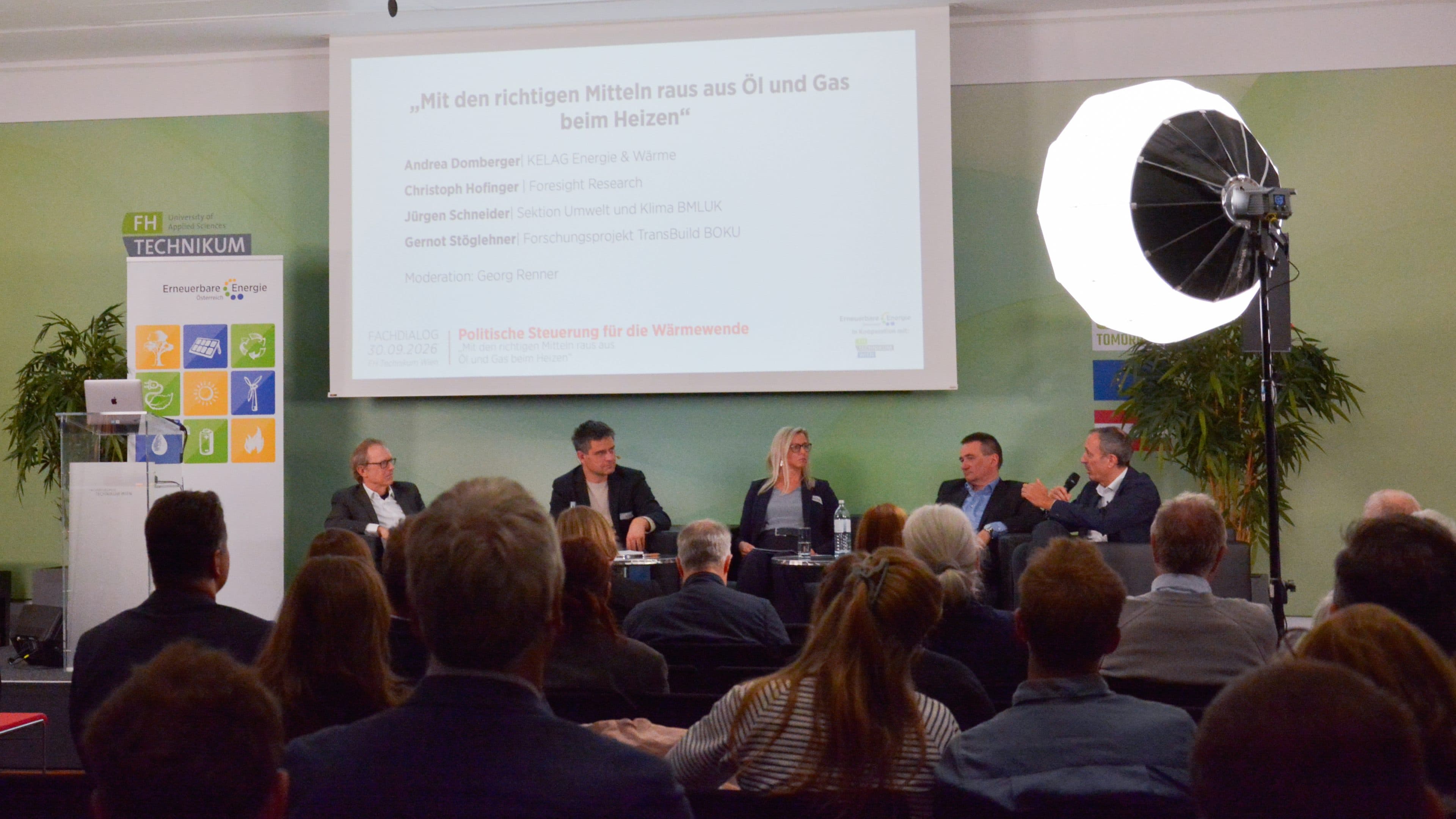
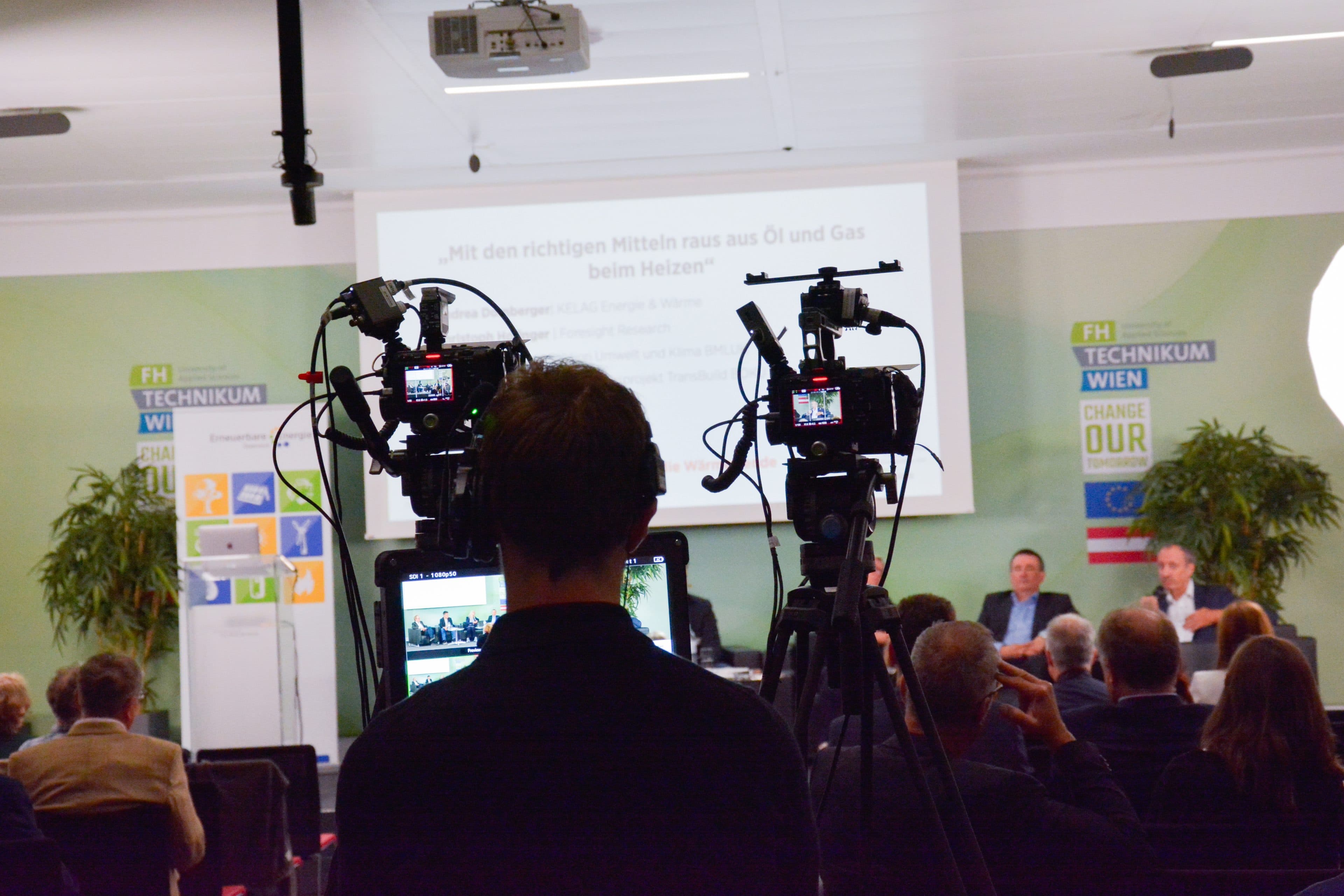
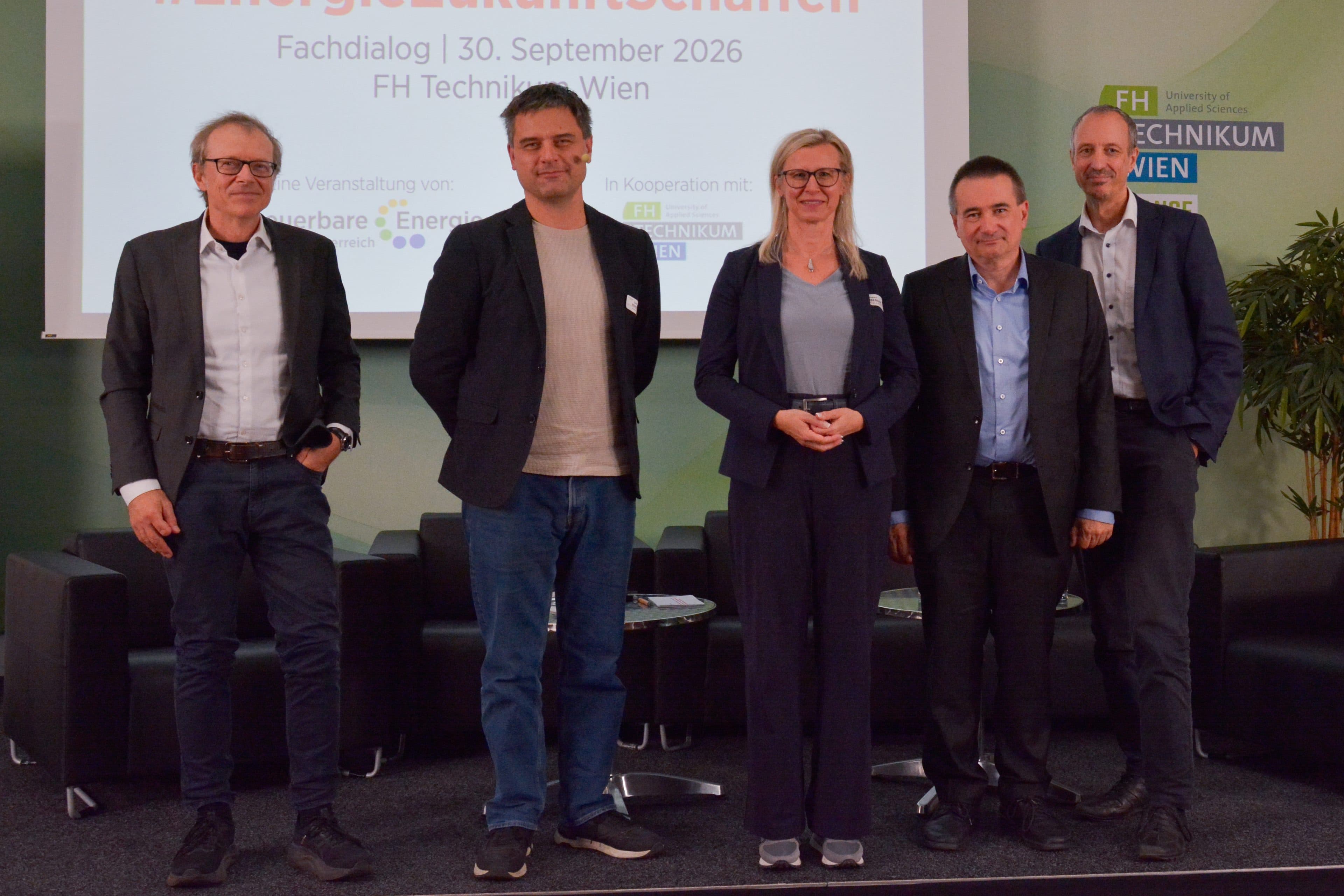
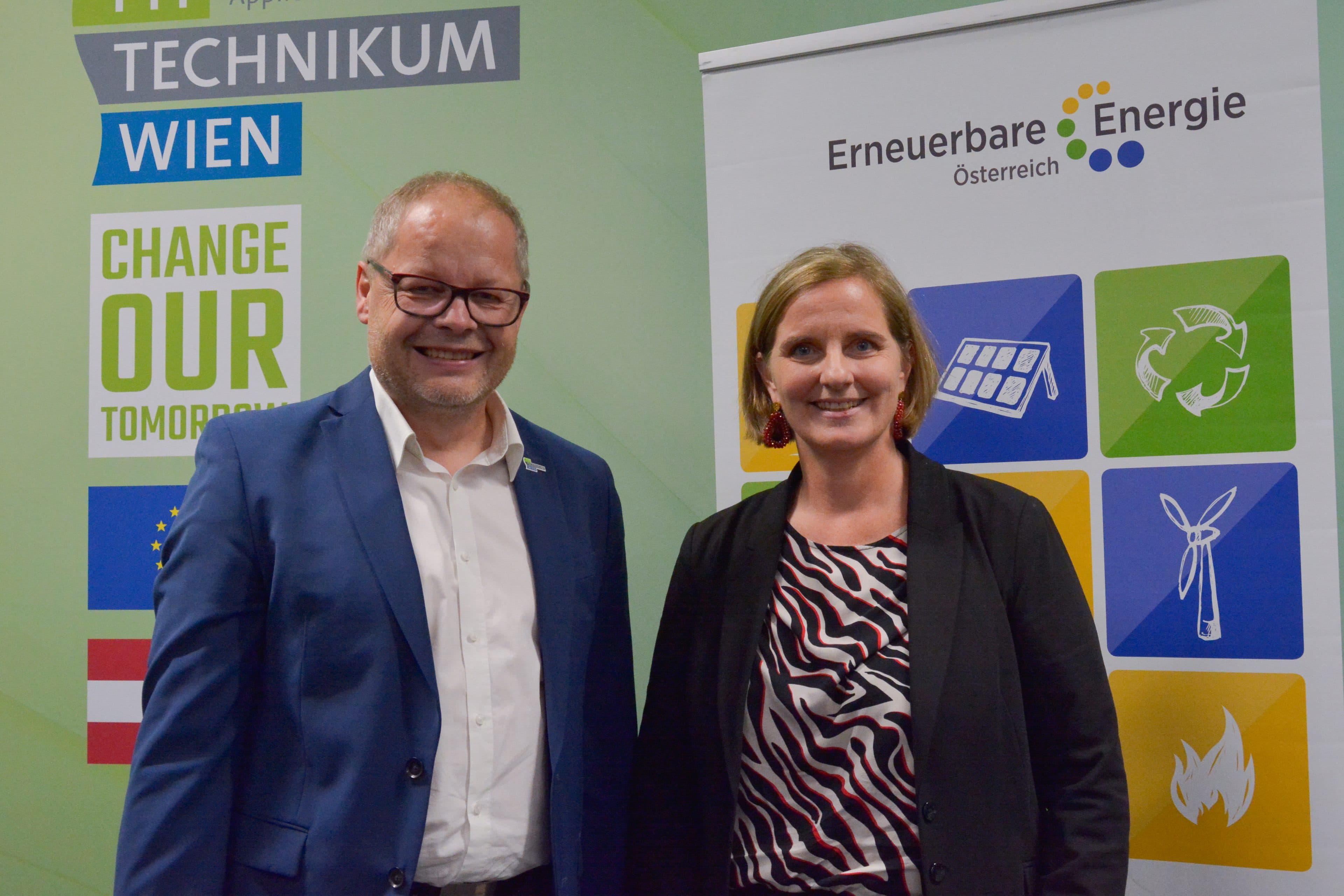
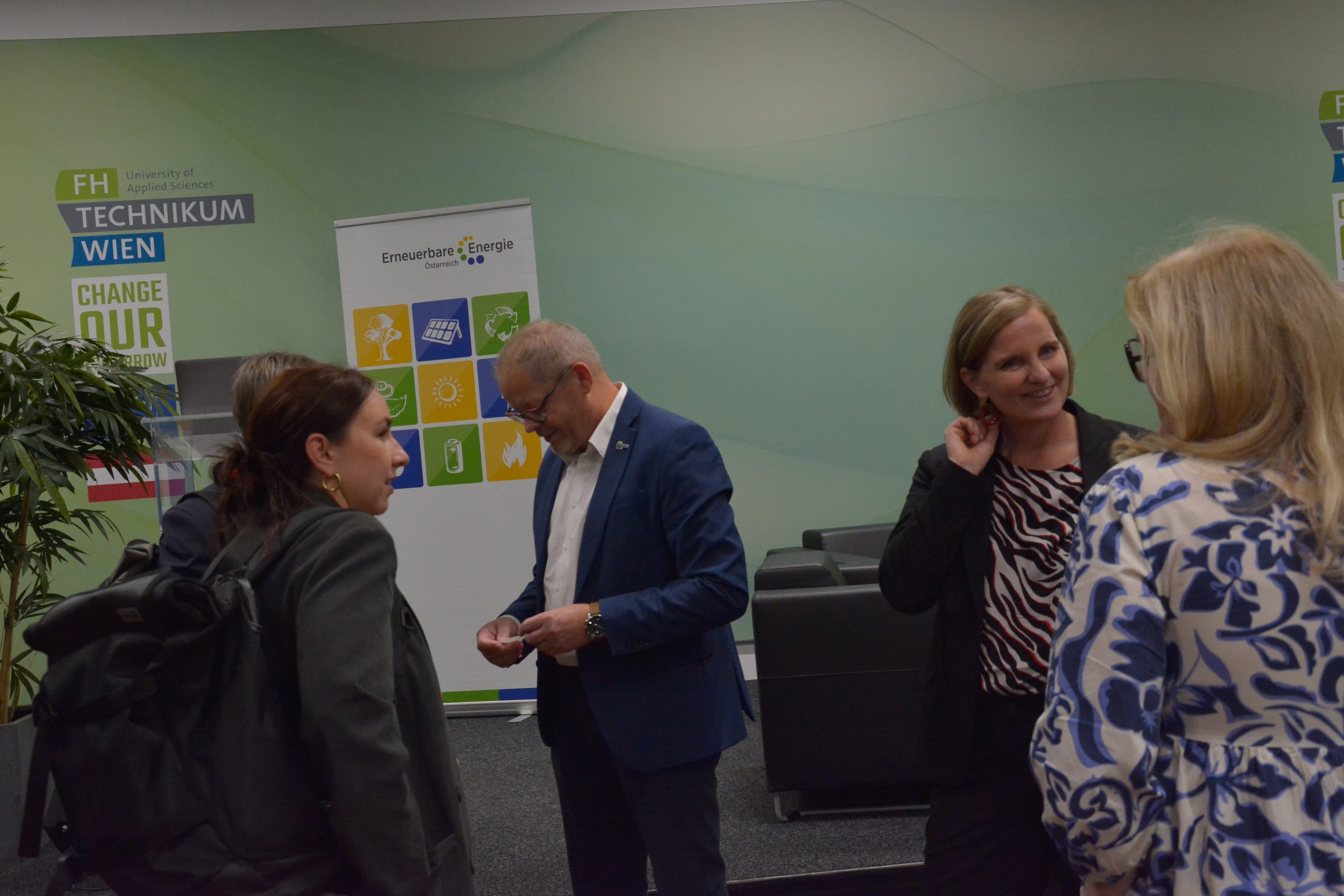
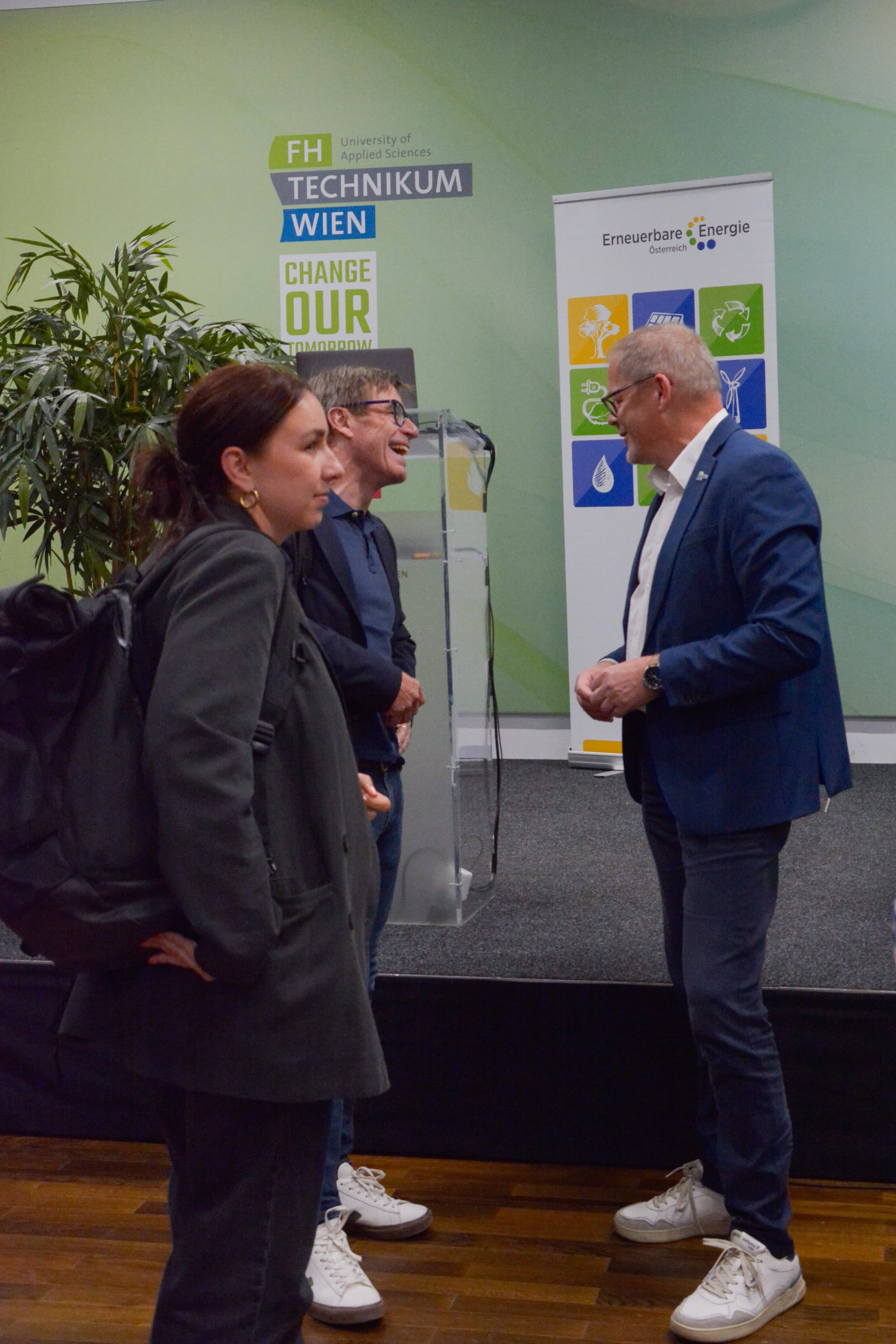
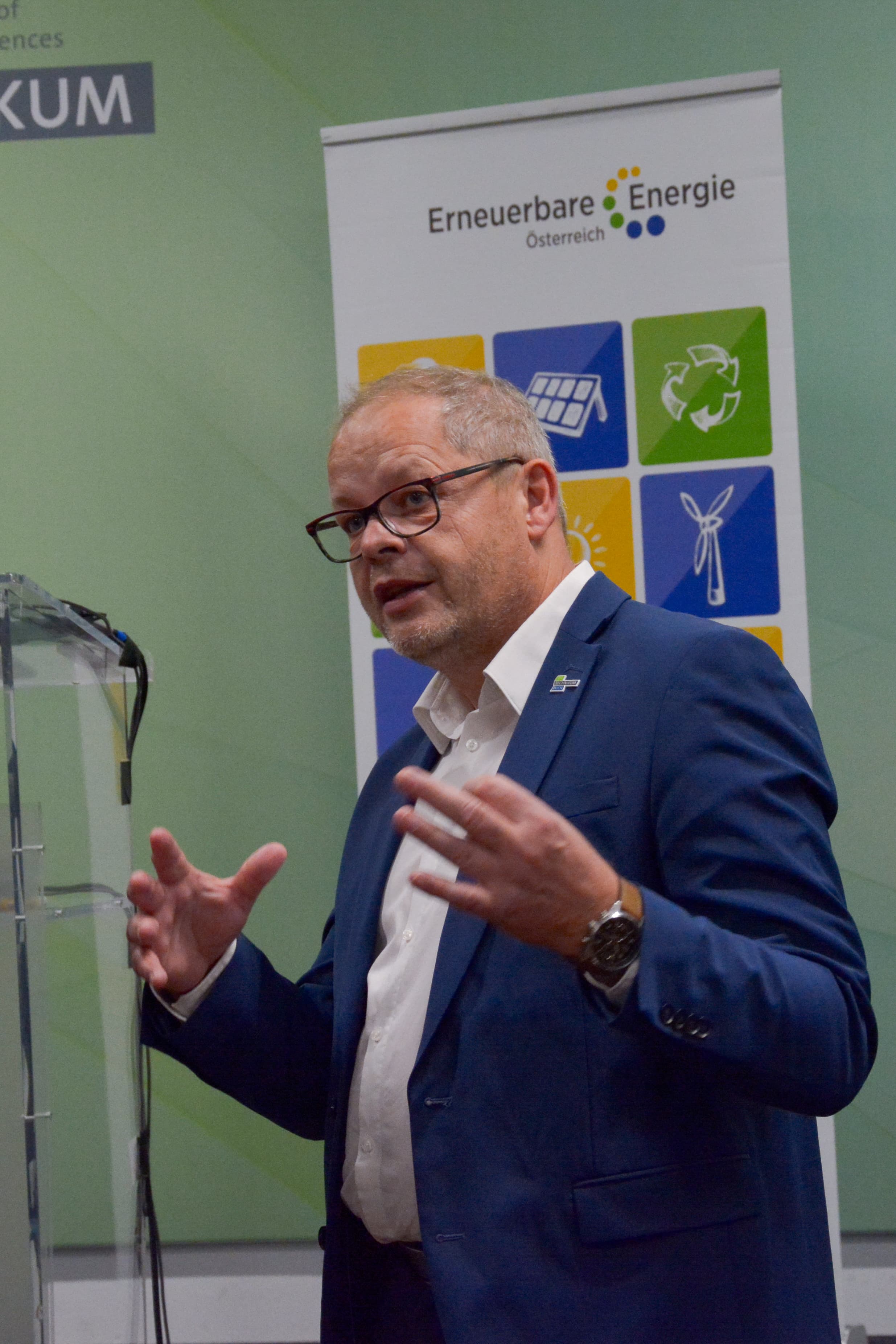
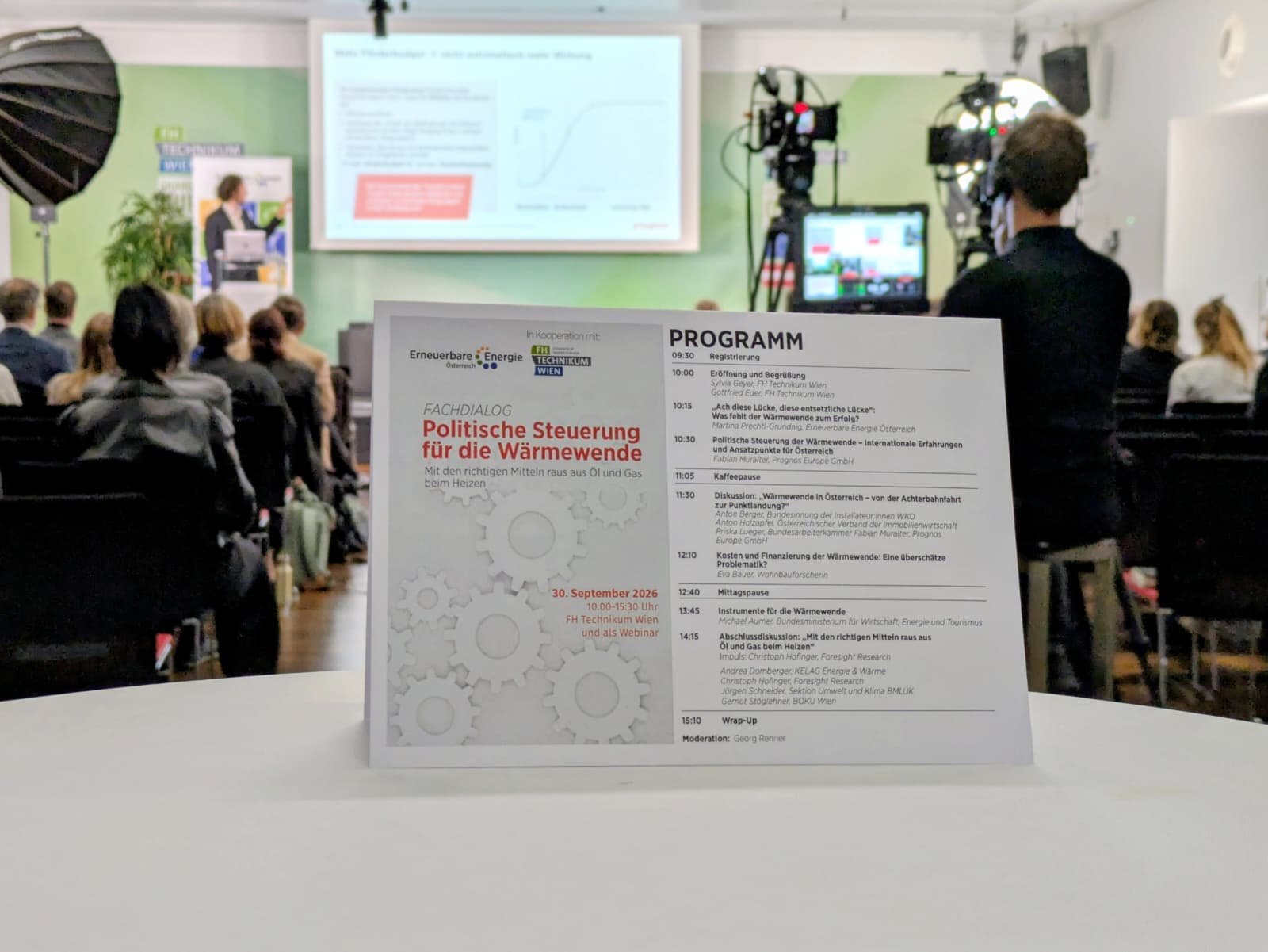
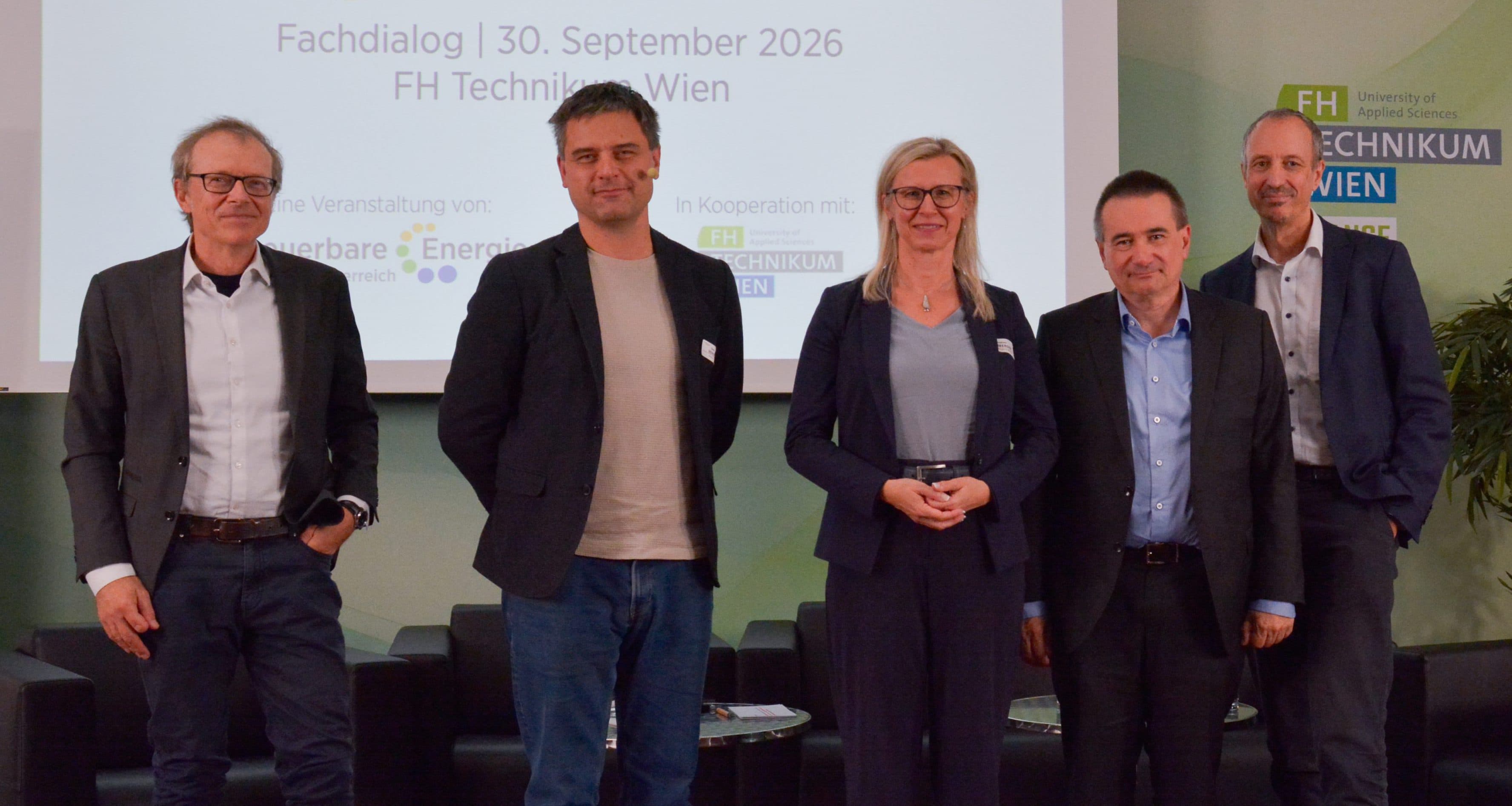
On Wednesday, September 30, 2026, an event on the heating transition took place at UAS Technikum Wien: The umbrella organization Erneuerbare Energie Österreich – EEÖ (Renewable Energy Austria) in cooperation with UAS Technikum Wien, hosted the expert dialogue “Policy Guidance for the Heating Transition: Moving Away from Oil and Gas for Heating with the Right Measures.” Rector Sylvia Geyer and Gottfried Eder, director of the Master’s program in Climate-Responsive Building Technologies, opened the conference and emphasized the university’s role as an educational and technology transfer partner: A successful transition away from fossil fuels in heating and cooling requires qualified specialists, scientific excellence—and stable, forward-looking policy frameworks. Journalist Georg Renner served as the event’s moderator.
The heating transition requires policy guidance, not just subsidies
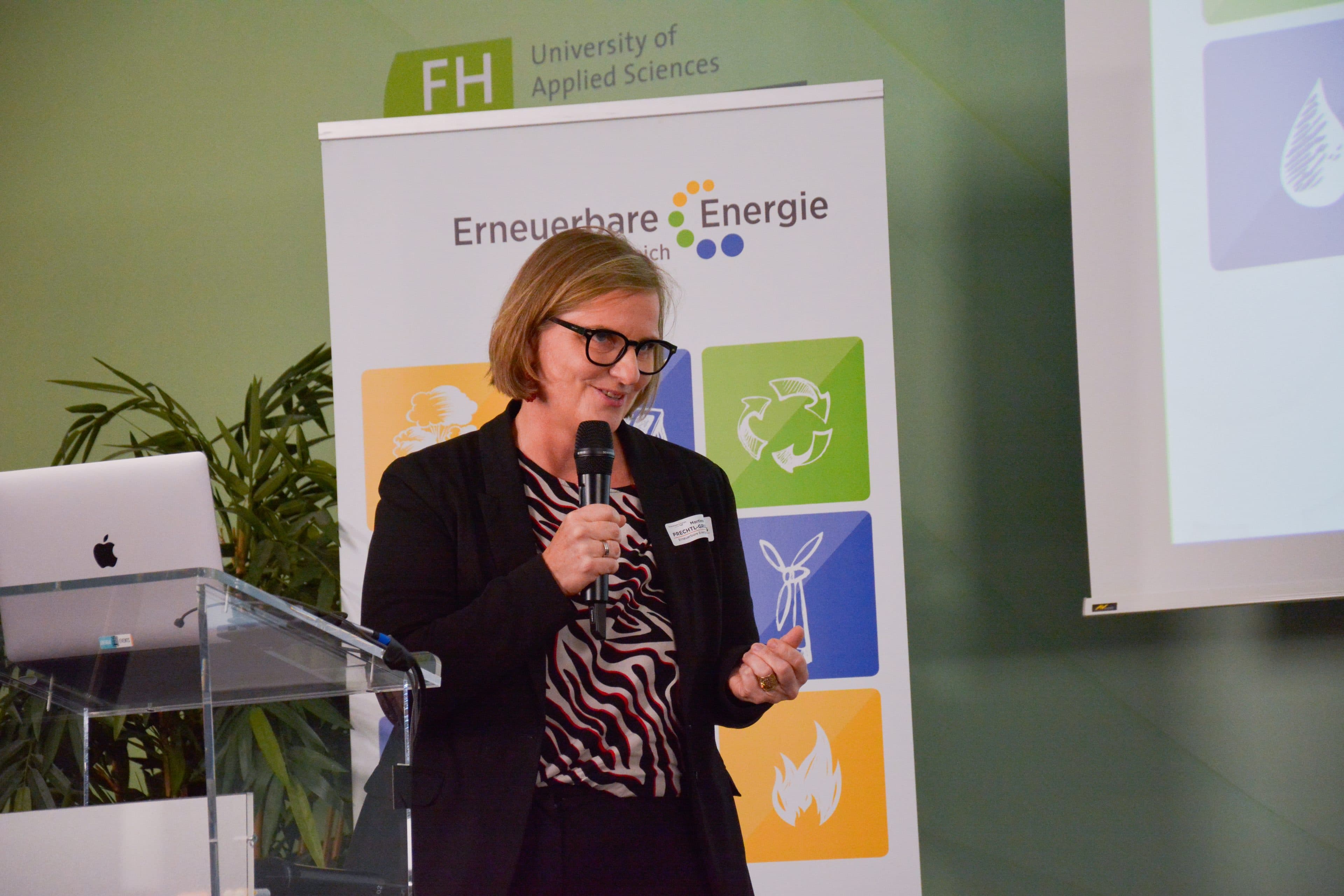
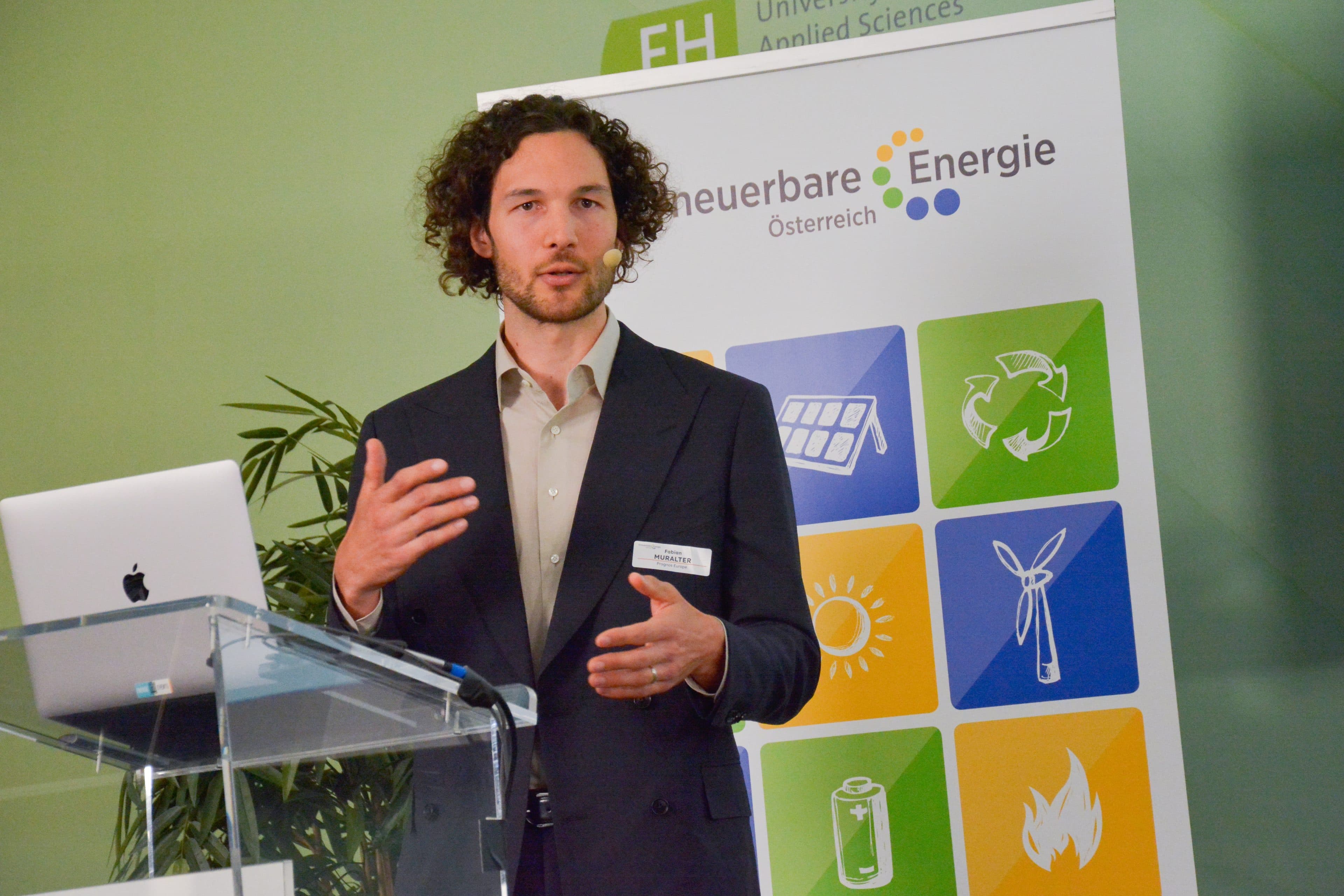
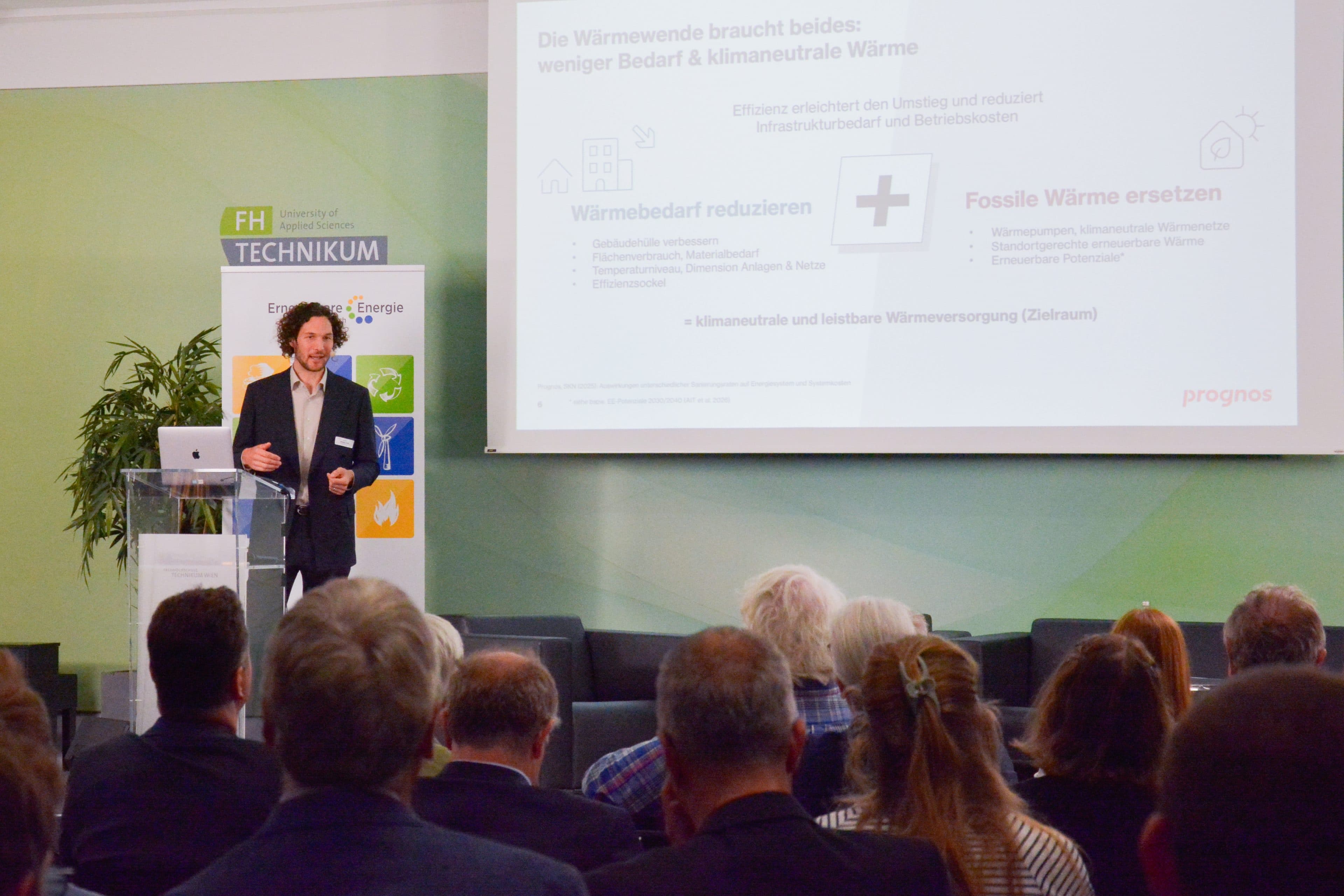
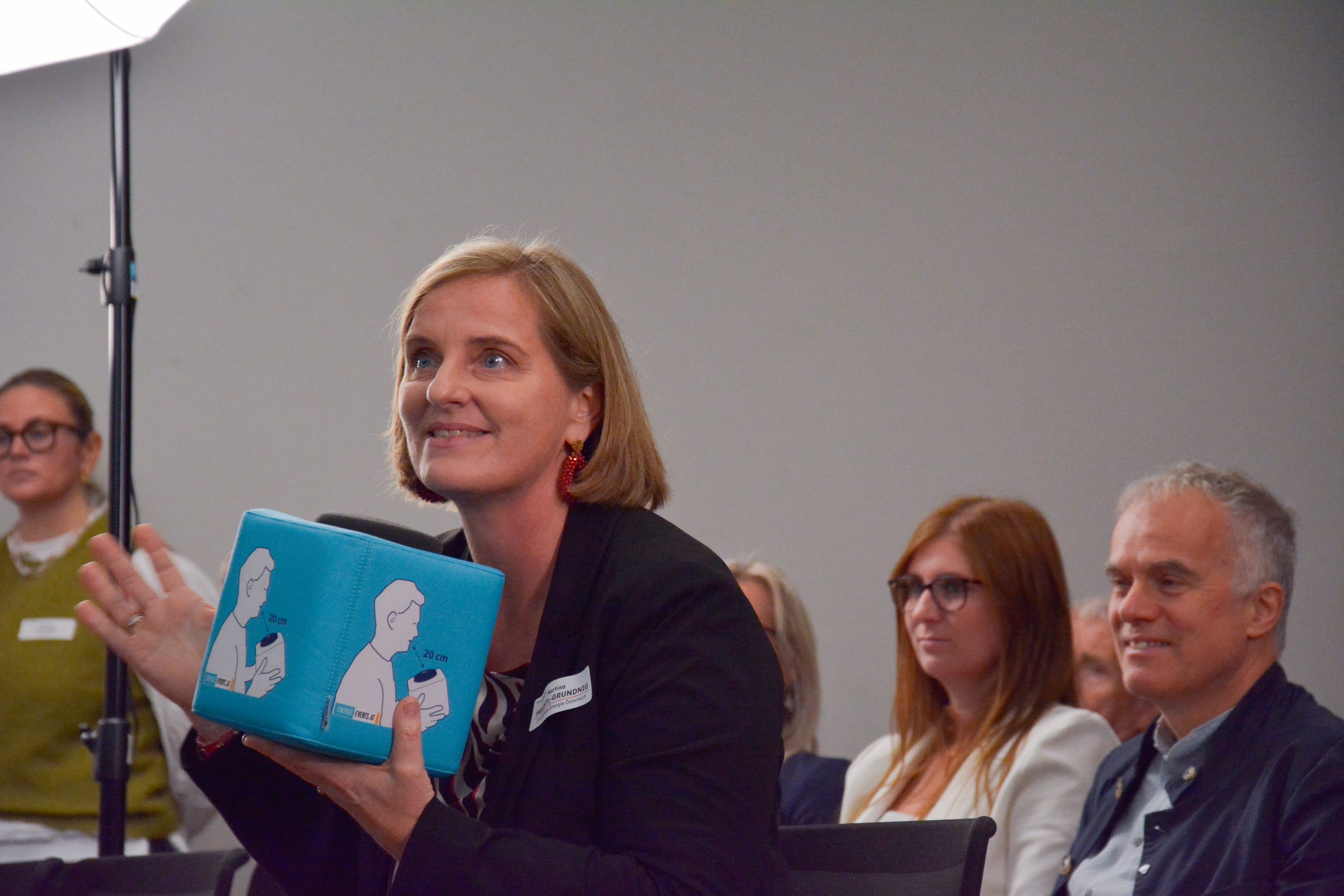
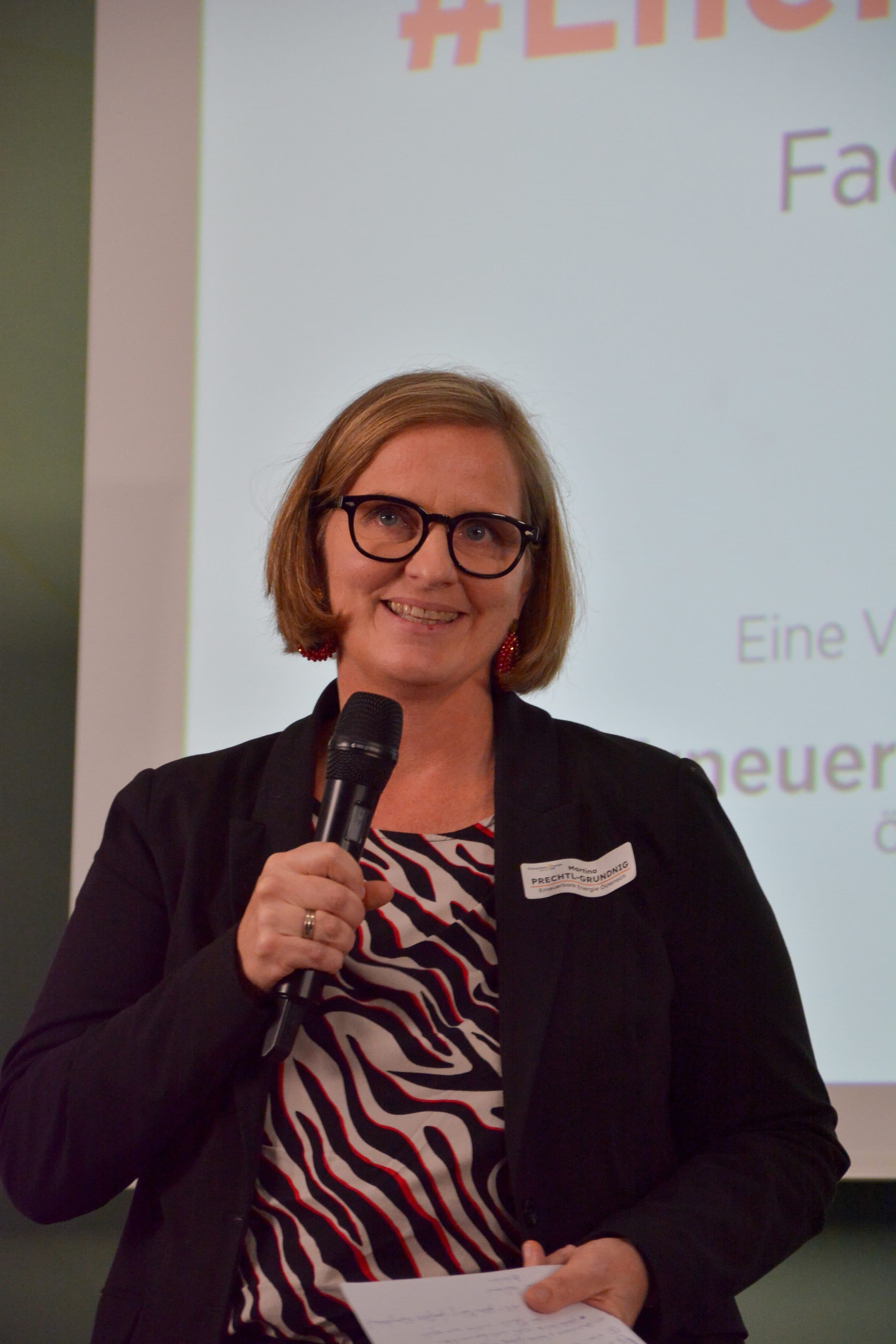
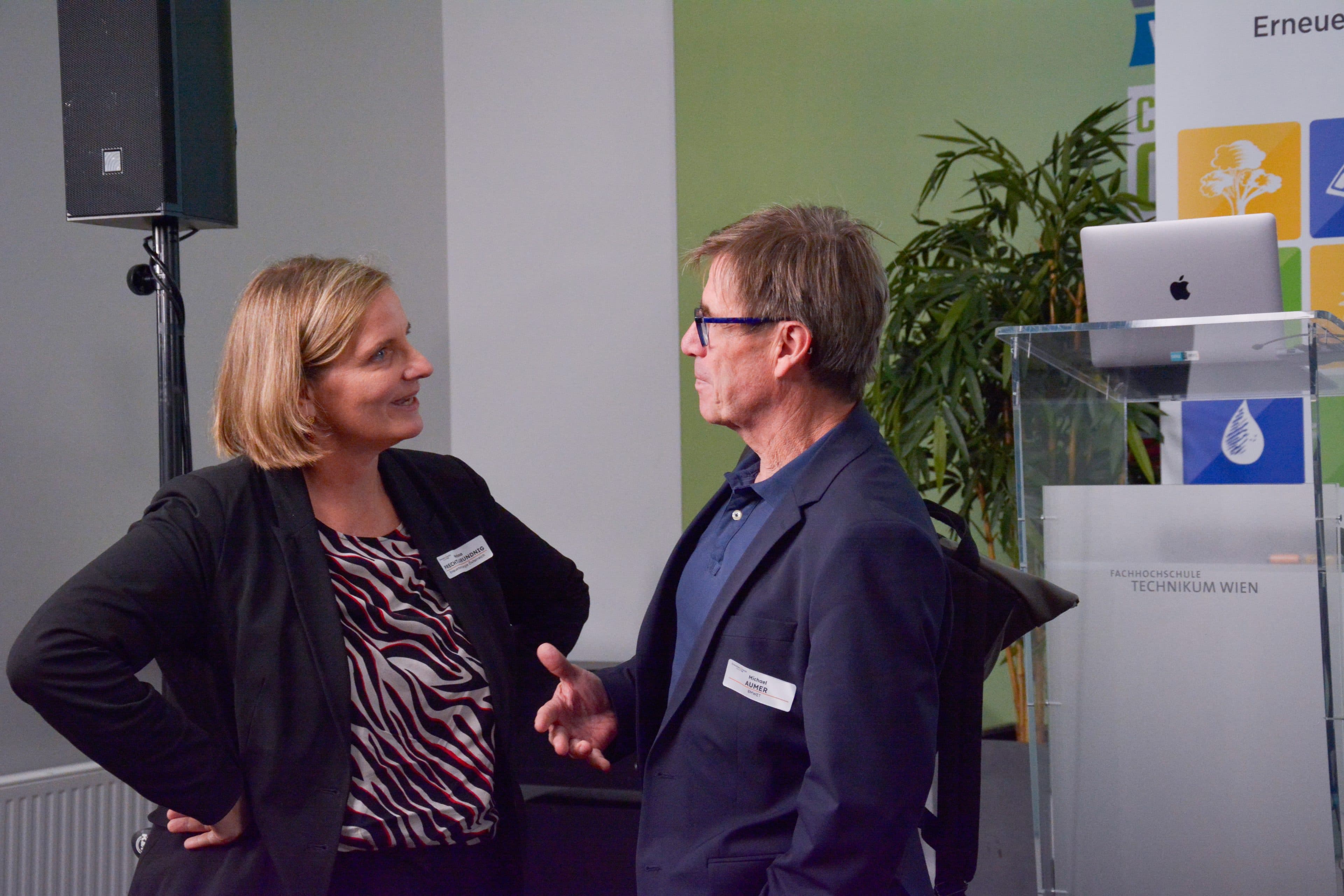
EEÖ Managing Director Martina Prechtl‑Grundnig kicked off the substantive discussions with an analysis of the current situation: At the current pace, key EU targets—phasing out fossil fuel heating systems by 2040 and achieving climate neutrality by 2050—will not be met. Subsidies remain important, but they are not sufficient as the sole instrument and, without clear target pathways, lead to uncertainty and misallocation of investment. Fabian Muralter (Prognos Europe GmbH) confirmed this finding from an international perspective: Successful countries combine subsidies with regulatory requirements, a long-term orientation, and municipal or cantonal planning. Austria has good programs, but must integrate them into a reliable governance framework.
Voices from academia, business, and politics
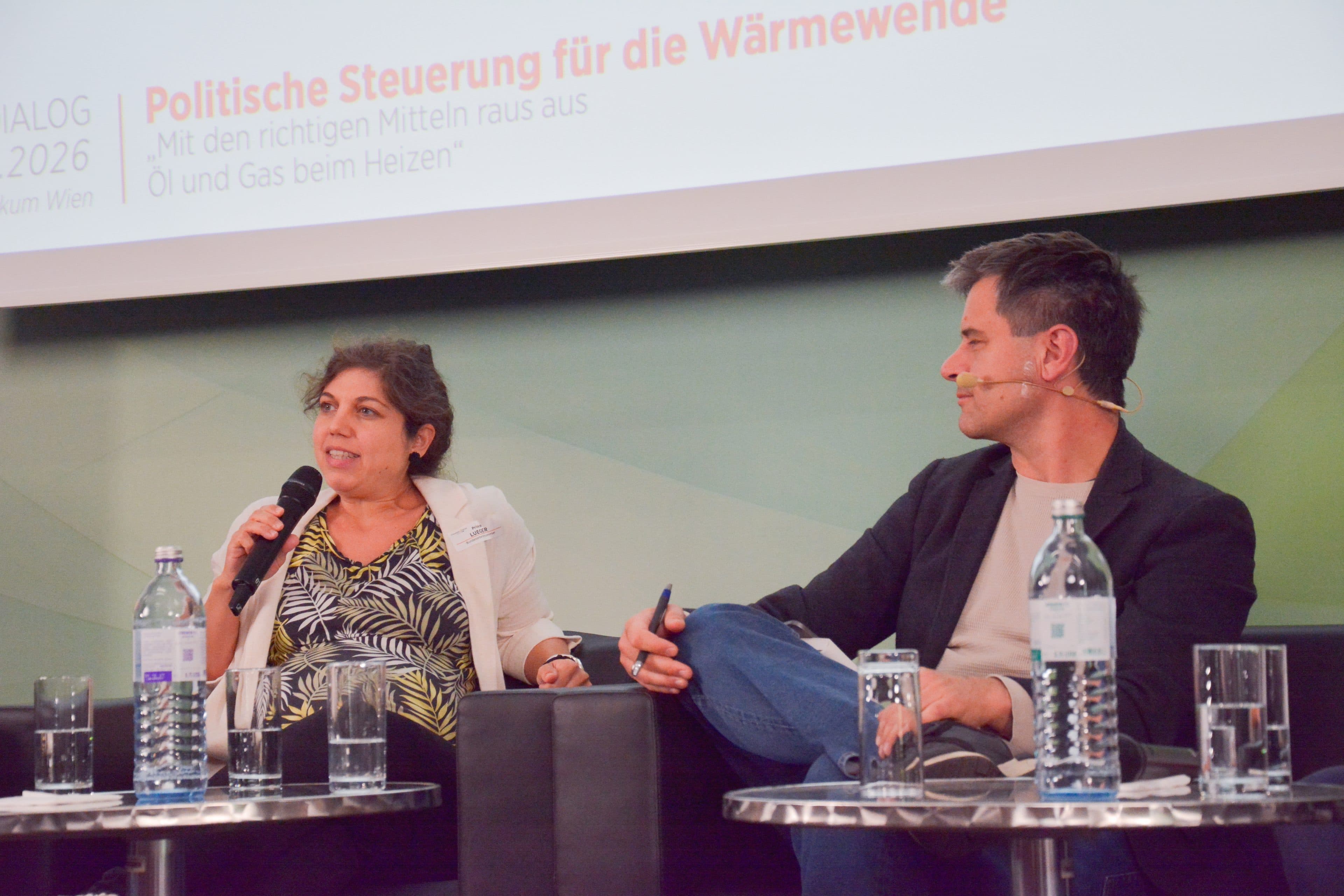
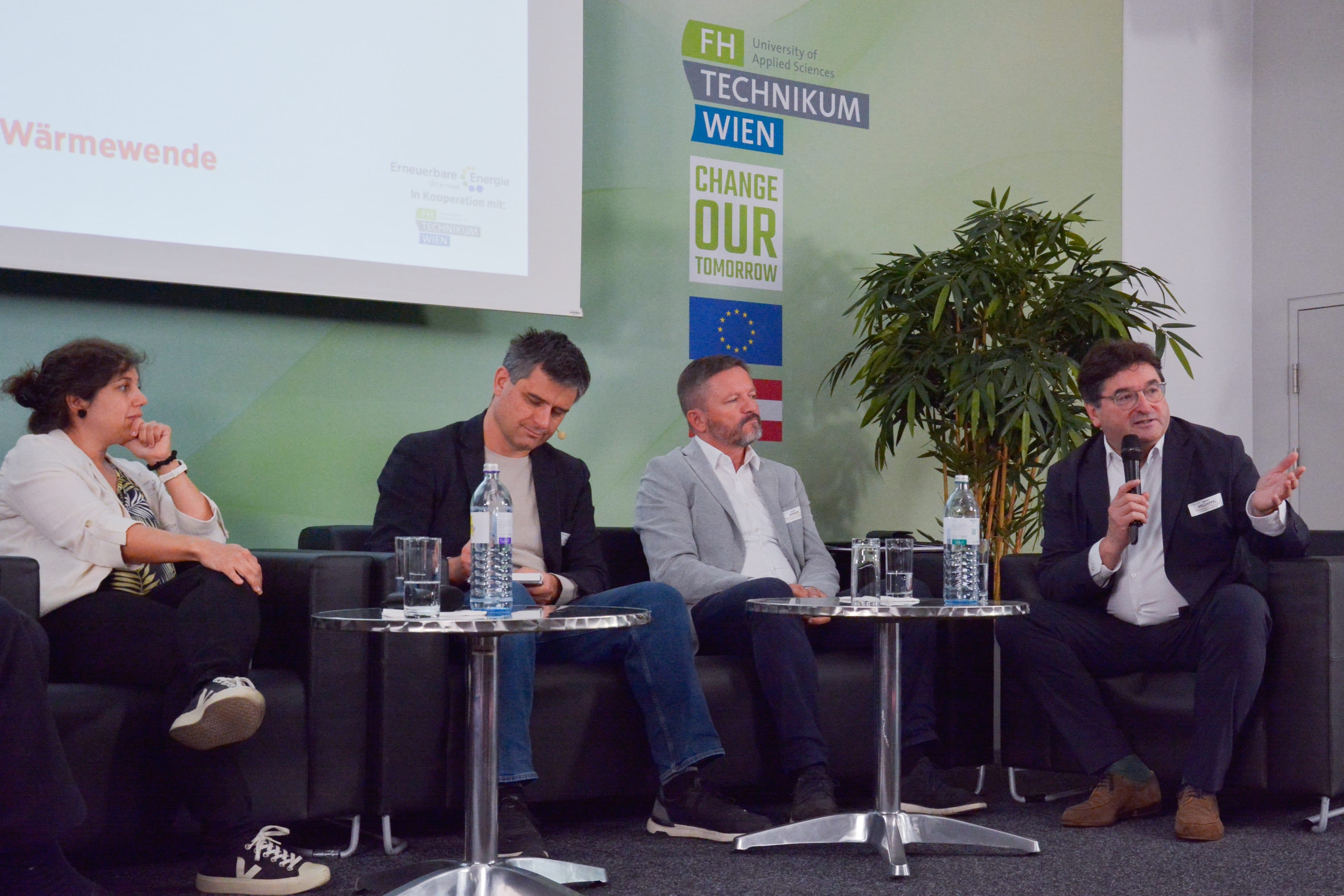
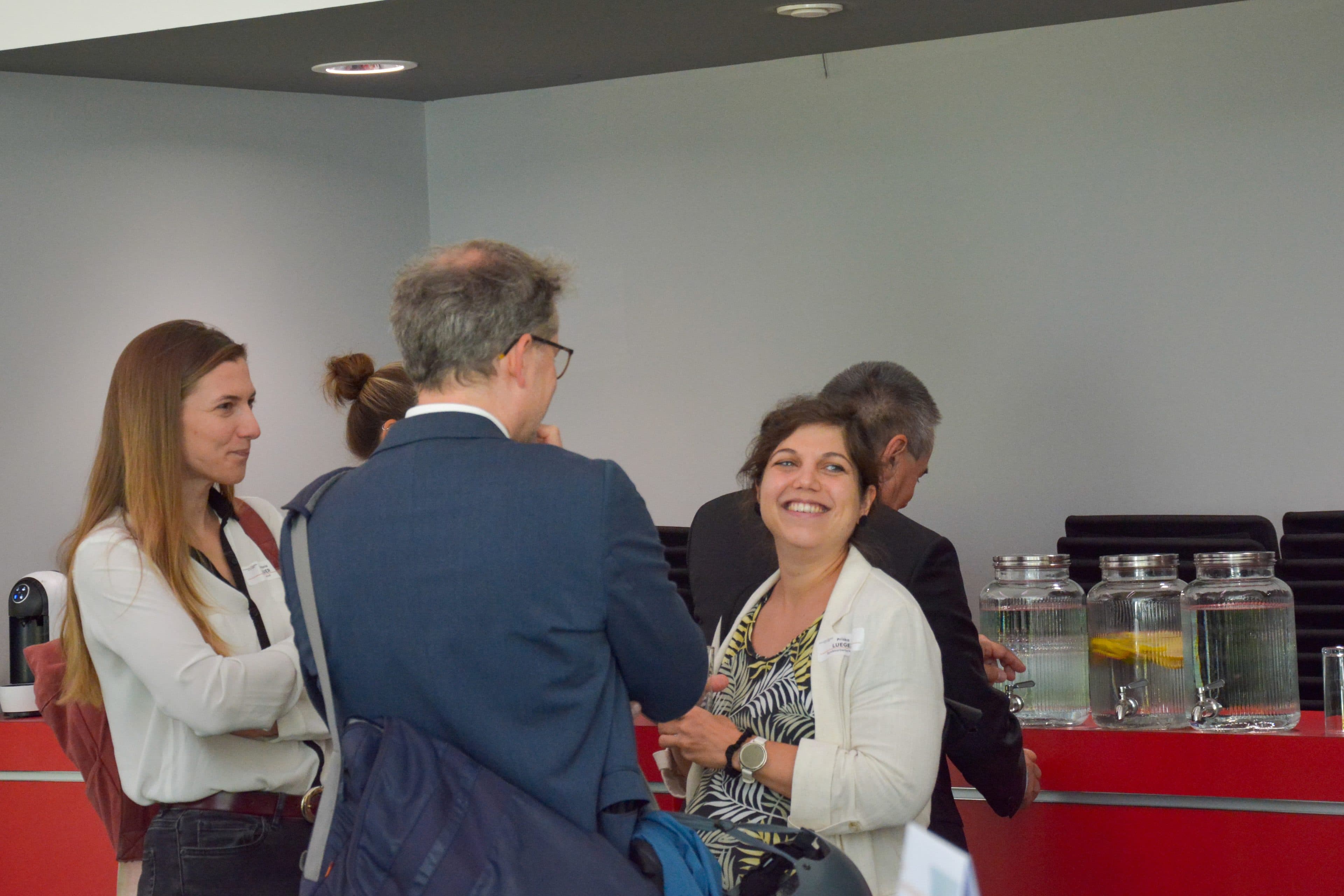
In the discussion “The Heating Transition in Austria—From a Roller-Coaster Ride to a Precision Landing?”, Anton Berger (Federal Guild of Plumbers, WKO) called for predictability spanning at least two legislative terms. Priska Lueger (Federal Chamber of Labor) advocated for a Heating and Cooling Economy Act that would ensure reliability and cost transparency while addressing social issues. Anton Holzapfel (Austrian Real Estate Industry Association) called for standardization and a data foundation—such as a nationwide, comparable energy performance certificate database.
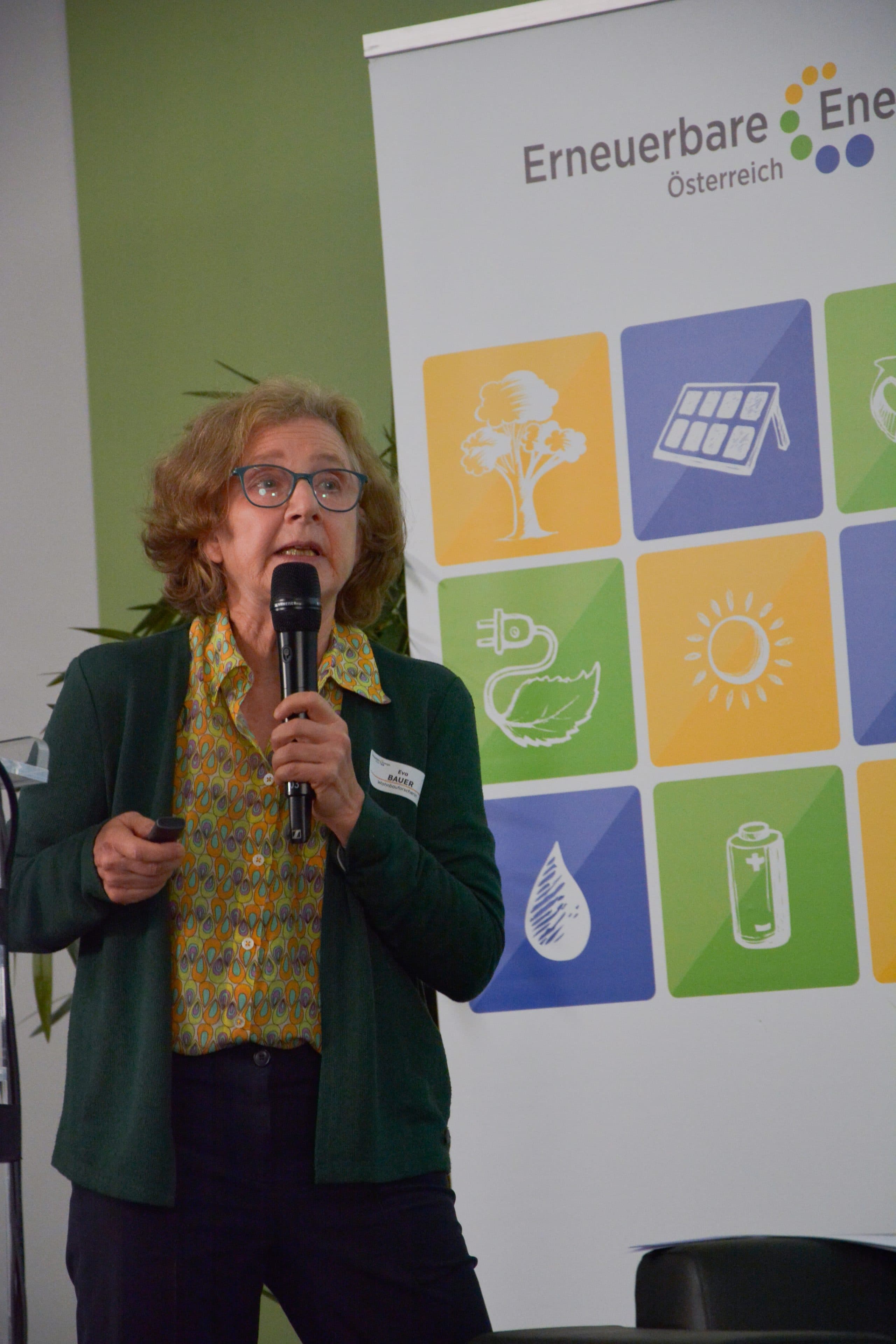
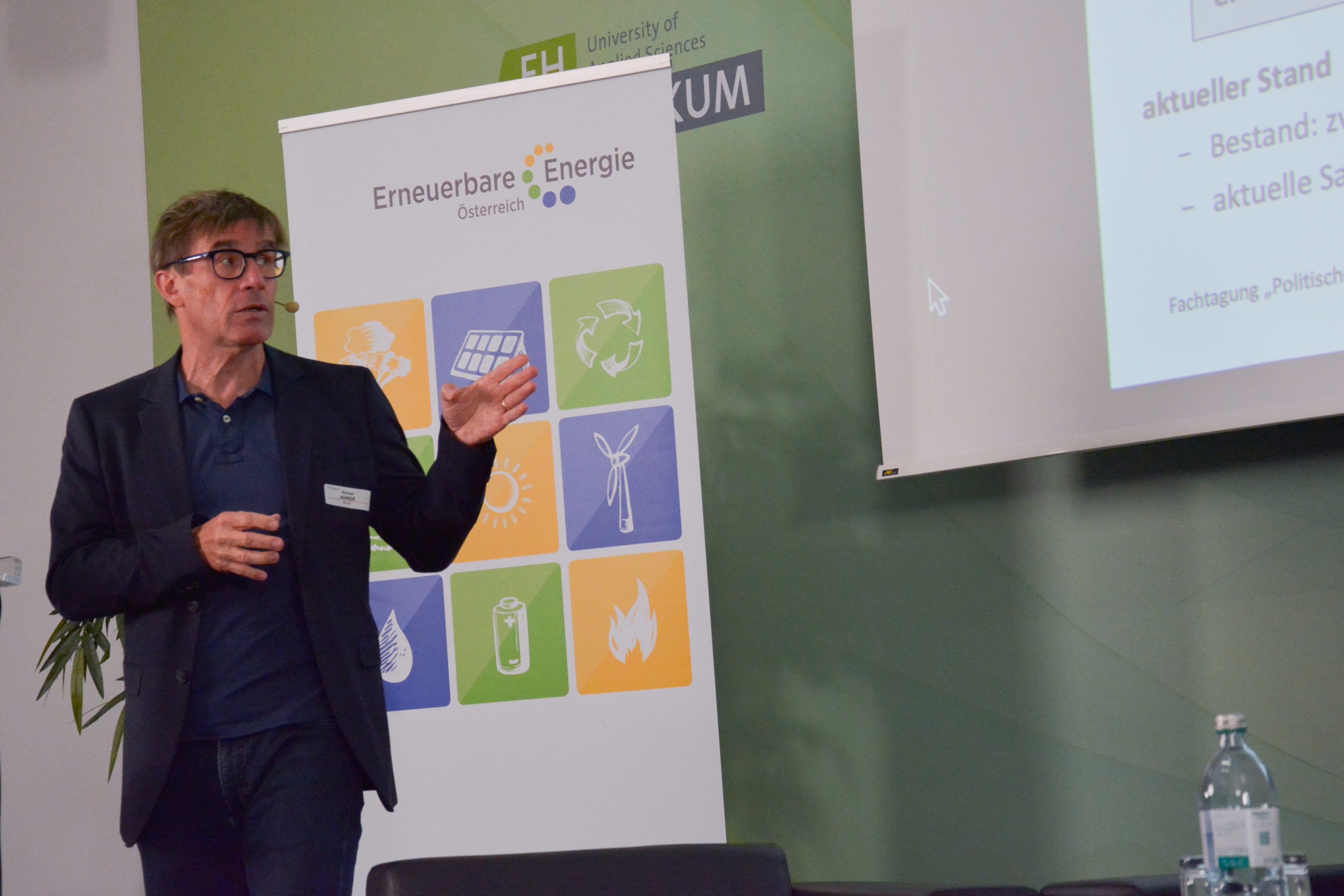
Housing researcher Eva Bauer framed decarbonization as the next stage in a long history of modernization: Many costs are due “anyway” because heating systems must be replaced on a regular basis; with intelligently coordinated federal and state subsidies, financing is fundamentally feasible. Michael Aumer (BMWET) outlined instruments to create greater momentum: a long-term policy framework, targeted subsidy mechanisms, simplifications in housing law, and the mobilization of private capital—all embedded in a coherent overall package that sends clear market signals.
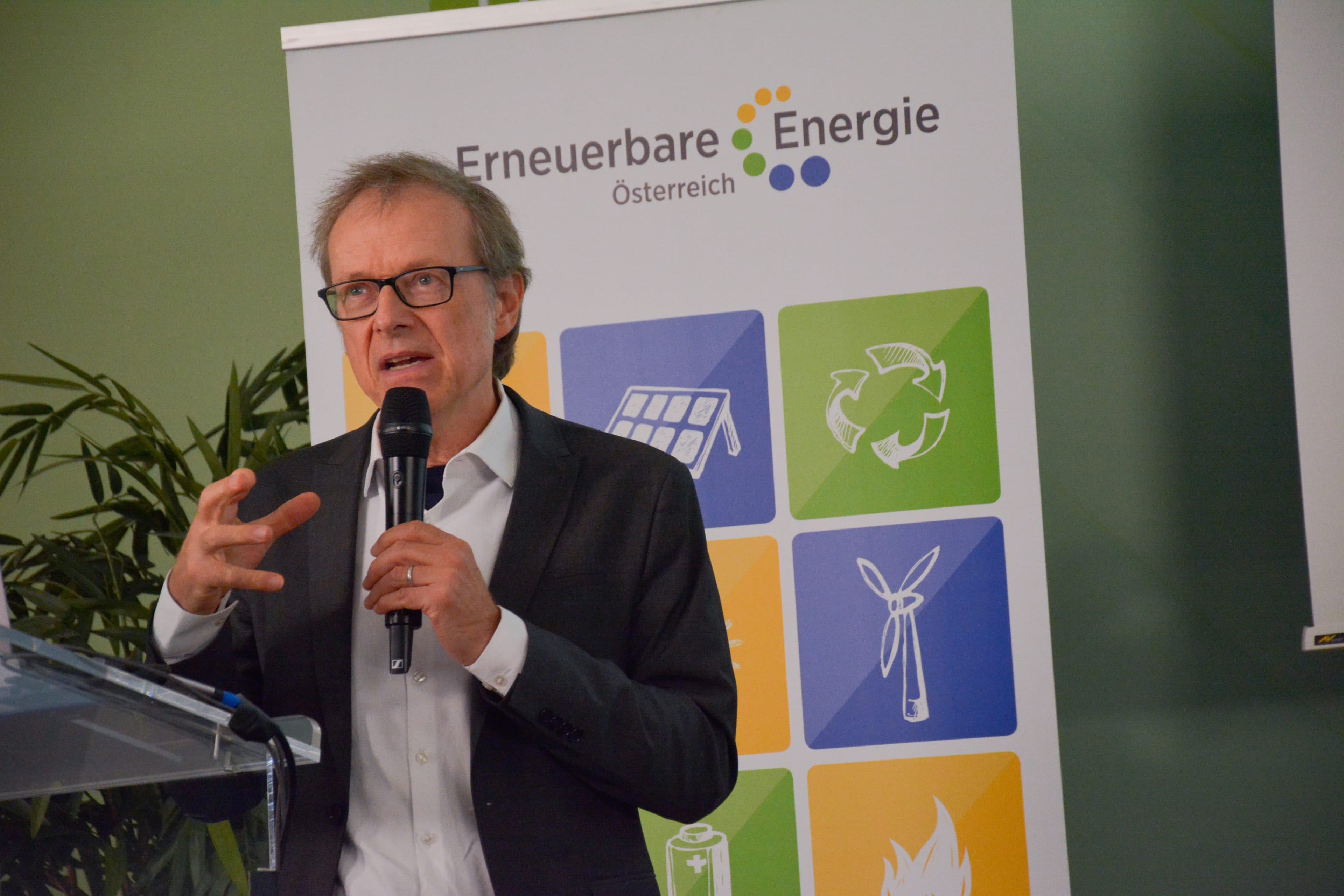
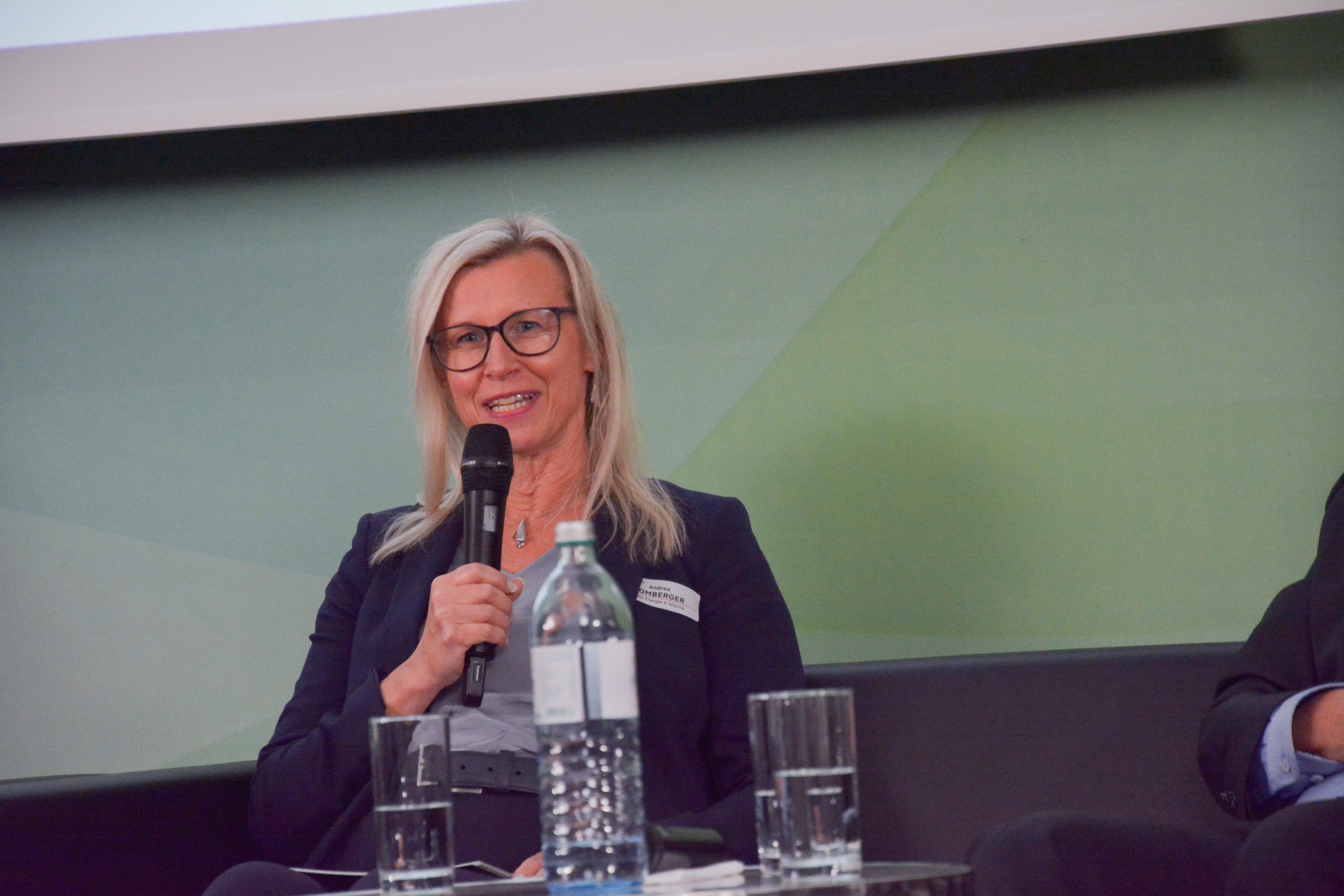
Christoph Hofinger (Foresight Research) summarized what the public needs: broad support for renewables, but different target groups with varying support needs. Clear rules reduce uncertainty; a stop-and-go approach to subsidies undermines trust. Andrea Domberger (KELAG Energie & Wärme) highlighted district heating as an efficient path to decarbonization but pointed out hurdles related to permitting and deadlines. Gernot Stöglehner (BOKU) called for the integration of energy supply and land-use planning; Jürgen Schneider (BMLUK) emphasized that climate protection must work in the market: renewables must be cheaper than fossil fuels.
In conclusion, Martina Prechtl-Grundnig summarized: Subsidies are necessary, but they are not sufficient without a clear phase-out path and reliable framework conditions. “It works elsewhere too”—guidance and consistent communication remain key.
EEÖ Expert Dialogue Partners
UAS Technikum Wien and the EEÖ have been collaborating successfully for several years as part of the Expert Dialogue. With degree programs such as Climate-Responsive Building Technologies, the university trains specialists who implement heating system replacements, renovations, and the expansion of renewable heat in businesses, municipalities, and planning offices.
Further Information:
Podcast episode on legal hurdles to the heating transition:
Legal Hurdles to the Heating Transition: Why Modern Heating Systems Are Still Difficult to Implement (#125 Gottfried Eder and Martina Prechtl-Grundnig)
The Heat Transition in Legal Terms: Expert Dialogue at UAS Technikum Wien
Master’s Program in Climate-Responsive Building Technologies
Faculty of Industrial Engineering
Climate Protection Through Education: Sustainability and Innovation in Higher Education (Podcast #118 with Gottfried Eder)
Renewable Energy Austria (EEÖ)
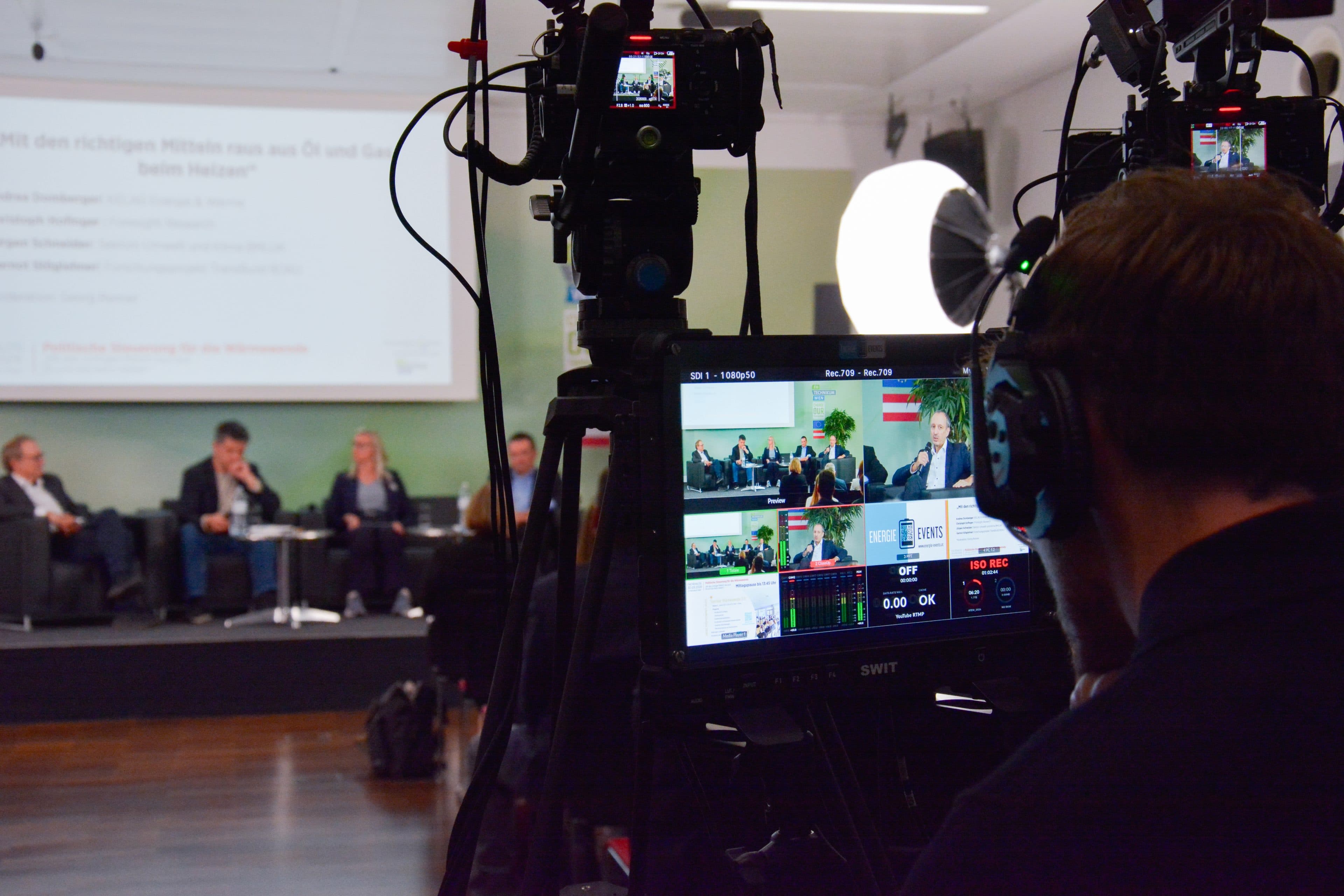
Video Of The Event:

Please accept cookies for external media to view videos
Picture Gallery:
Fotocredit für alle Bilder: Erneuerbare Energie Österreich (EEÖ)