From Idea to Game: Games for Change Student Challenge 2026
30 April, 2026
The course material was directly incorporated into ongoing game projects. Working in teams, students developed various games under realistic conditions.
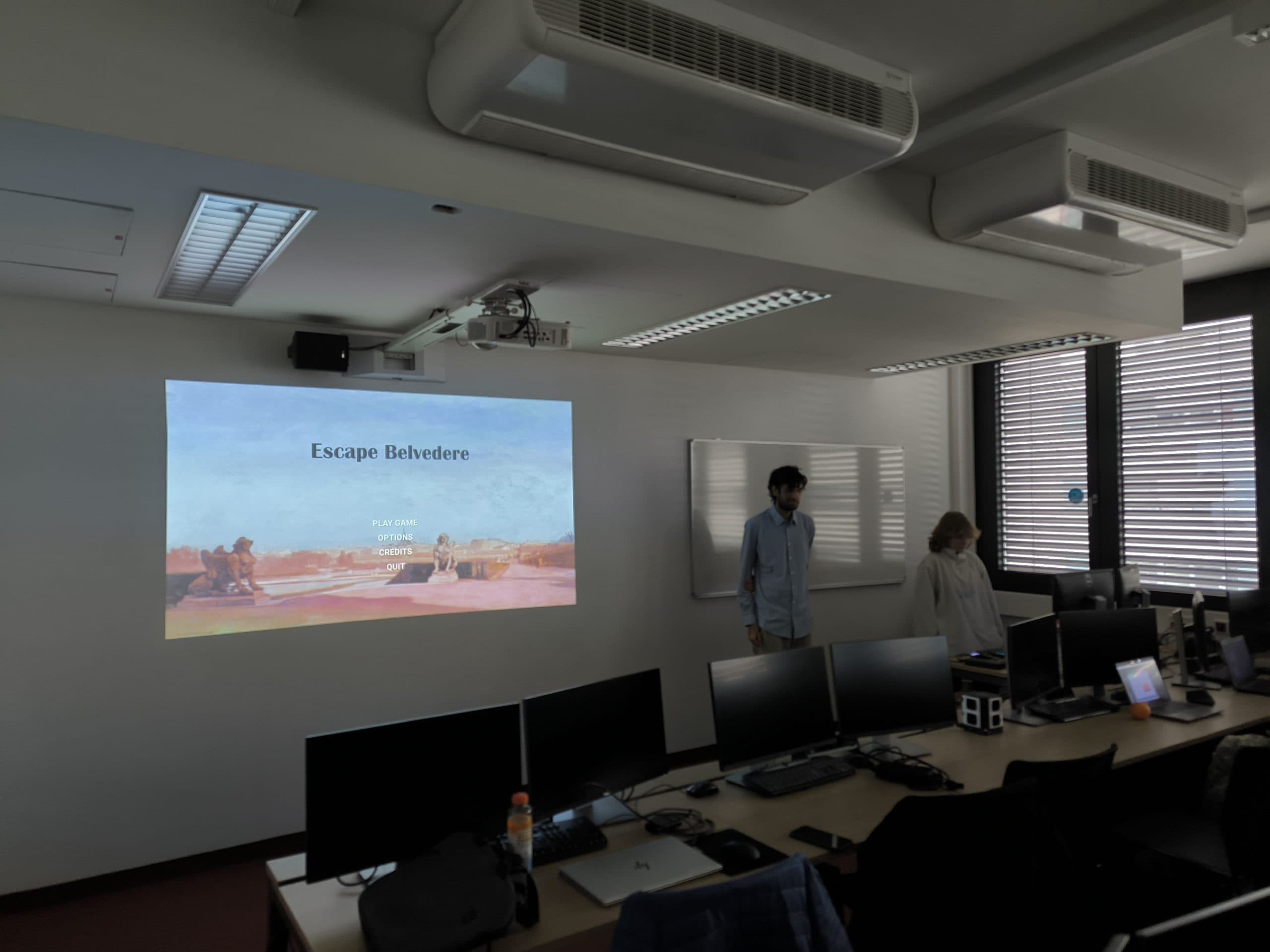
Computer science students in the Game Engineering track in their 4th semester participated in the Games for Change Student Challenge 2026 (organized by SUBOTRON) from late February through March 30, 2026.
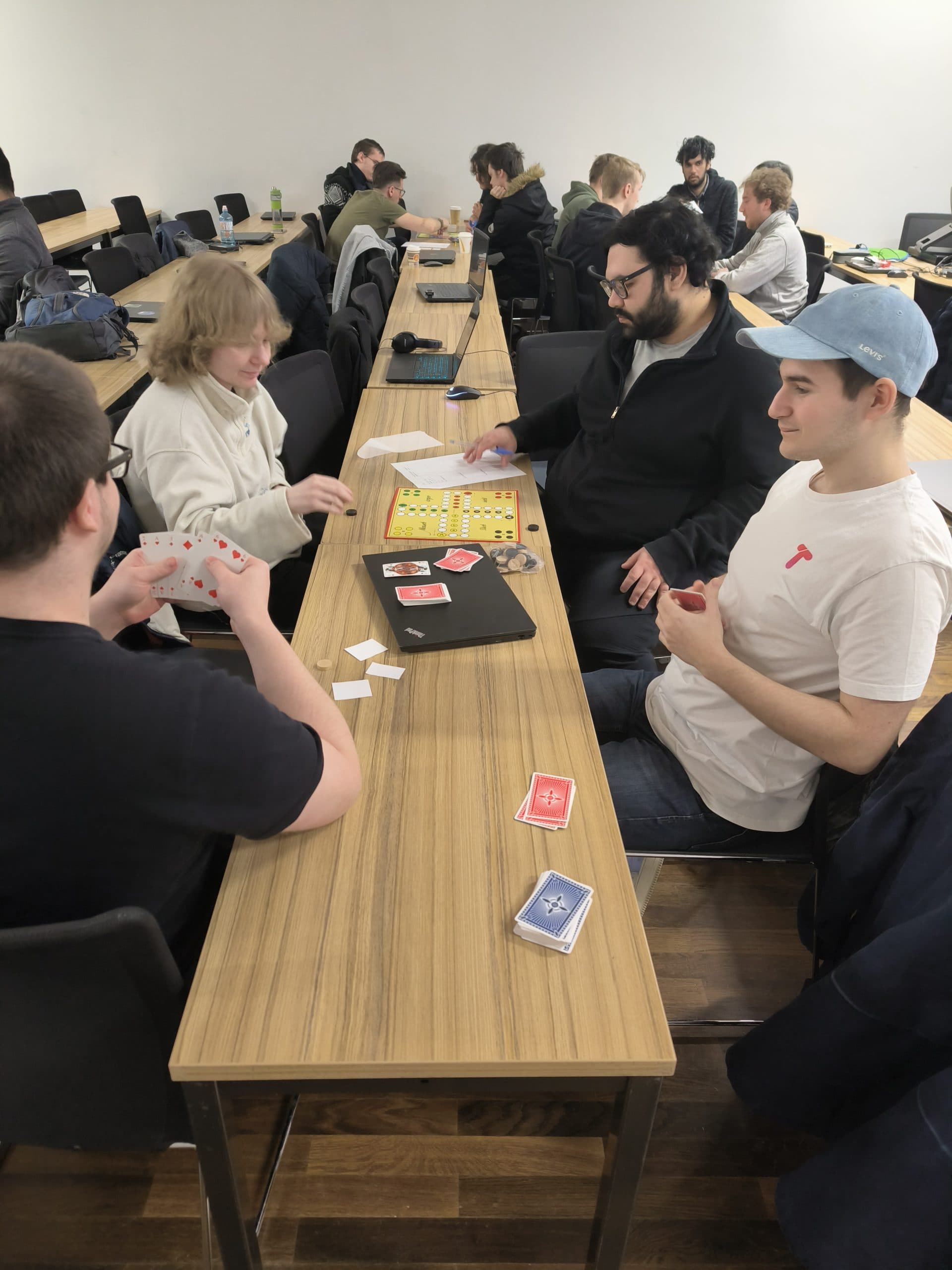
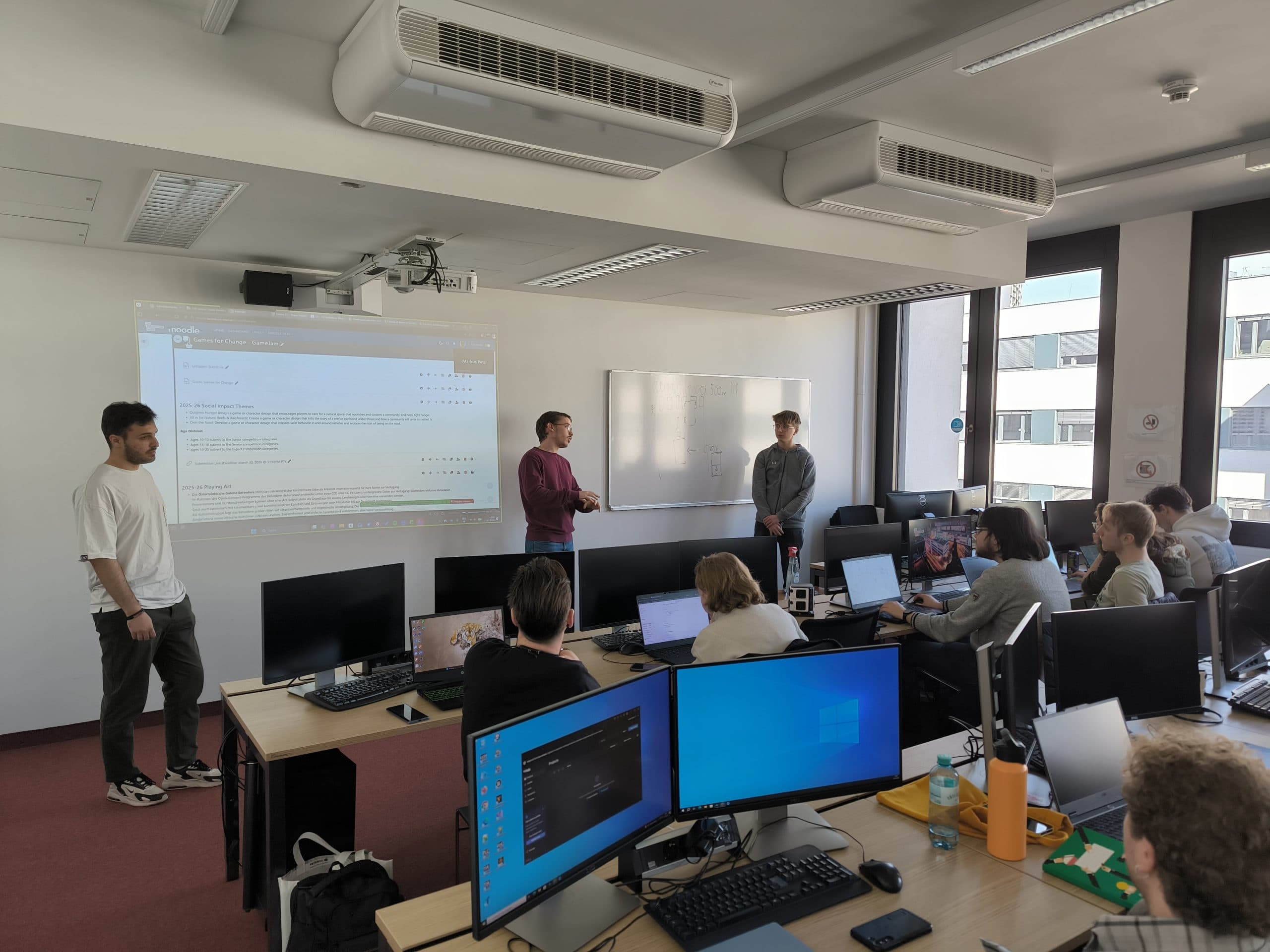
The challenge kicked off with a joint project day, during which ideas were presented, discussed, and immediately developed further in teams. Work on the projects continued over several weeks as part of the Game Engineering specialization courses.
Challenges from the Projects Were Addressed in the Courses
The courses “Fundamentals of Game Development” and “Content Creation” are taught by Markus Petz and Christian Hübel from the Software Engineering & Architecture department and are based on an approach combining project-based learning and the flipped classroom. The Games for Change Student Challenge 2026 provided the ideal framework for this: content from the courses flowed directly into the projects, while challenges from the projects were addressed and discussed in the courses, and proposed solutions were in turn incorporated into the further development of the games.
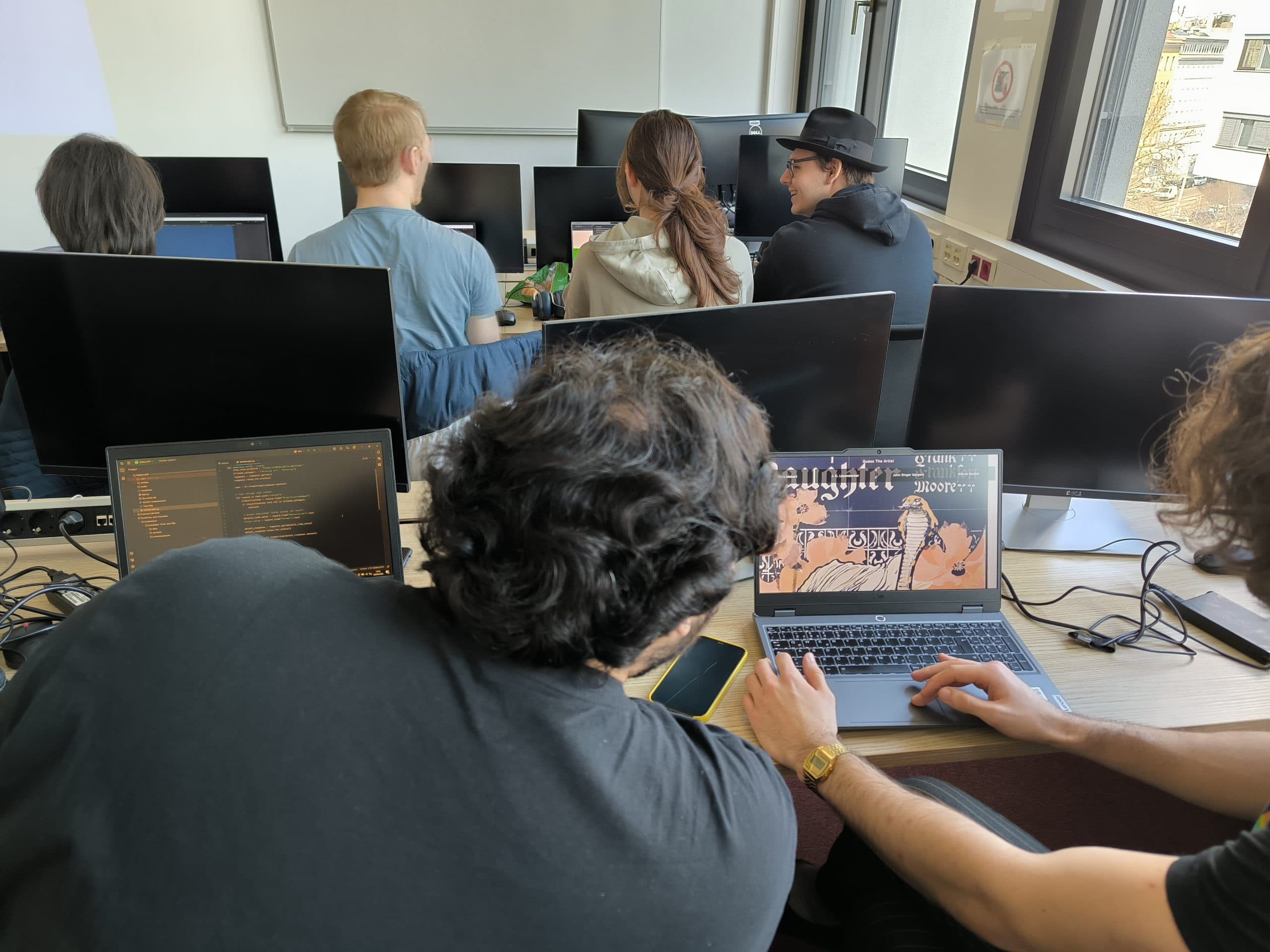
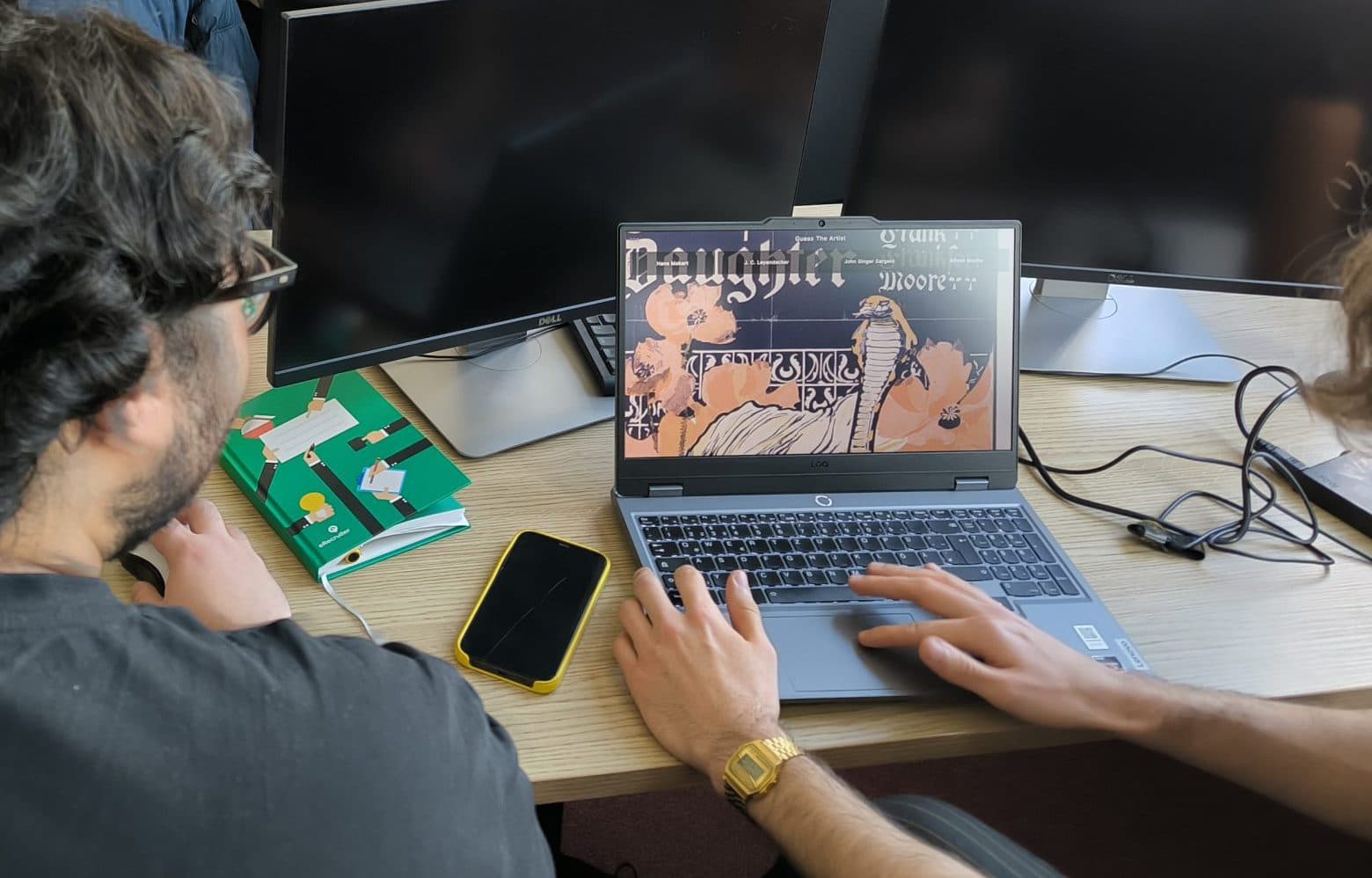
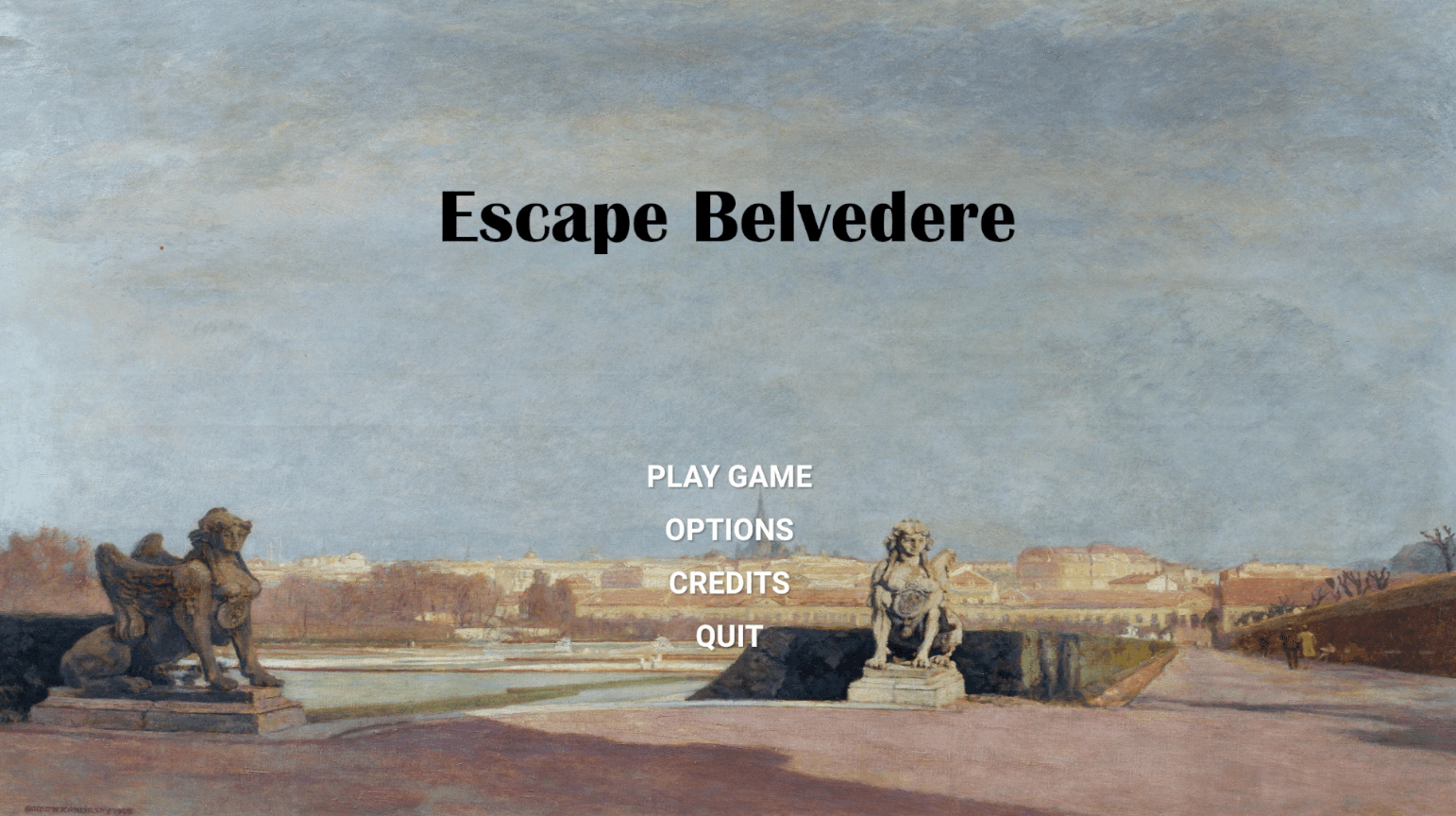
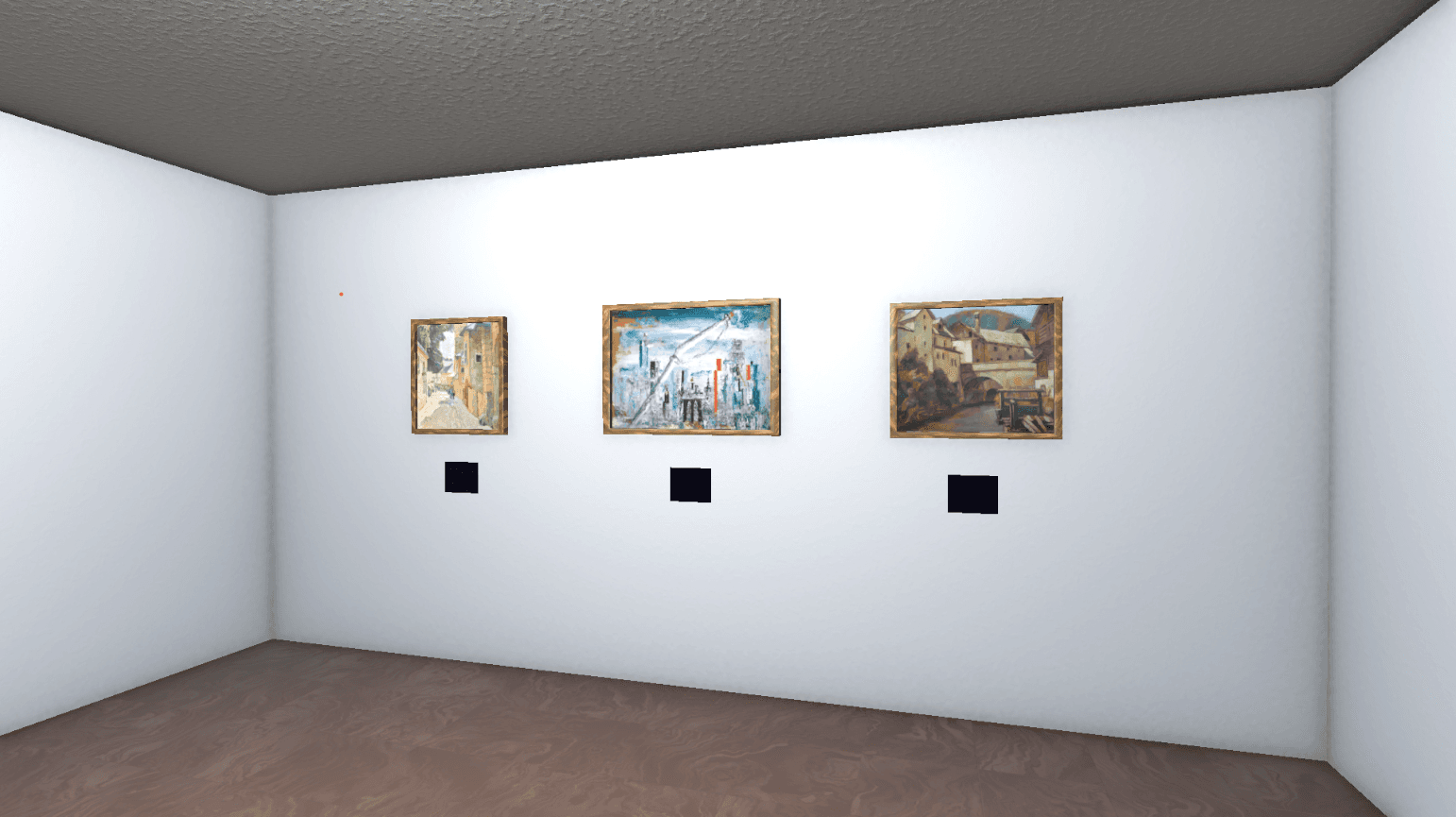
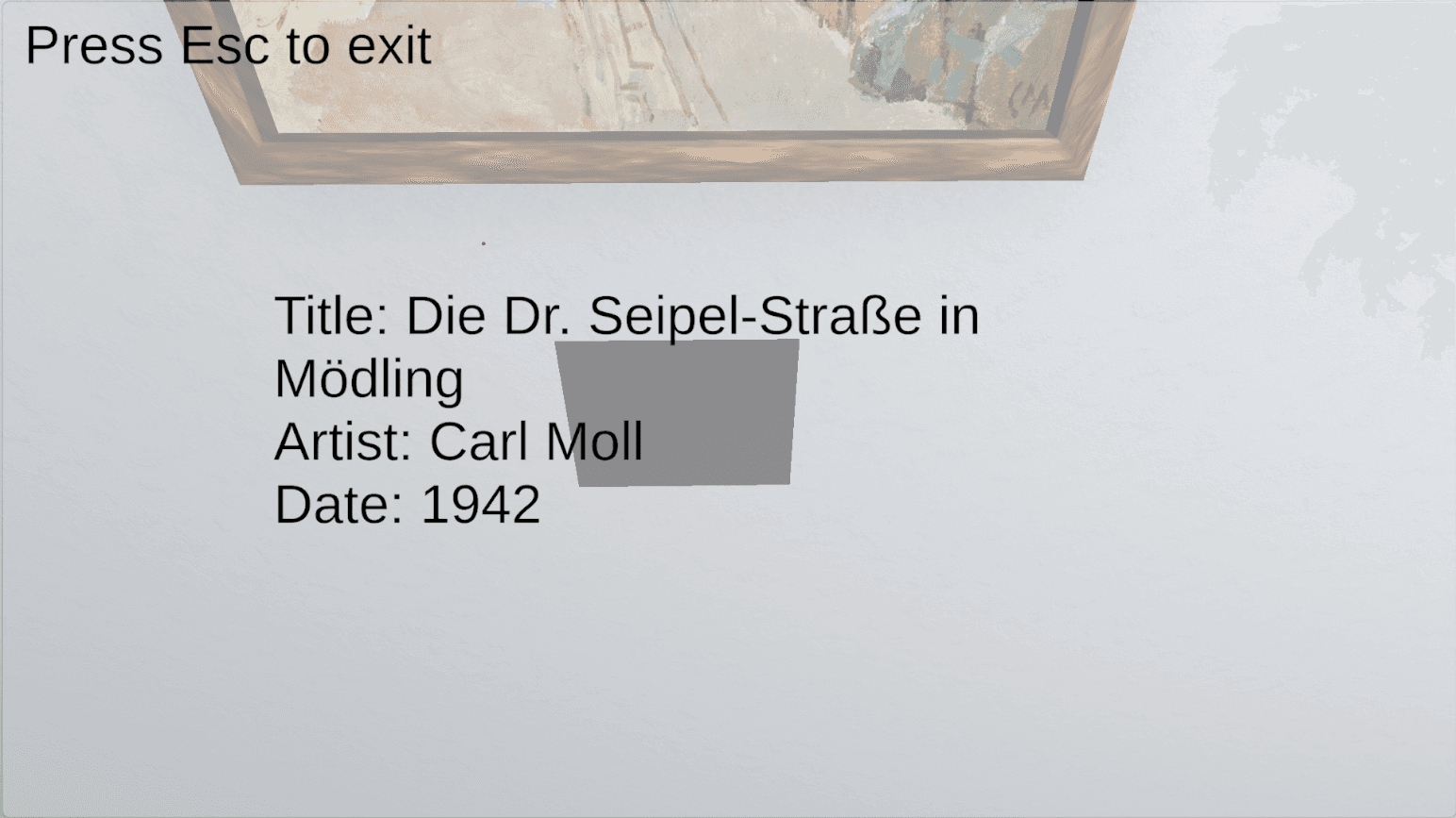
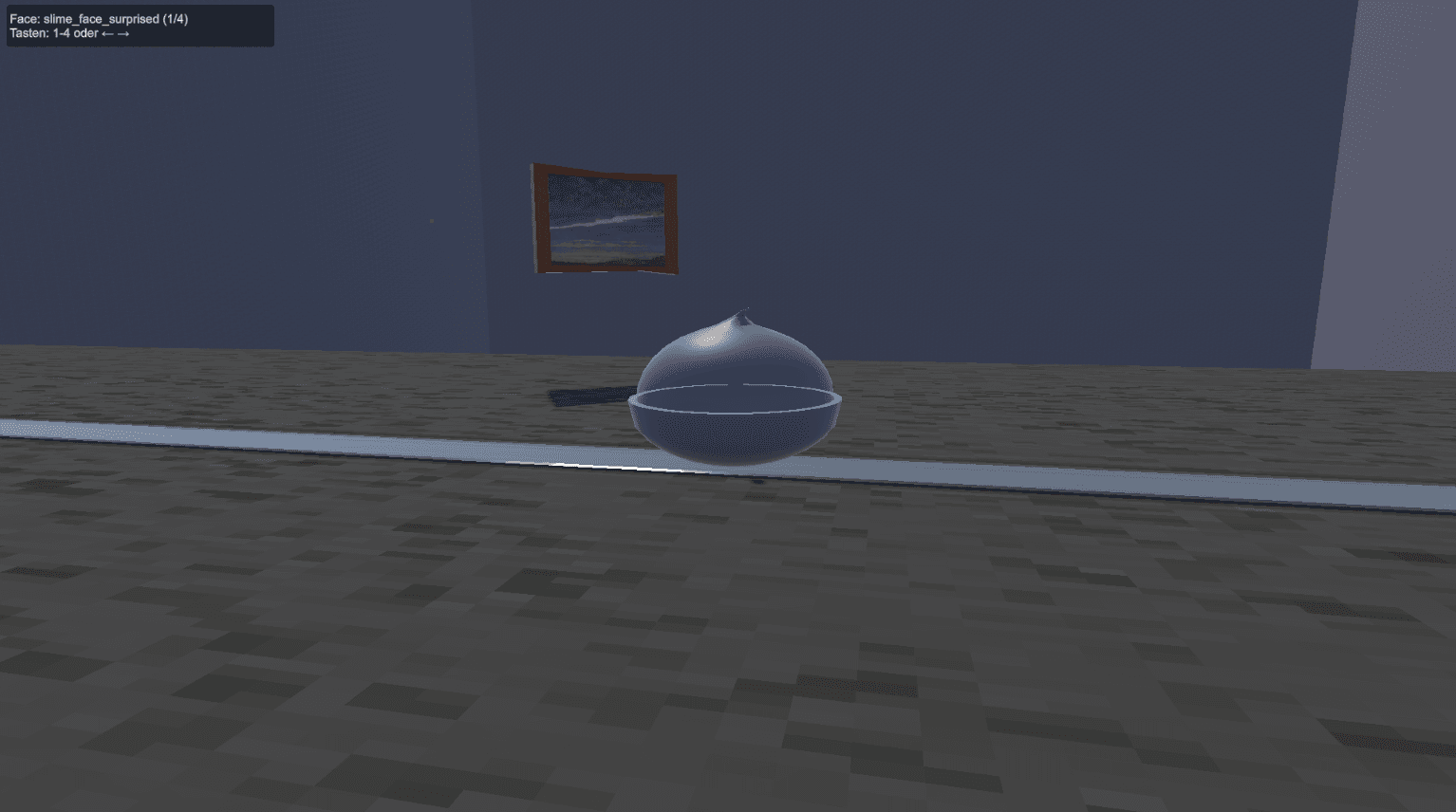
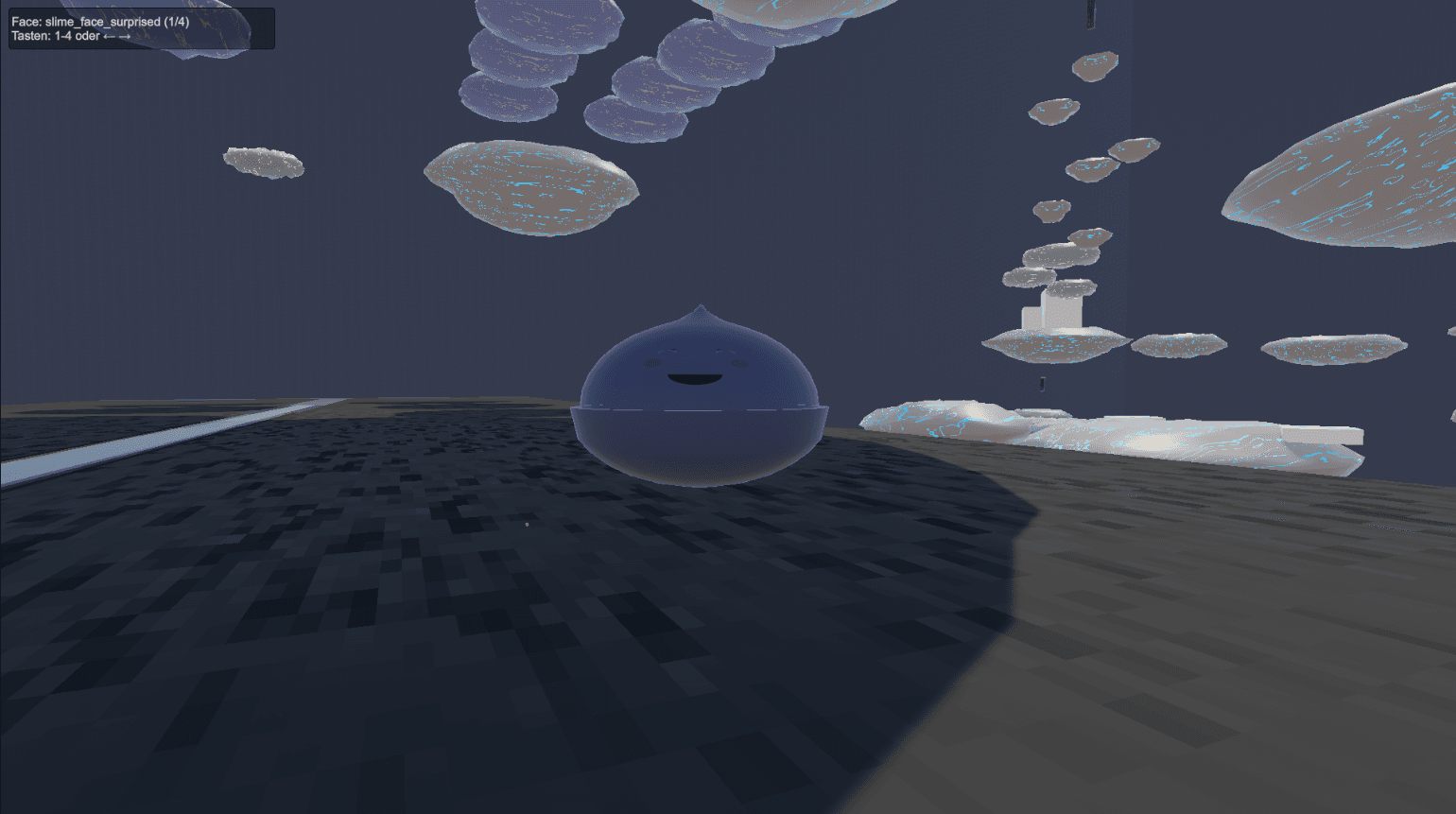
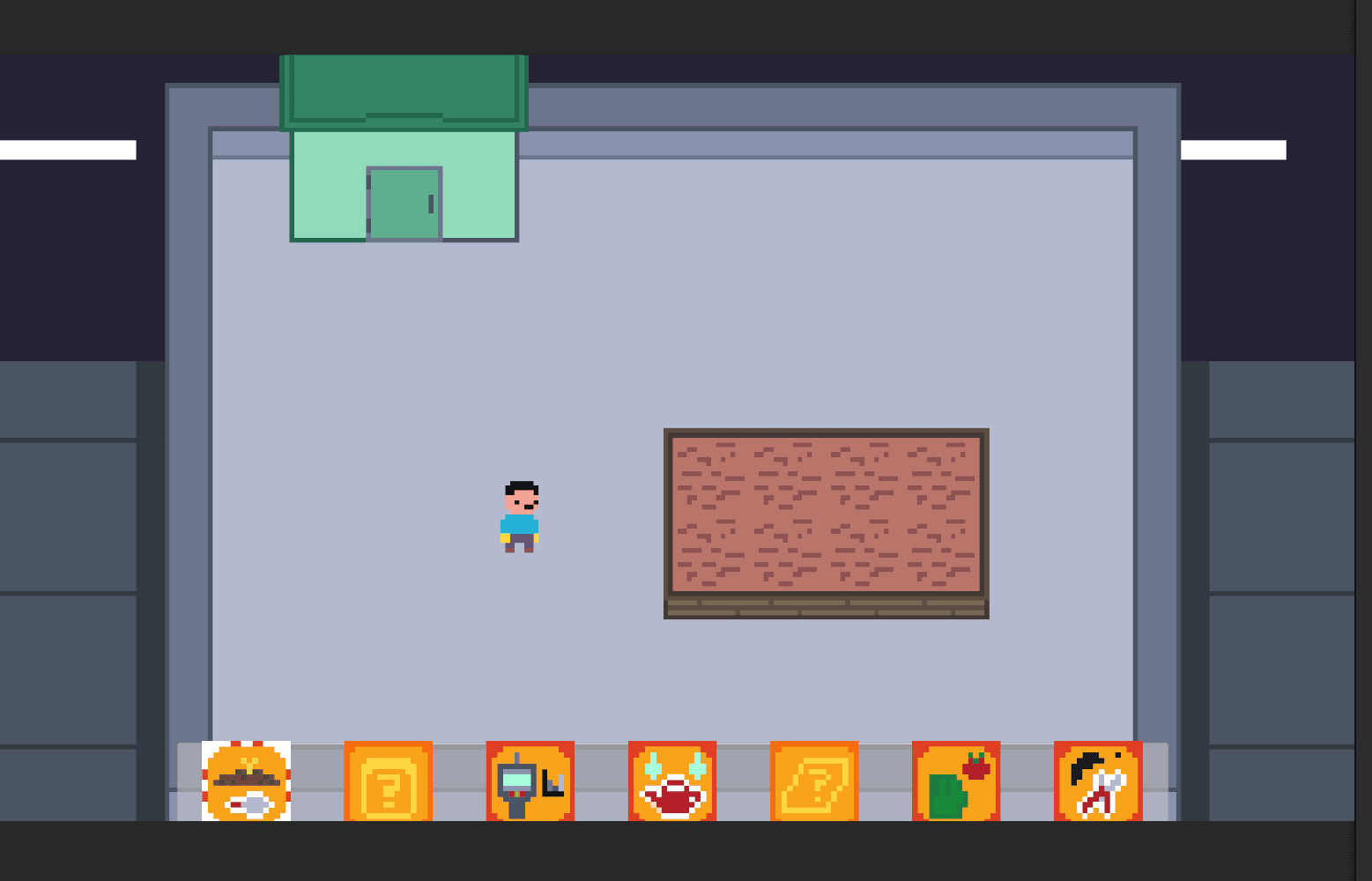
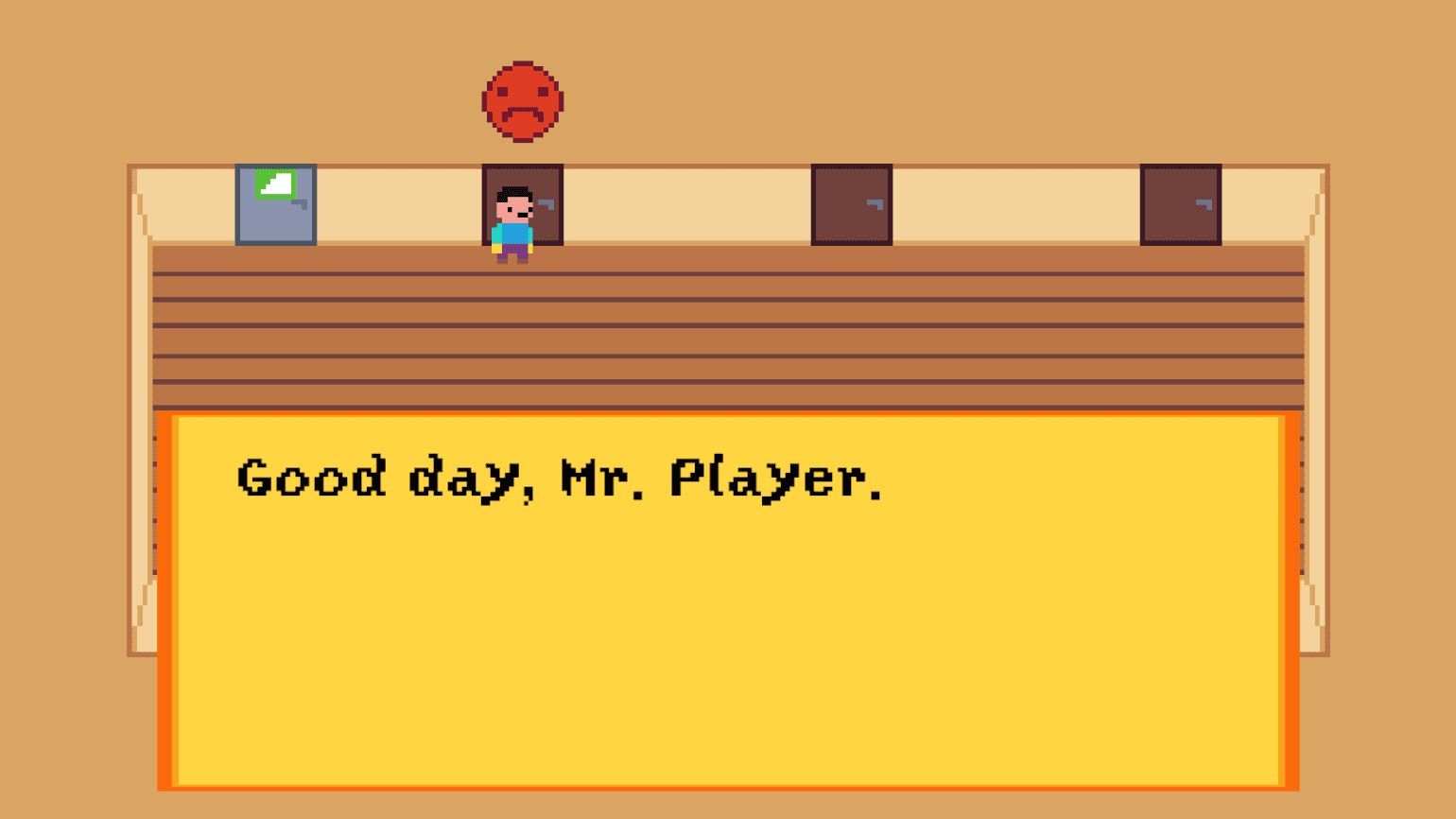
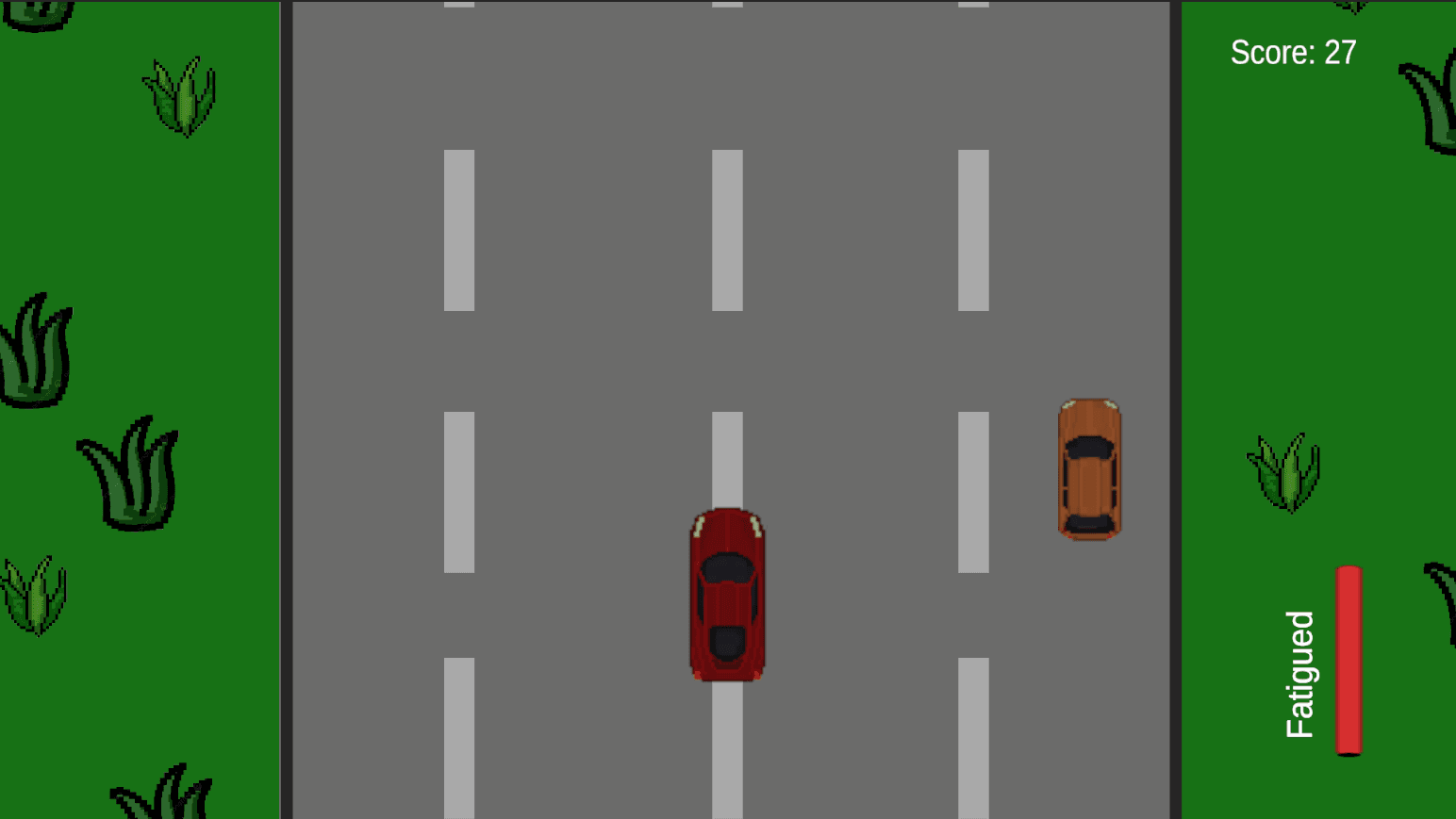
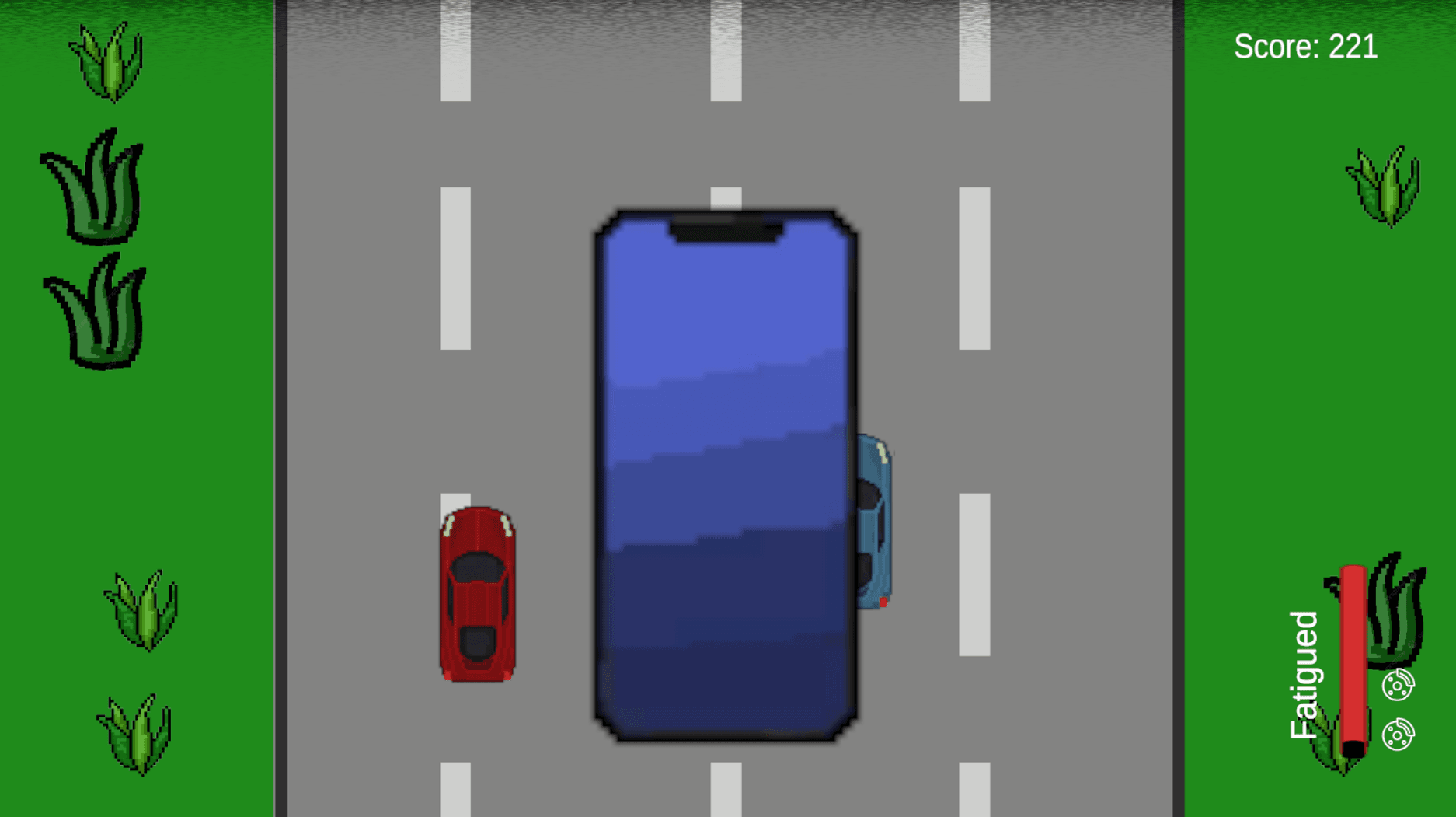
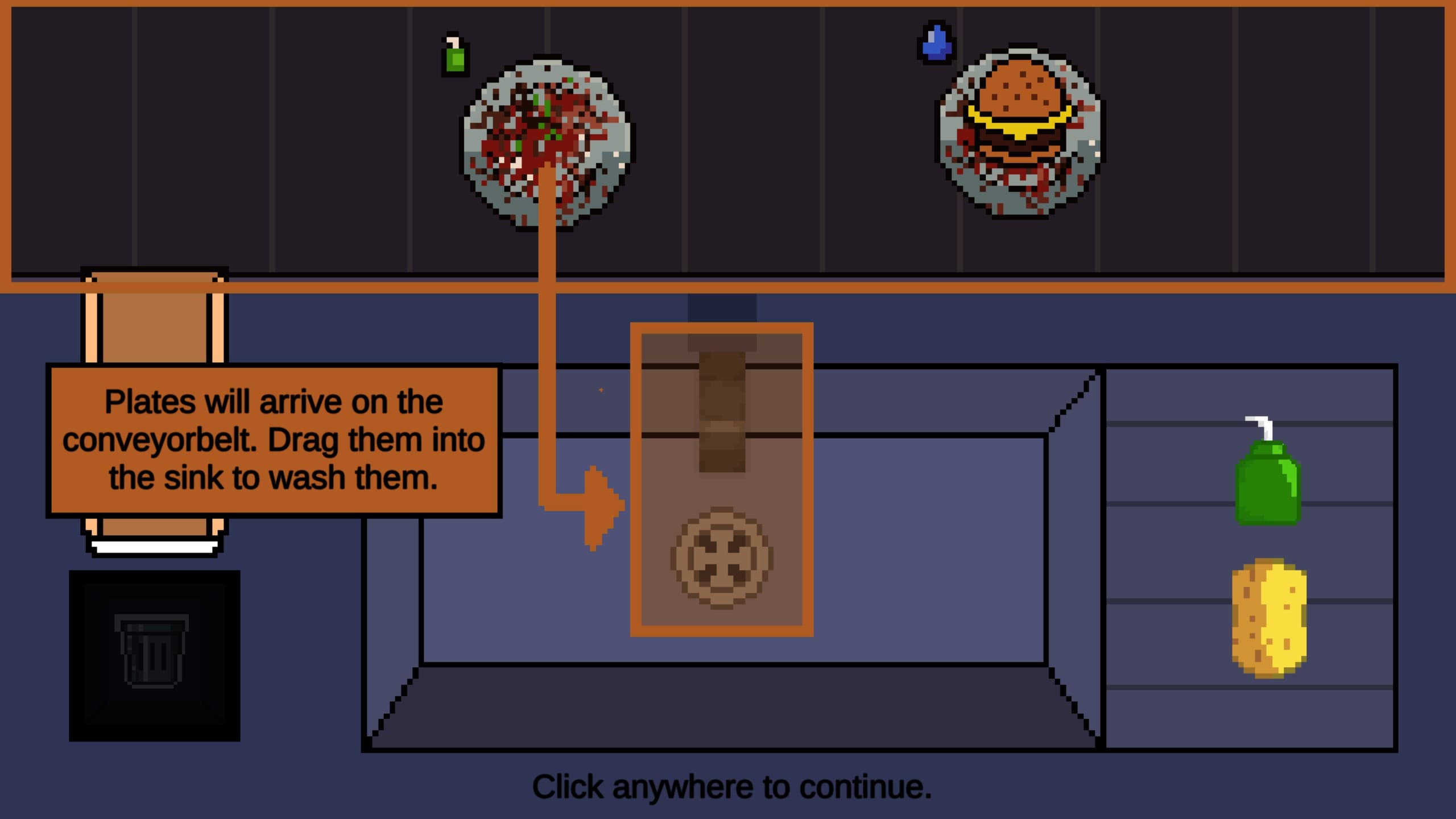
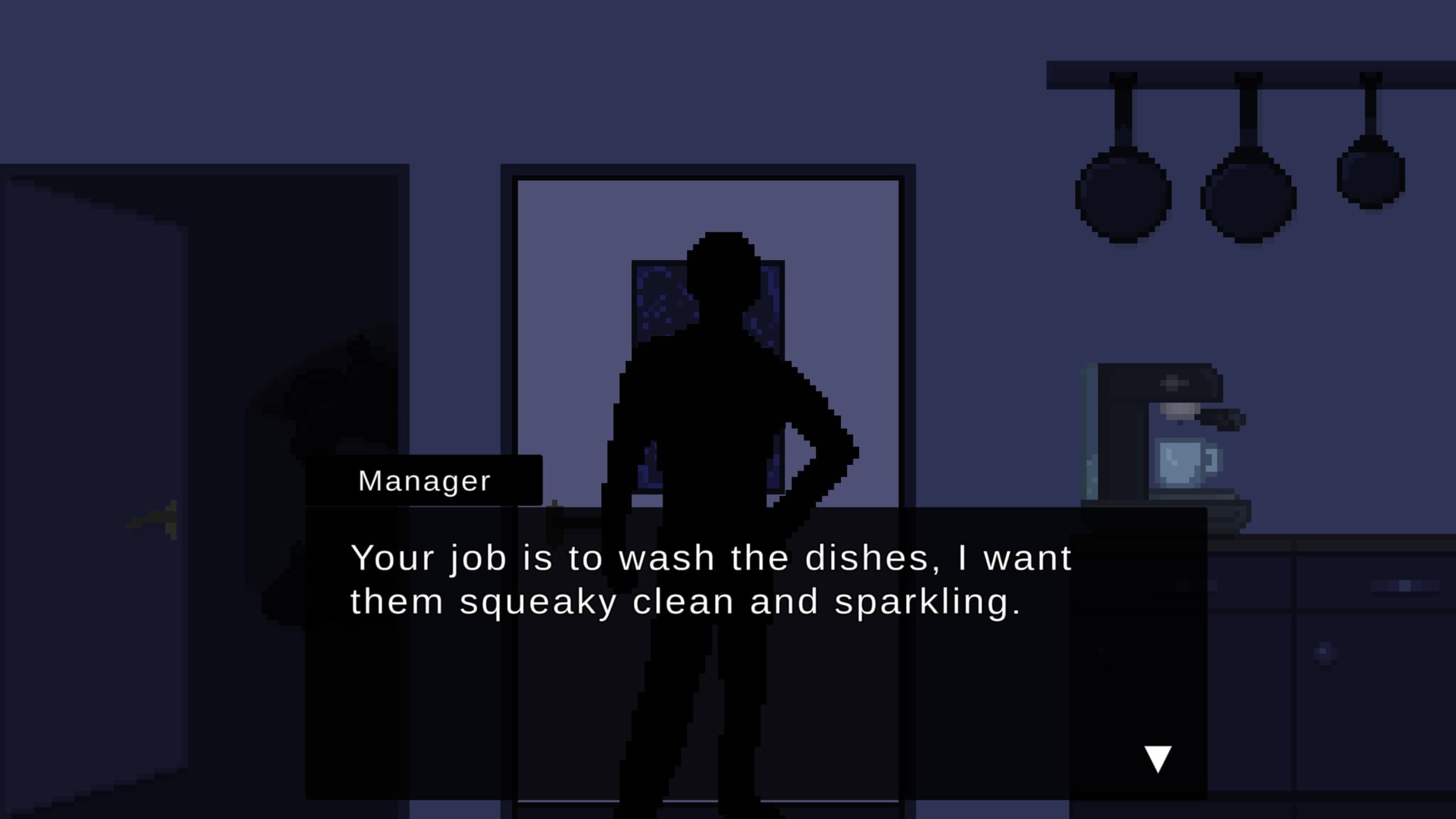
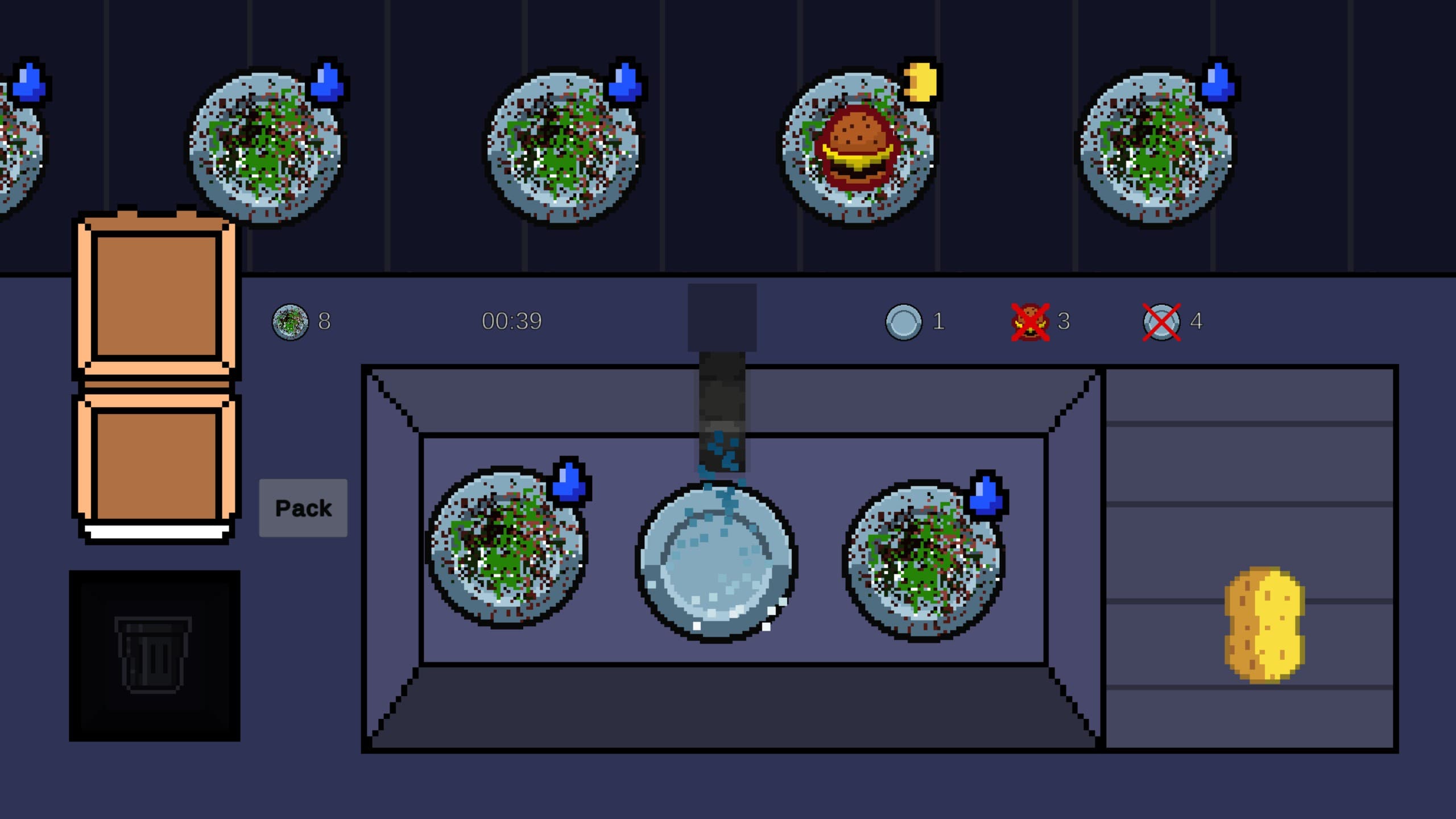
In just a few weeks, a wide variety of games were created: “Gallery Guesser,” “Escape Belvedere,” and “In the Skies” (Play Art), as well as “Washed out,” “Roof Garden,” and “Scrolln Ride” (Game4Change).
Overcoming Challenges Under Realistic Project Conditions
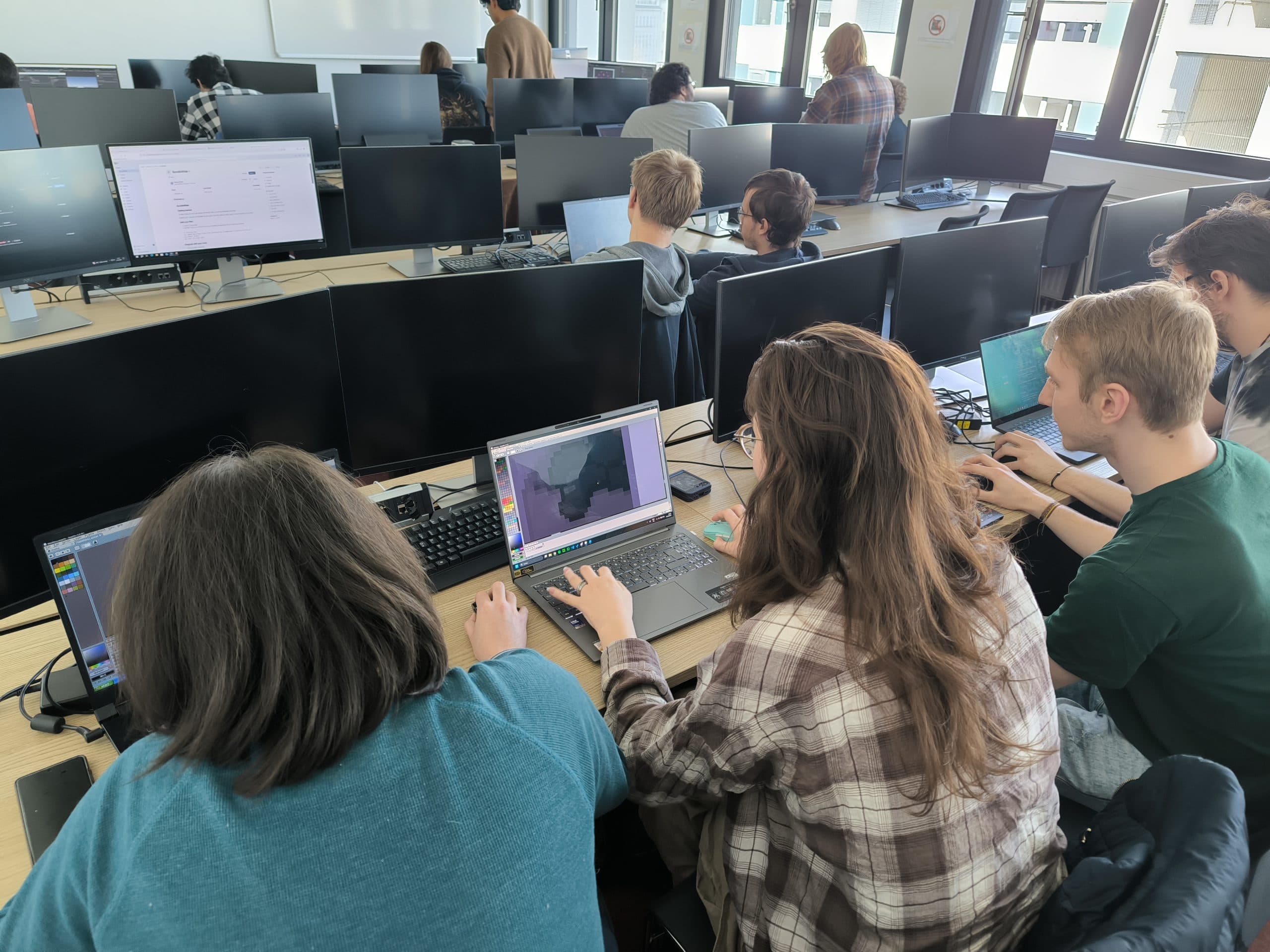
In addition to technical and design implementation, participation in the Games for Change Student Challenge 2026 and the two courses focused primarily on teamwork, iterative development processes, and jointly overcoming challenges under realistic project conditions. Many students invested additional time and energy in their projects even after class.
A great deal was implemented and tested in a short period of time. Participation in the Games for Change Student Challenge 2026, which was supported by two courses, clearly demonstrates how practice-oriented the program at UAS Technikum Wien is—and how much can be achieved in a relatively short time when working together on ideas.
Further Information:
SUBOTRON Austrian Game Jams 2026
Bachelor’s Program in Computer Science
Faculty of Computer Science & Applied Mathematics
Screenshots from the Games:


Picture Gallery: