ICRERA 2025 at UAS Technikum Wien: Scientists from 64 nations met for professional exchange
24 November, 2025
International conference held over four days at Höchstädtplatz.
ICRERA 2025 was held at UAS Technikum Wien at the end of October. An extensive program of almost 350 contributions—including around 270 in-person presentations, a series of tutorials, and several online sessions—turned our university into an international meeting place. ICRERA is one of the longest-running international conference series focusing on research into energy transition solutions with corresponding power electronics systems. In Vienna, the Power Electronics and Control Systems (KFPCS) competence field was responsible for the conference, with Johannes Gragger as General Chair.
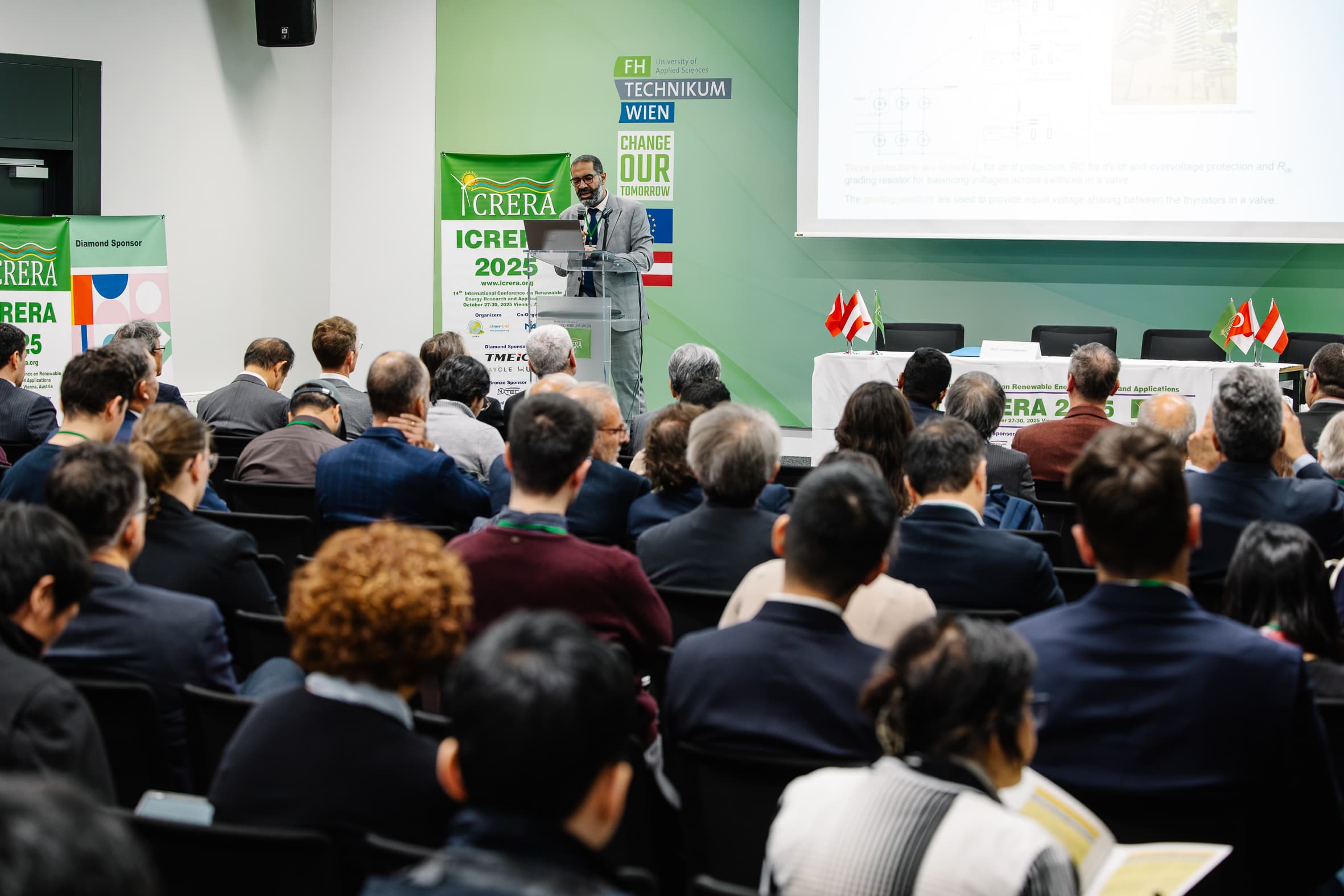
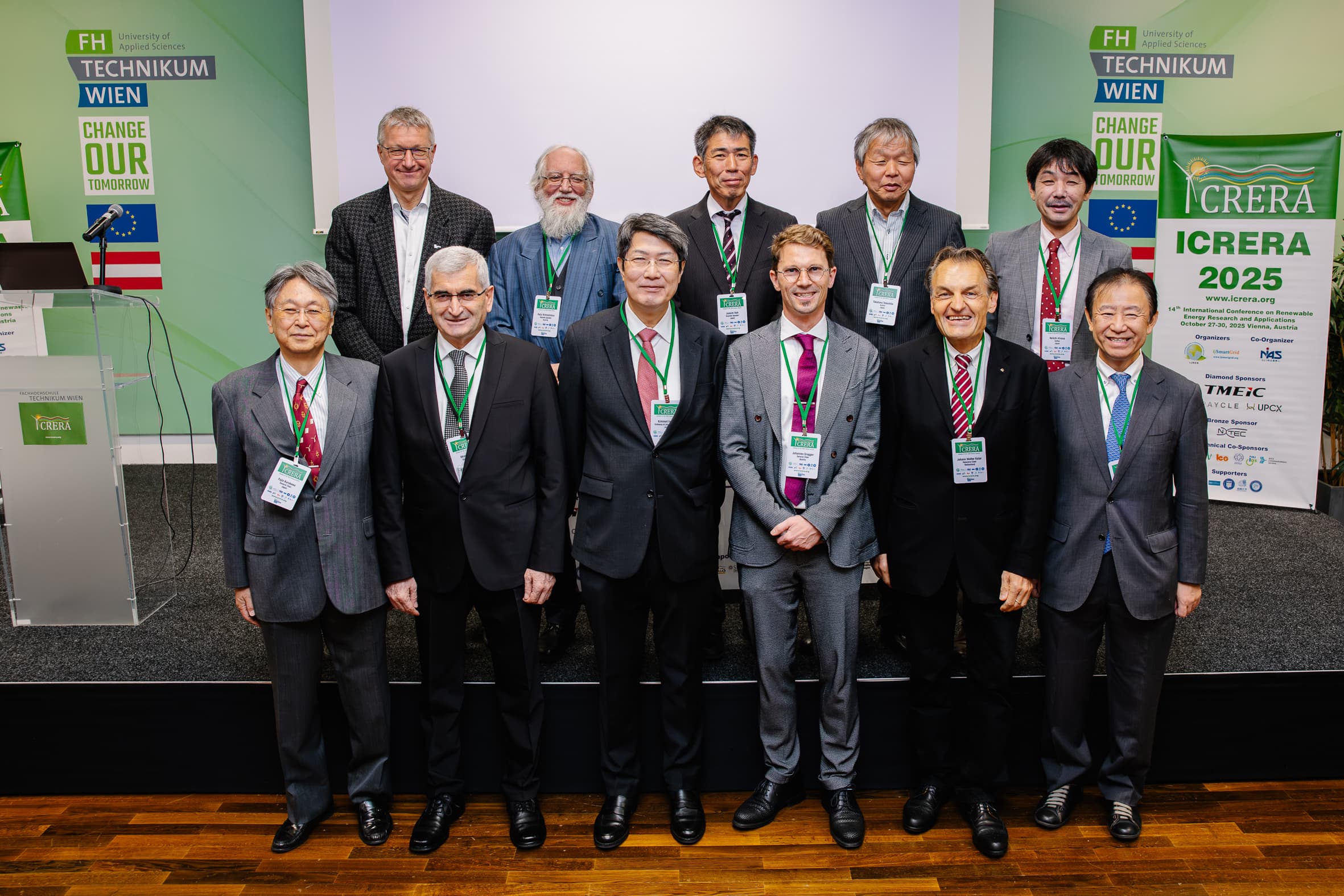
On Monday, the tutorials already drew a full house at Höchstädtplatz, giving a glimpse of what was to come over the next three days. On Tuesday, the conference was officially opened, and the significance of the event was particularly emphasized in the keynote speech by Japanese Ambassador Kiminori Iwama, who was welcomed by Vice Rector Stefan Sauermann.
This was followed by keynote speeches, including one by Prof. em. Johann Kolar from ETH Zurich, who highlighted the positive development of power electronics at FHTW and stated: “We are facing enormous challenges due to climate change and the uncertainty of energy supply. This is a call to action. Power electronics are a key element and a driving force for the next generation of energy systems, which should be cleaner and more efficient than today’s.” Kiminori Iwama, Japanese Ambassador to Vienna, pointed to the “triangle of business, research, and government” that was represented at the event and reflected the “Japanese approach of close networking between universities and industry.”
This was followed by industry presentations and a series of parallel session tracks. Topics ranged from the presentation of new findings and innovations in power electronics topologies and corresponding control engineering to relevant analyses at the system level and the comparison of different strategies for green transformation in electrical energy generation.
Among the high-caliber presentations, the FHTW contributions also met with a great response. These included the keynote speech by Prof. Himmelstoß (KFPCS) and his paper (together with Johannes Gragger), which was awarded 2nd Best Paper, as well as the two contributions by Bernhard Grasel (KFRET), who also served as session chair.
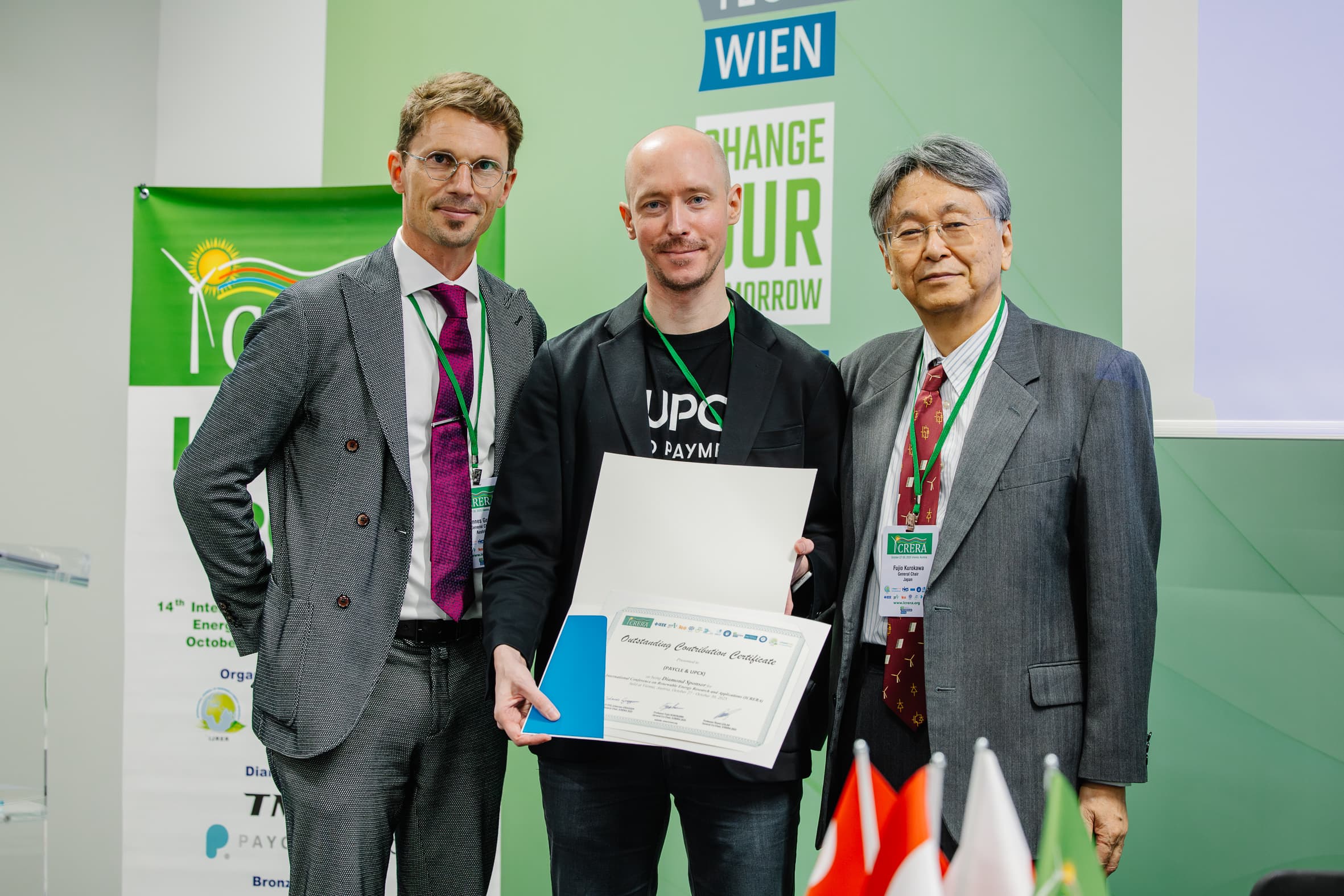
This year’s IEEE-sponsored ICRERA conference is the result of many years of scientific activity and corresponding international networking in the field of power electronics at the FHTW. The cooperation with Gazi University and Nagasaki Institute of Applied Science is particularly noteworthy at this event.
Harald Winkelhofer and Sabine Merwart, who were both actively involved in the run-up to and during the event, can also look back on excellent feedback from participants regarding the program, catering, and atmosphere.
Helmut Votzi, program director of the master’s program in Power Electronics and Sustainable Energy Technology, focuses on teaching: “Hosting ICRERA at our university also gave our junior staff and some students the valuable opportunity to experience a major scientific event up close. And these experiences often make all the difference.”