Mechanical Engineering In Transition: Christian Knill On AI, Connectivity, And Resource Efficiency
09 November, 2026
In his guest lecture at UAS Technikum Wien, Christian Knill spoke about key trends in mechanical and metal engineering. He gave students a firsthand look at the dynamics of global value chains. Knill explained why robotics, sensor technology, and data analysis must be built on a solid technical foundation.
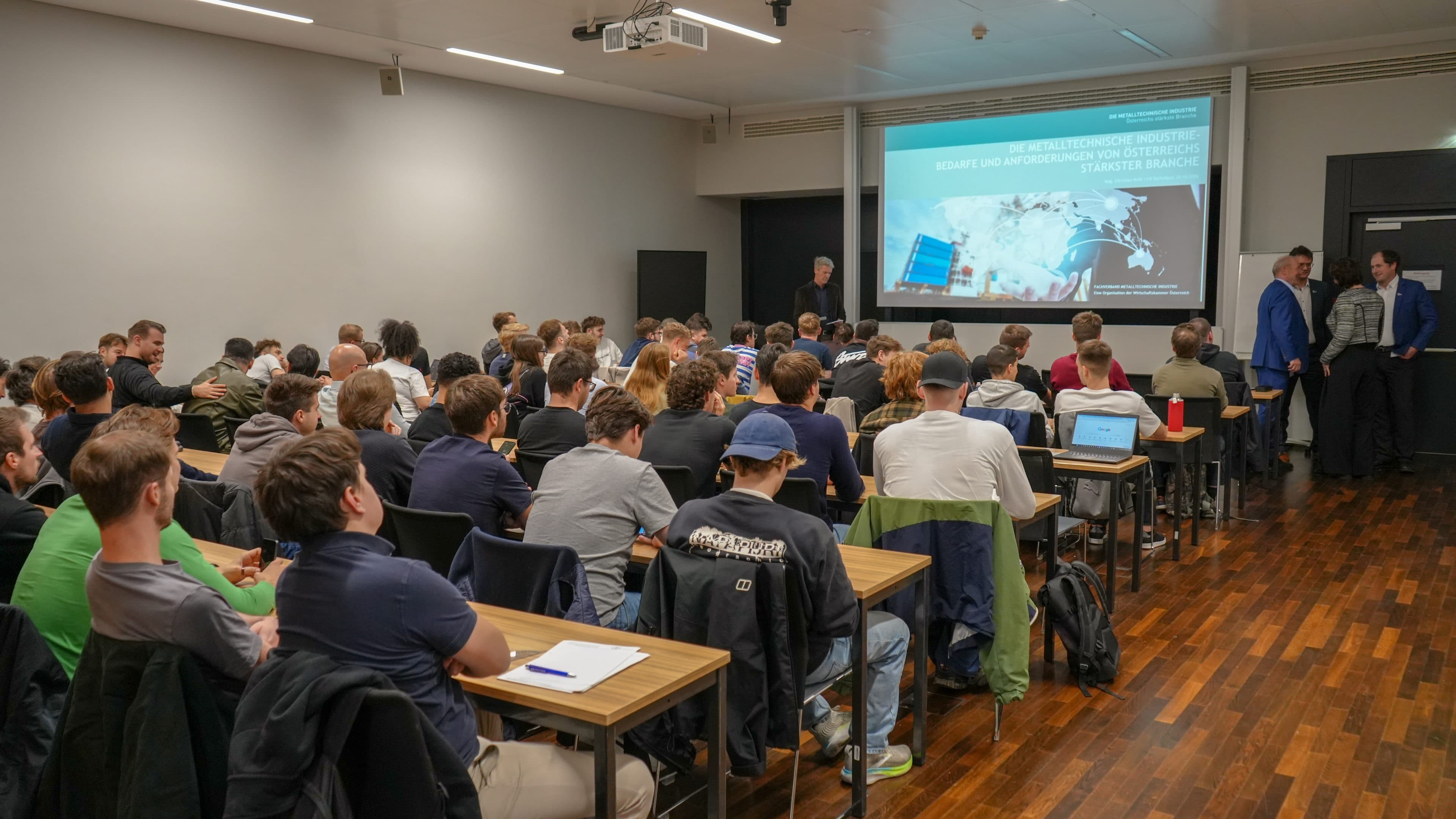
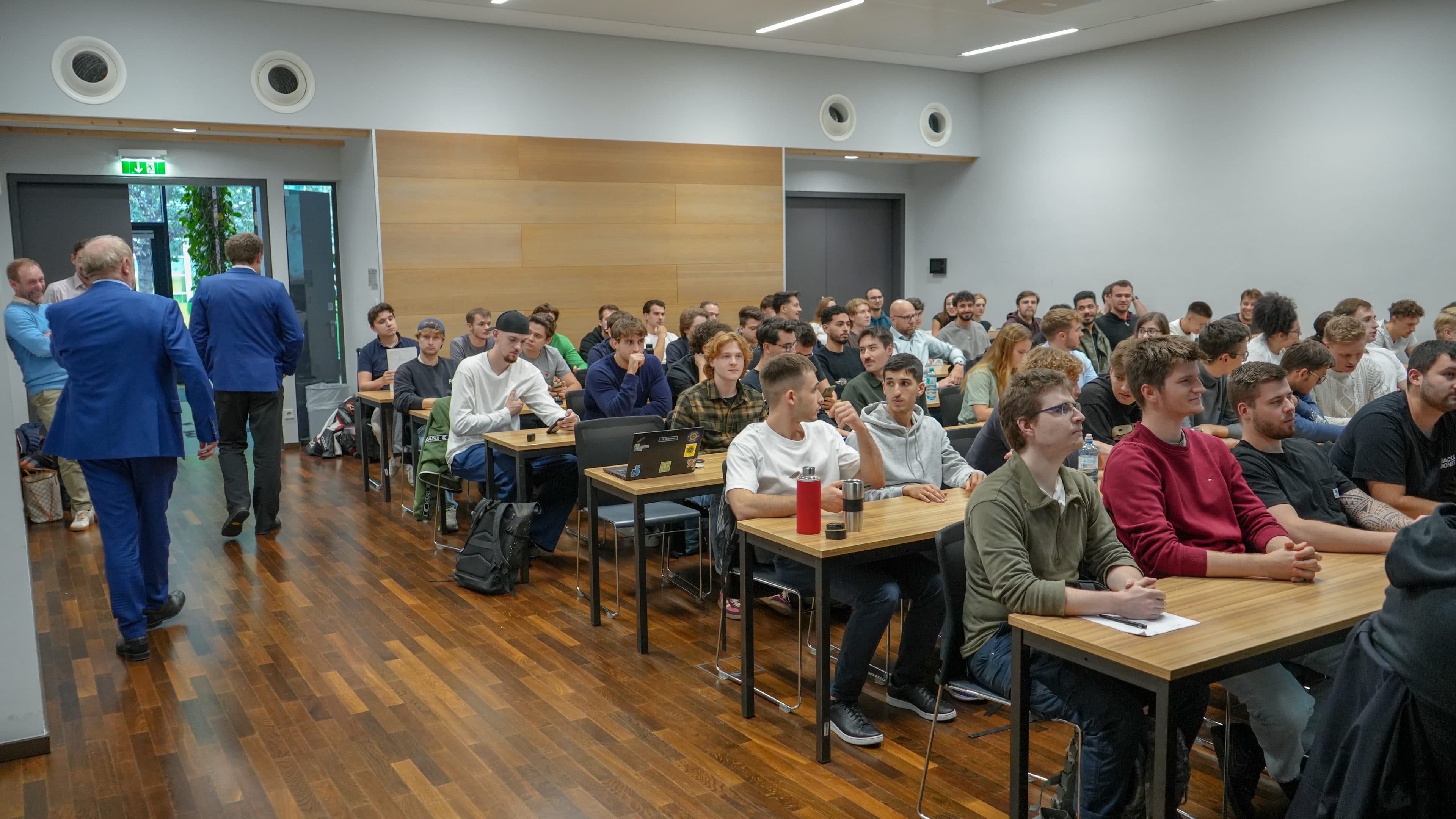
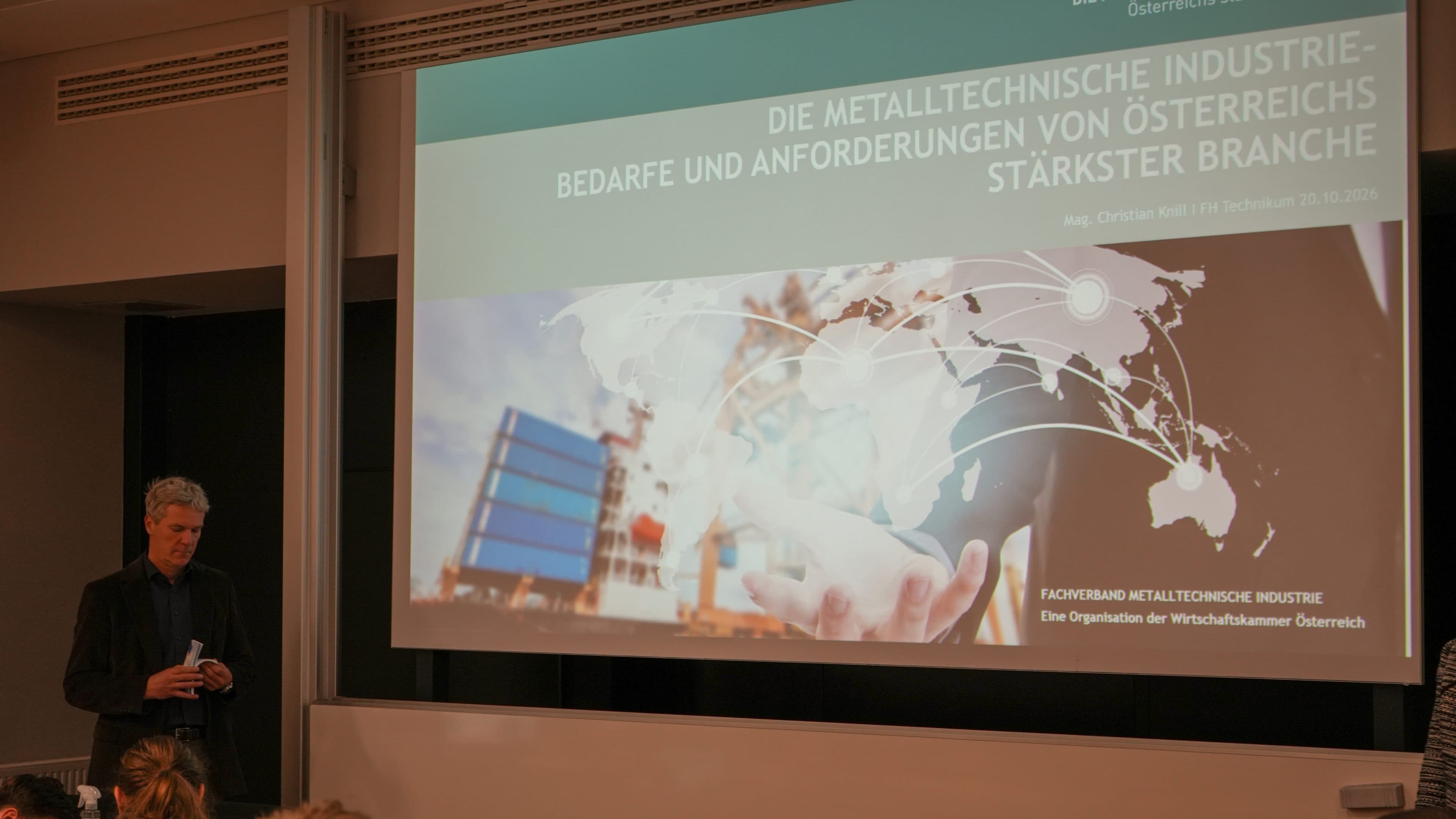
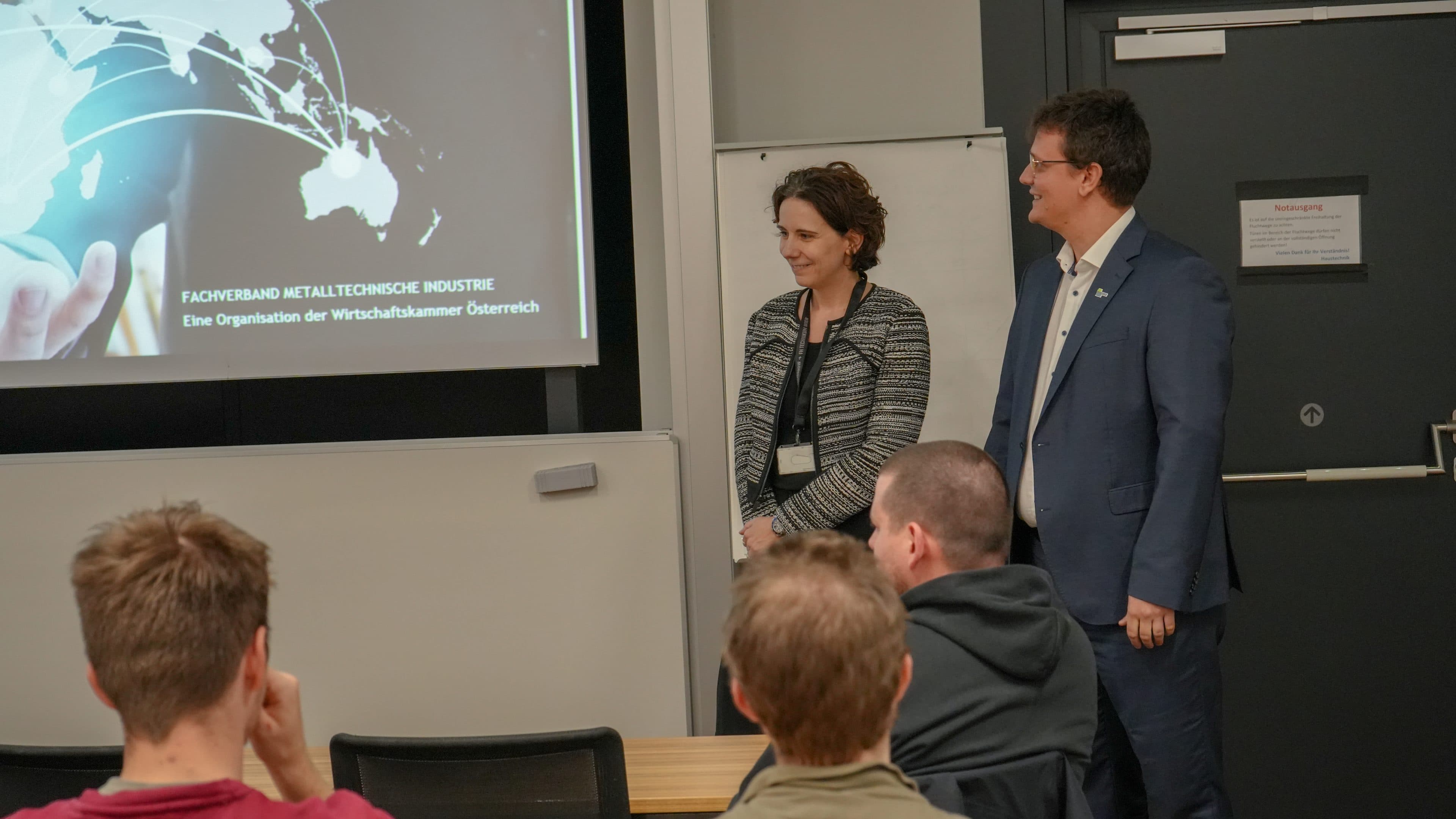
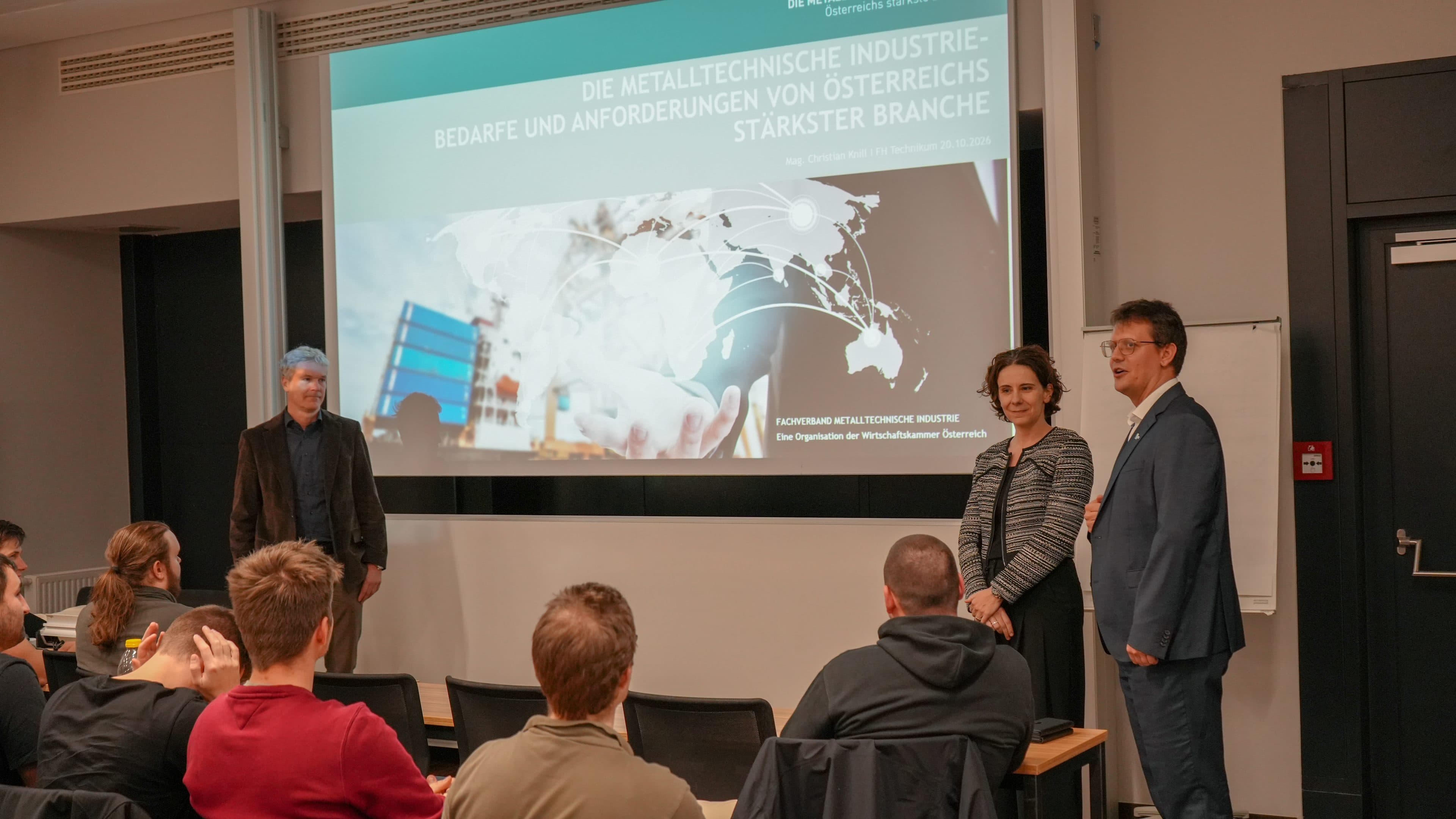
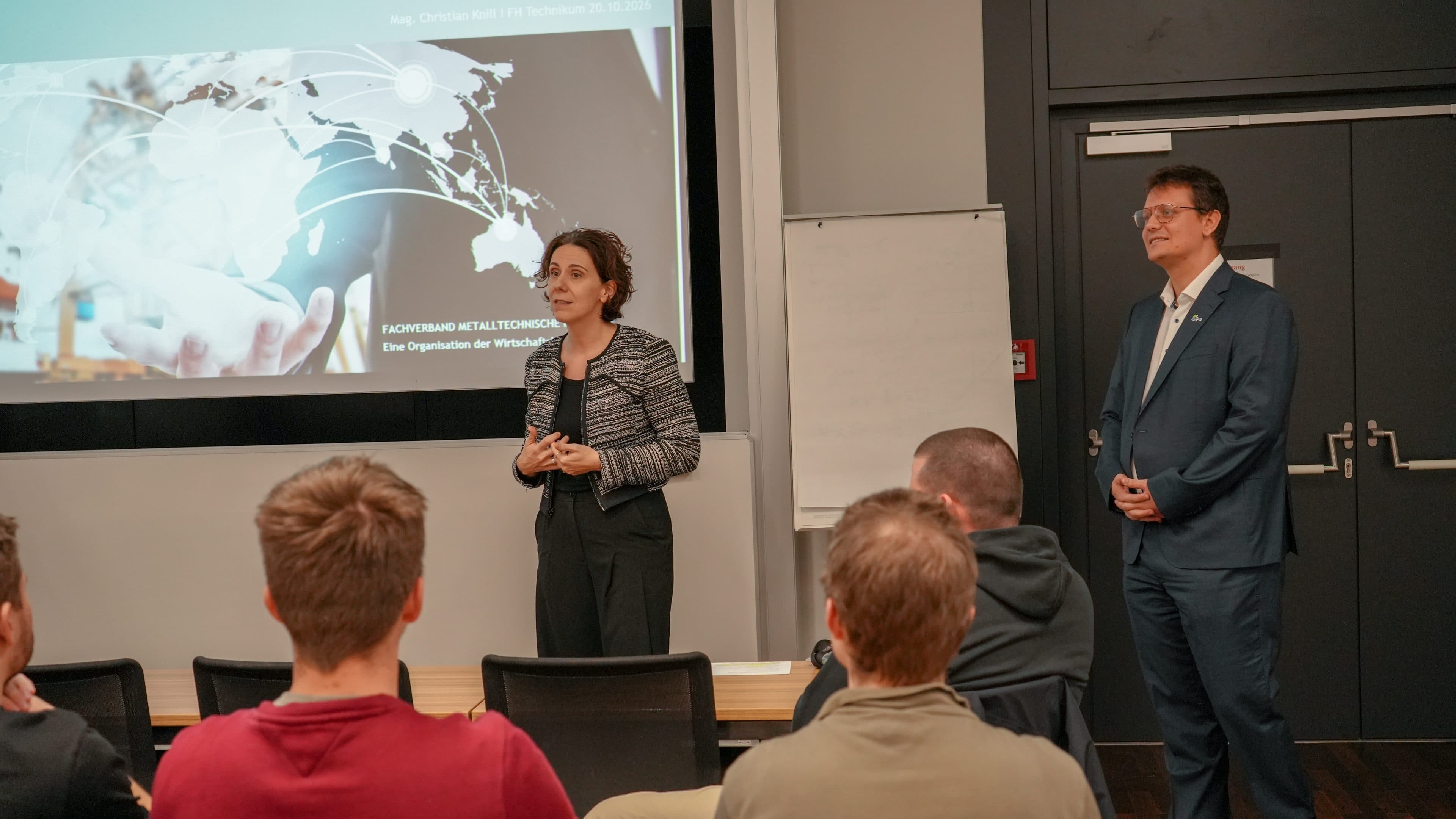
On October 20, 2026, the auditorium at UAS Technikum Wien was filled to capacity when Christian Knill was welcomed to give a guest lecture. Among the large audience were primarily students from the bachelor’s and master’s programs in mechanical engineering. Program director Patrick Eisner opened the event, thanked the guest for his time, and emphasized the special value of the close connection between academic study and industrial practice. The lecture took place as part of the course “Mechanical Engineering in Industrial Practice.”
About Christian Knill
Christian Knill is, together with his brother Georg Knill, a managing partner of the family-run Knill Group. He is CEO of Knill Energy Holding GmbH. In industry advocacy, Christian Knill plays a central role as spokesperson and chairman of the Professional Association of the Metalworking Industry (FMTI), where, among other things, he shares responsibility for collective bargaining negotiations on behalf of the industry. Georg Knill is president of the Austrian Federation of Industry (Industriellenvereinigung Österreich).
Topics of the Presentation
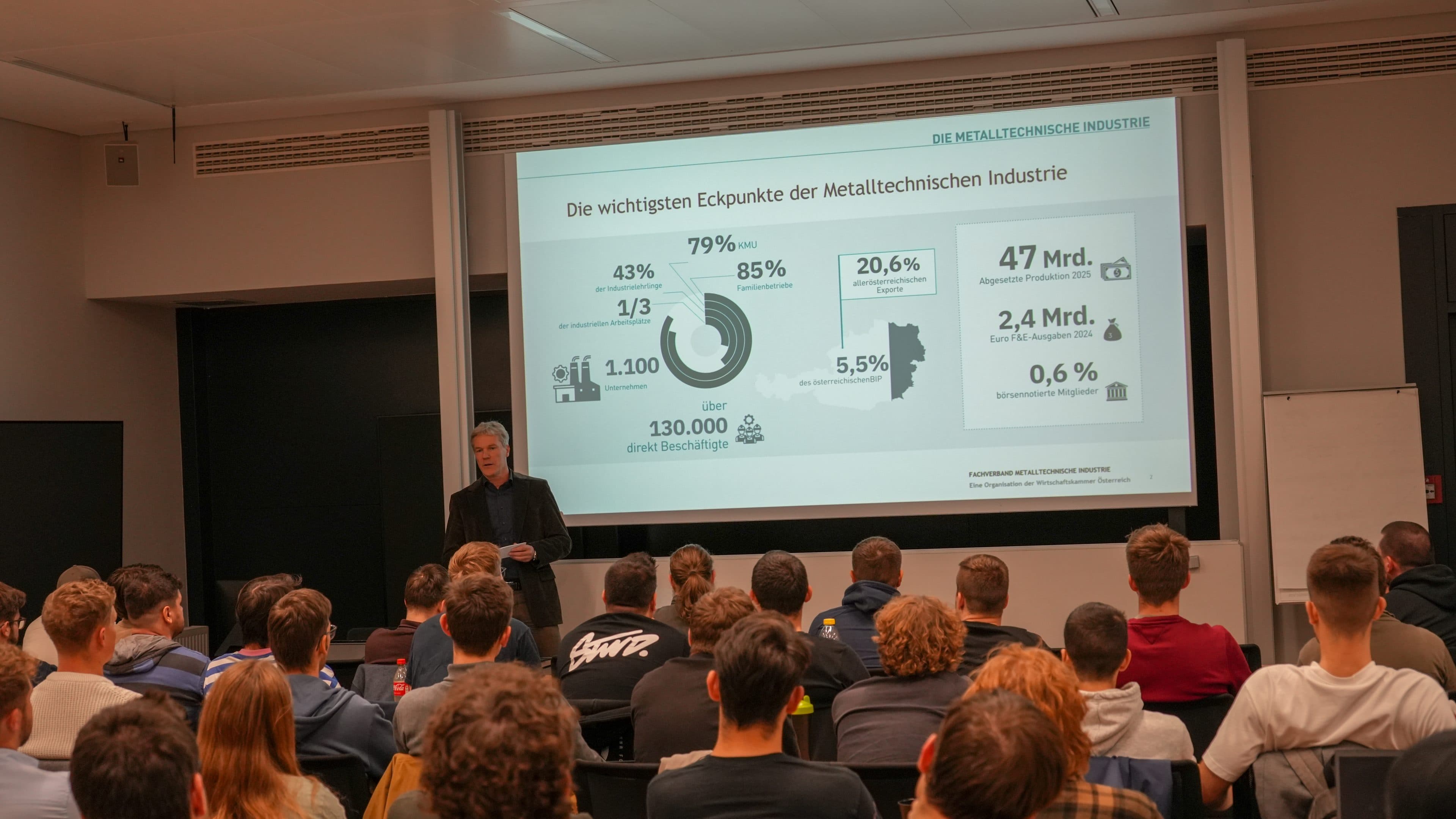
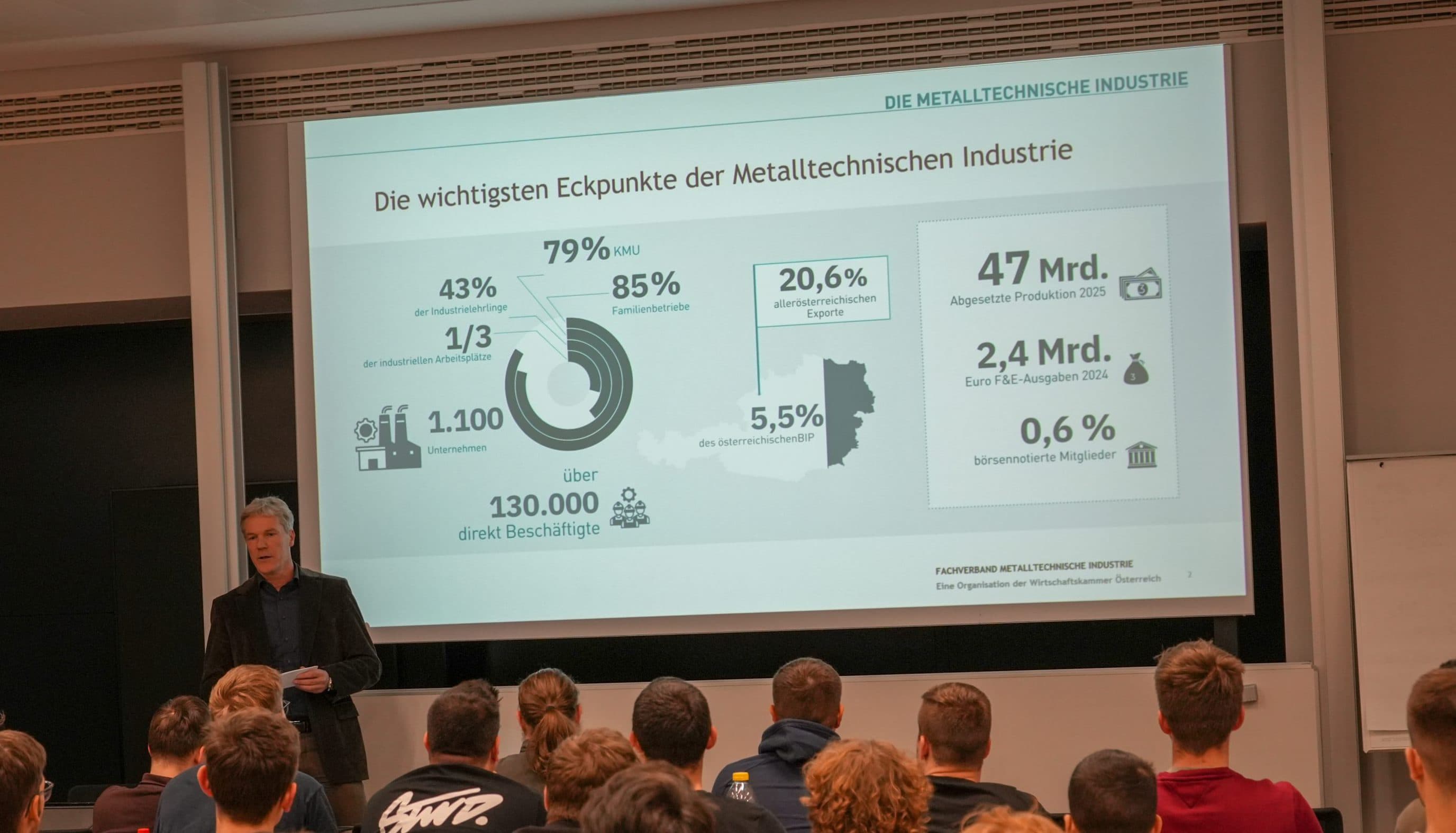
Christian Knill’s guest presentation focused on the strengths and current challenges facing the Austrian metal and mechanical engineering industry. Knill described the sector as predominantly made up of small and medium-sized enterprises, with many family-run companies and a strong focus on exports. He particularly highlighted the sector’s contribution to the energy transition: Numerous companies today supply components and system solutions for heating technologies, hydropower, wind power, storage technologies, and efficient drive and production systems.
With regard to international competition, Knill emphasized that Austrian mechanical engineers stand out for their technical depth, integrated understanding of systems, and strong implementation skills. This combination, he noted, is a decisive advantage compared to competitors from Europe, Asia, and the U.S. At the same time, the pace of change is accelerating: value chains are global, new providers are entering the market, and technological cycles are becoming shorter.
Skills Profile for the Future
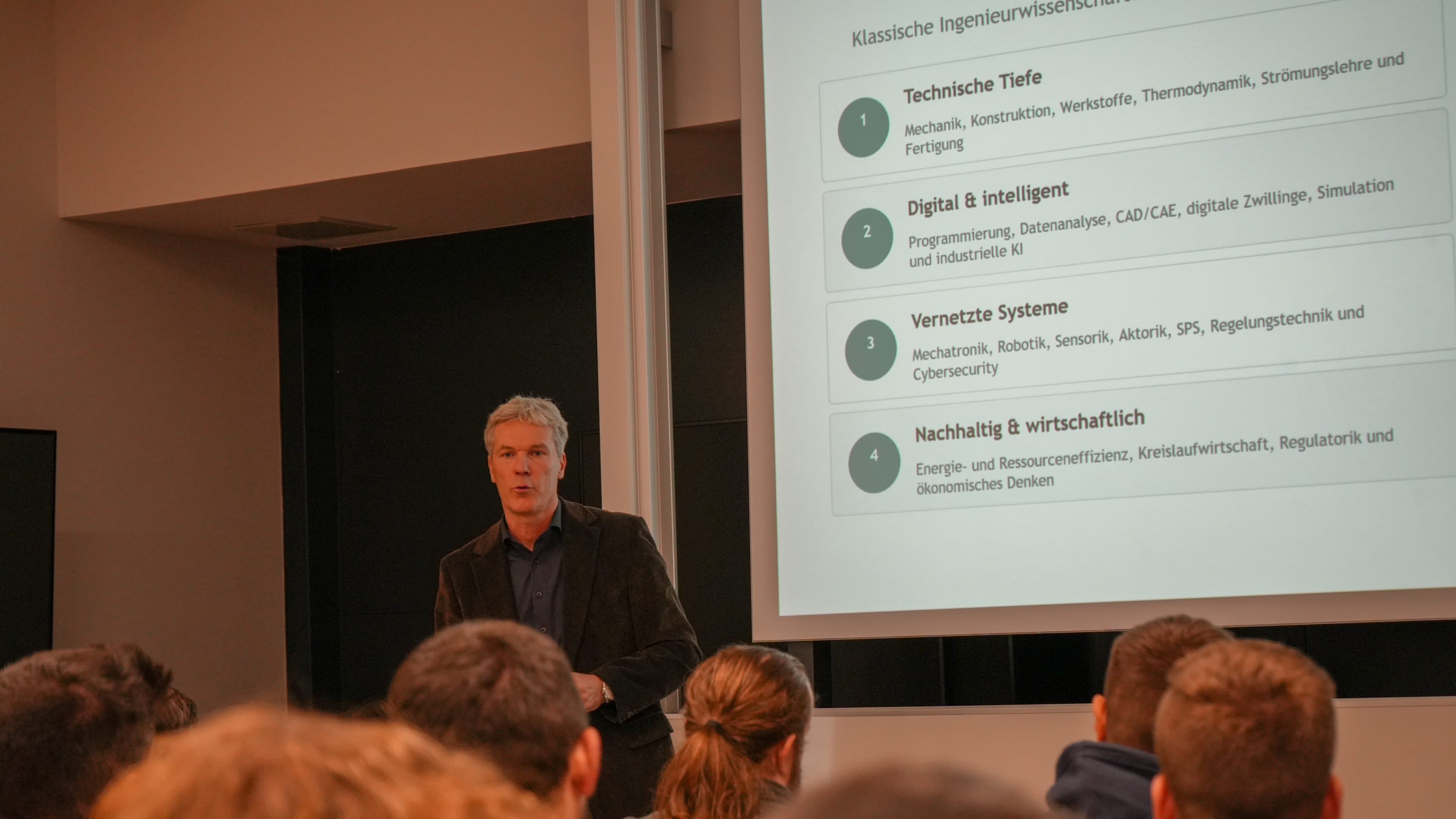
Knill underscored how important a solid foundation in the traditional disciplines of mechanical engineering remains—from mechanics and design to materials science, control engineering, and manufacturing technology. Building on this foundation, the digital dimension is rapidly gaining importance: data literacy, digital engineering, automation, networked machines, robotics, and the targeted use of artificial intelligence are becoming key skills. Equally central are mechatronics and sensor technology, as well as a focus on energy and resource efficiency throughout the entire value chain.
Practical Relevance as a Hallmark
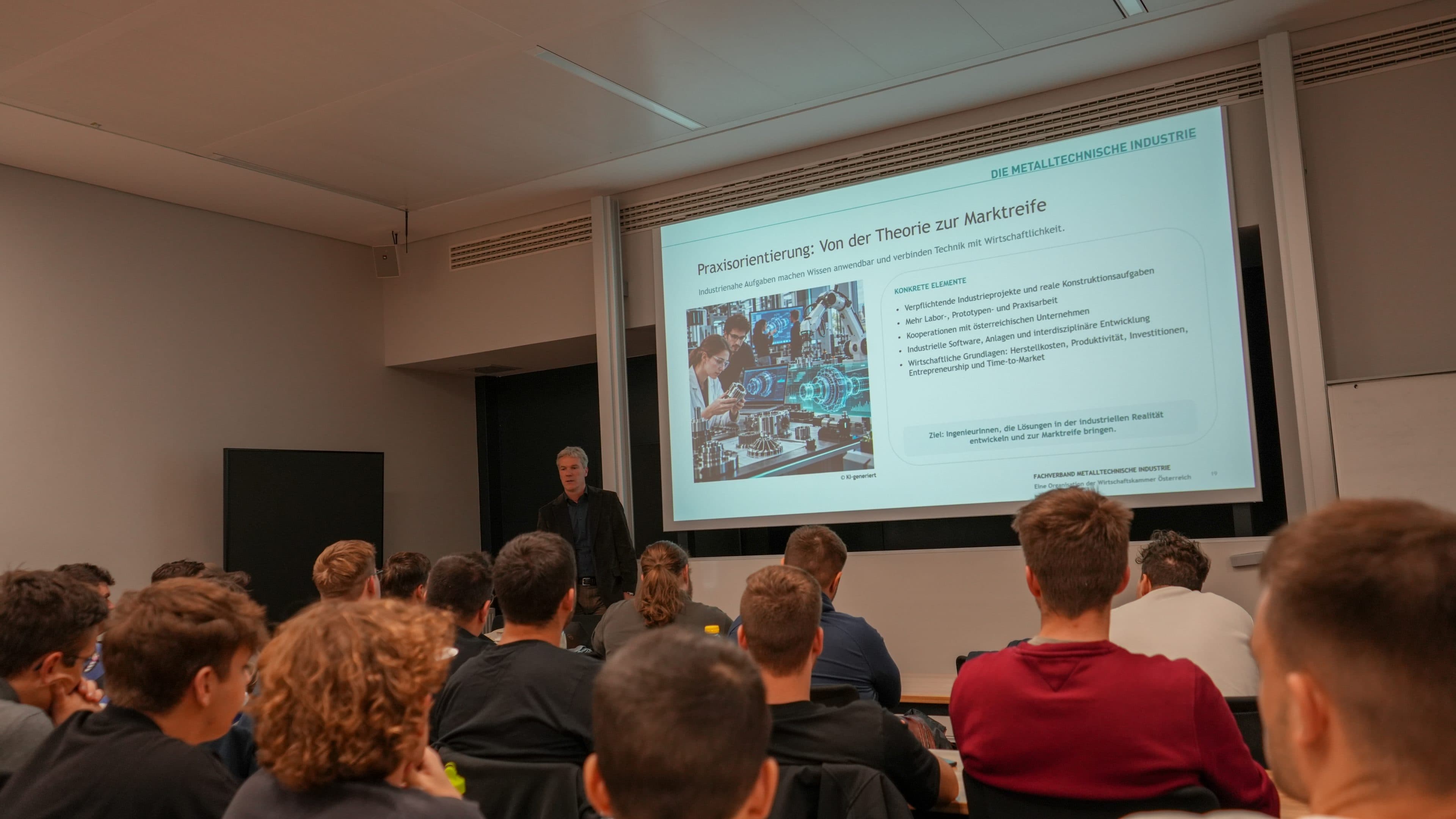
Knill particularly praised the role of universities of applied sciences as a bridge between academic education and the concrete needs of companies. Practice-oriented courses, industry projects, and close collaborations are crucial for keeping the curriculum up to date and preparing students specifically for real-world applications in the workplace. The high level of interest and the lively discussion following the lecture demonstrated just how much these topics are currently shaping the field of mechanical engineering.
Industry Overview, Future Trends
The guest lecture combined an industry overview, future trends, and a clear competency profile for aspiring engineers. For students at UAS Technikum Wien, it offered valuable guidance at the intersection of academic study and industrial reality—and underscored how important the combination of a solid technical foundation and digital, systemic skills is for the mechanical engineering of tomorrow.
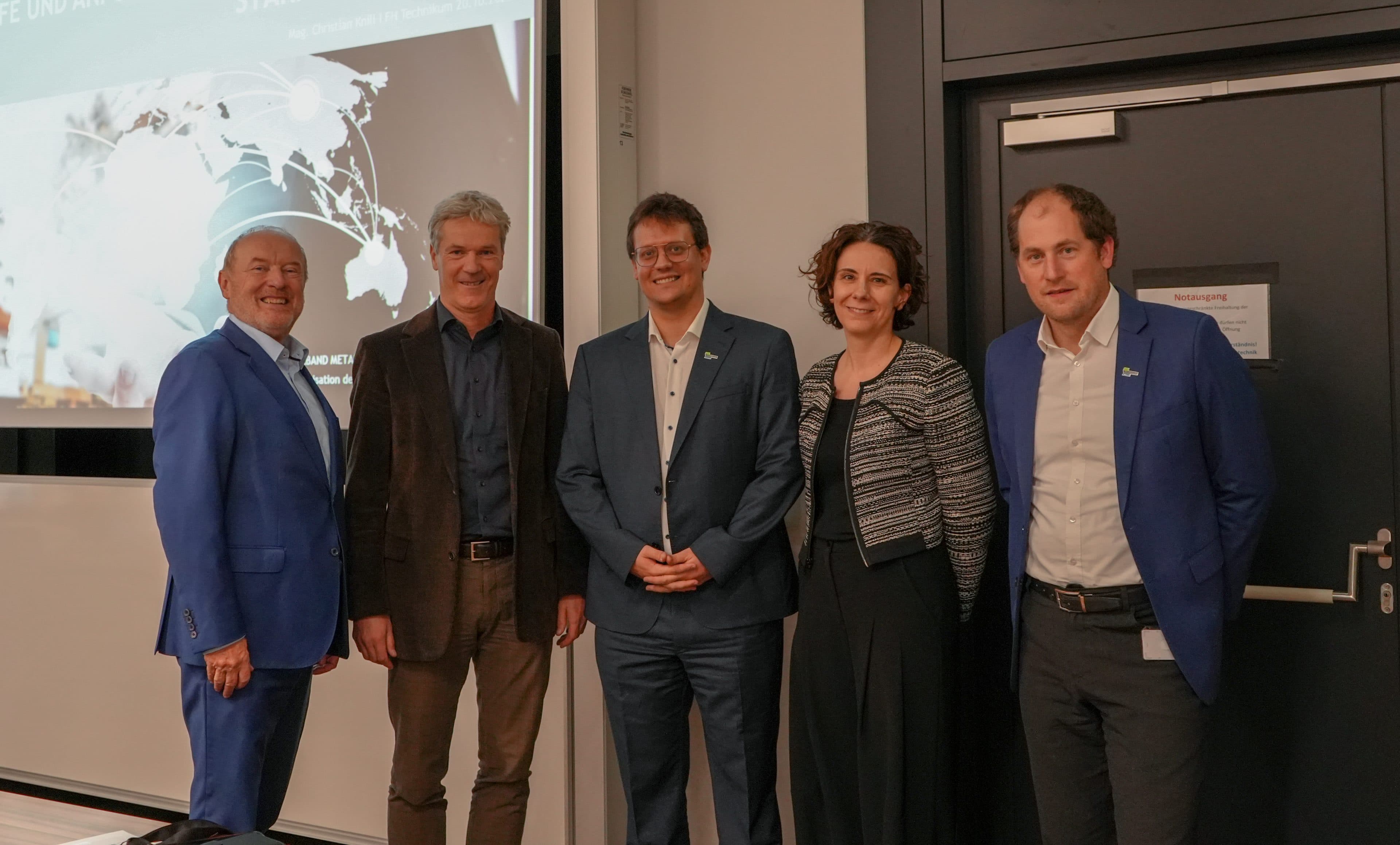
Representing UAS Technikum Wien at Christian Knill’s guest lecture were Patrick Eisner (Program Director for the Bachelor’s and Master’s programs in Mechanical Engineering), as well as Rector Sylvia Geyer, Managing Director Florian Eckkrammer, and Head of the Industrial Engineering Department Erich Markl.
Further Information:
Bachelor’s Program in Mechanical Engineering
Picture Gallery: