Professional Exchange in Mongolia Provides New Impetus for Cooperation in the Fields of Energy-Efficient Buildings and Mechanical Engineering / Mechatronics
08 April, 2026
The visit to Ulaanbaatar served to strengthen and further develop international cooperation with the Mongolian partner university. New opportunities are emerging, particularly in the fields of renewable energy and mechanical engineering/mechatronics.
As part of the Erasmus+ mobility program, a delegation from the University of Applied Sciences Technikum Wien visited the Mongolian University of Science and Technology (MUST) in Ulaanbaatar from March 9 to 13, 2026. The purpose of the trip was to further develop existing collaborations and establish new partnerships in the fields of sustainable buildings (and building technology) and mechanical engineering/mechatronics.
Technical Exchange in the Field of Sustainable Buildings
The delegation consisted of the following four representatives from the Faculty of Industrial Engineering: David Sengl (Head of the Climate-fit Buildings and Districts), Stephanie Chan, and Manfred Schindler (both also from the Climate-fit Buildings and Districts), and Christian Schmidrathner (Materials Science & Mechanical Systems).
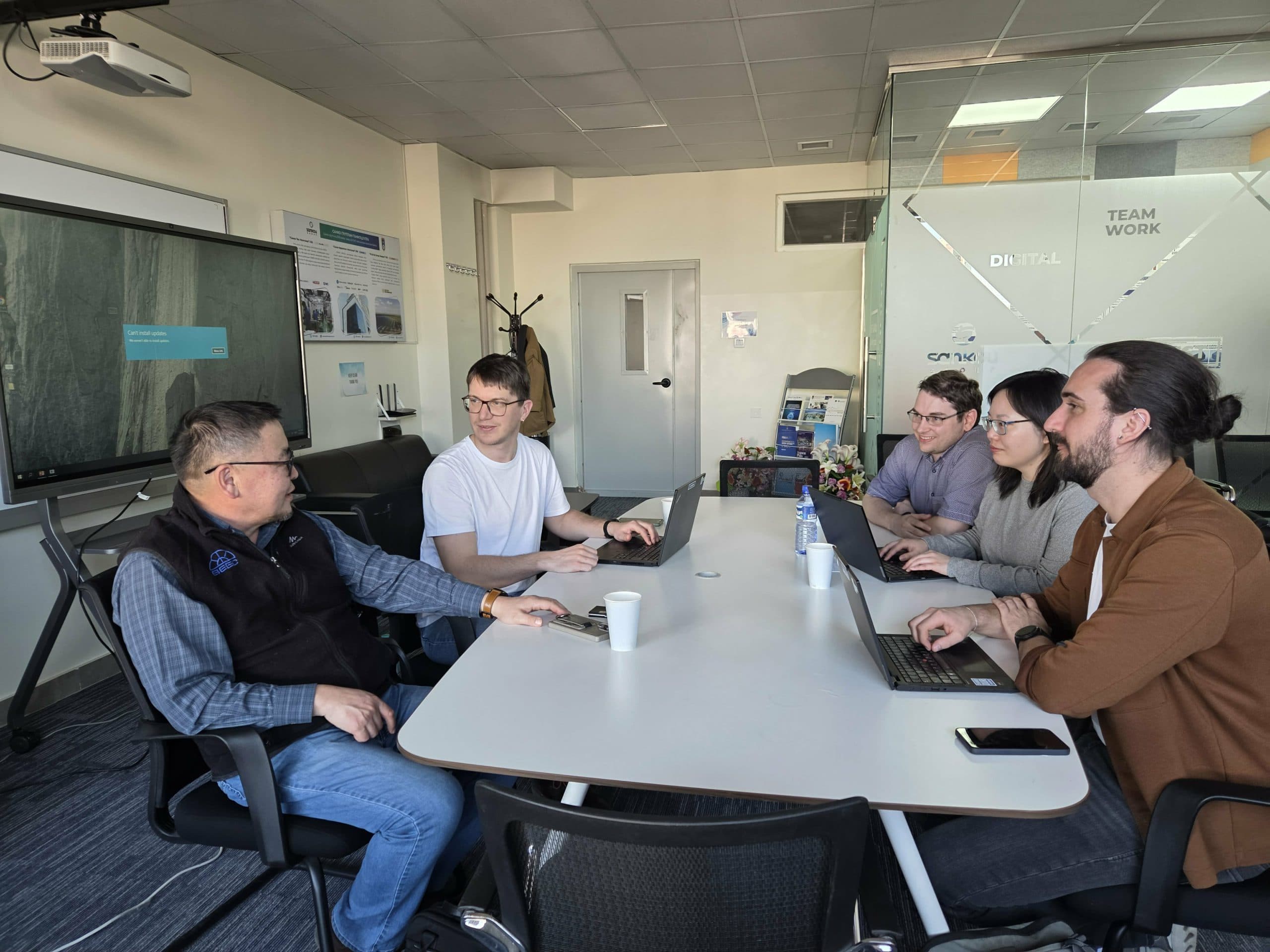
The focus of the visit was the long-standing collaboration with the Building Energy Efficiency Center (BEEC), part of the Department of Environmental Engineering at MUST. This cooperation has existed for over ten years and includes, among other things, regular student exchanges, reciprocal academic visits, as well as lectures and training sessions in the field of renewable energy and building energy efficiency.
Cooperation Expanded
In addition to strengthening the existing partnership with the BEEC, cooperation with the Department of Mechanics and Mechatronics was also resumed and formalized, following the groundwork laid during the 2024 visit to Mongolia. David Sengl and Christian Schmidrathner held targeted discussions with representatives of the department regarding this.
Technical presentations and hands-on training
In addition to the discussions aimed at strengthening the respective collaborations, the visit was also used for other activities:
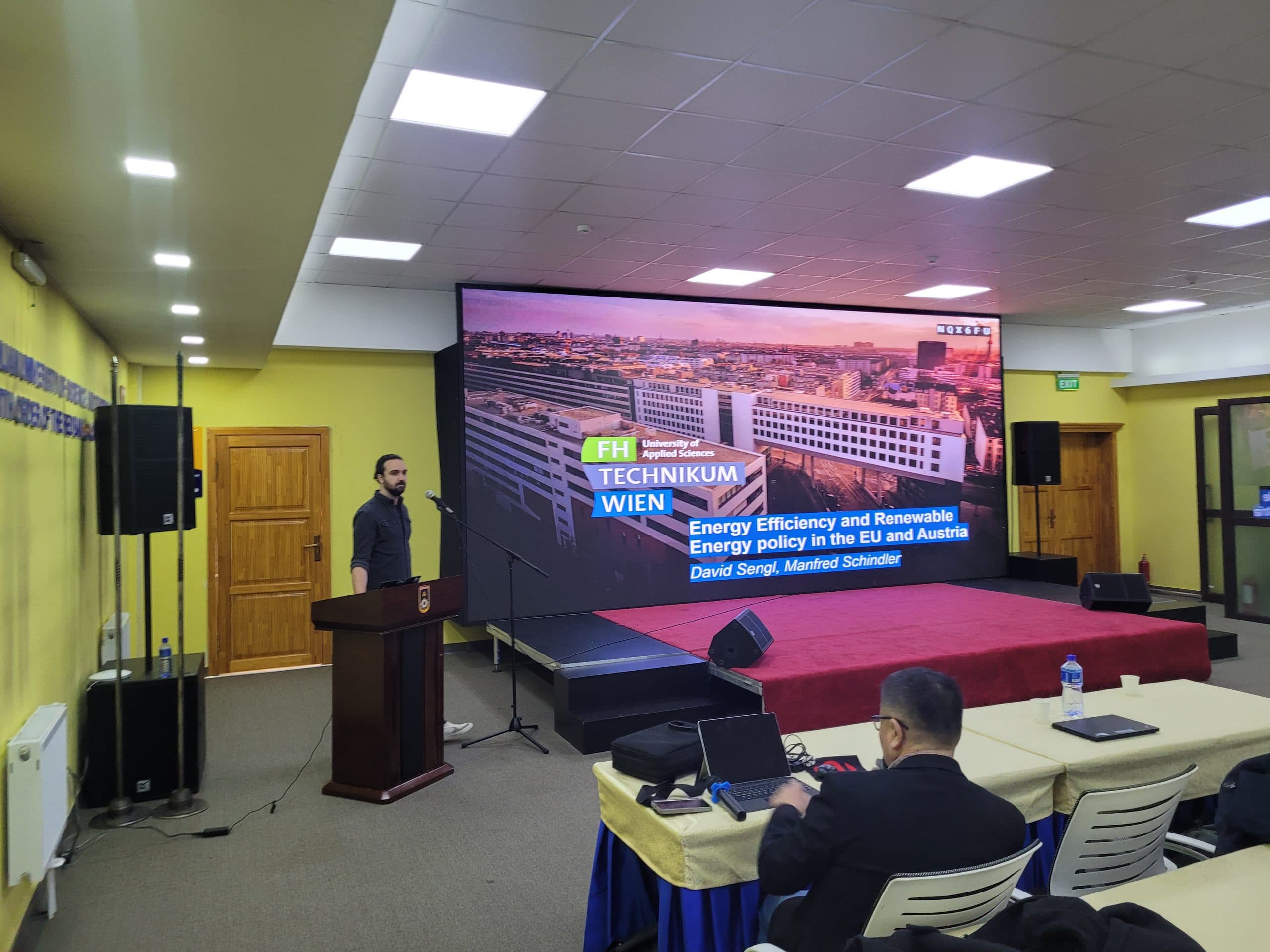
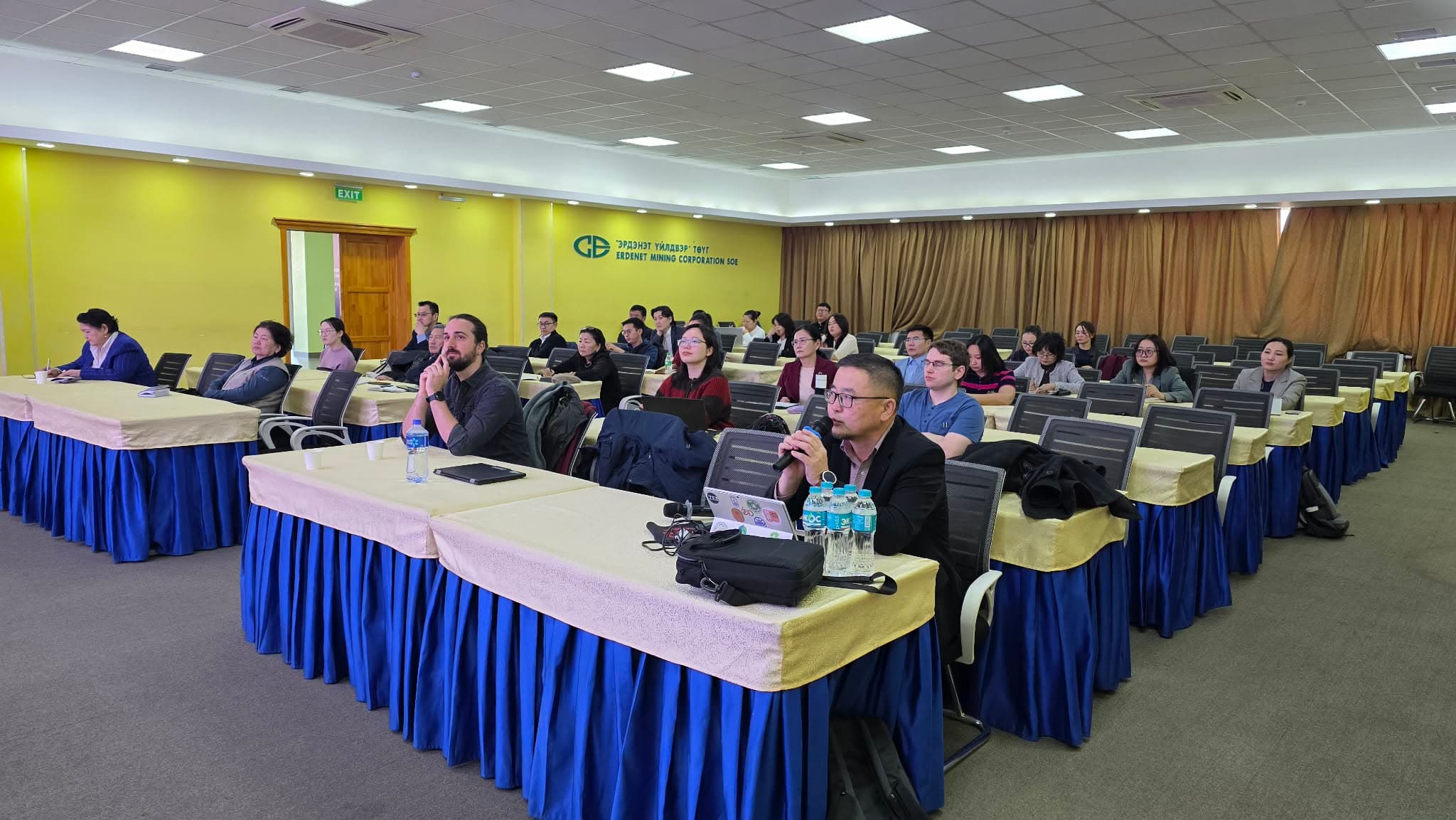
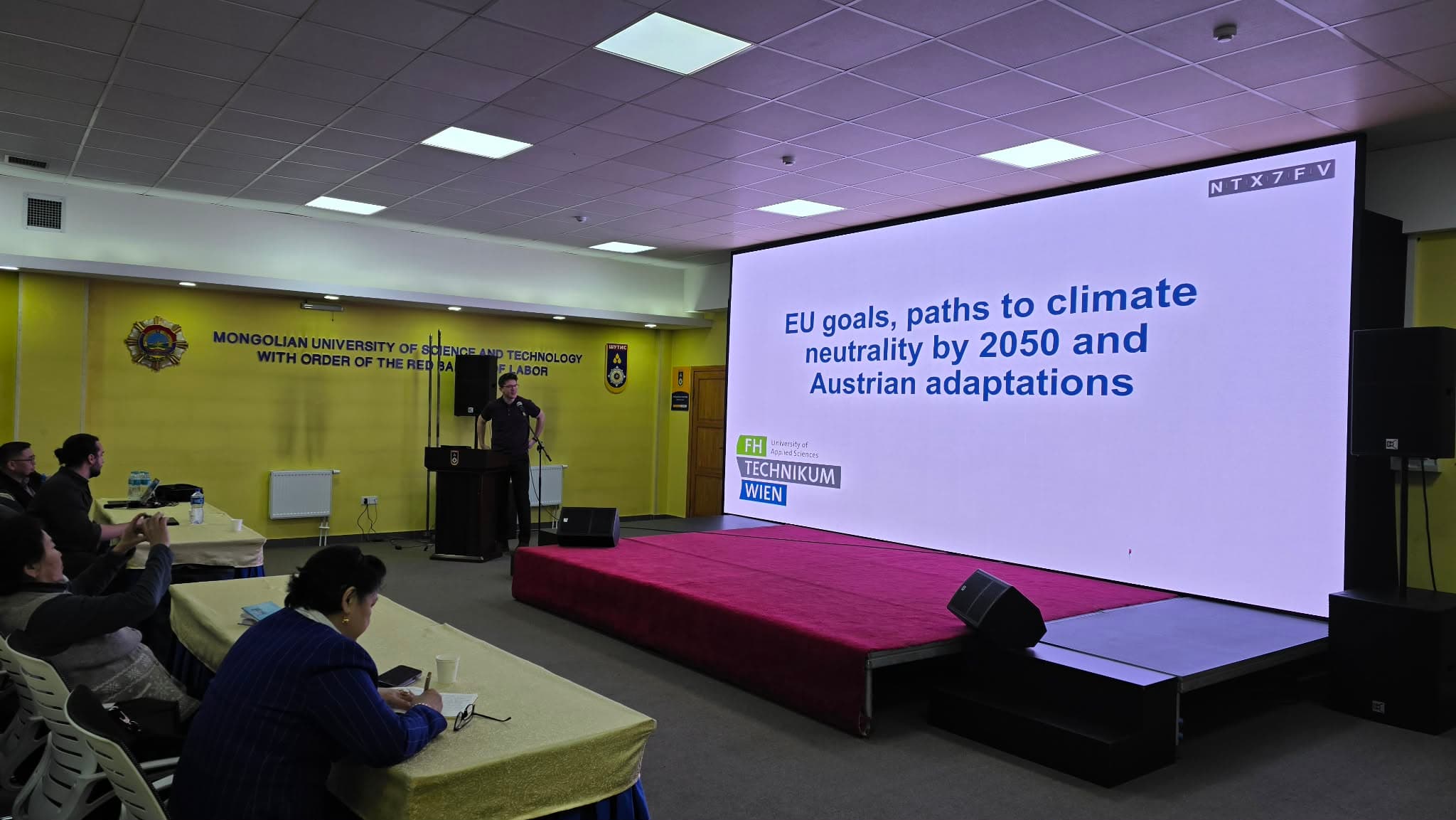
A key program item was a technical presentation by Manfred Schindler and David Sengl titled “Energy Efficiency and Renewable Energy Policy in the EU and Austria”, which was attended not only by university staff and students but also by representatives of the municipal district heating company and the Ministry of Construction and Urban Development. The subsequent discussion with Mongolian colleagues demonstrated a strong interest in European strategies and their applicability to local contexts.
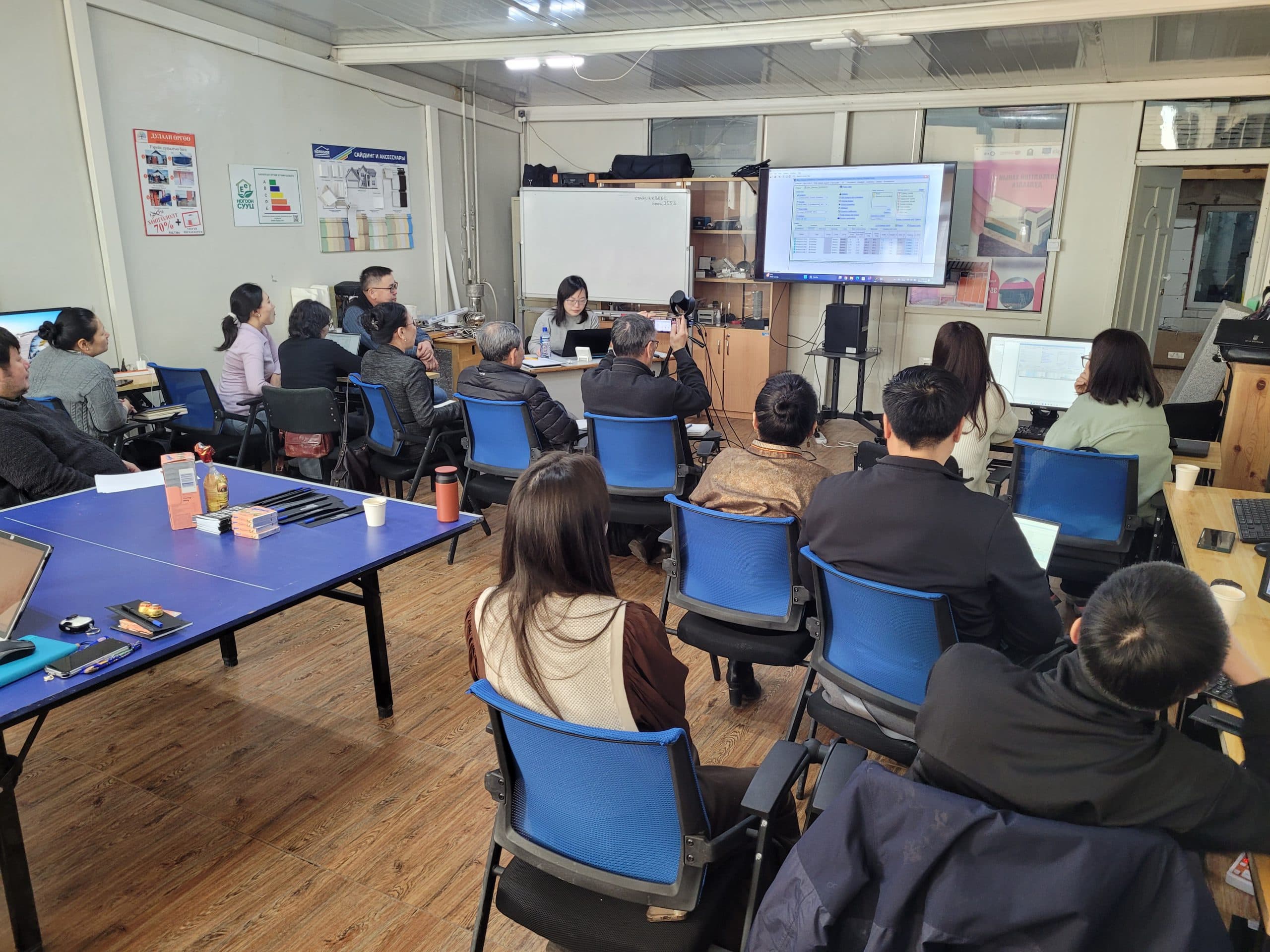
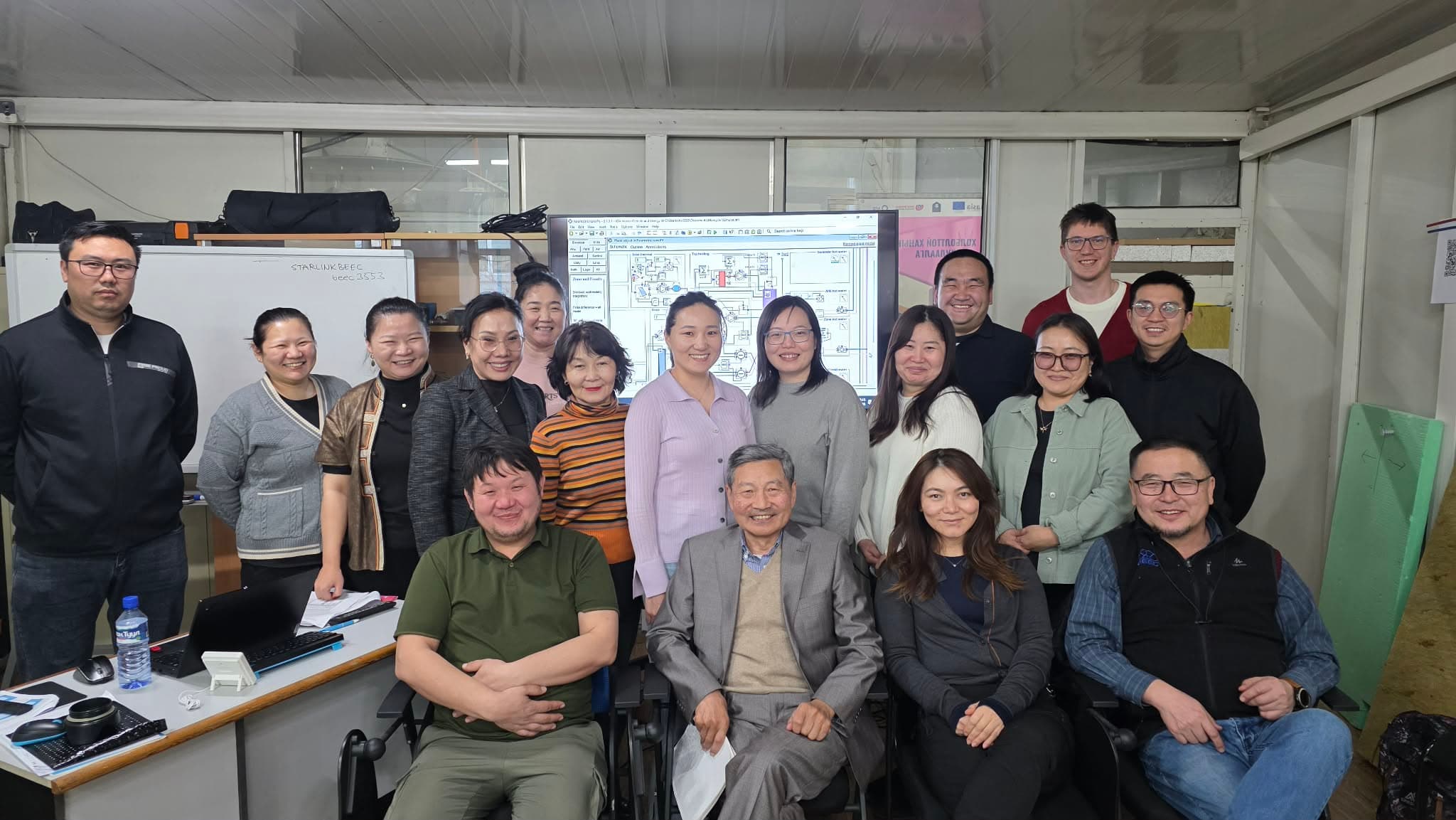
In addition, Stephanie Chan and Manfred Schindler conducted a one-day training session on the simulation software IDA-ICE. The focus was on modeling photovoltaic systems and simulating heating systems, particularly air-to-water heat pumps. Such practice-oriented training sessions are an essential component of the cooperation and contribute to sustainable competence development on both sides.
Intercultural Exchange and Networking
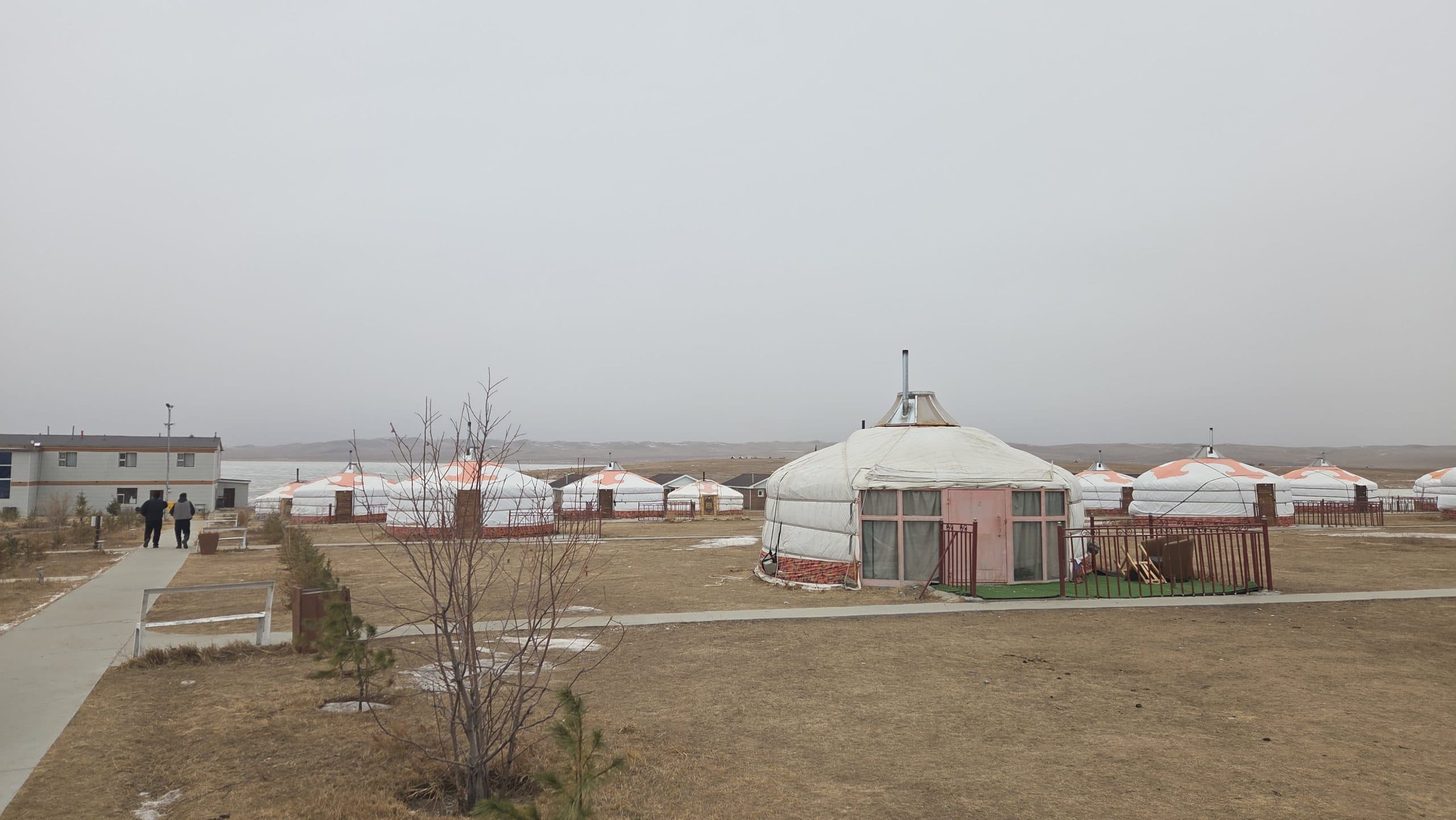
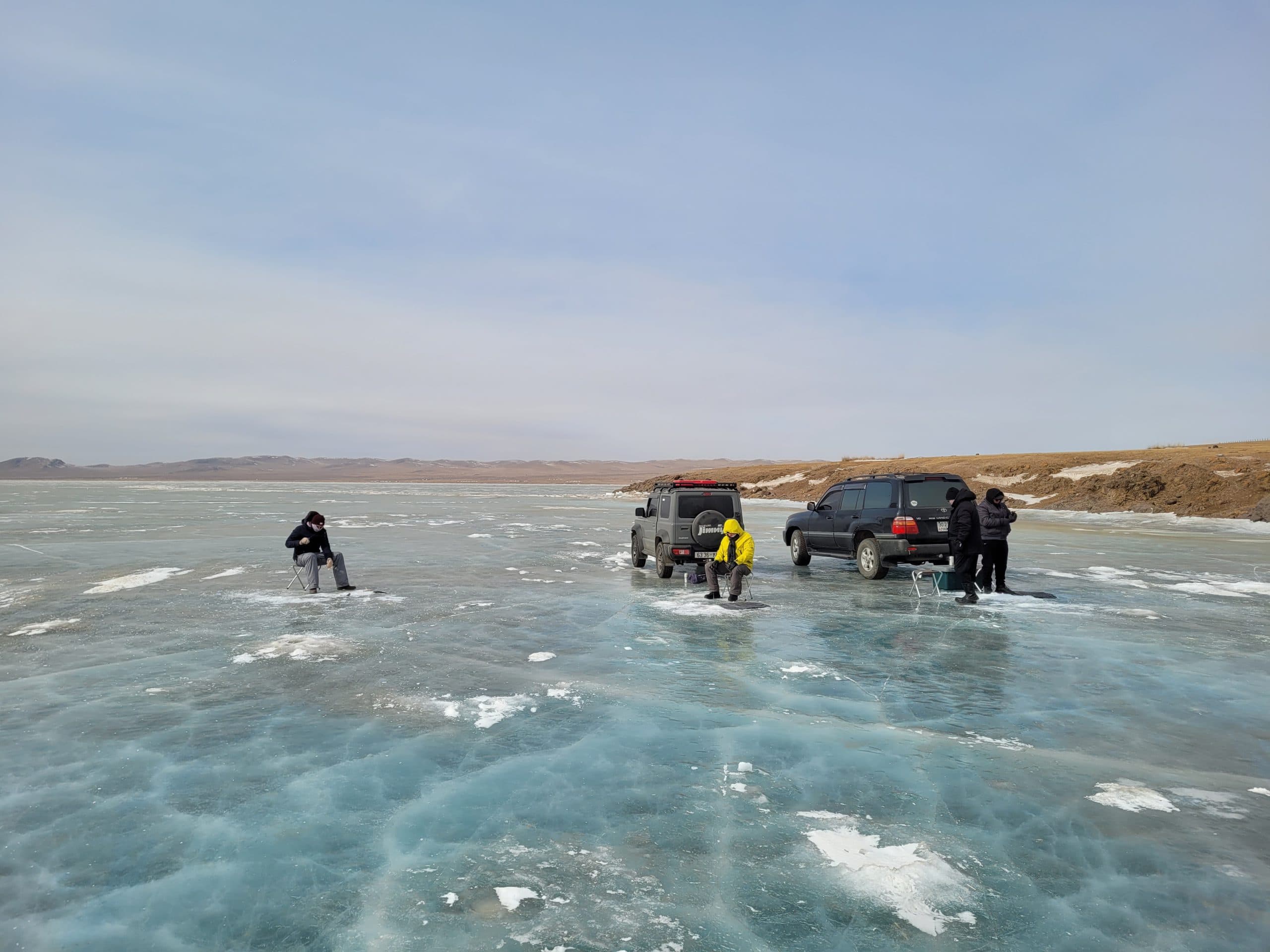
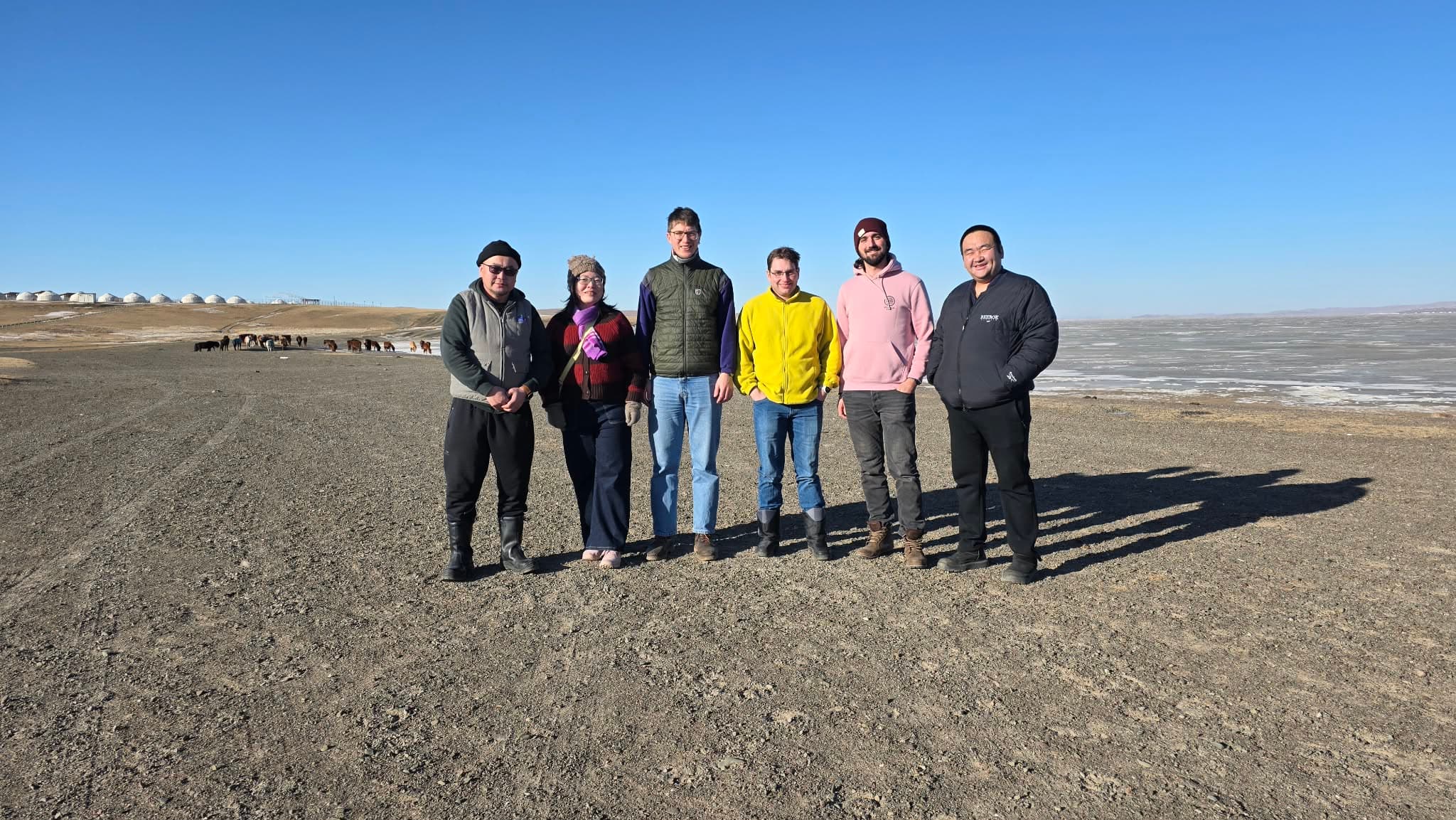
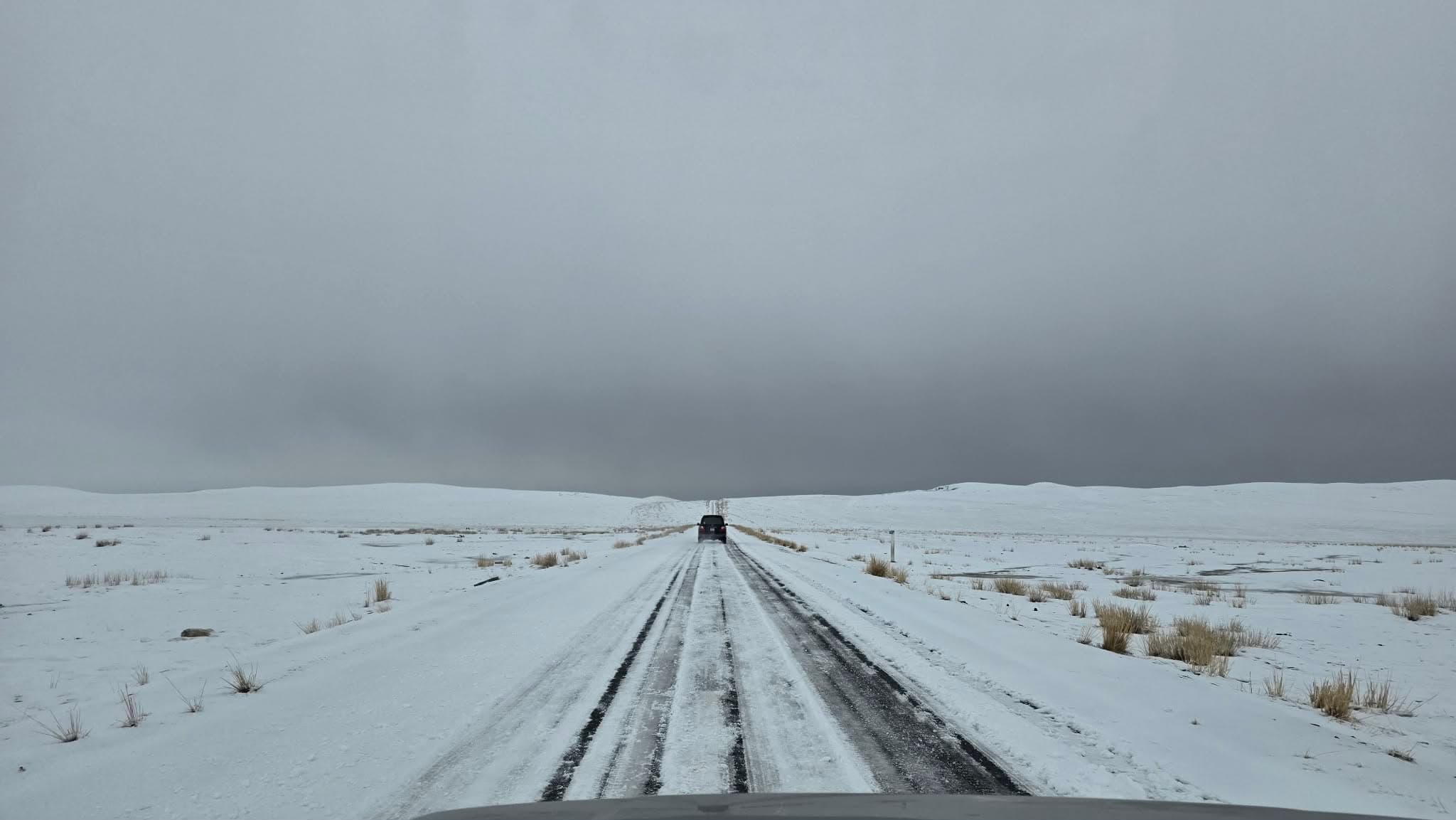
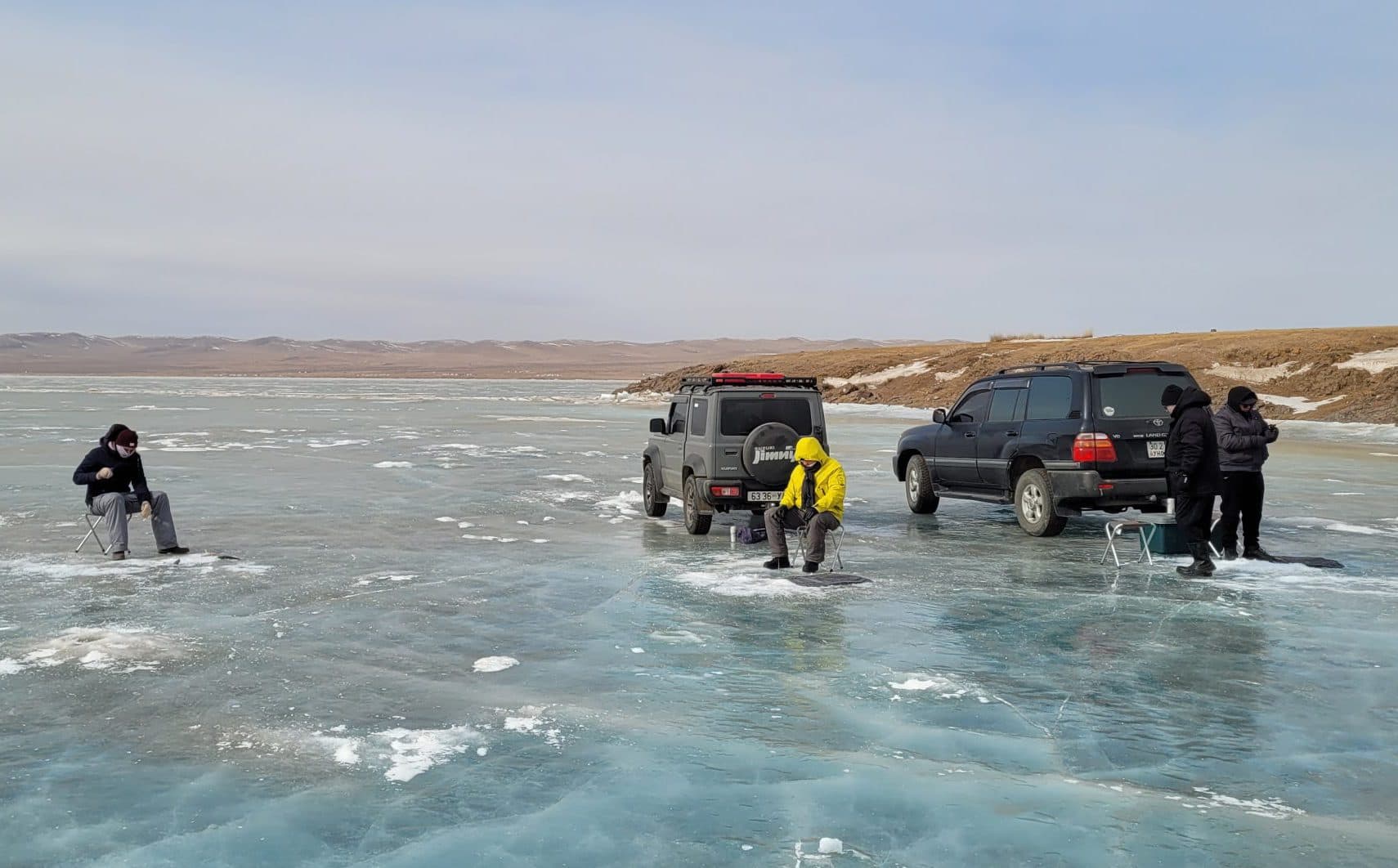
In addition to the technical activities, the visit also provided opportunities for intercultural exchange. A joint excursion to Lake Ugii, where traditional ice fishing was experienced, strengthened the personal relationships between the partner institutions.
Long-term partnership with future prospects
Through the ongoing exchange between the Faculty of Industrial Engineering and MUST, not only are research and teaching internationally networked, but joint solutions to global challenges are also being advanced—particularly in the field of sustainable energy and building systems and, increasingly, mechanical engineering and mechatronics.
Further Information:
Visit to Ulaanbaatar: Cooperation with Mongolian University

Picture Gallery: