Exploring Circular Economy Concepts at Vienna’s ClimateLab
15 April, 2026
A students’ report from a co-creation workshop as part of the RURBANIVE (EU-Horizon) project.
The following report was created by students in the Bachelor’s degree program in Sustainable Environmental and Bioprocess Engineering. They participated in the workshop as part of the EU Horizon project RURBANIVE (Rural Urban Synergies) during their course with Lecturer Christine Bertl.
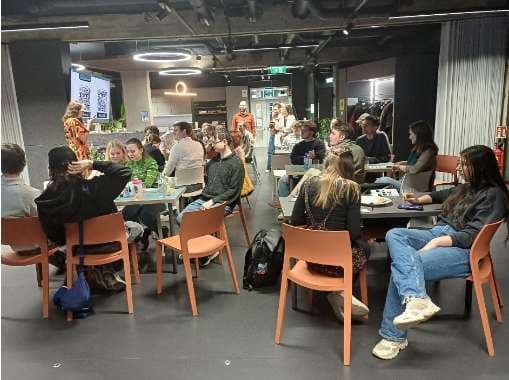
On 11 March 2026, as part of the course Trends in Environmental Technology, we attended the Circular Economy Experience workshop in Vienna Spittelau. Upon arrival at the ClimateLab, we were welcomed by the workshop leaders from BioBASE and alchemia-nova, followed by a brief round of introductions and an overview of the programme.
Afterwards, we were divided into five groups. Each group was given the task of developing a concept for a functioning circular economy, using the example of recycling surplus bread from bakeries. Within our group, each participant assumed a specific role, such as a bakery owner, a representative of the City of Vienna, a farmer, a municipal representative, or a funding partner.
Different roles, different perspectives
At the beginning of the exercise, each role expressed its individual interests and concerns. We found this part particularly interesting, as it quickly became clear how different priorities can influence decision-making processes. The subsequent negotiations focused on finding a viable system for logistics and financing that would satisfy all stakeholders and ensure that no party incurred losses. This proved to be quite challenging, as compromises had to be made while still aiming for a sustainable solution.
After the negotiation phase, one representative from each group presented their results. This allowed us to compare different approaches and gain insights into alternative solutions developed by the other groups.
Circular Pizza Brunch
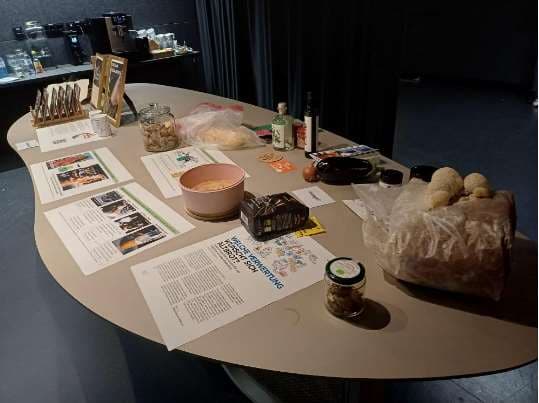
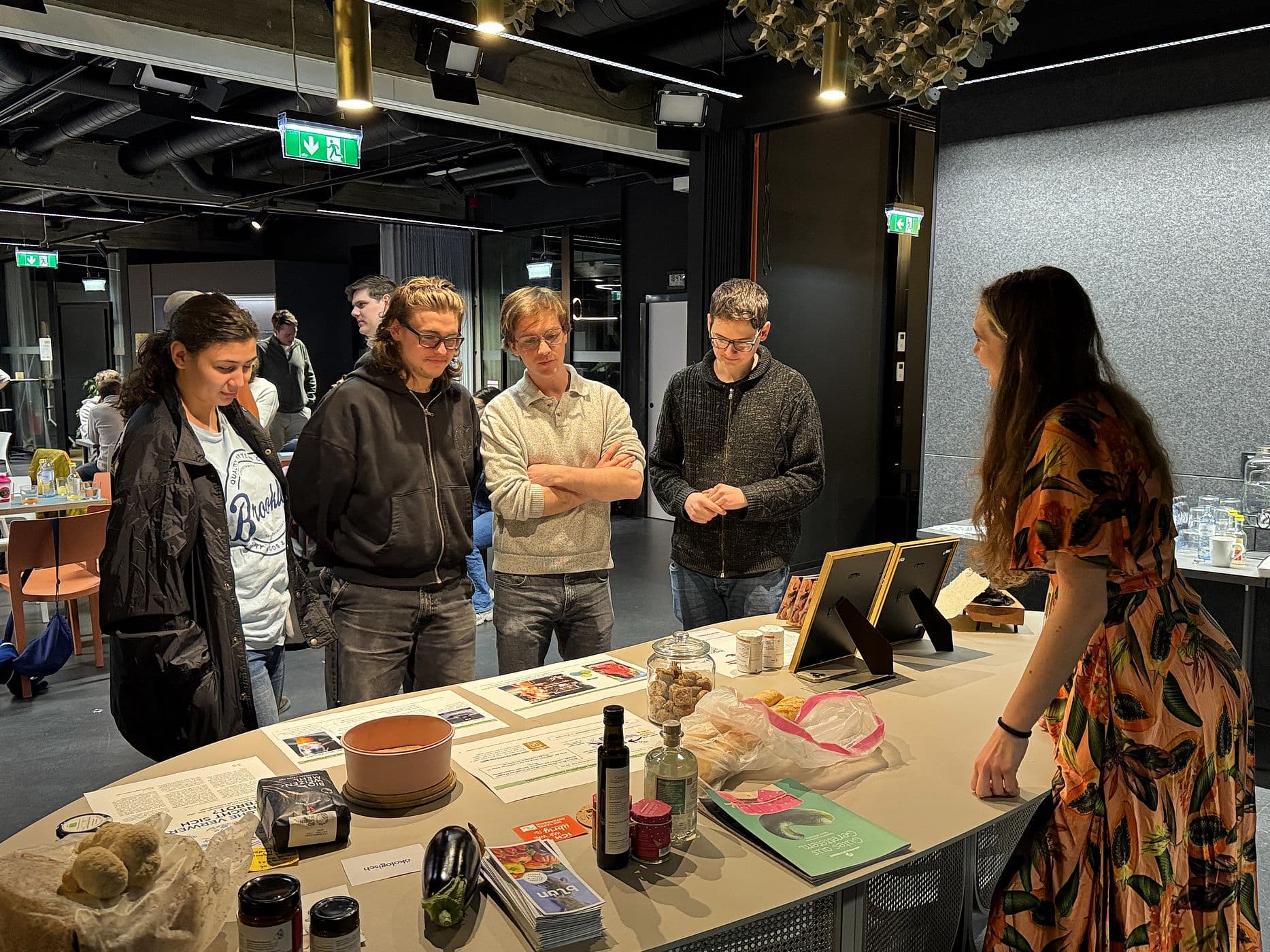
Following the group work, we used an app developed by the organizers. With our smartphones, we collected objects related to the topic of circular economy and answered a questionnaire evaluating the workshop structure and content. This interactive element made the experience more engaging and helped reinforce the concepts discussed earlier.
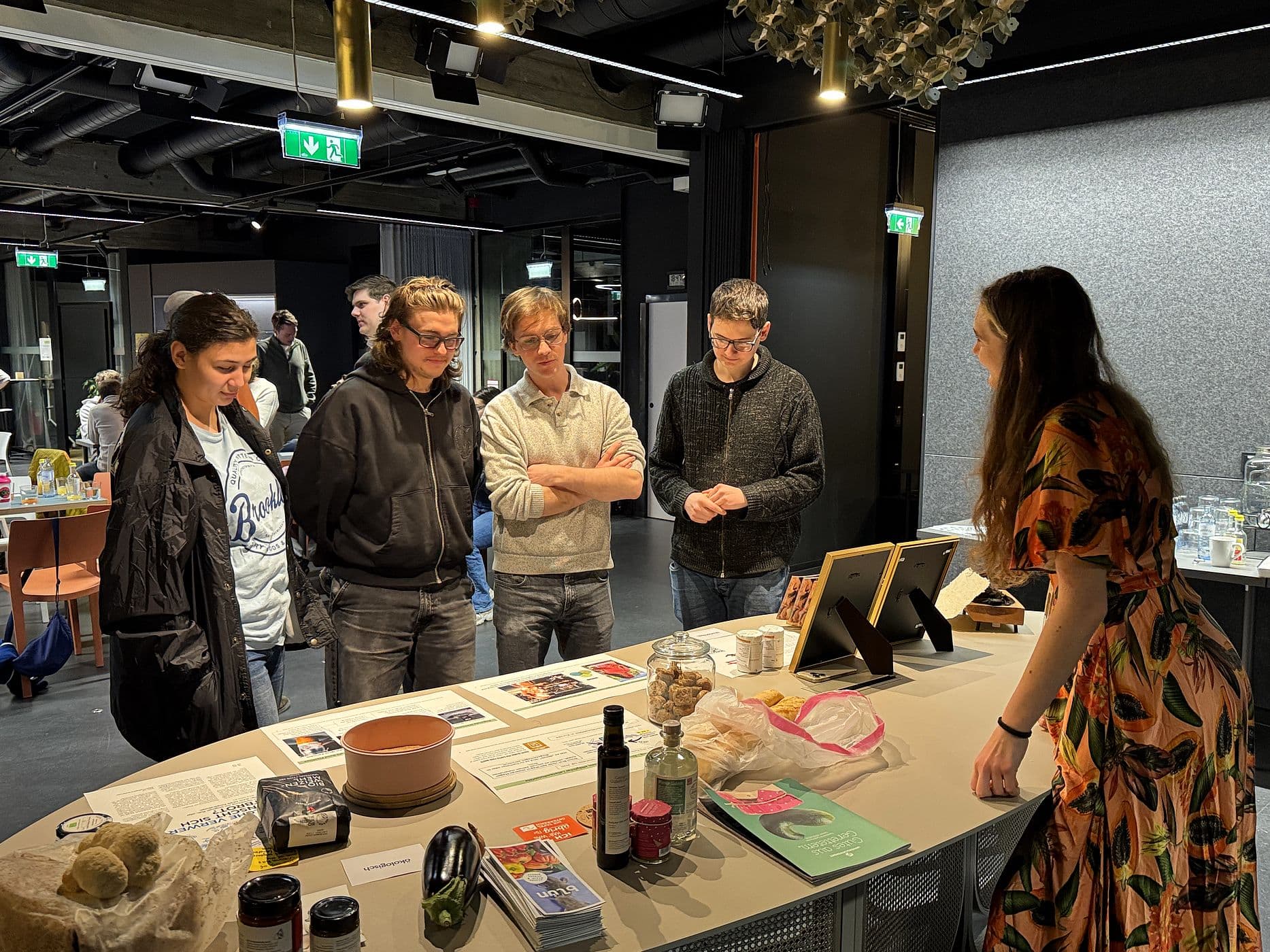
In the final part of the workshop, lecturer Christine Bertl introduced her Circular Pizza Brunch concept, which focuses on transforming old bread into pizza dough. She also presented additional innovative ideas for processing surplus food into new products. The workshop concluded with a tasting of the pizza, which I personally found both creative and very enjoyable.
Overall, the workshop was highly informative, interactive, and inspiring. It provided valuable insights into the practical challenges of implementing circular economy models and demonstrated how collaboration between different stakeholders is essential for sustainable solutions.