Focus On the Startup Ecosystem at UAS Technikum Wien
13 January, 2026
Scale-ups, on-site startups, and mentors demonstrated the entrepreneurial strength of the university at Start me up Monday.
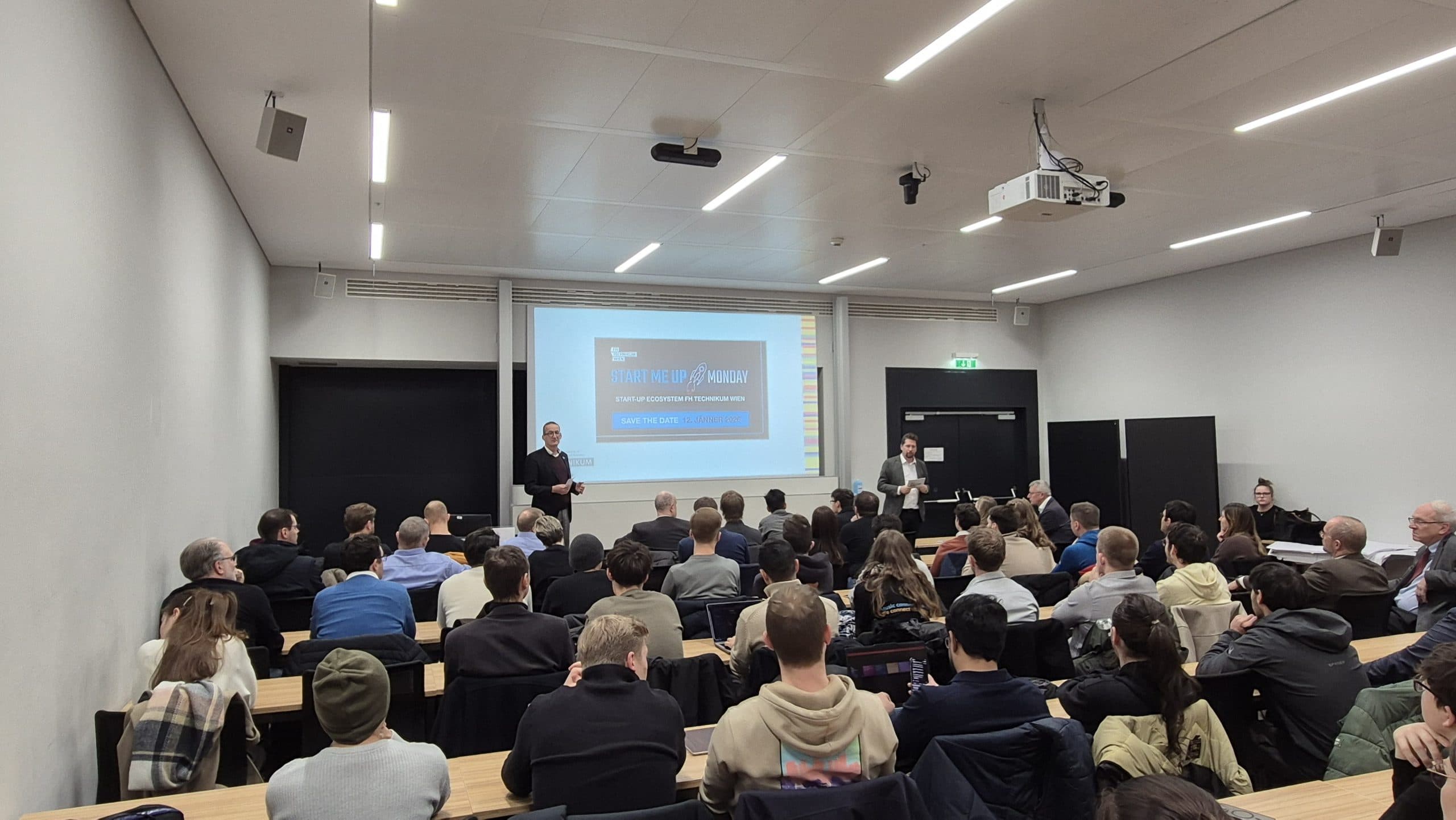
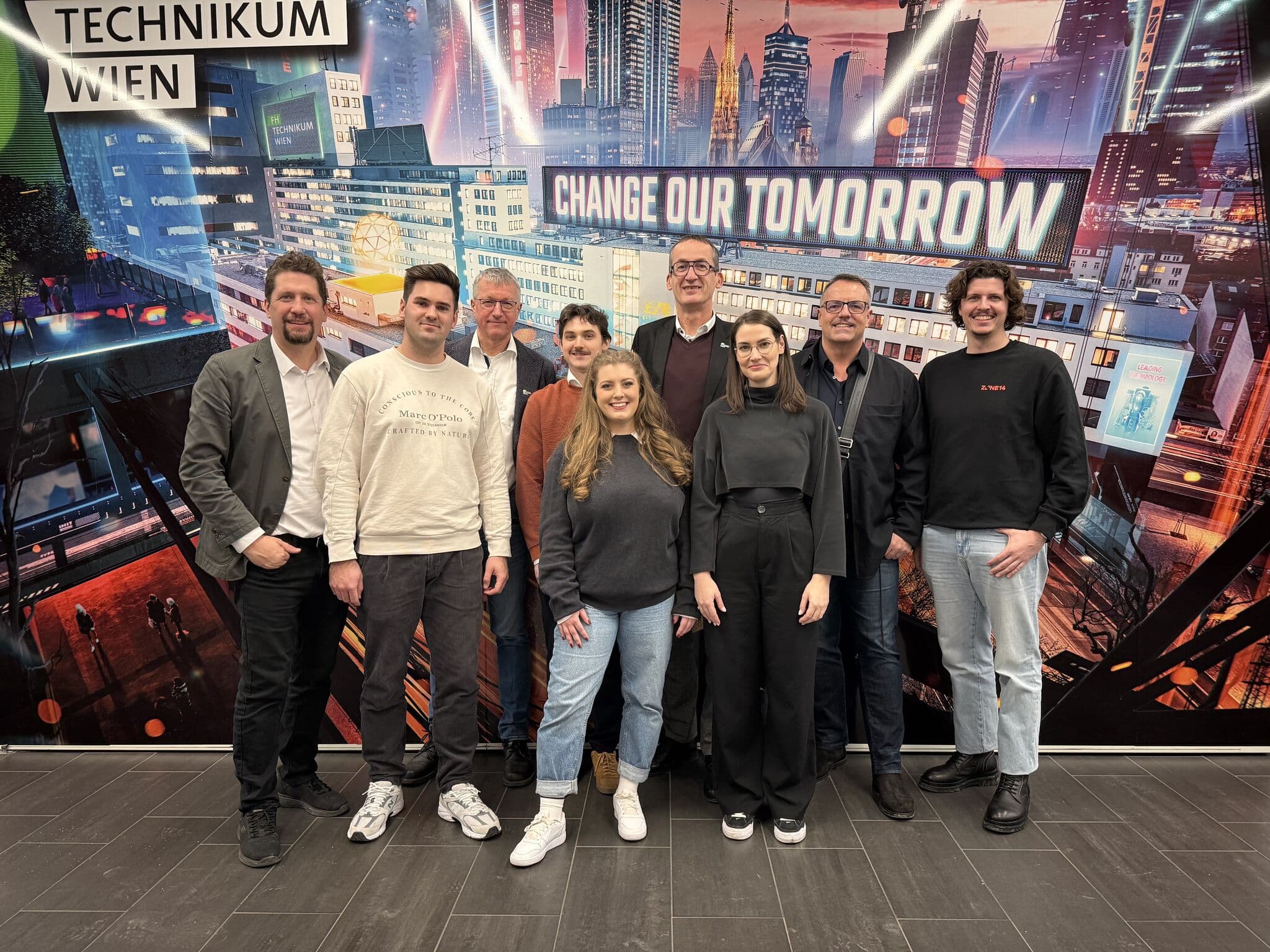
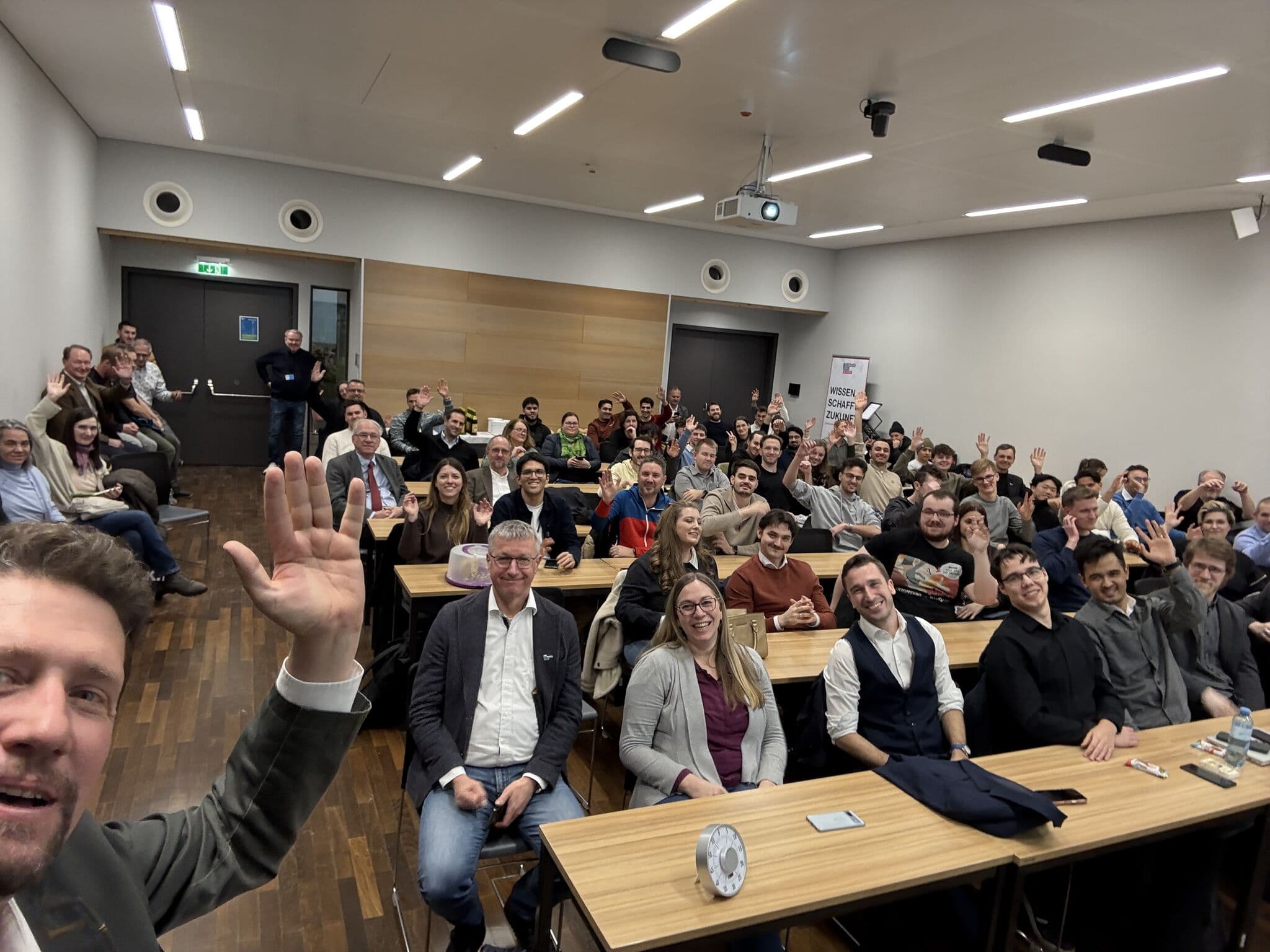
At Start me up Monday on January 12, 2026, the focus was not on a trend or specialist topic for once, but on the startup ecosystem of UAS Technikum Wien itself. After nine years of continuous startup activities—initiated by Thomas Faast and further developed by Rafael Rasinger over several years—the Monday event provided an overview of the university’s entrepreneurial breadth: from alumni scale-ups to on-site startups and a spin-off project to mentors and partners from the surrounding area.
Entrepreneurship as a living tradition
Horst Rode, co-managing director of FH Technikum Wien since December, welcomed the numerous guests at the start of the event. He was impressed by the great interest and density of start-up activities at the university. According to Rode, the long-standing tradition of start-up successes underpins the university’s commitment to actively supporting founders in building their businesses.
Rafael Rasinger, responsible for innovation and scale-up activities, explained the special focus of the evening: Instead of a thematic focus such as artificial intelligence or environmental technology, this time the focus was on the university’s own network and the Entrepreneurship and Technology Program at FH Technikum Wien. Among other things, this offers students and alumni coaching, mentoring, access to experts, office and lab space, their own events, and pitch opportunities with corporate partners.
Alumni scale-ups: Growth from the Technikum
Johannes Ferner, CEO of Fiskaly , described his journey from studying business informatics to running an internationally active B2B company. Fiskaly enables legally compliant cash register systems in several countries and processes more than 3,000 transactions per second on peak days. Today, the company employs over 130 people. Ferner emphasized: “The first few years after graduation are the best time to start a business – you have the least to lose.”
Alexander Manafi, CEO of ToolSense , looked back on the beginnings as the first on-site start-up at the University of Applied Sciences Technikum Wien. Starting with an idea for anti-theft protection for power tools, ToolSense developed into a software-based solution for maintenance management through consistent customer contact. Today, the company serves around 200 customers in 20 countries and employs approximately 50 people. His insight: don’t listen to the technology, listen to real customer needs.
Storytelling instead of buzzwords
Egon Friebus brought an investor’s perspective to the stage. The business angel, who has founded and exited a company himself, has already invested in over 30 startups. He pointed out that nine out of ten pitches fail because they remain interchangeable. “A successful pitch starts with an observation – not with a solution,” said Friebus. Founders often overload their presentations with slides, numbers, and buzzwords instead of creating clarity and meaning.
Startups and spin-offs on campus
Carina Hromada presented the research and spin-off project ArtNerve . The goal is a novel treatment approach for peripheral nerve injuries using lab-grown nerve grafts based on human cells. The project is currently exploring patenting and is part of the FFG Spin-off Fellowship Program.
Simona Hübel presented nejo Jobs , an AI-based career agent that aims to provide a more comprehensive picture of the job market than traditional job platforms. Job profiles are not reduced to keywords, but are viewed holistically. Further development is planned for 2026 that goes far beyond pure job search.
Simon Schmiderer, a graduate of the Master’s program in Sports Technology, used zone14 to show how data-based game analysis from professional soccer is being brought into the amateur sector. With the help of computer vision, players are automatically recognized, camera work is replaced, and game statistics are generated. Zone14 already works with around 150 clubs – from Bundesliga clubs to amateur soccer.
Other startups from the field
Michael Raml presented Constrct , a digital supply chain for the construction industry. The aim is to standardize inefficient and fragmented processes in the construction industry. The founding team, which has links to the University of Applied Sciences Technikum Wien and the Vienna University of Economics and Business, has already attracted investors from the construction industry and the venture capital sector.
BMap , a startup from the music industry, was also represented: The platform connects the Austrian music scene and enables users to search for and book rehearsal rooms.
rehearsal rooms. The launch is planned for 2026 and is being developed in cooperation with the Startup Center at the University of Applied Sciences Wiener Neustadt.
Mentors as the backbone
The evening was rounded off with a presentation by mentors from the FH Technikum Wien network: six of the current ten were in attendance: Vice Rector Stefan Sauermann, former Head of Finance Gerhard Brandstätter, Thomas Wala, Head of Economics, Law & Scientific Work, elastomer specialist Wolfgang Fidi, materials science expert Albert Benoni, Head of Materials Science & Mechanical Systems, and Robert Pucher, Head of Software Engineering. With these experienced minds and coordinator Rafael Rasinger, all students and alumni interested in starting a business have access to contact persons and connections to a remarkable network.