Global Acting in IT: 1 Minor, 4 International Higher Education Institutions, 4 Cultures, 4 IT Topics
05 May, 2026
Students rotate among universities and work on real-world IT projects. At the UASTW, the focus was on the software engineering cycle.
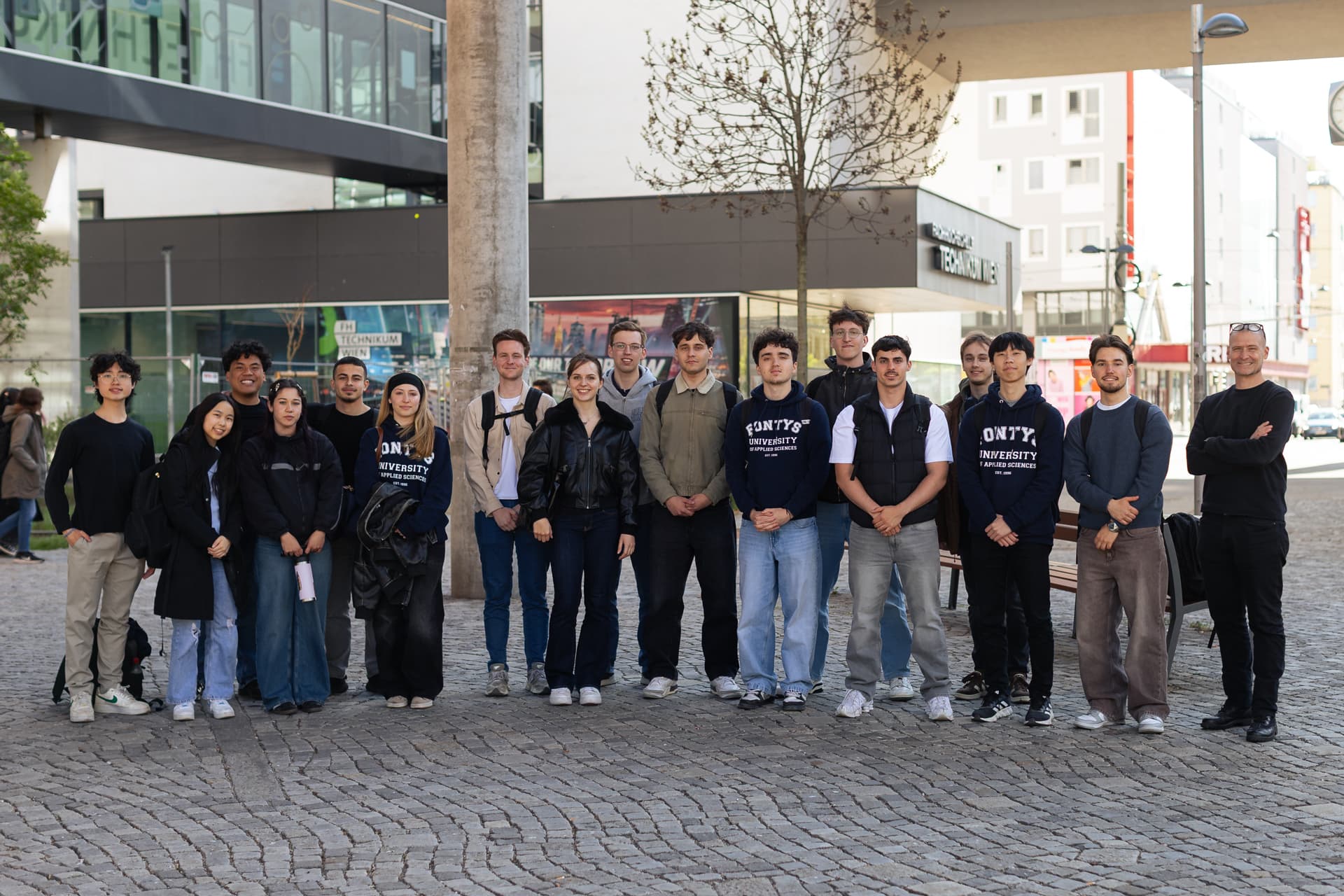
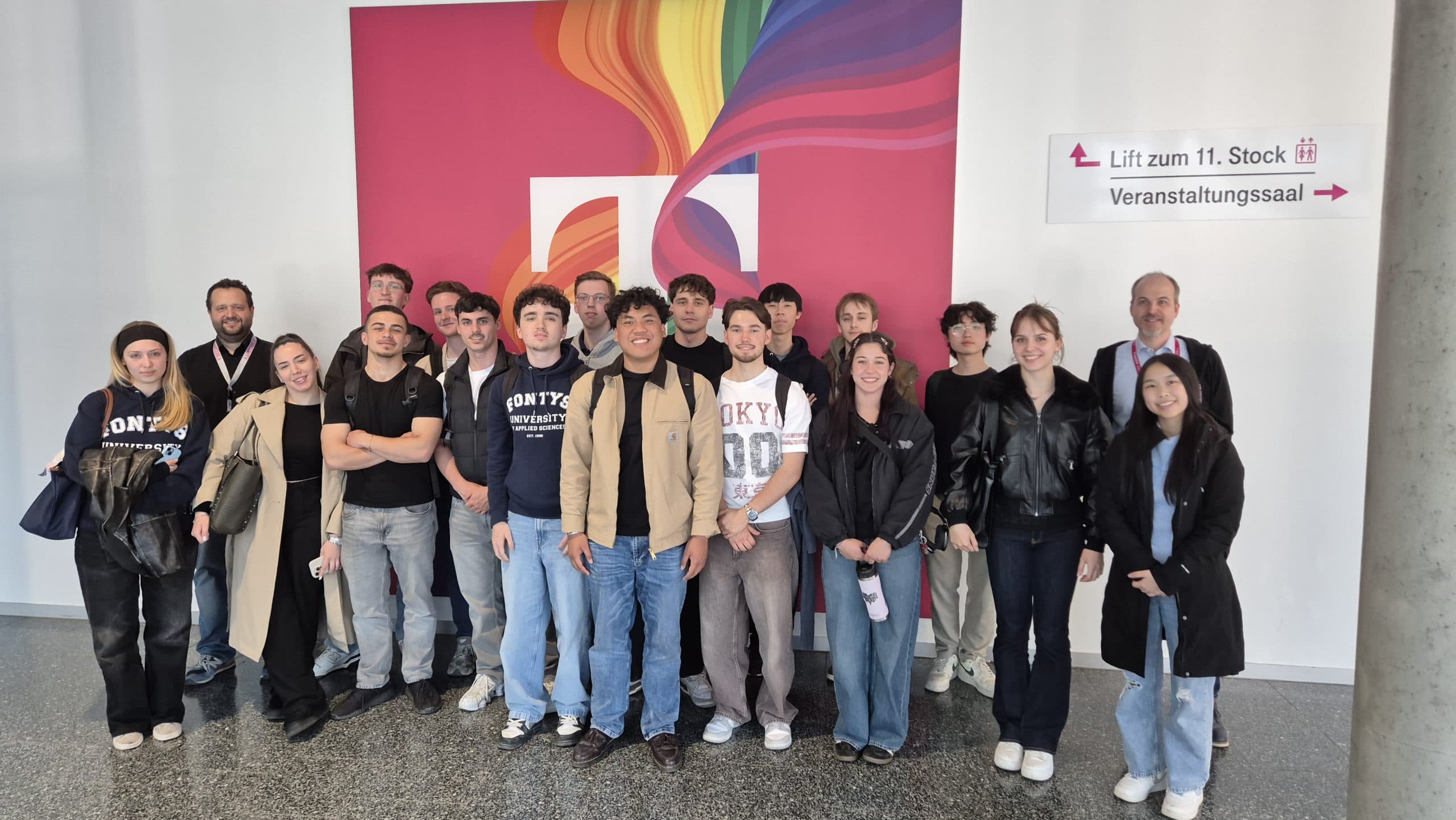
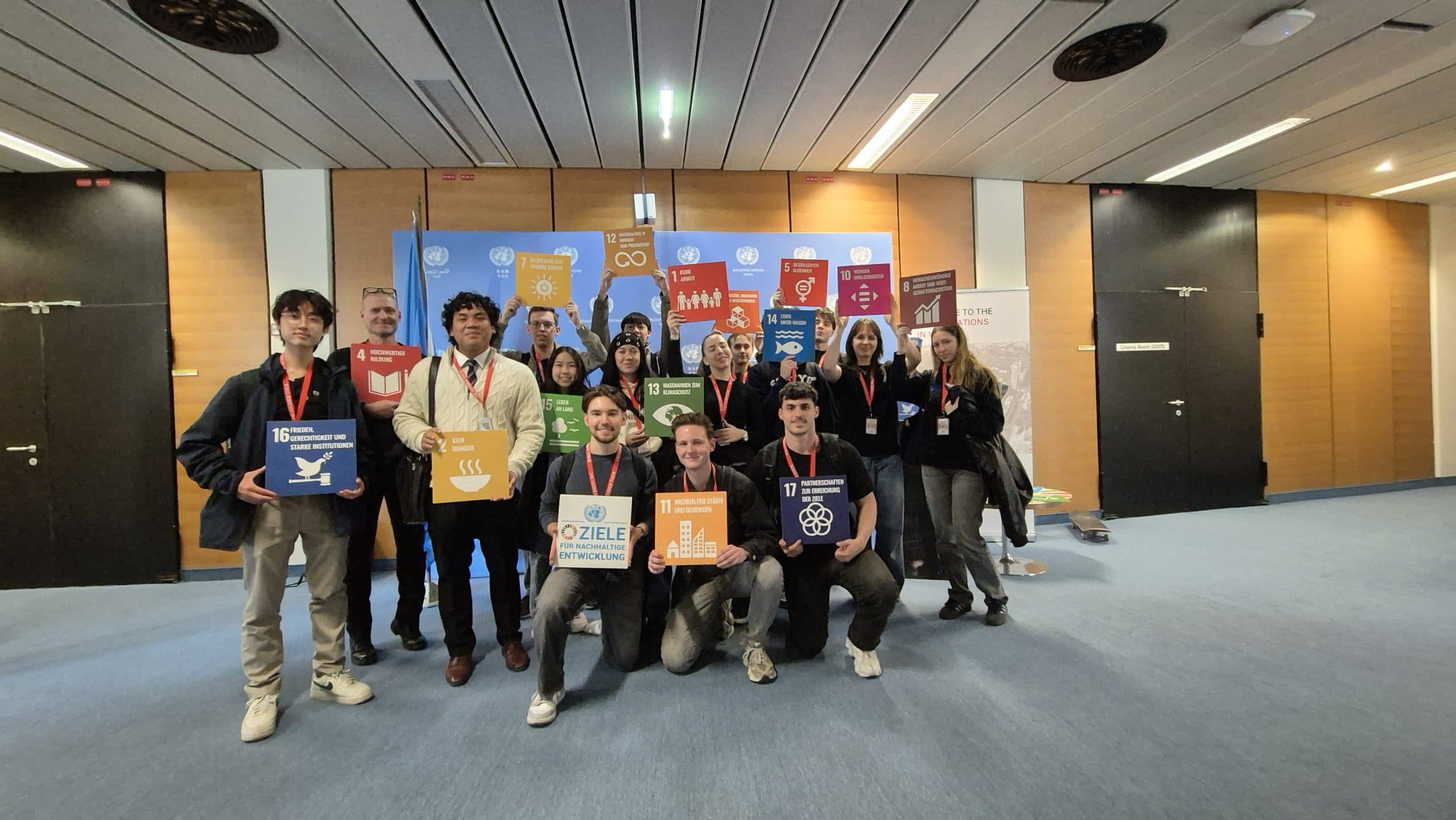
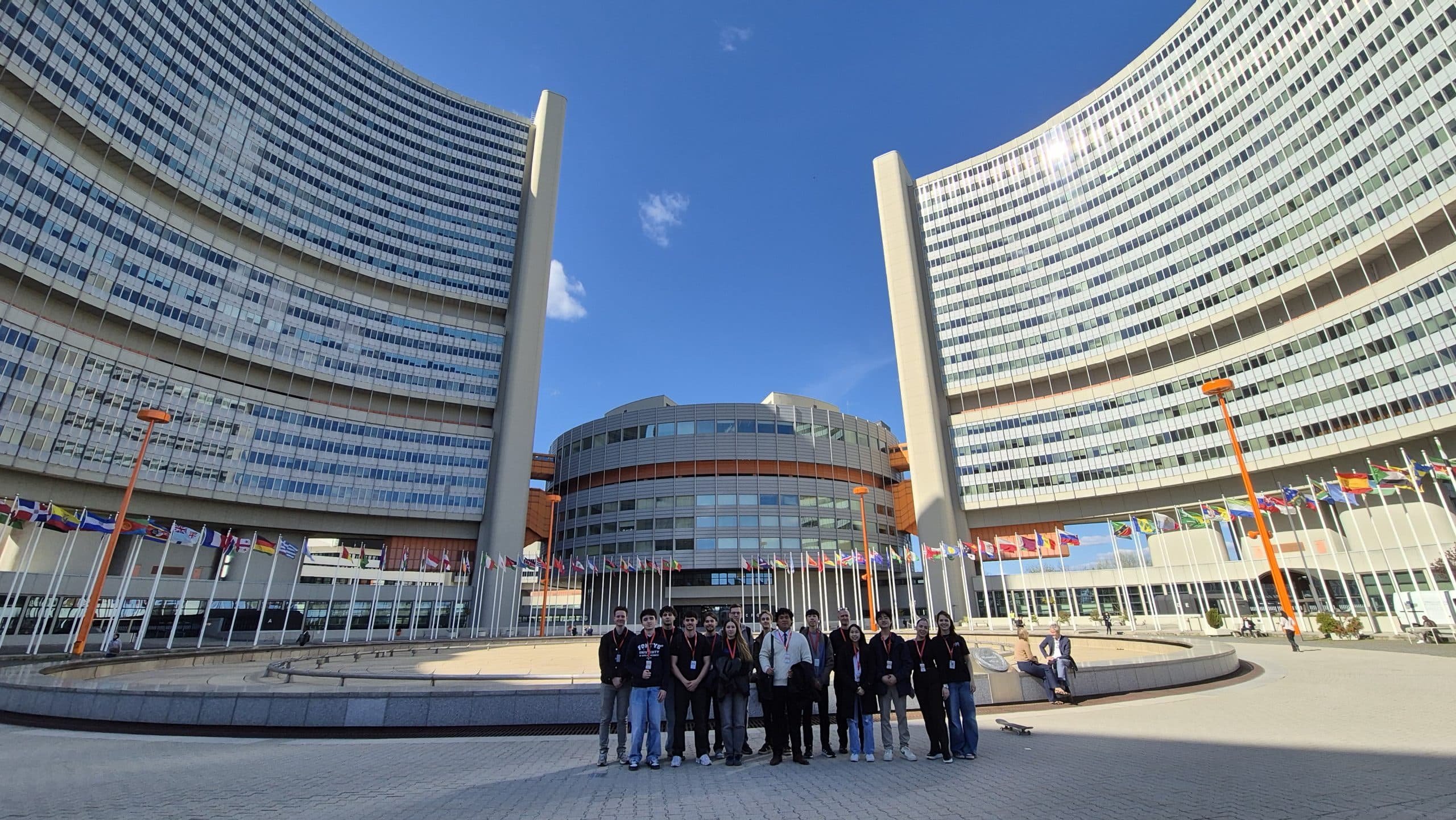
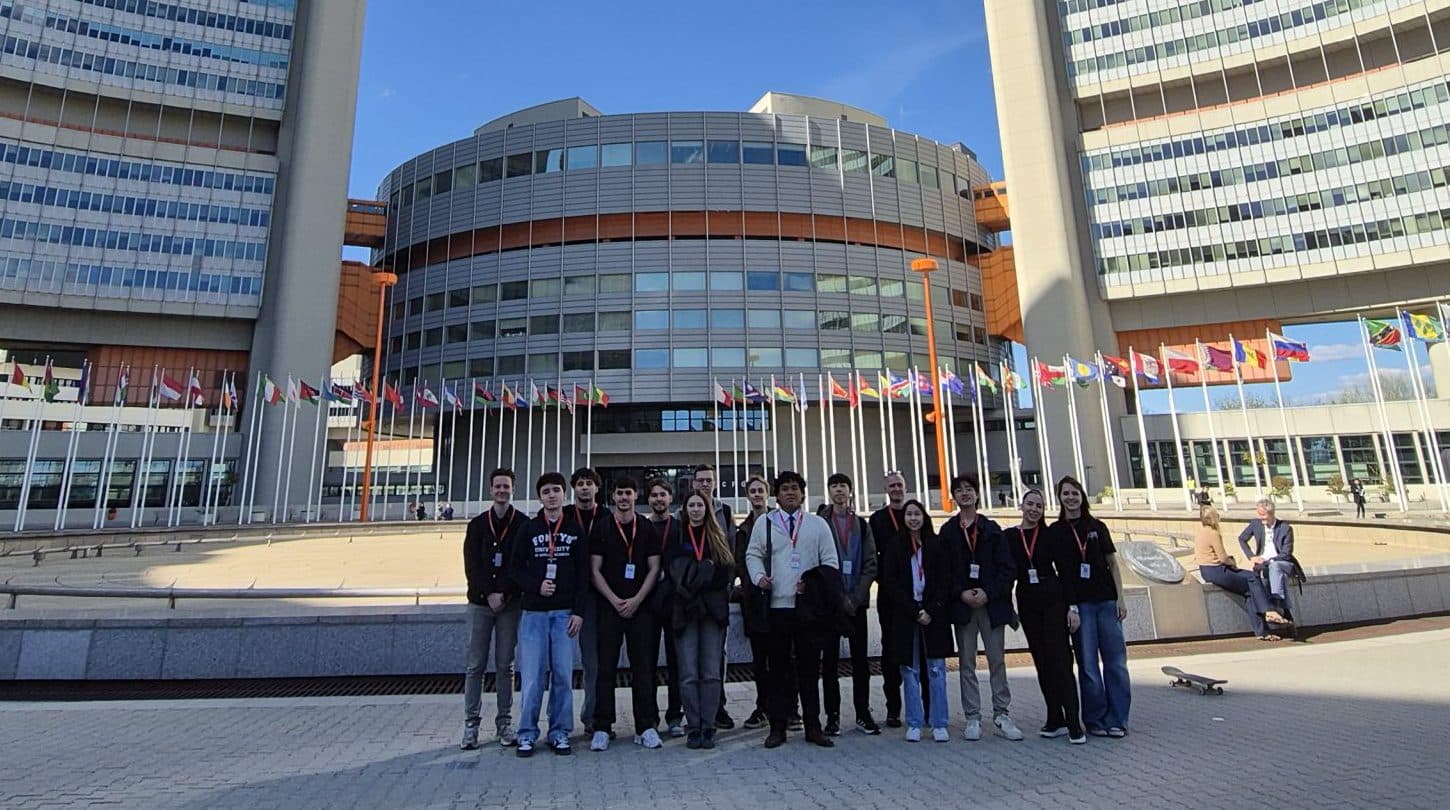
This spring semester, the Faculty of Computer Science & Applied Mathematics of Technikum Wien became the setting for an immersive academic and cultural experience as part of the first Global Acting in IT minor with Fontys University of Applied Sciences. Throughout the program, students rotate between different higher education institutions every three to four weeks, gaining new input for their project work. Five students of the BSc Computer Science and BSc Business Informatics of Technikum Wien pioneered the first run of the program, which is planned to continue in the years to come.
Designed around international collaboration and real-world IT challenges, the minor brings together students from different backgrounds to work in diverse teams. In Vienna, the focus was on Software Engineering and several phases of the Software Development Life Cycle spanning from Software Architecture, Data Modelling, Interface Design, Back- and Frontend Implementation and Integration to Testing and Rollout, combining technical development with intercultural teamwork, one of the core elements of the program.
Spending four weeks in one city offered the chance to move beyond first impressions and develop a more grounded experience. Vienna gradually became more familiar through daily routines, commuting to campus, working in shared spaces, and discovering local cafés and neighborhoods. This rhythm supported both productivity and connection within the group.
Work in international teams
Collaboration played a central role throughout the program. Working in international teams meant navigating different perspectives, communication styles, and approaches to problem-solving. These differences added depth to the projects and reflected the realities of global IT environments.
This semester’s challenge titled ‘Landscape Mapping and Health Assessment in Urban and Semi-Urban Areas’ was posed by the Humber Arboretum in Toronto with the goal of designing and implementing a solution that allows “stakeholders to monitor, assess and maintain healthy, resilient, and sustainable landscapes.” The student groups come up with different approaches ranging from automatic data collection with sensors to educational mobile games designed for high school students.
Exploring everyday life outside the lecture hall
This semester’s challenge titled ‘Landscape Mapping and Health Assessment in Urban and Semi-Urban Areas’ was posed by the Humber Arboretum in Toronto with the goal of designing and implementing a solution that allows “stakeholders to monitor, assess and maintain healthy, resilient, and sustainable landscapes.” The student groups come up with different approaches ranging from automatic data collection with sensors to educational mobile games designed for high school students.
Beyond the academic setting, Vienna provided a rich cultural backdrop. The city’s mix of historic architecture and modern life created opportunities to explore, connect, and experience everyday life outside the classroom. Informal moments, group dinners, walks through the city, and shared downtime, became just as valuable as structured learning.
Overall, the Vienna experience highlighted how technical skills and intercultural collaboration go hand in hand. It offered a practical perspective on working in global contexts while allowing time to engage with a city in a meaningful and consistent way. While the students have now continued their journey in Greece for the next phase of the program, Technikum Wien wishes them enriching experiences and looks forward to seeing their final results in Canada at the end of June.
Weiterführende Informationen:
Fontys University of Applied Sciences – Venlo, Niederlande
International Office – FH Technikum Wien