Learning and laughing in Naples: ARTISTE 2.0 inspires students and teachers
19 January, 2026
The Erasmus+ program brought together students from Austria, Germany, and Italy.
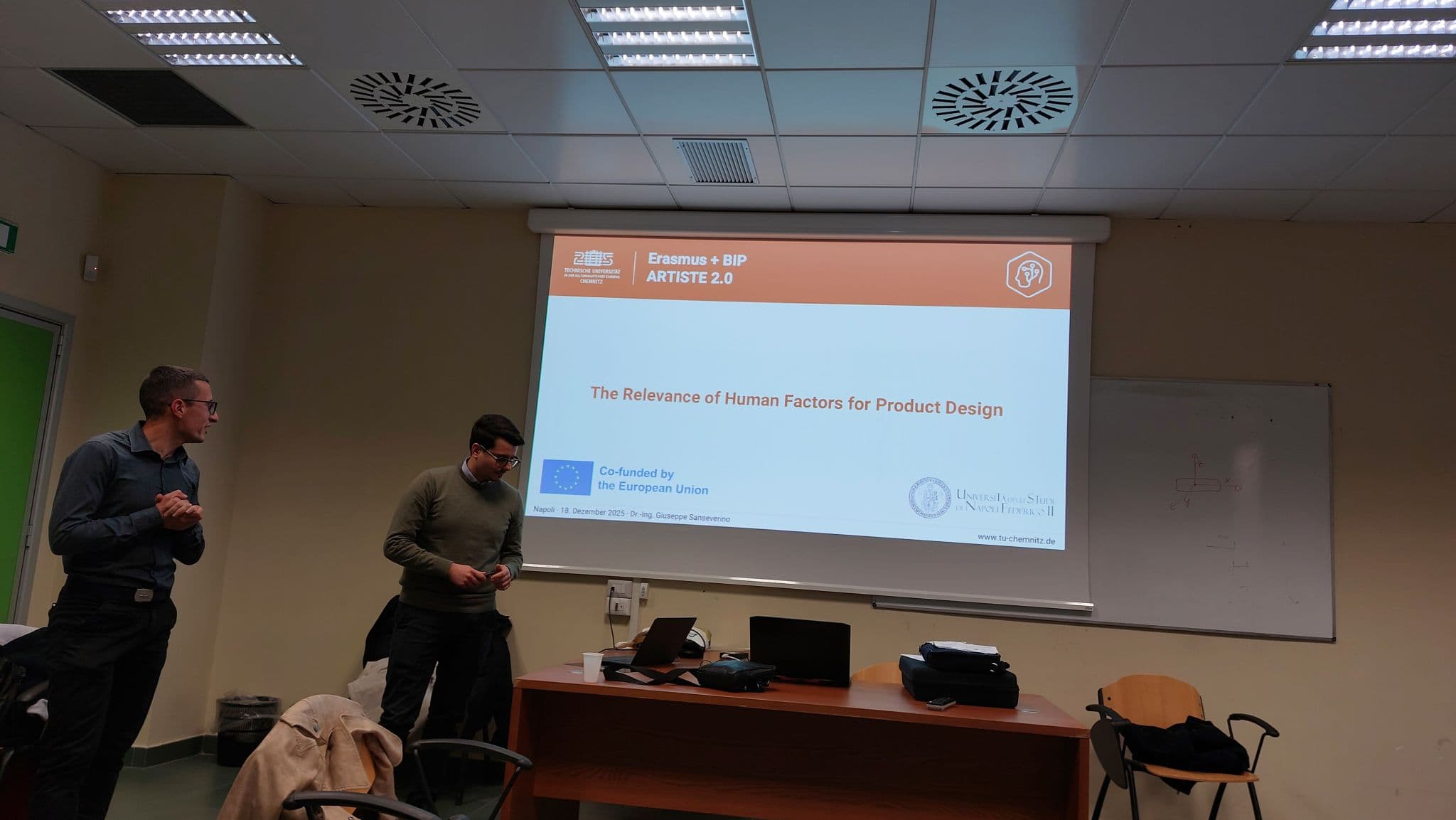
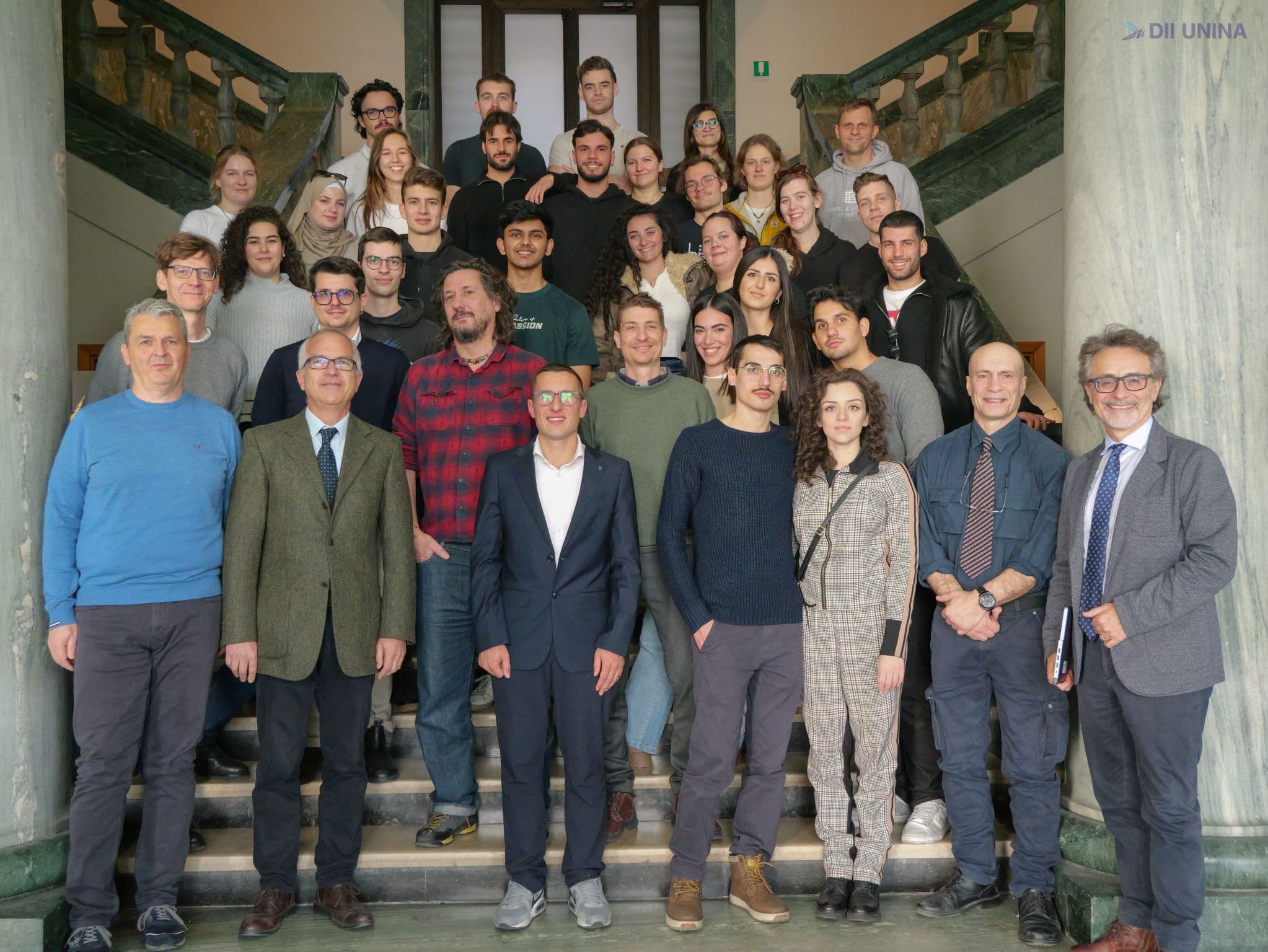
“What an exciting and intense week,” said Stefan Litzenberger, Director of the Sports Engineering and Ergonomics program, summarizing the Erasmus+ Blended Intensive Program (BIP) ARTISTE 2.0 in December 2025. The program, organized by the Università degli Studi di Napoli Federico II, ended with a final exam on December 15, 2025. Ergonomics, summed up the Erasmus+ Blended Intensive Program (BIP) ARTISTE 2.0 in December 2025. The program, organized by the Università degli Studi di Napoli Federico II, ended with a small, very warm certificate ceremony.
Learning and experiencing
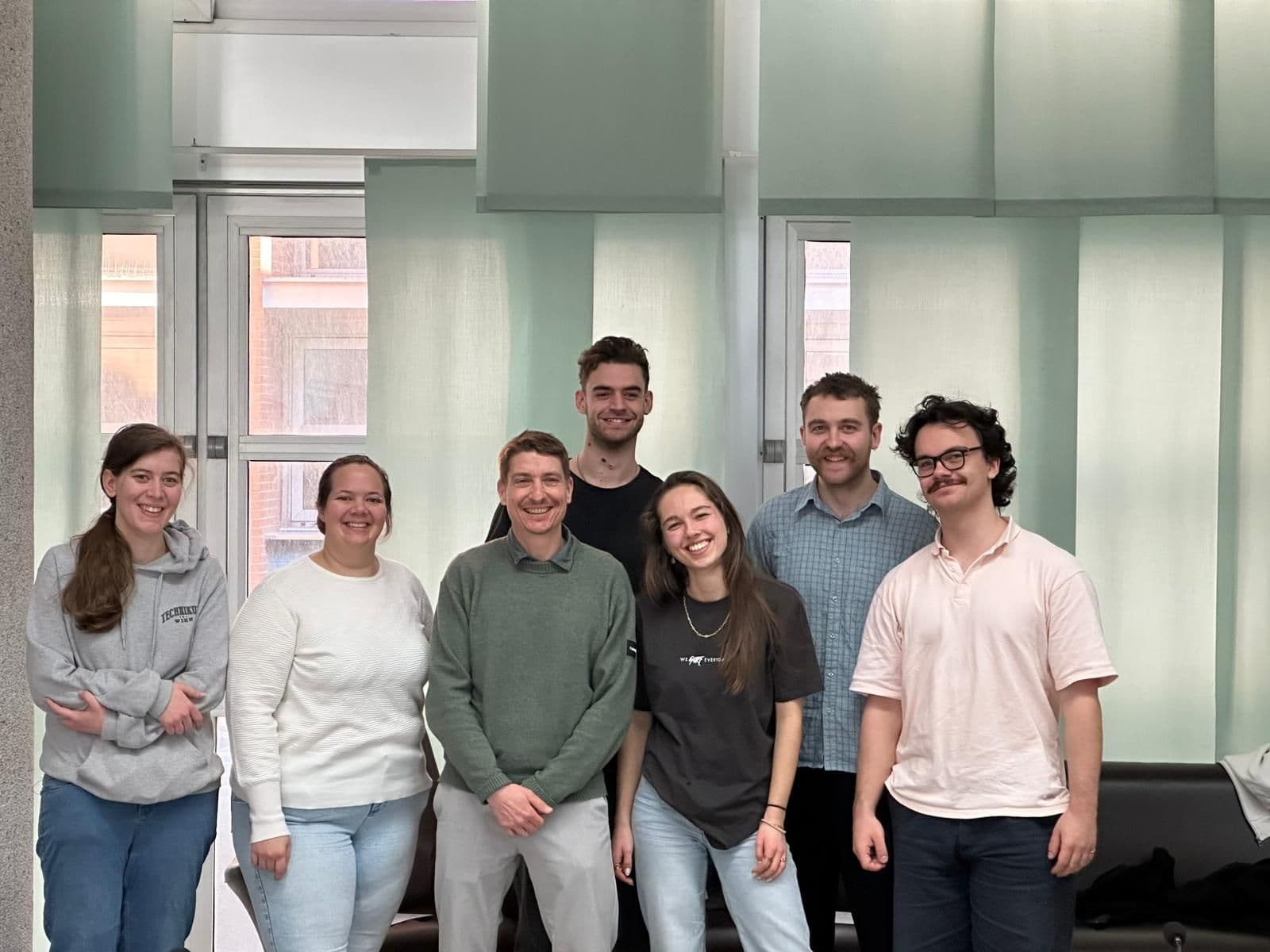
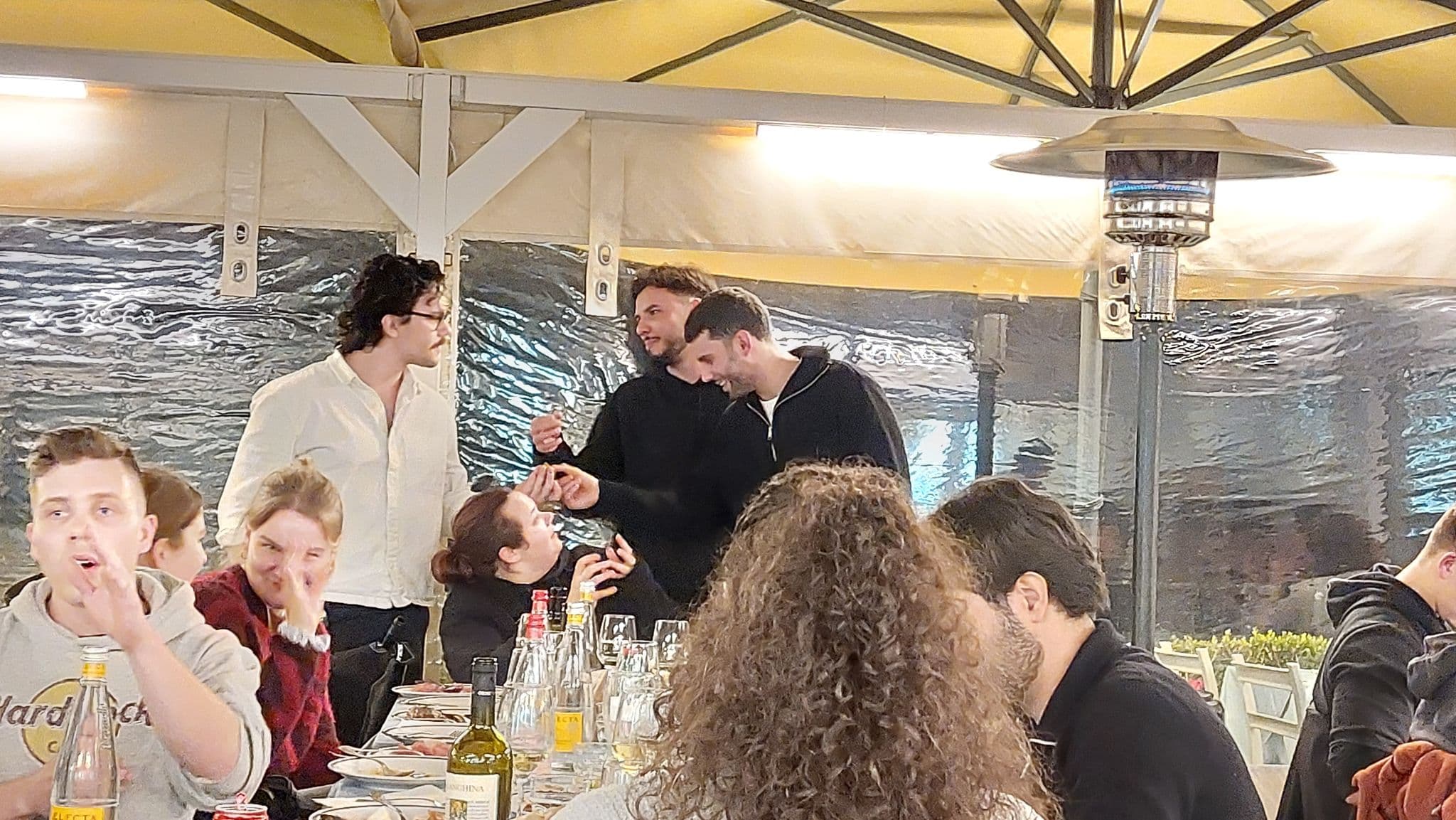
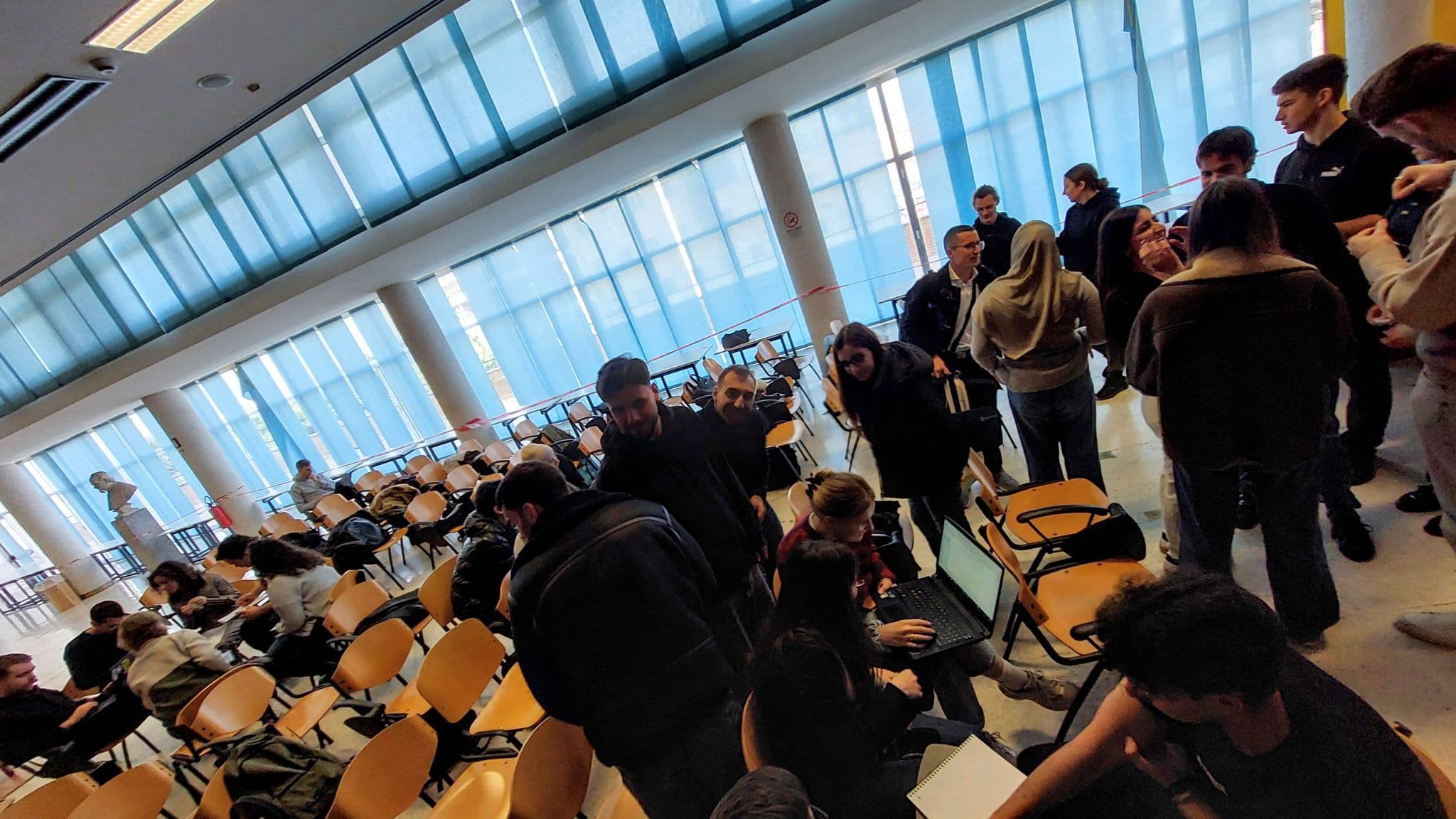
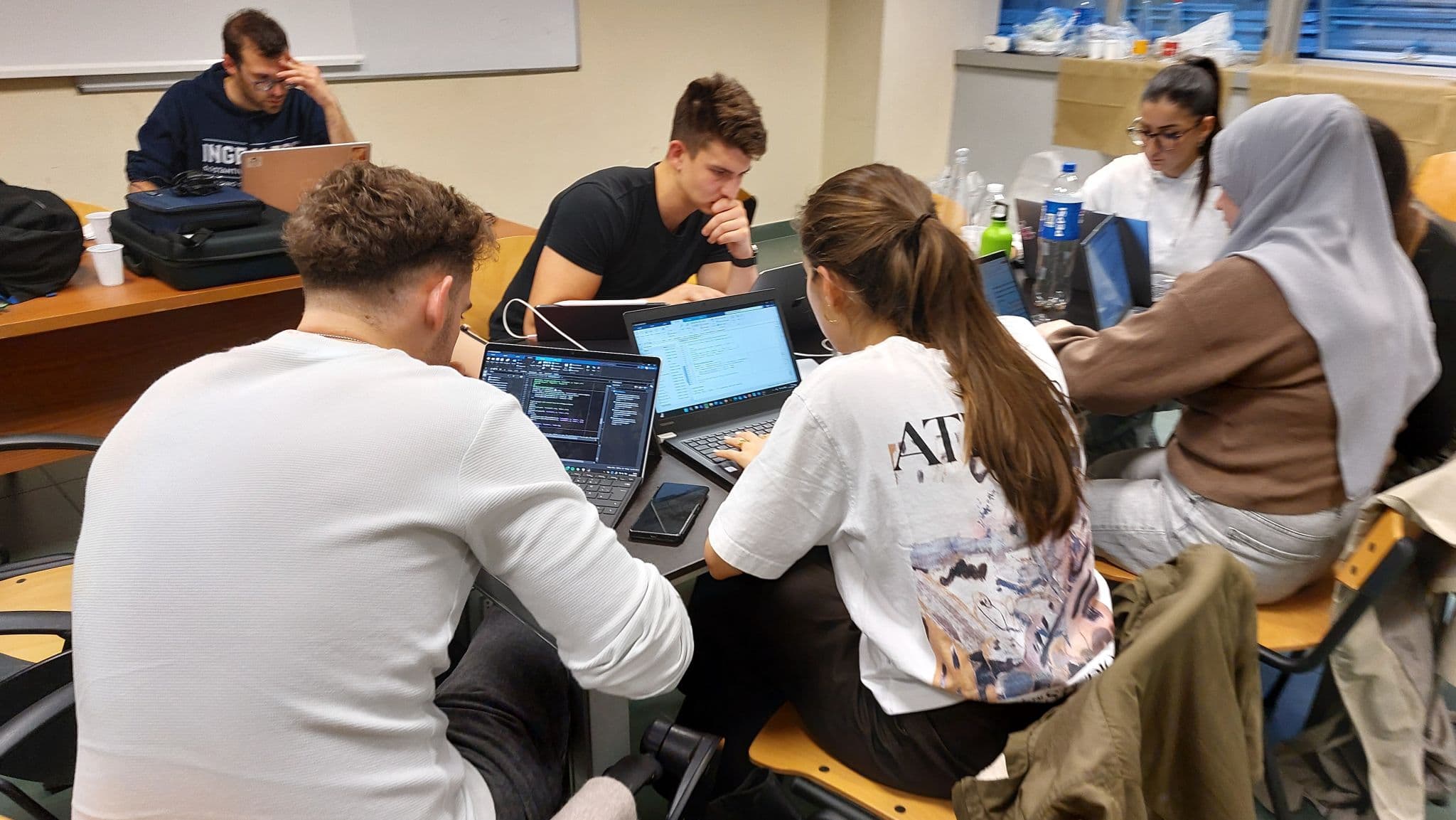
“It was particularly impressive to see how the 30 students from Naples, Chemnitz, and Vienna grew closer together over the course of the BIP: minds working overtime, question marks turning into exclamation points, new questions that sparked creative solutions,” says Litzenberger. “Learning, understanding, discussing, and laughing together: for us, this is what good higher education is all about.” And that’s not all: learning continued into the mild Neapolitan nights. Accompanied by culinary discoveries that enriched not only the palate but also intercultural exchange.
Proud achievements of the FHTW students
The six bachelor’s students from UAS Technikum Wien, five from the Sports Engineering and Ergonomics and one student from Biomedical Engineering – did an excellent job in their teams and presentations, brought contributed, took responsibility, and presented their results in a clear and solution-oriented manner. This also proved the concept of the Bachelor’s program in Sports Engineering and Ergonomics in an international context: from idea to prototype, from experiment to application – with a consistent focus on people in a sporting context.
Technical concepts for use in sports
In terms of content, ARTISTE 2.0 provided the ideal stage for a broad range of expertise: materials in sports, digital manufacturing, sensor technology, biomechanics, human factors, and sustainability. The students translated complex requirements into clear technical concepts, tested them iteratively, and presented their results in a comprehensible manner. Equally central were the “soft skills”: international collaboration, agile teamwork, scientific argumentation, and a constructive feedback culture. It is precisely these skills are crucial in the job market and form the basis for successful internships, theses, and career starts in sports engineering, ergonomics, and medical technology.
Special thanks go to Prof. Antonio Lanzotti, Paola Muratto, and especially Prof. Teodorico Caporaso for the excellent organization and warm hospitality in Naples. We would also like to thank
with Giuseppe Sanseverino from Chemnitz University of Technology (who is from Naples), his Chemnitz colleague Stefan Schwanitz, and Dominik Krumm worked out wonderfully. Such encounters are priceless: they open eyes and doors, build trust, and inspire new joint projects.
European cohesion
“This shows how important and effective the Erasmus+ program of the European Union is for organizing such formats and mobility. It fosters European cohesion, makes Europe tangible, promotes friendships across borders, and broadens cultural horizons,” says Litzenberger. “Thanks go to OeAD-GmbH – Agency for Education and Internationalization – for its reliable support, as well as to Agnes Kriz, Head of the International Office at UAS Technikum Wien, for her encouragement and support in all internationalization projects. Without these partners, programs such as ARTISTE 2.0 would not be possible in this quality
Taking advantage of international opportunities
But what is also important is that current and future students
recognize how teaching in the Sports Engineering and Ergonomics program
is understood – application-oriented, international, and human-centered. Anyone who wants to combine sports, technology, and ergonomics will find an environment here in which ideas quickly take shape, experimentation is expressly encouraged, and excellence emerges from collaboration. Interested parties are invited to combine their combine their enthusiasm for sports with technical curiosity and a sense of sustainability. Students are encouraged to actively pursue opportunities such as international blended intensive programs—they accelerate professional development and personal growth.
„Grazie, Napoli“
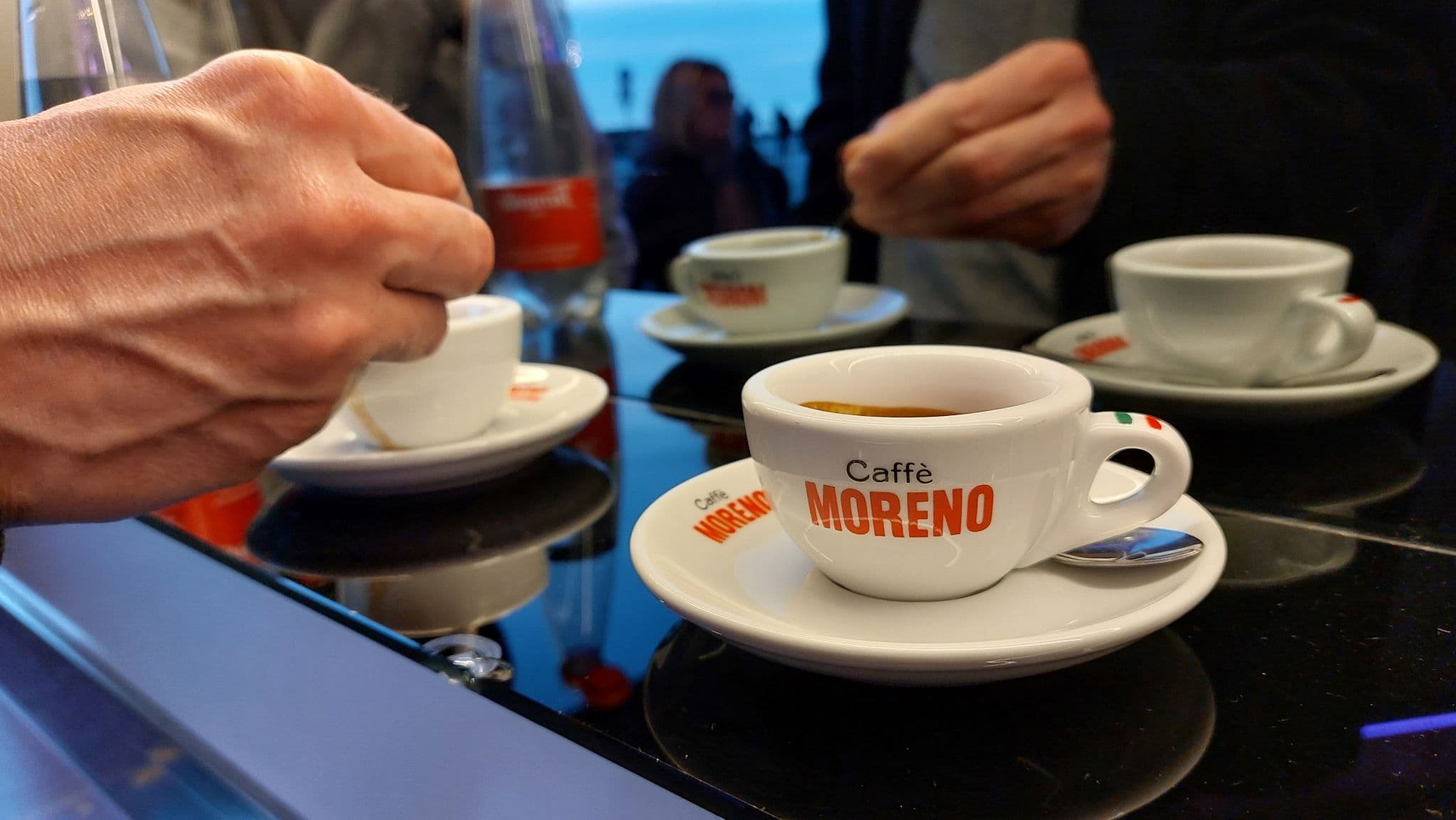
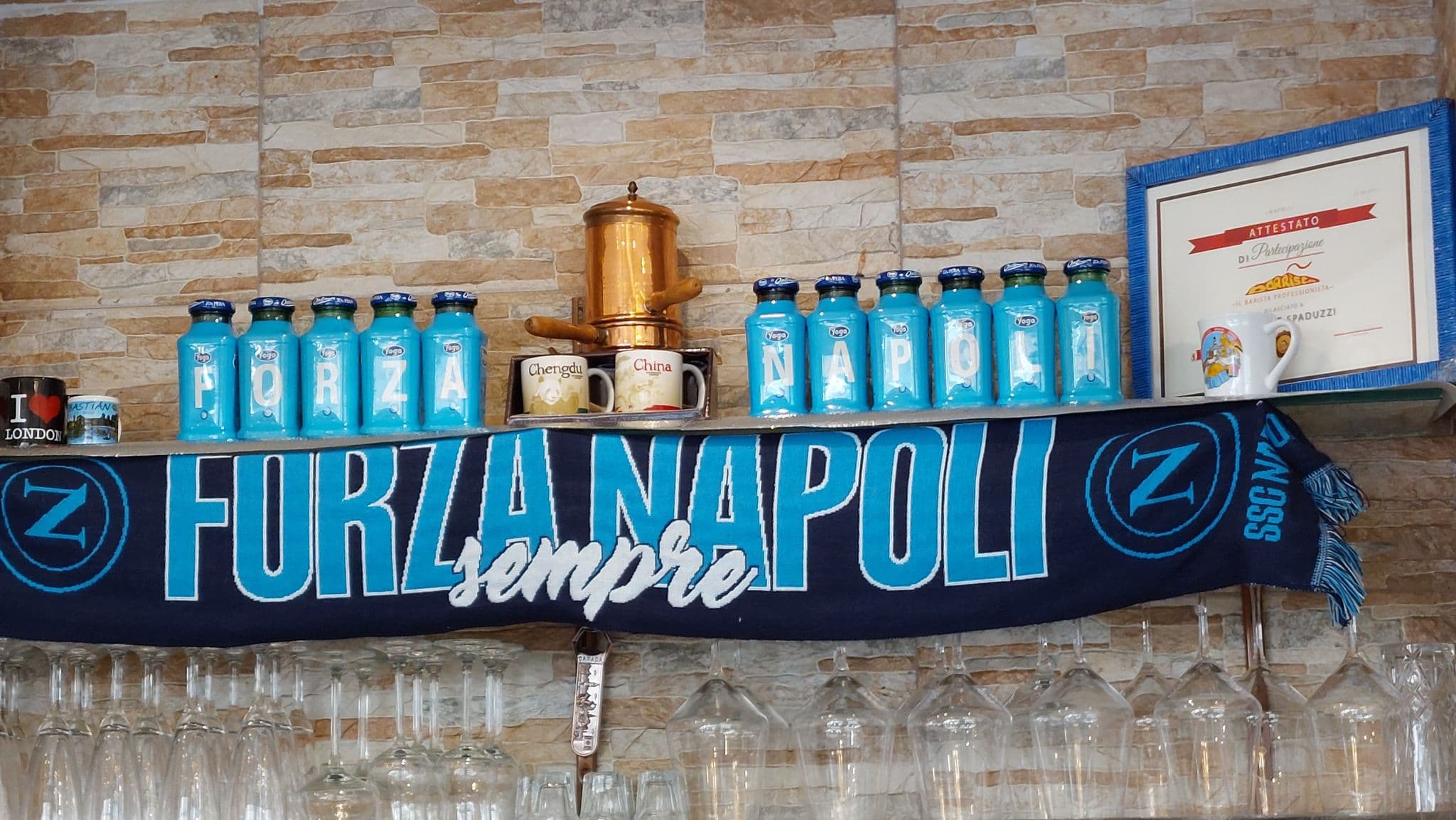
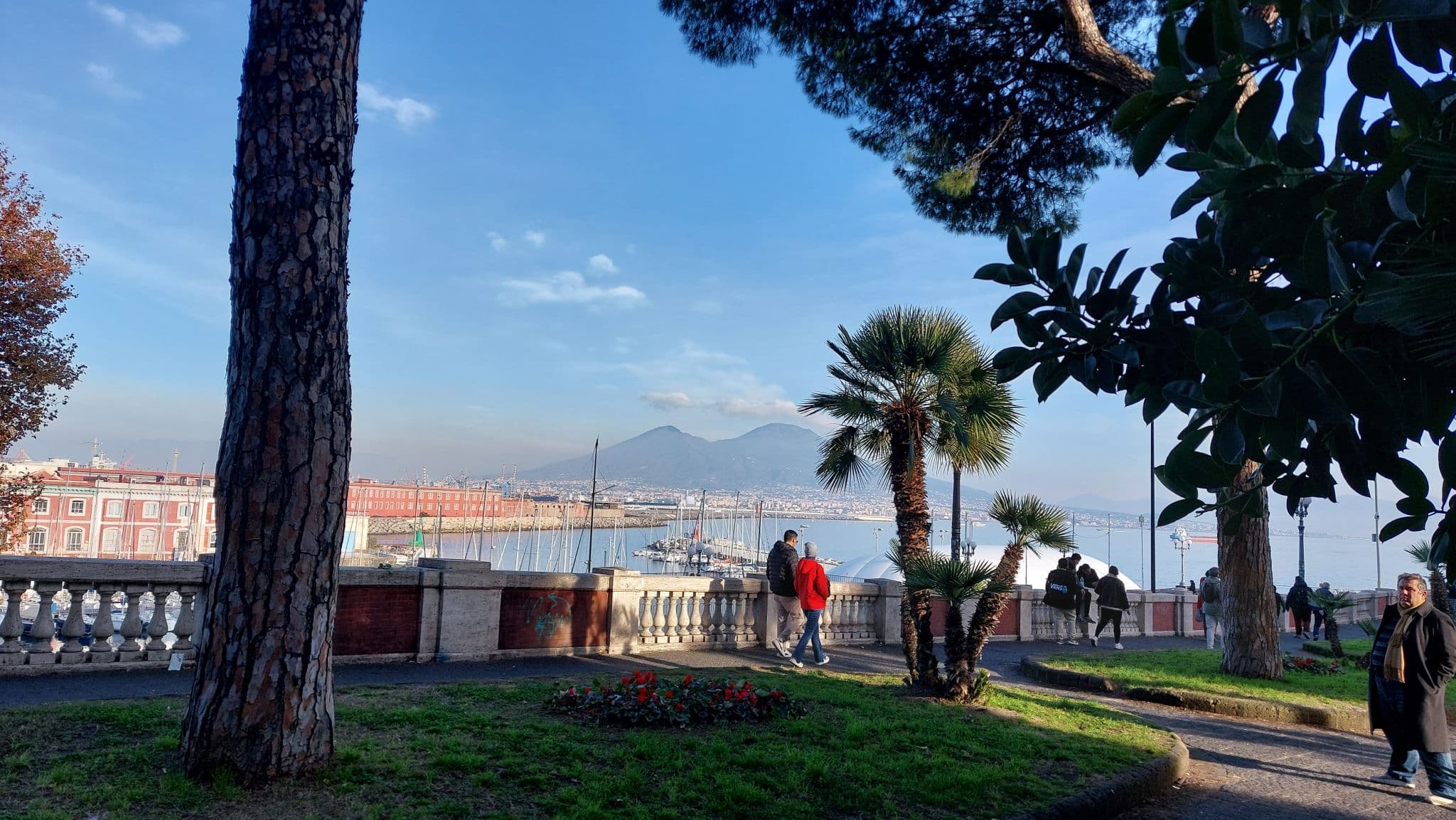
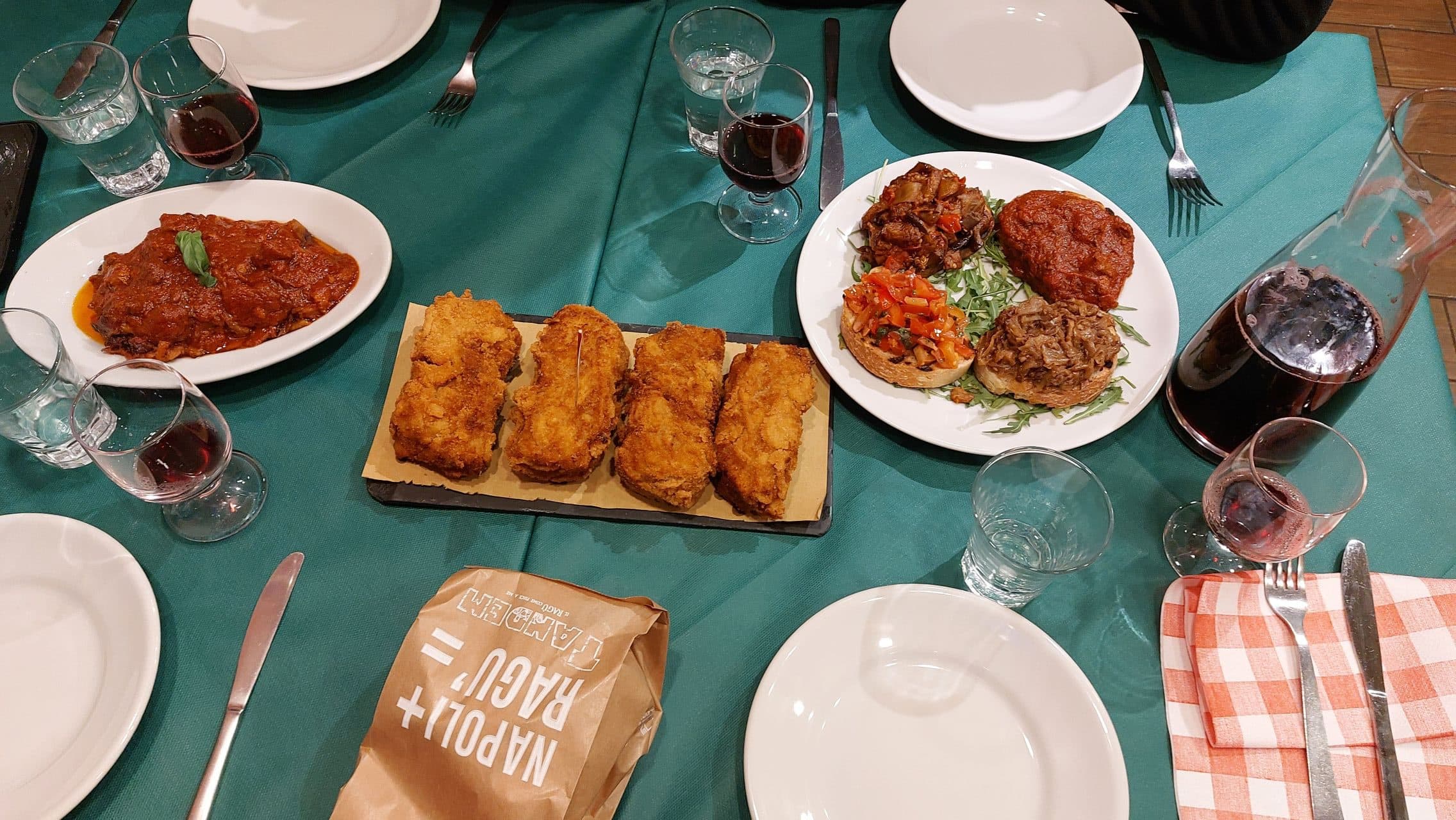
Litzenberger’s conclusion about the week: “Countless caffès, cornetti, crocchè, sfogliatelle, frittatine; lots of conversations, ideas, laughter, recognition, hugs, and walks through a fascinating city – together with a great group of professori and studenti. Grazie mille, Napoli.” There is great anticipation for ARTISTE 3.0 – the next steps are already planned.