Successful Live Tests Of New Drone Technologies: Samurai Year 2 Meeting At The University Of Klagenfurt
28 August, 2026
Practical demonstrations showcased progress in flight stack, redundancy, and GPS-free navigation. Testing was conducted in precisely mapped indoor and outdoor environments.
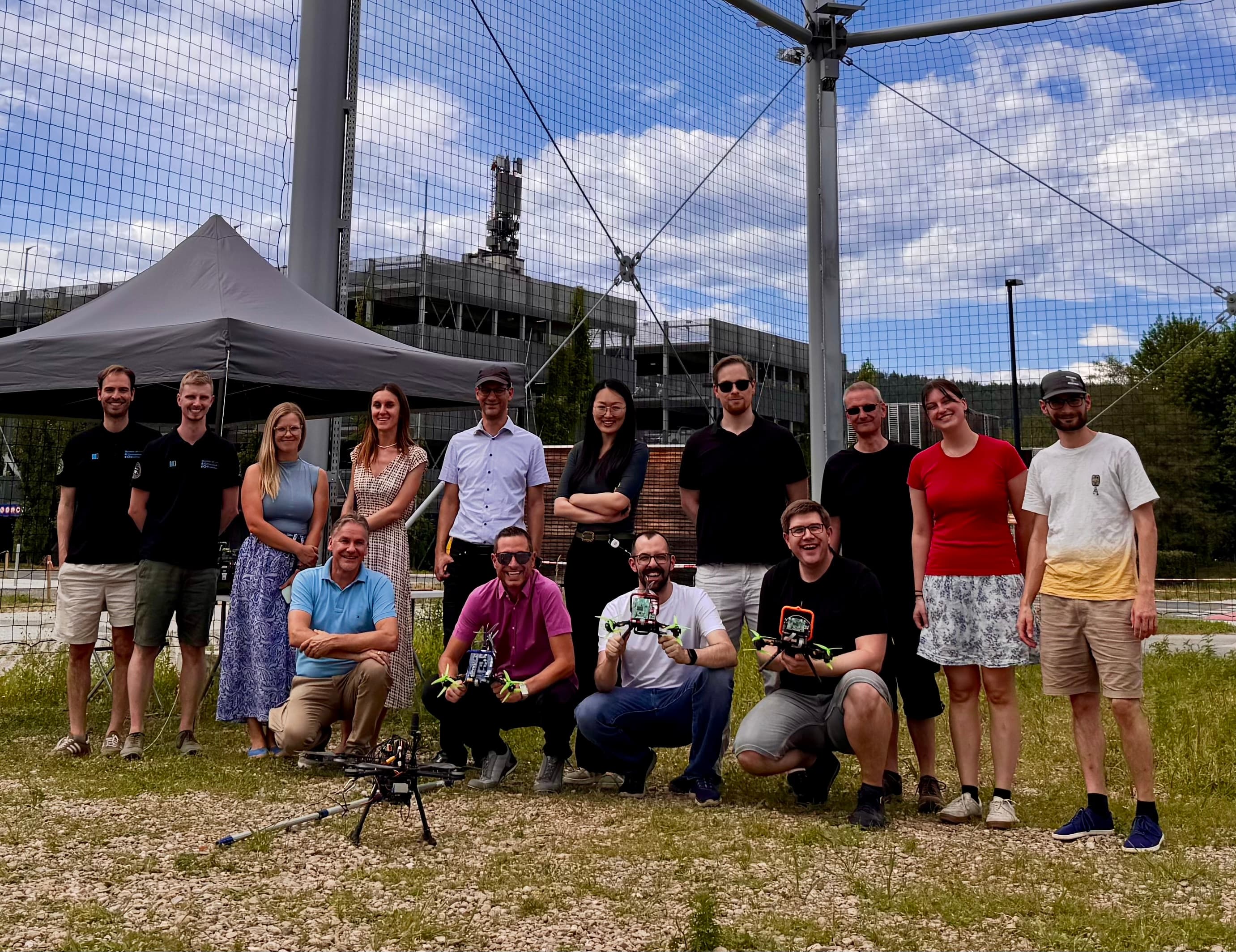
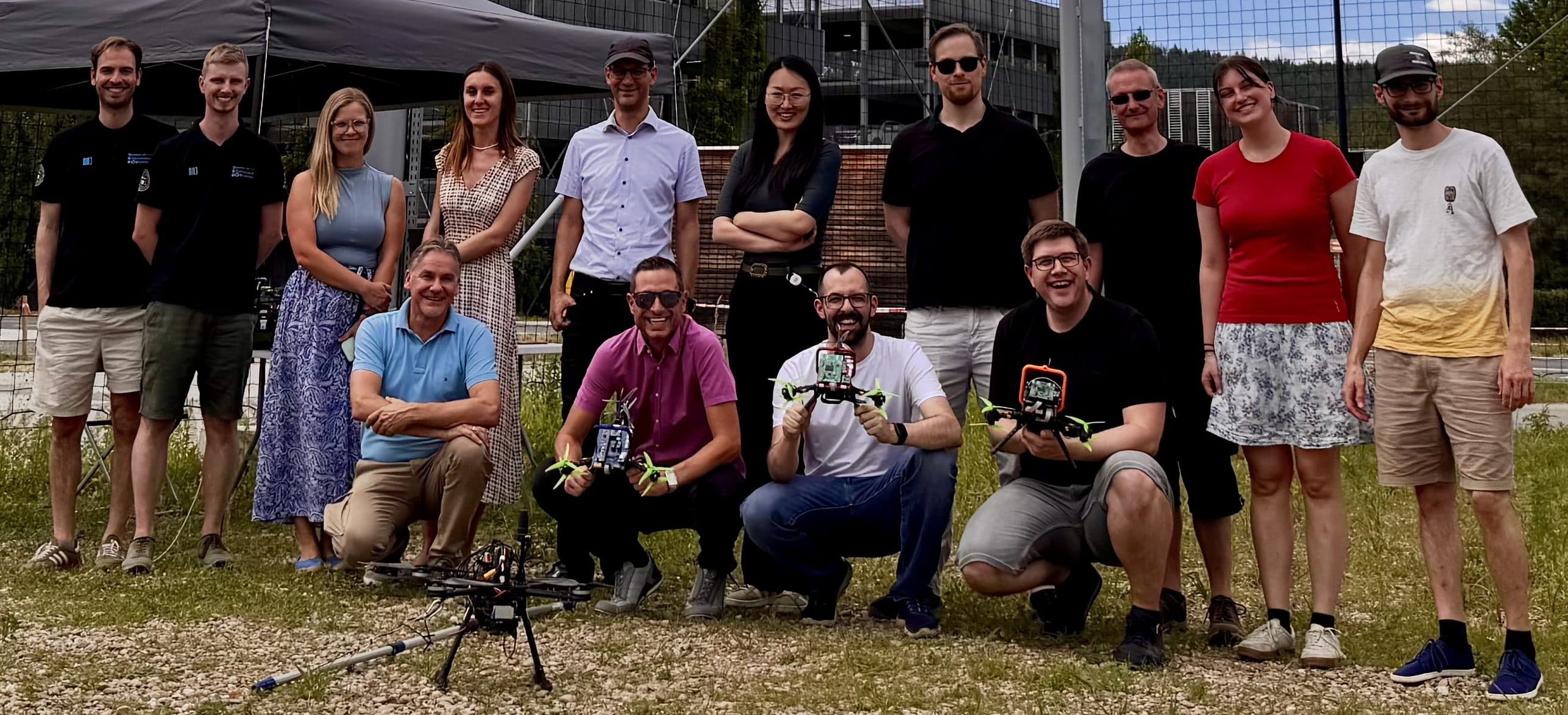
On July 7, 2026, the project partners of the FFG research project SAMURAI met for their Year 2 meeting at the University of Klagenfurt. Representatives from UAS Technikum Wien, University of Klagenfurt, Infineon Technologies Austria, and Twins GmbH presented the results and developments from the past project year and provided an outlook on the final project phase.
The meeting focused on current progress in the development of safe and high-performance drone systems. The project partners presented their latest hardware and software developments and discussed the next steps leading up to the project’s completion.
Live Demonstrations In The Drone Test Environment
A key focus of the meeting was on practical demonstrations of the technologies developed. In the afternoon, various hardware and software solutions were tested and presented during several live demonstrations.
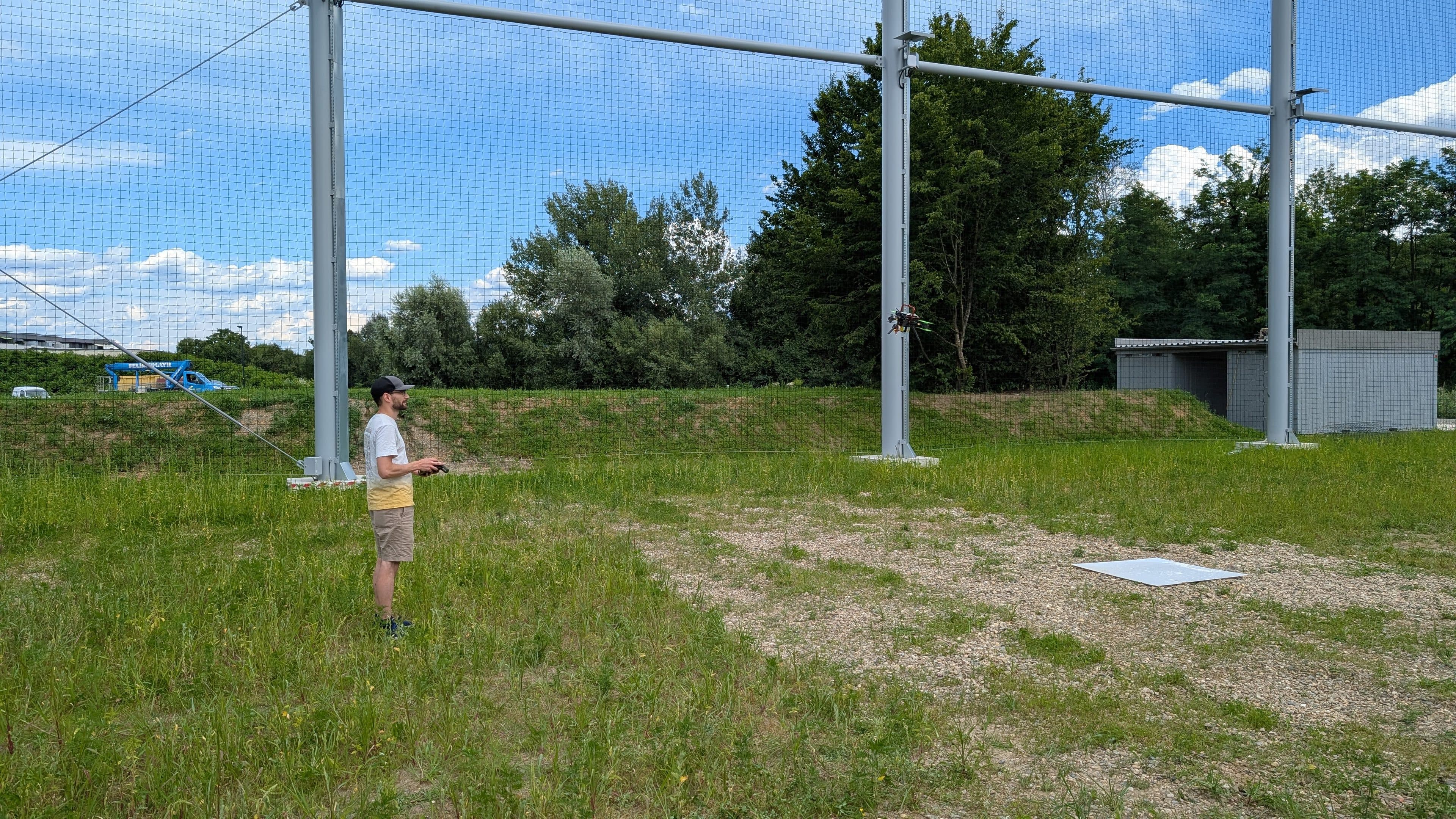
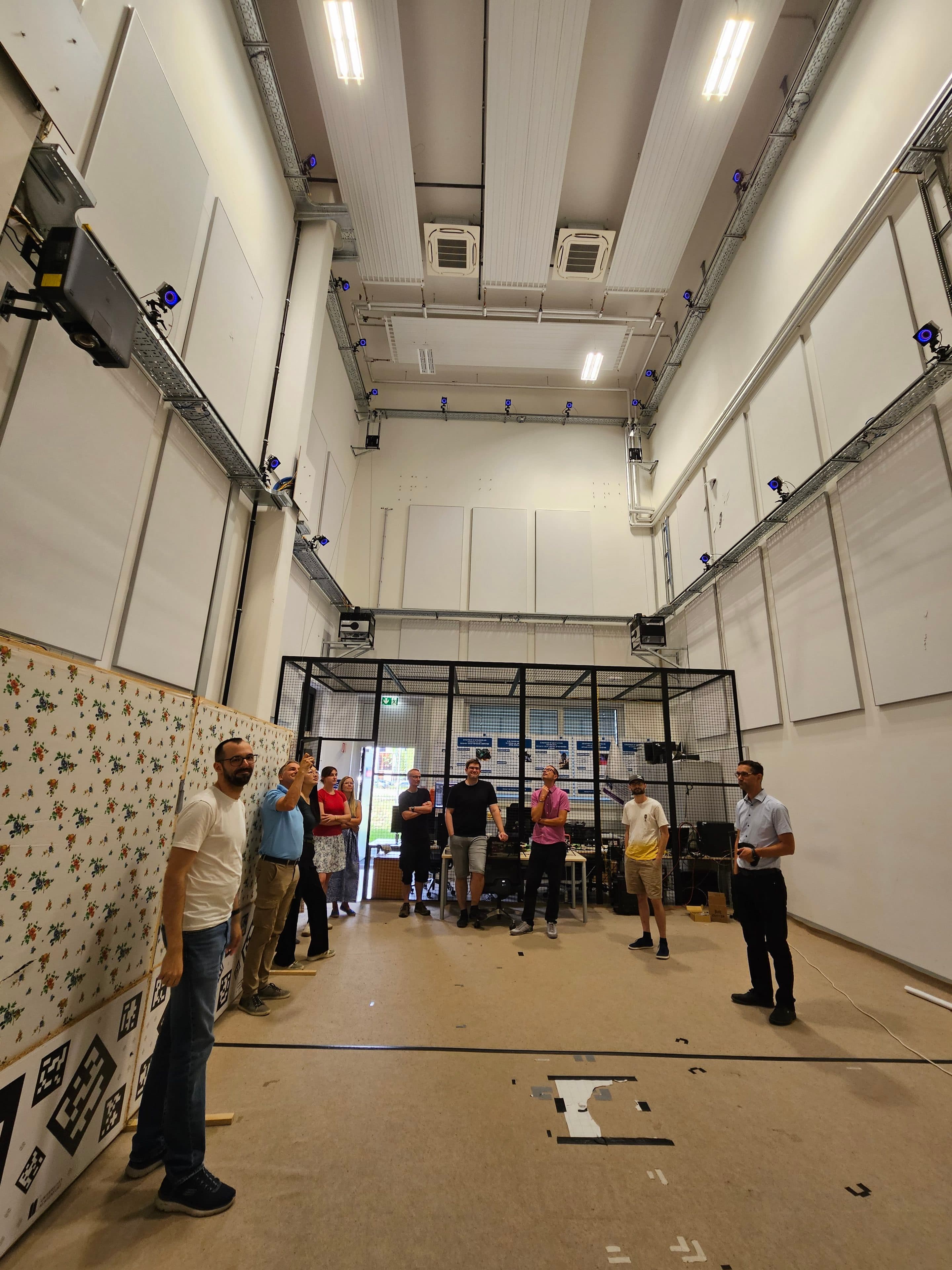
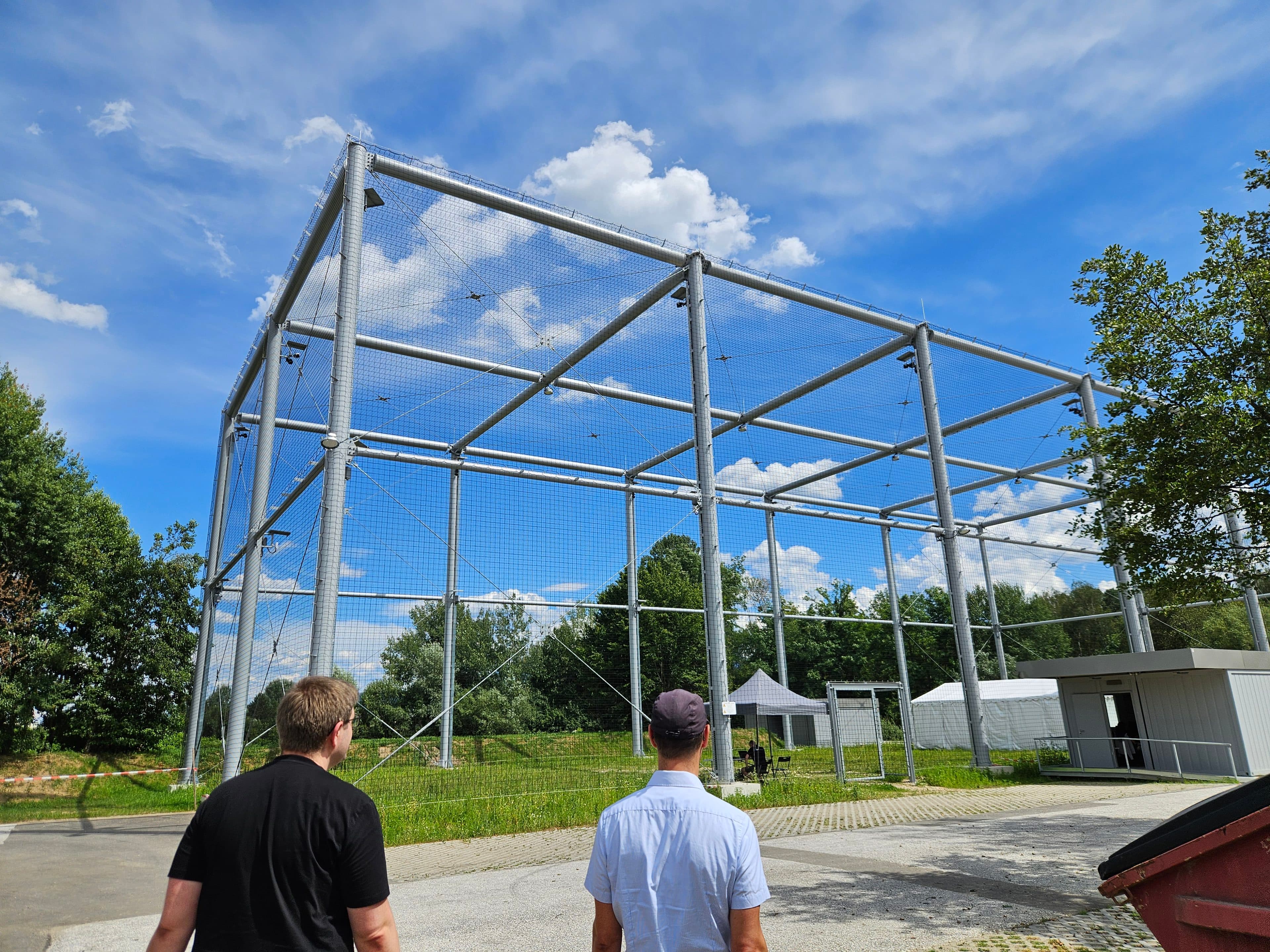
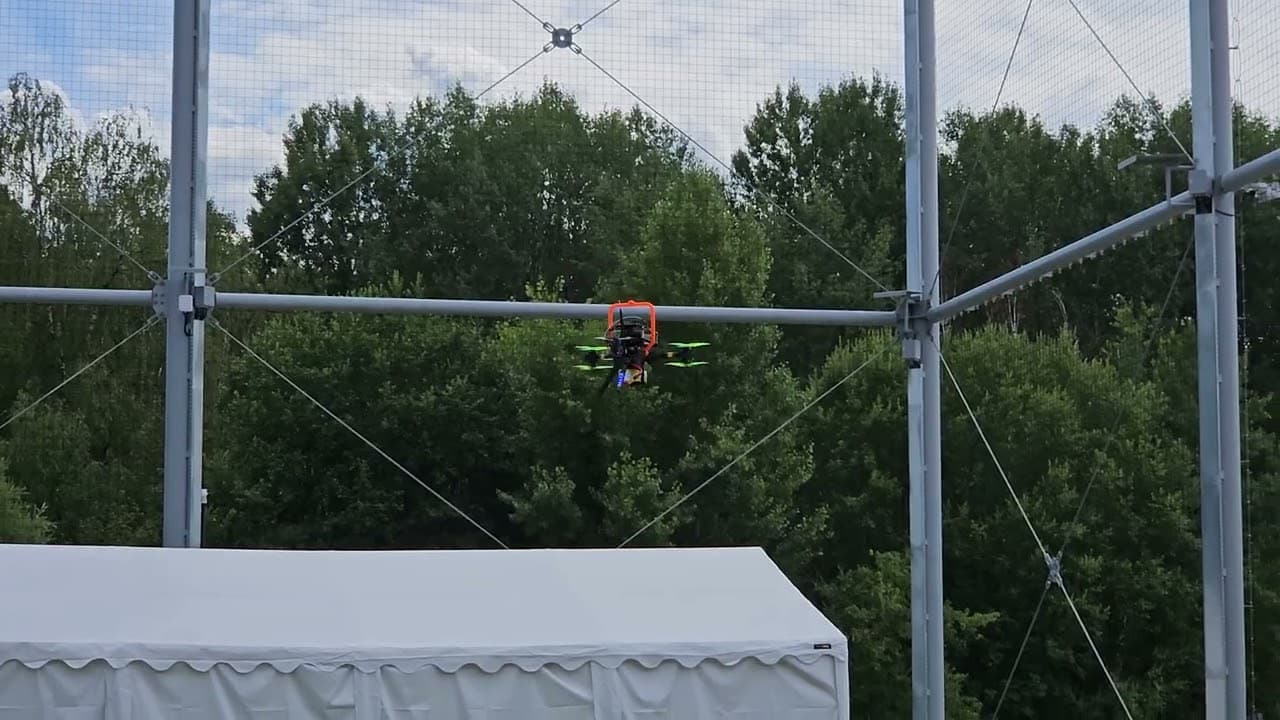
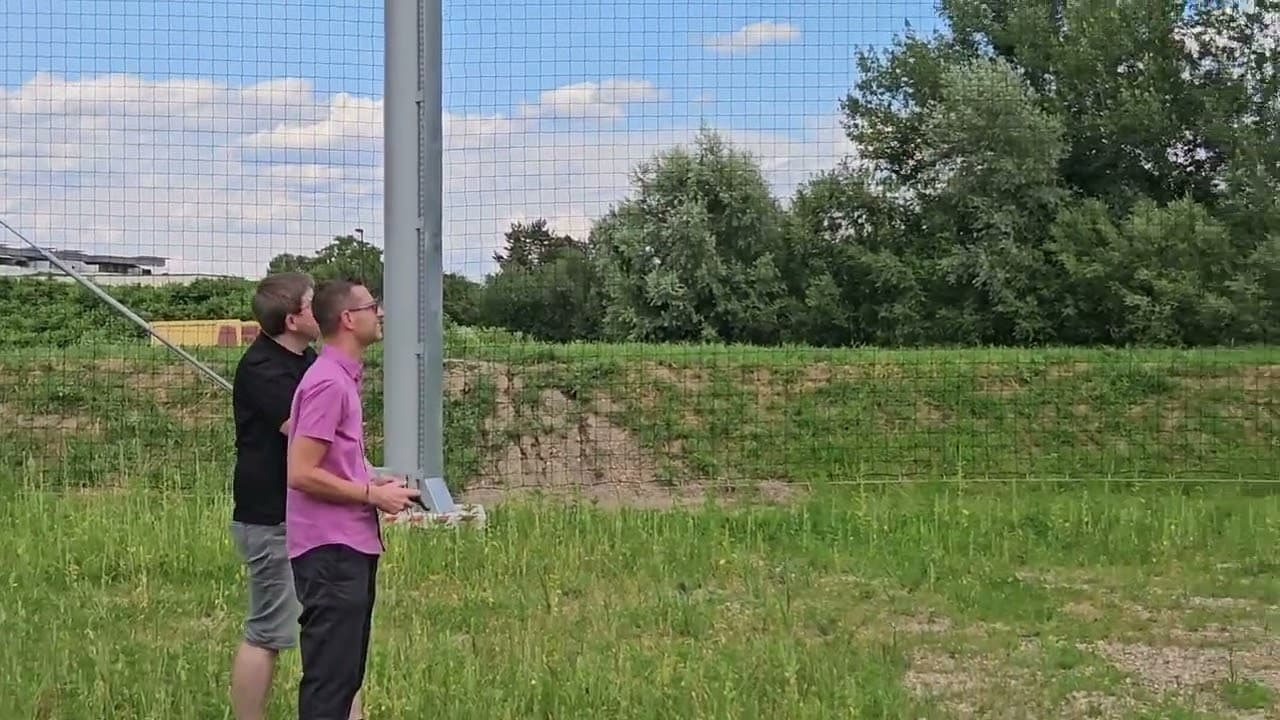
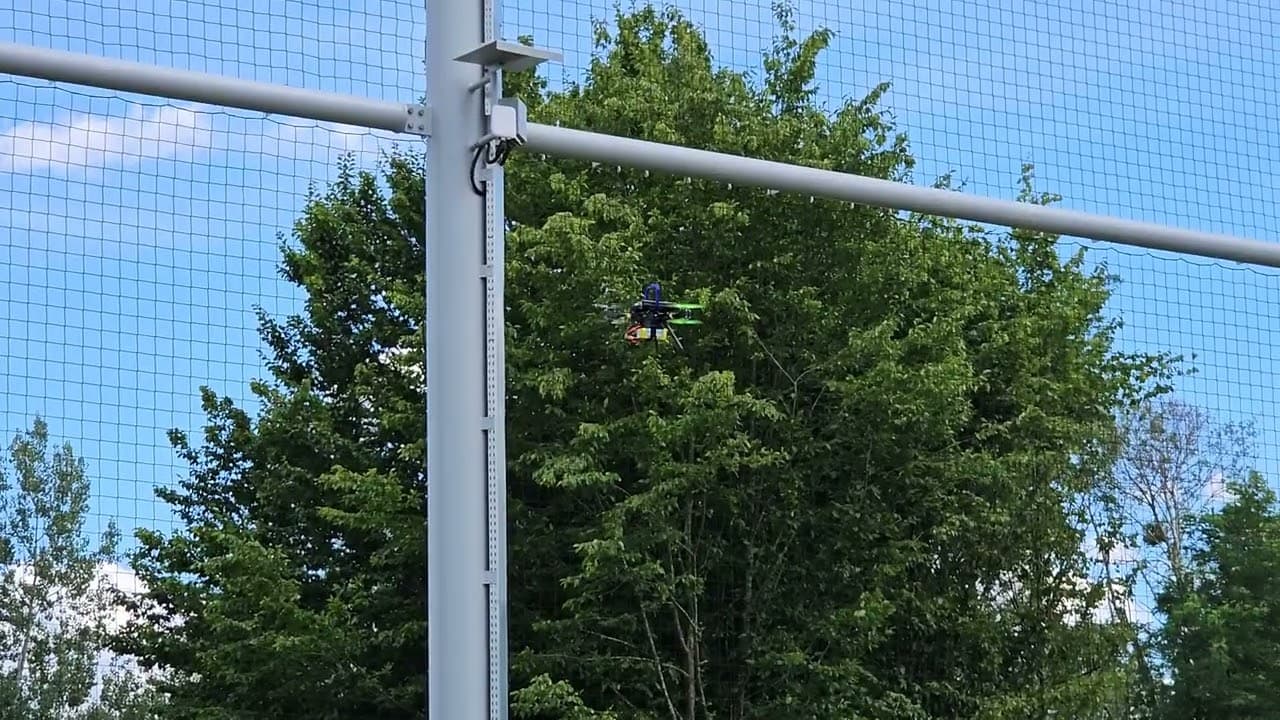
The University of Klagenfurt was deliberately chosen as the venue: For the first time, different implementations of the flight stack developed in the project – at both the hardware and software levels – could be tested under realistic conditions. The University of Klagenfurt provides a modern indoor drone hall and an outdoor test area for this purpose. Both test environments are equipped with camera-based tracking systems that enable highly precise positioning of the drones, thereby creating ideal conditions for research and development.
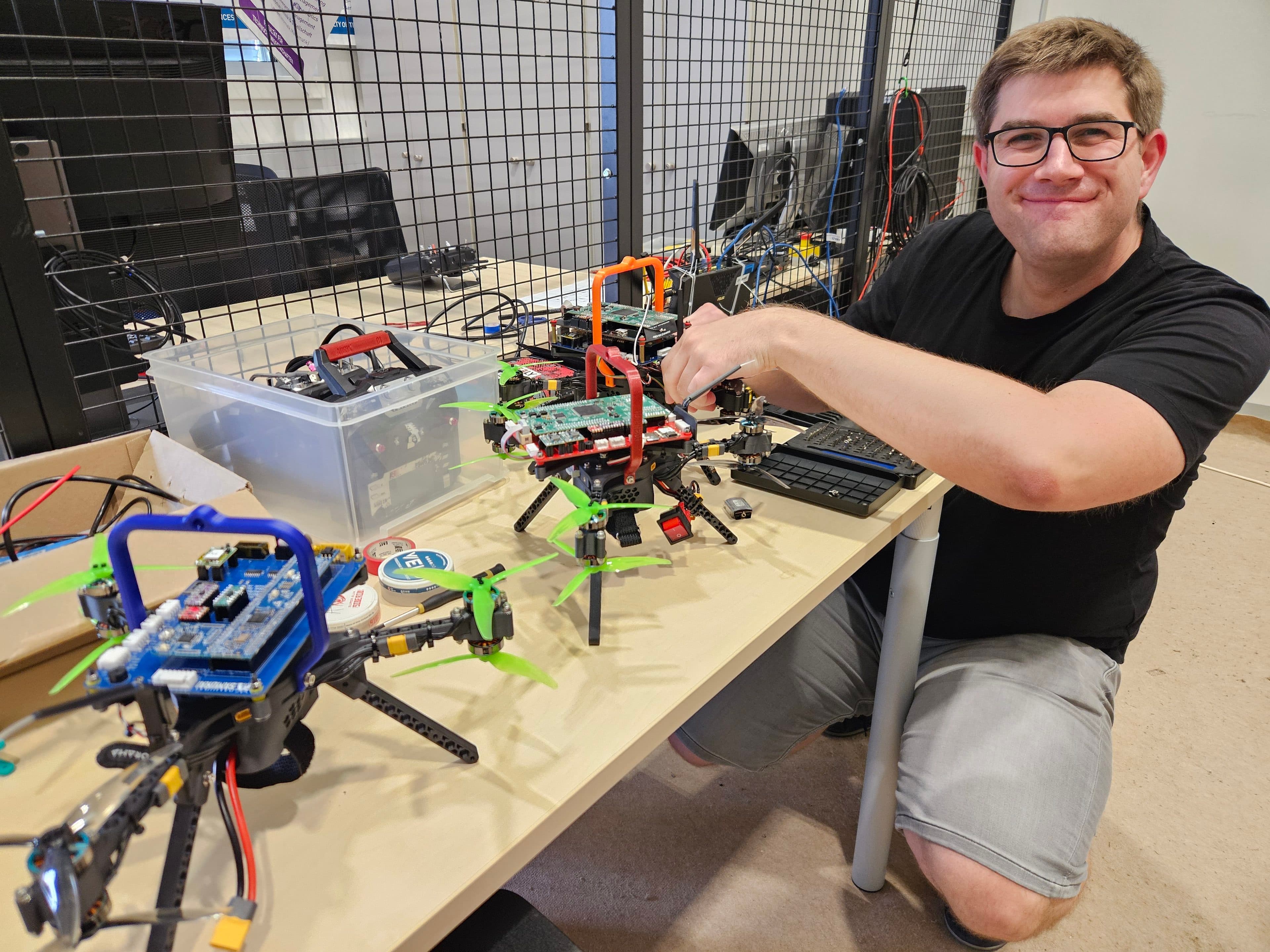
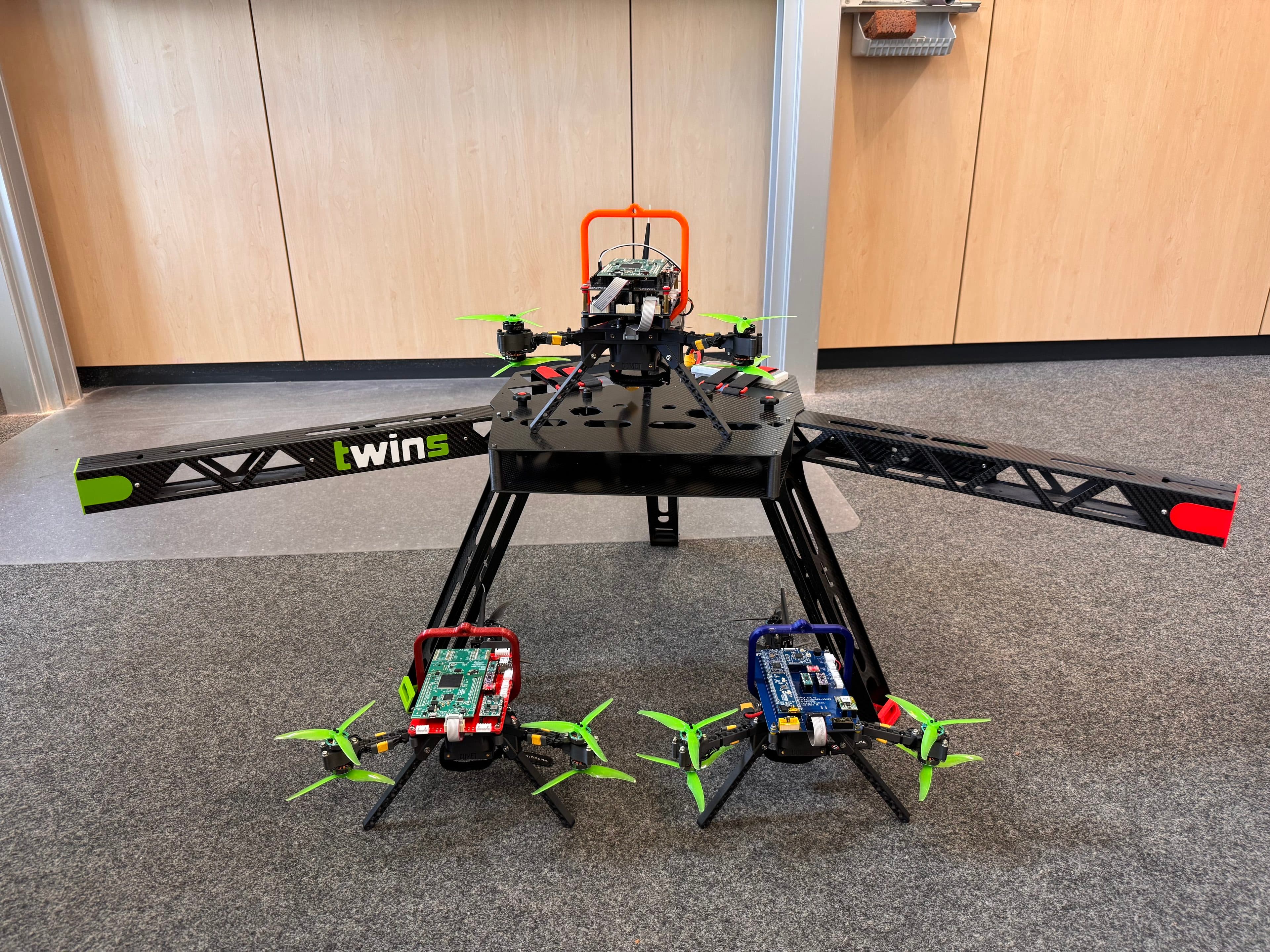
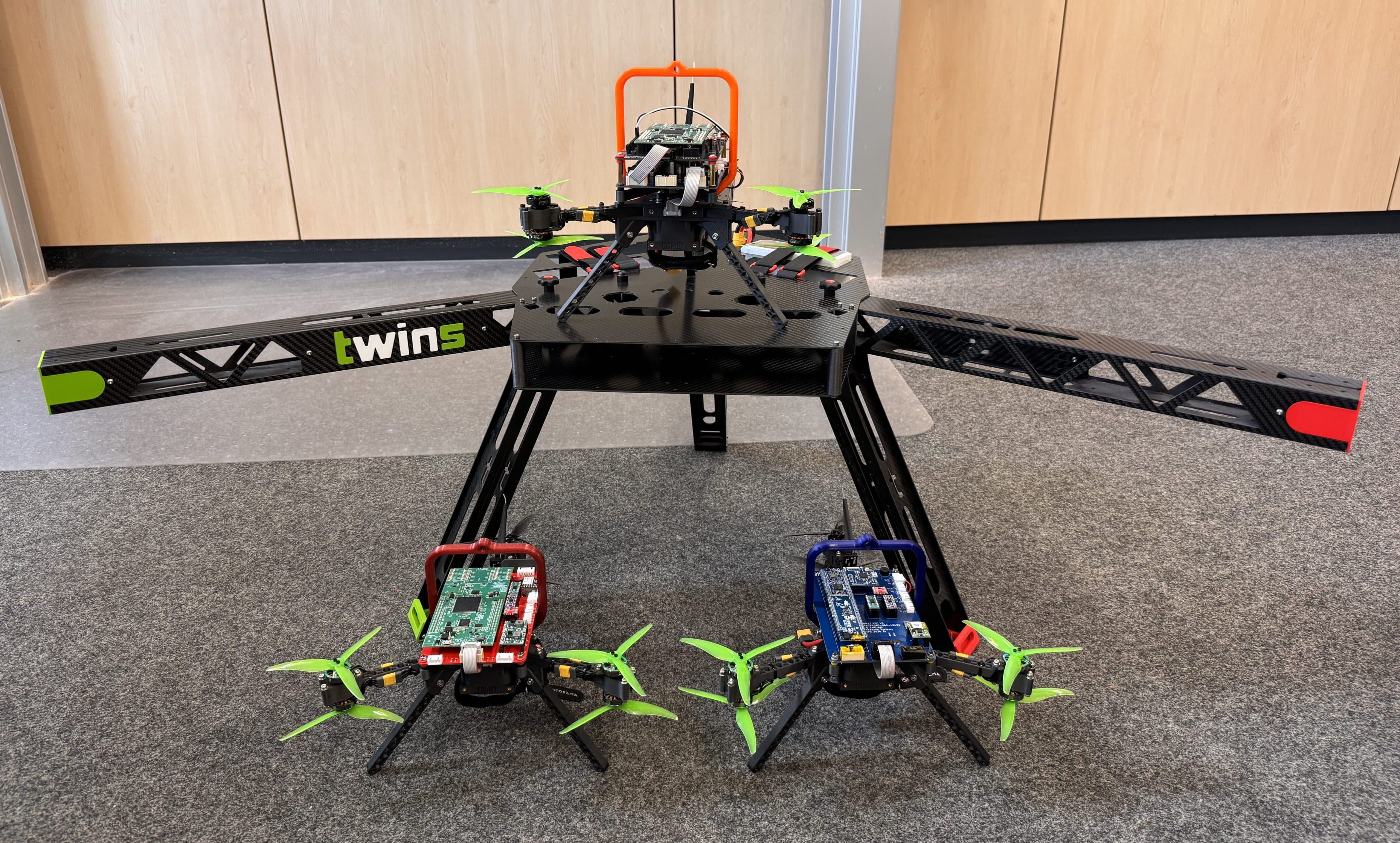
The demonstrations included, among other things, various flight controller platforms based on PSoC and AURIX technology. In addition, a redundant flight controller system was presented that allowed switching between the primary and backup flight controllers during flight. The long-term goal of the project is to automate this switch in the future should the primary controller detect a fault.
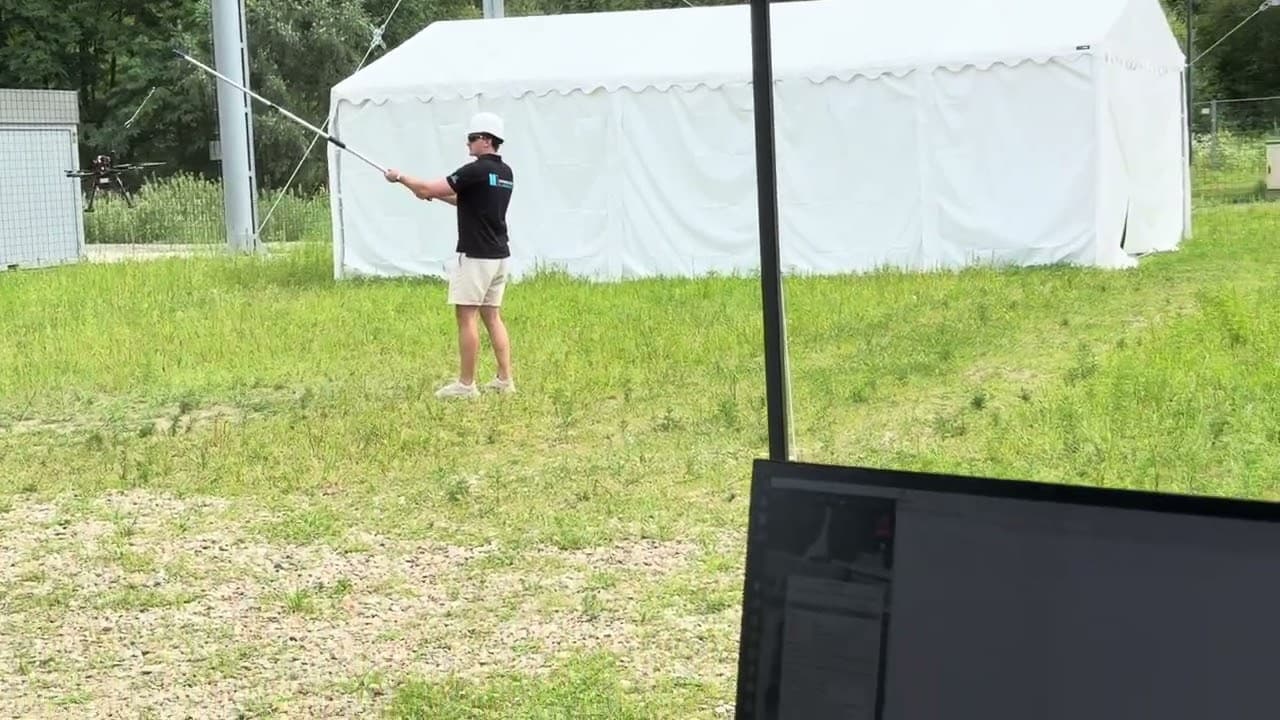
Another test scenario examined a drone’s flight behavior after losing the GPS signal, after which the system switched to a fail-safe combination of an IMU and a pressure sensor to maintain essential flight parameters – such as altitude and attitude – even without GPS, in order to initiate any necessary emergency or recovery maneuvers. The data obtained in this process forms an important foundation for the development of new methods that will enable drones to reliably determine their position in the future, even without GPS.
UAS Technikum Wien Contributes A Drone Platform And Research Expertise
In the research project SAMURAI, UAS Technikum Wien is making significant contributions to the development of the drone platform and its software architecture. Test systems based on the open drone platform COMET, among others, were used for the demonstrations. This allows new hardware and software components to be tested under real flight conditions at an early stage, even before the final system prototype has been fully built.
The close collaboration among the project partners makes it possible to jointly develop innovative concepts for fail-safe flight control systems and intelligent sensor systems and to gradually integrate them into a comprehensive, integrated system.
A Look At The Final Year Of The Project
At the conclusion of the Year 2 Meeting, the work packages and deliverables for the third and final project year were finalized. In addition, the date for the upcoming General Assembly Meeting (GAM) was set. It will take place in late October 2026 at Twins GmbH in Ampass (Tyrol). There, the hardware and software components developed to date will be fully integrated into a single, comprehensive system for the first time and thoroughly tested.
Photo Credit For All Images: UAS Technikum Wien
Further Information:
FLARE – Research on Flight Controller Technologies:
From Code to Flight: Project-Based Learning with the COMET Multicopter and the FLARE Framework
COMET – Open-Source Drone Platform from UAS Technikum Wien:
FFG Project SAMURAI:
SAMURAI Research Project at UAS Technikum Wien
More related articles:
Autonomous at a Distance – FHTW Team Demonstrates Quadcopter at Infineon in Graz
COMET Drone from UAS Technikum Wien Now Available as Open Source
Department of Electronic Engineering at UAS Technikum Wien
Drones4Kids – Preschoolers Discover the World of Drones
Drones: Test Infrastructure at the University of Klagenfurt:



Videos:
Aurix and PSOC Flighcontroller:
Please accept cookies for external media to view videos
Aurix Flightcontroller:
Please accept cookies for external media to view videos
PSOC Flightcontroller:
Please accept cookies for external media to view videos
GPS Position – Error Behavior:
Please accept cookies for external media to view videos
Picture Gallery: