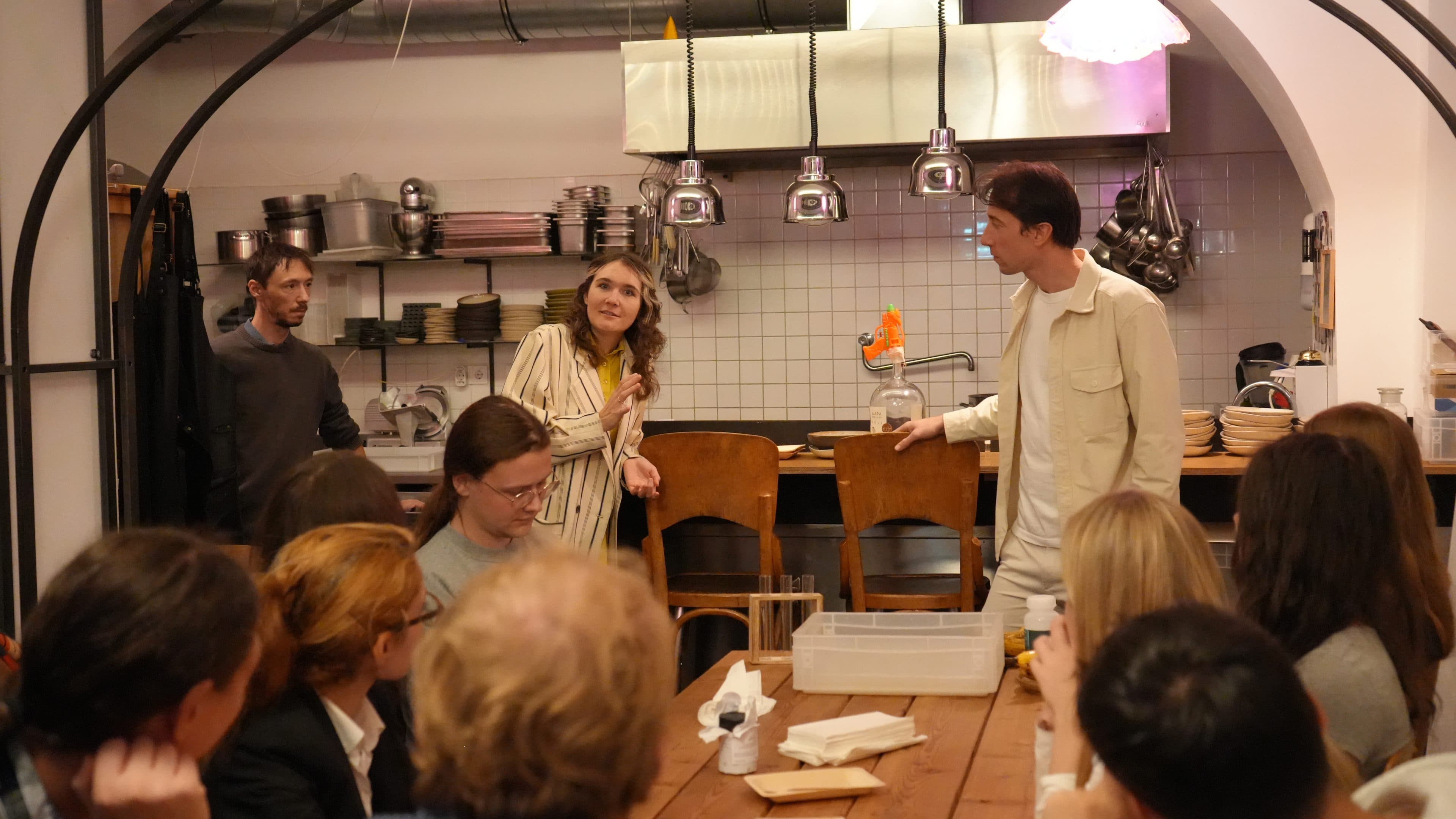
Video: Project on Signal Crayfish Utilization at Vienna Design Week
20 November, 2026
A cascading approach makes full use of meat, shells, and byproducts, and finds practical uses for invasive species such as the invasive signal crayfish and marbled crayfish. In this way, sustainable gastronomy, green chemistry, and circular design come together to create tangible solutions.
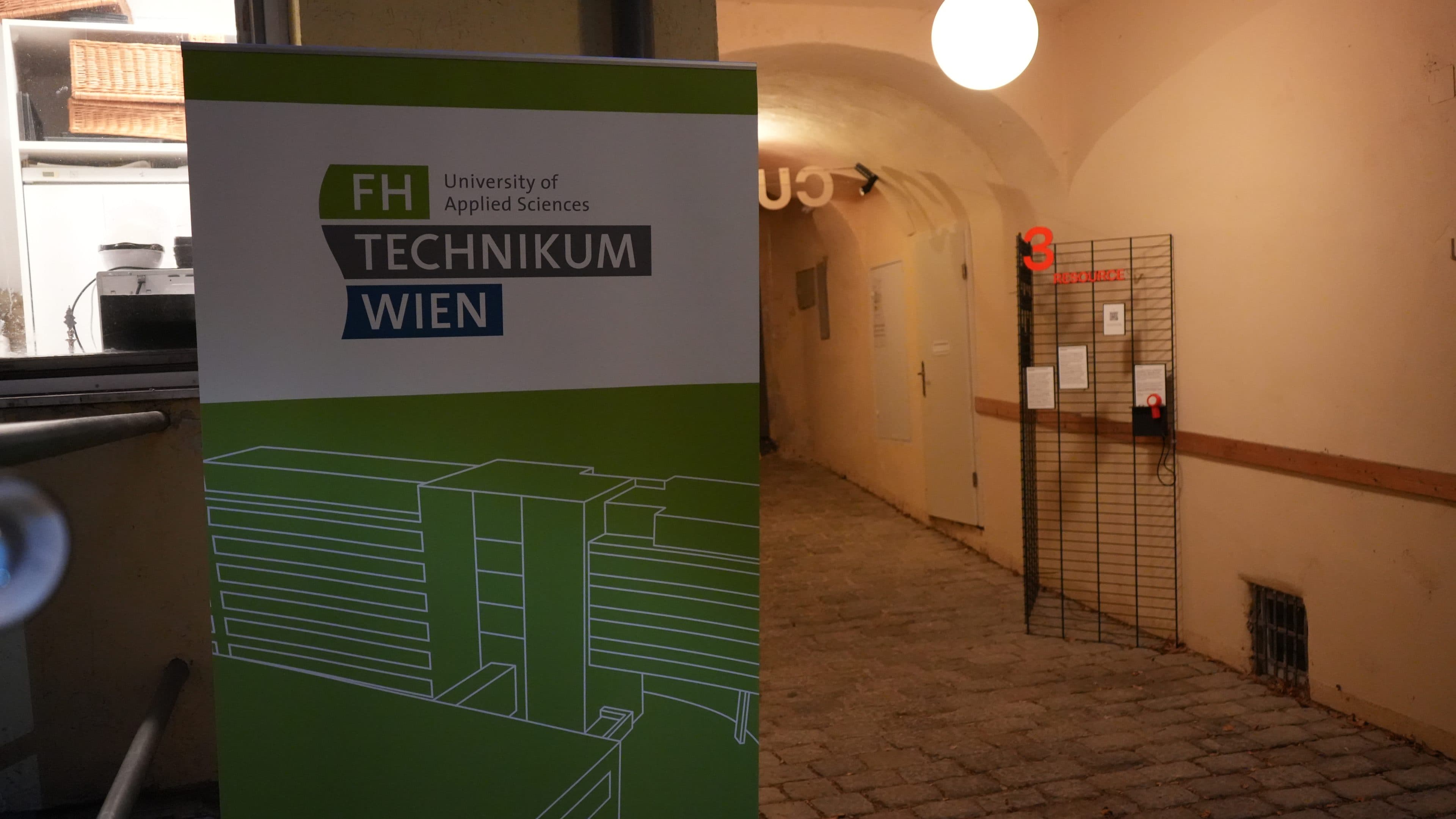
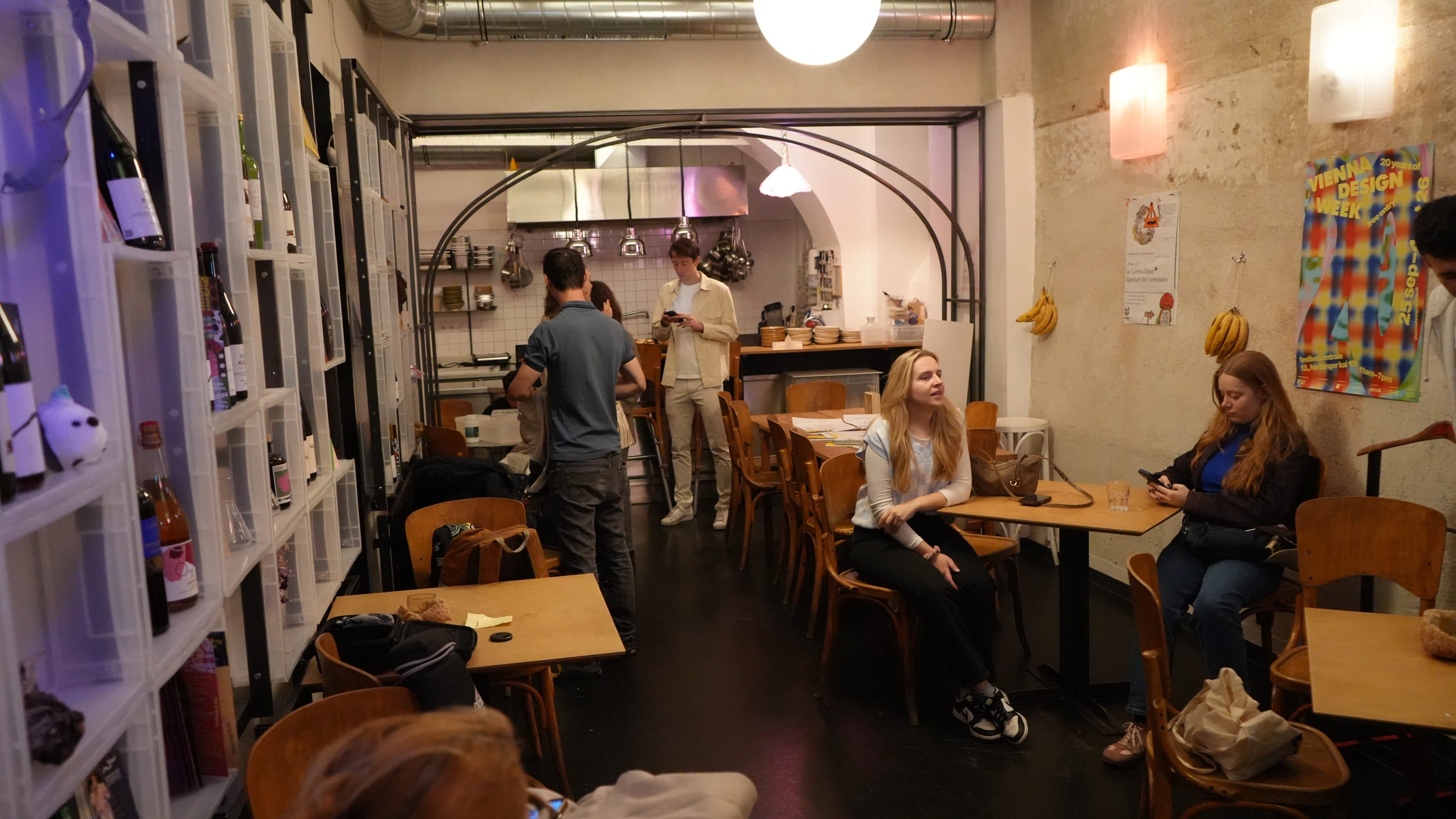
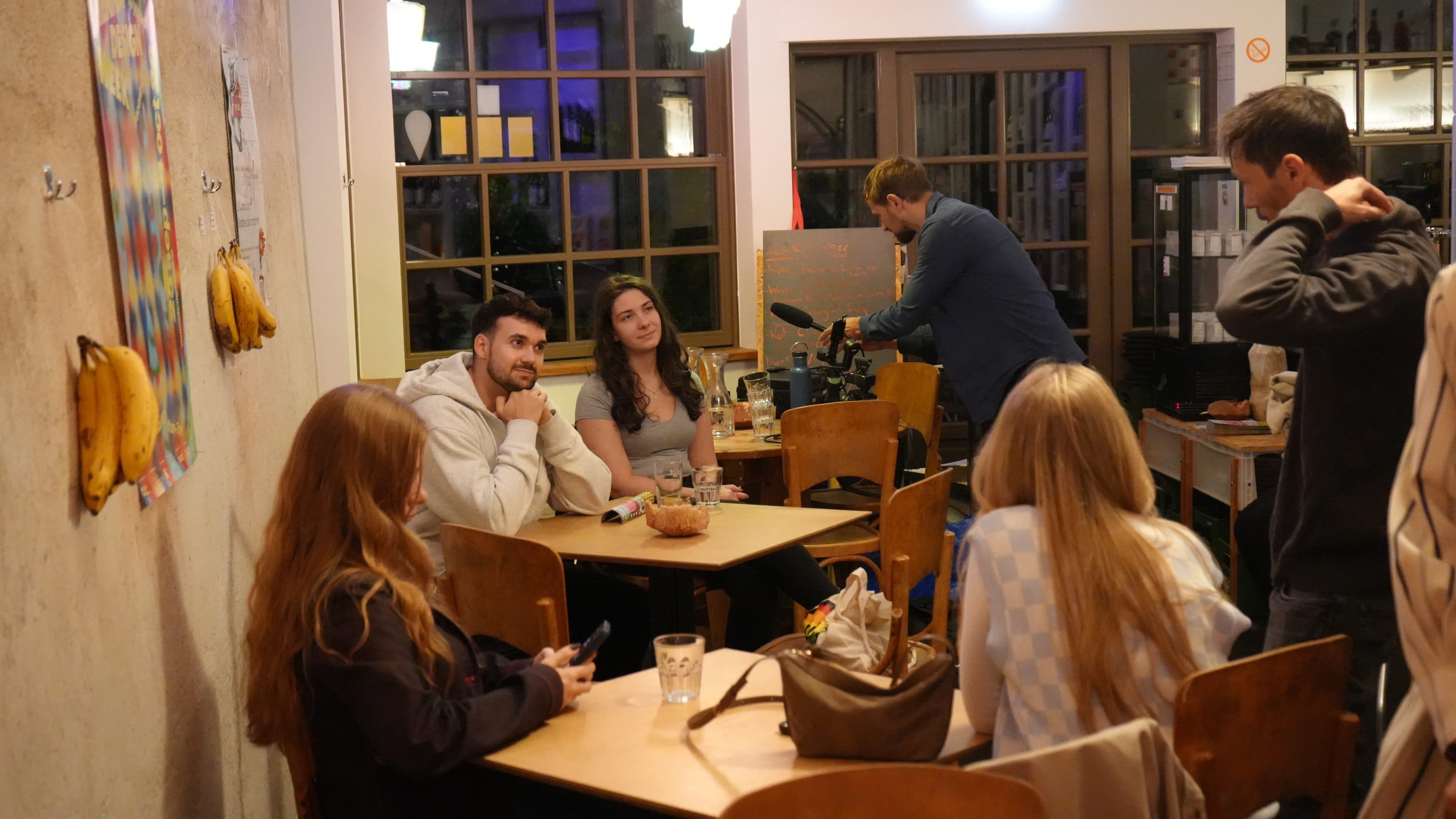
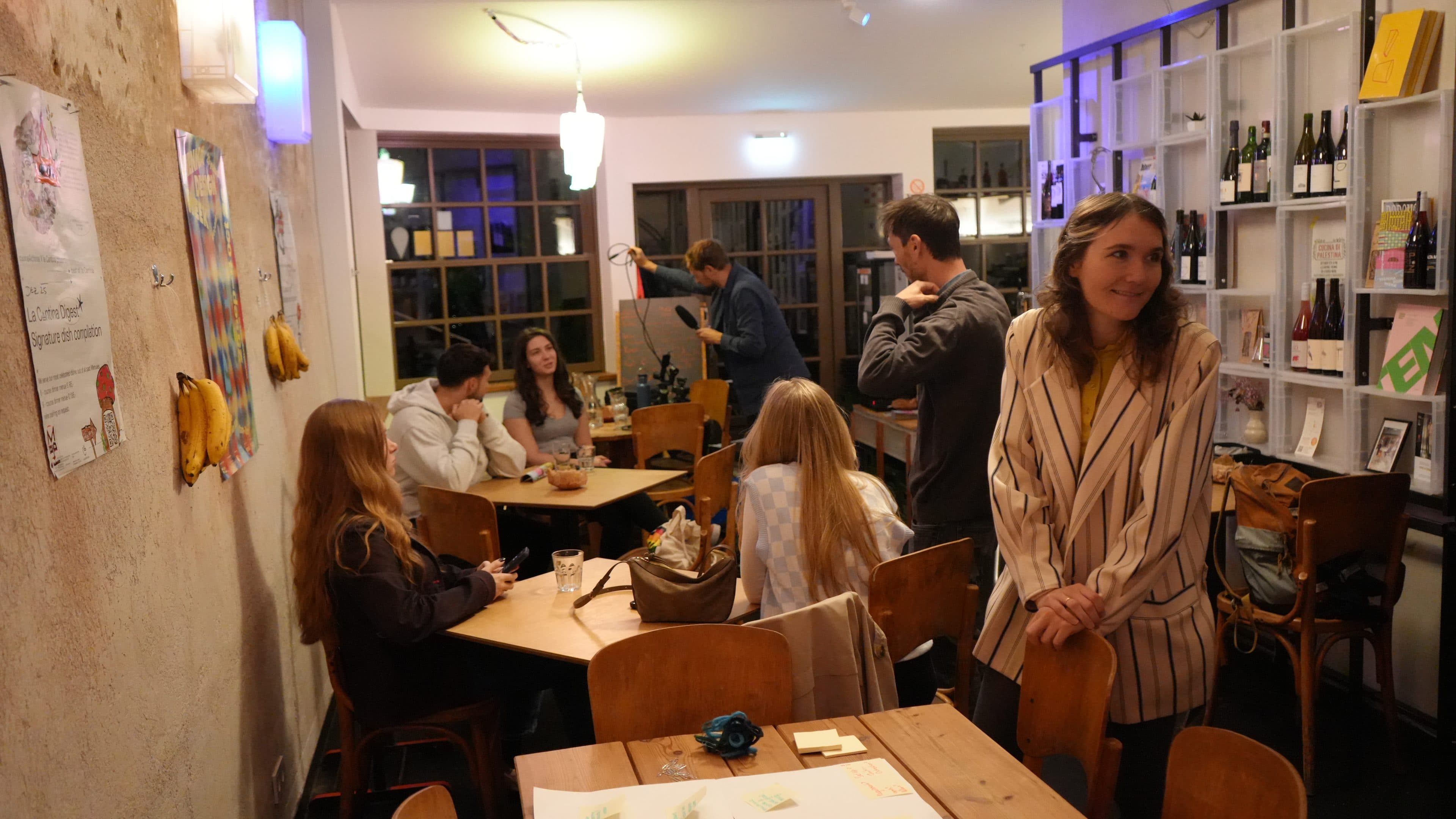
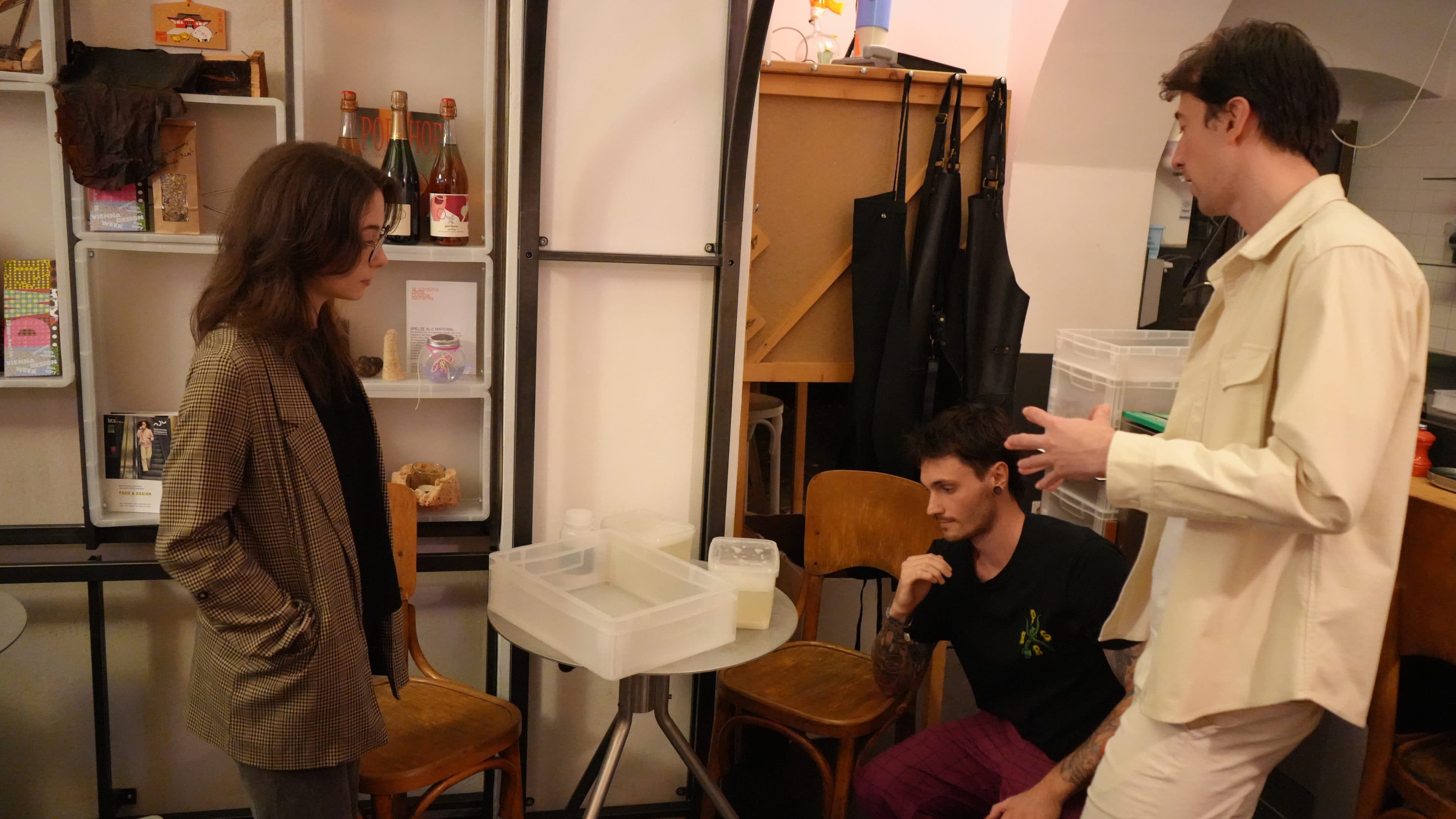
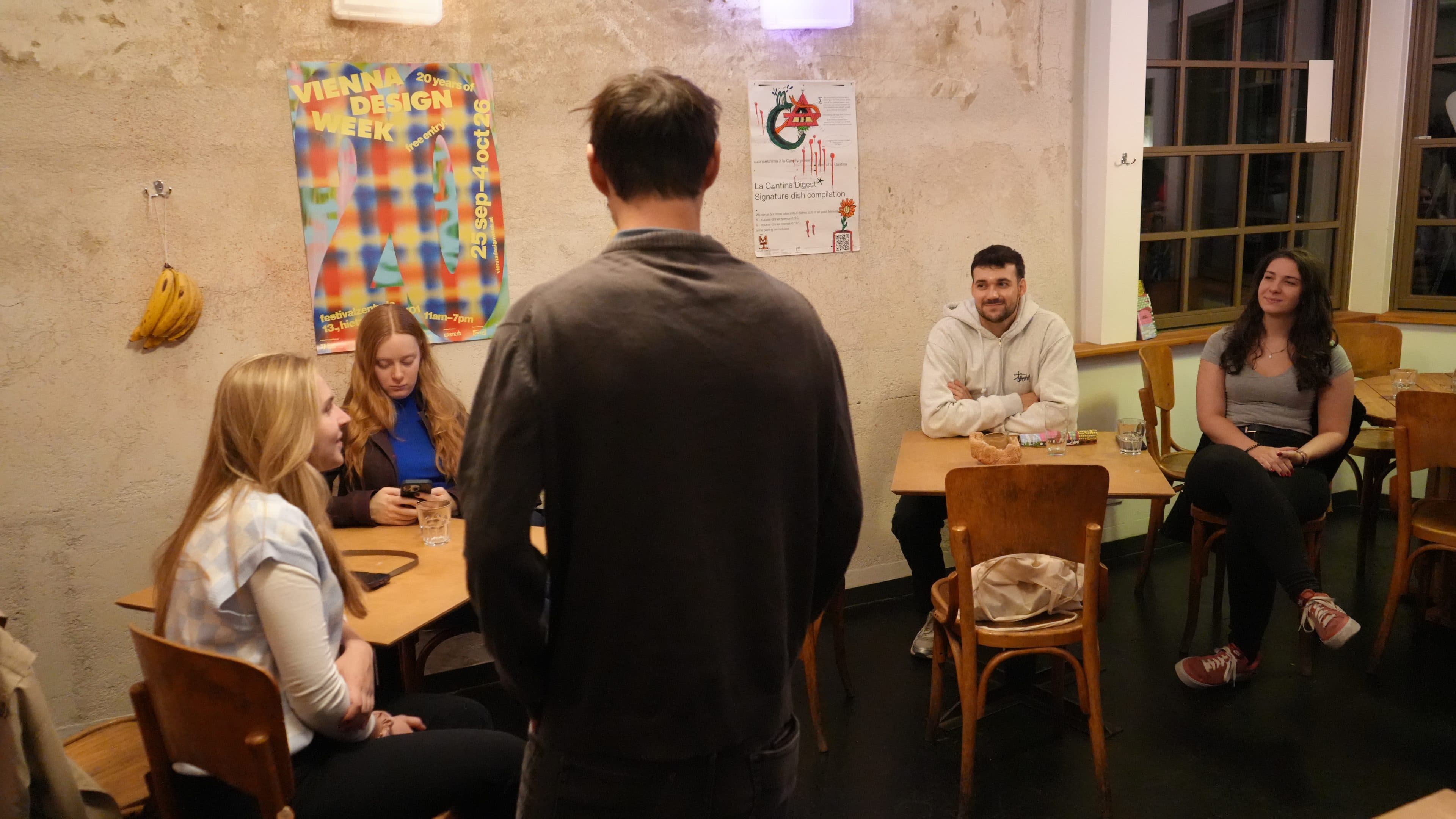
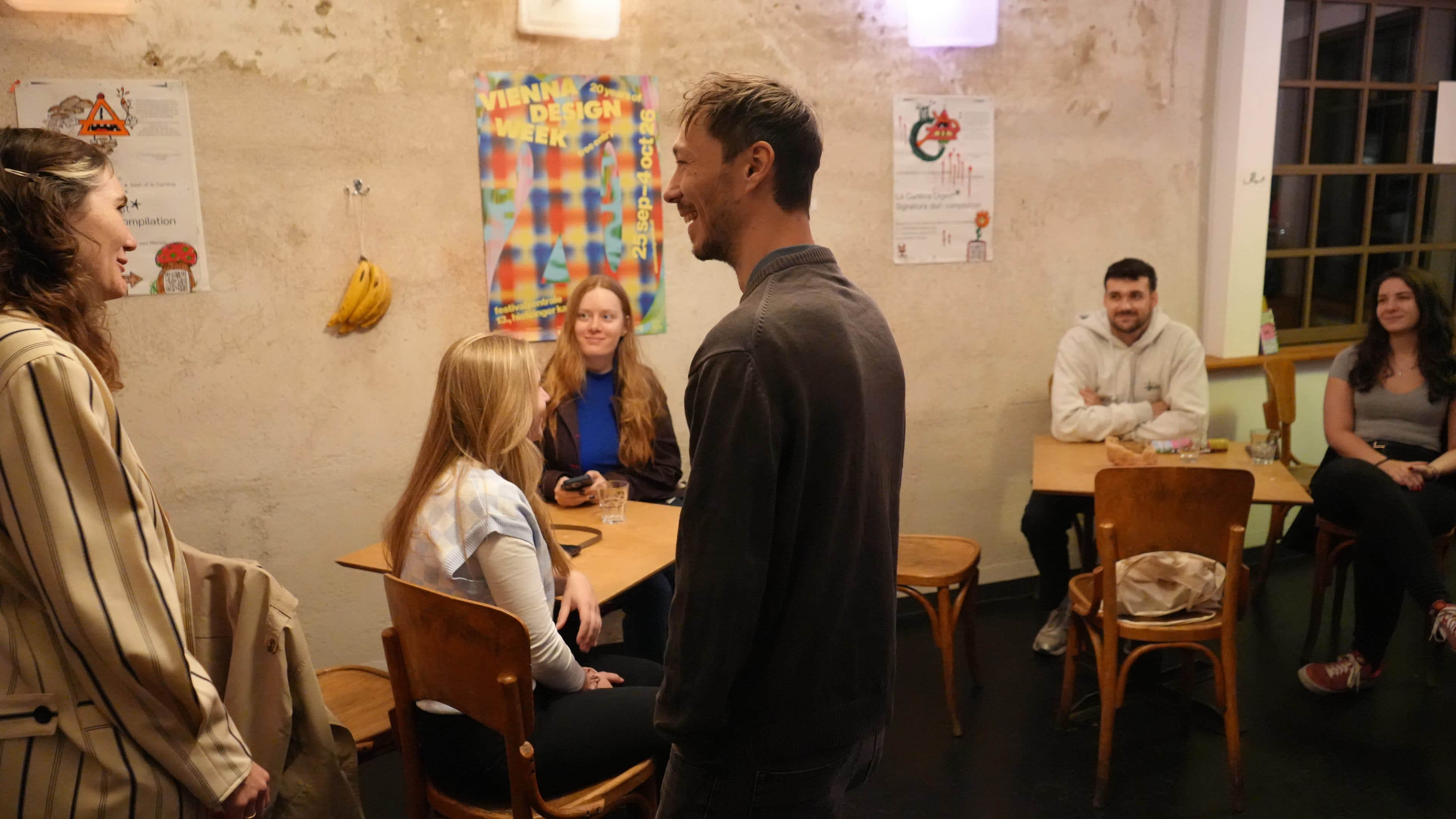
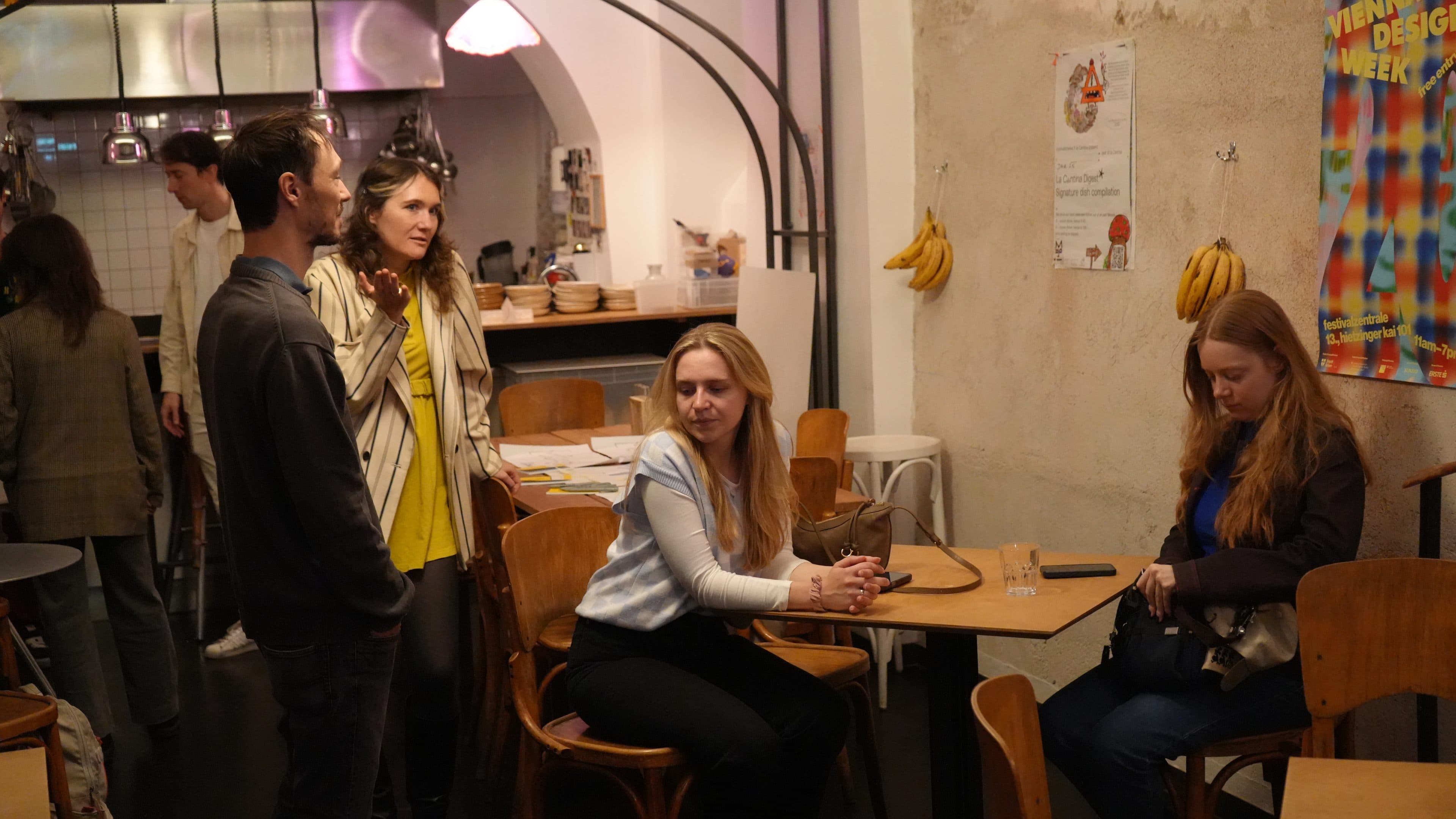
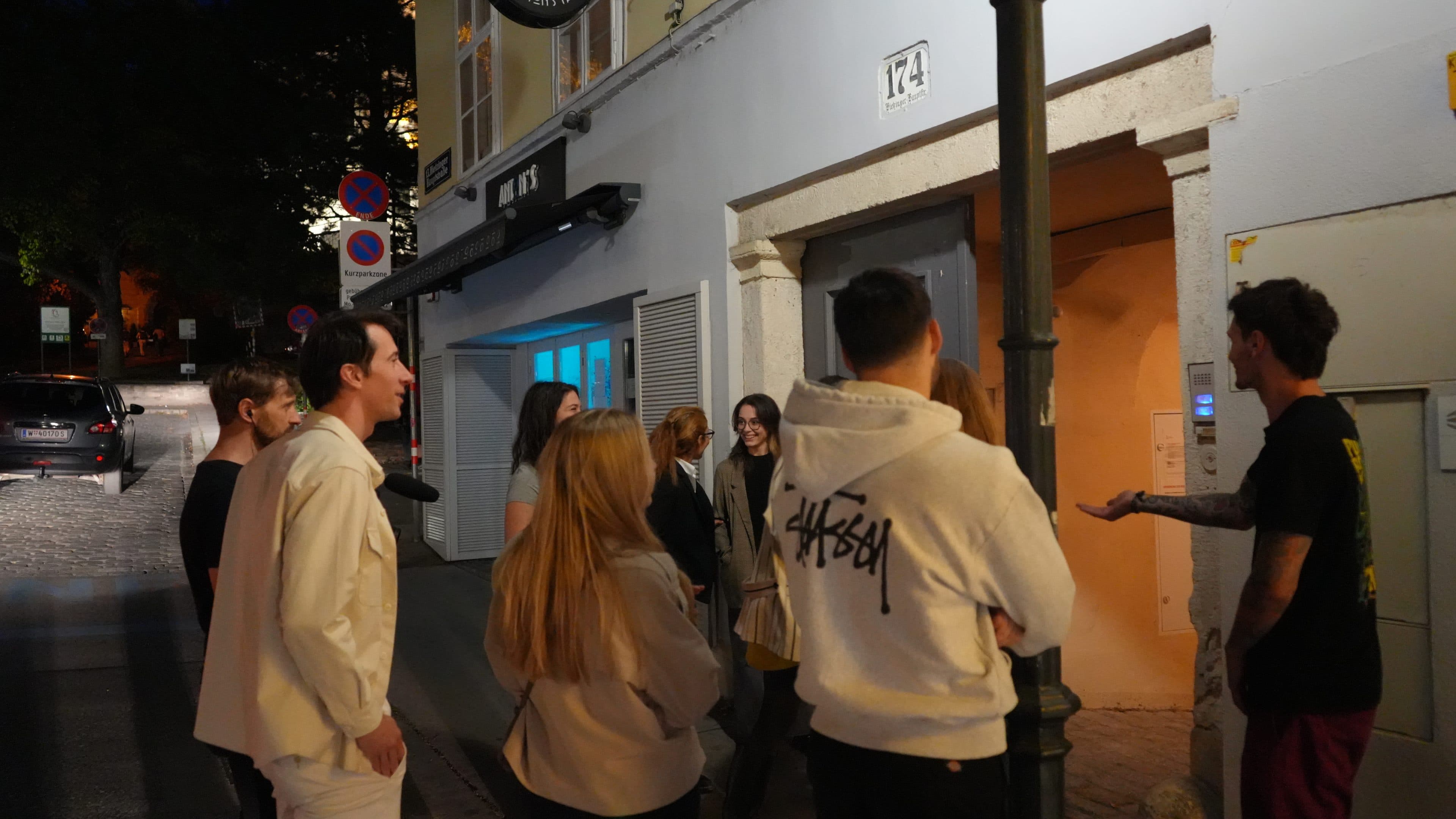
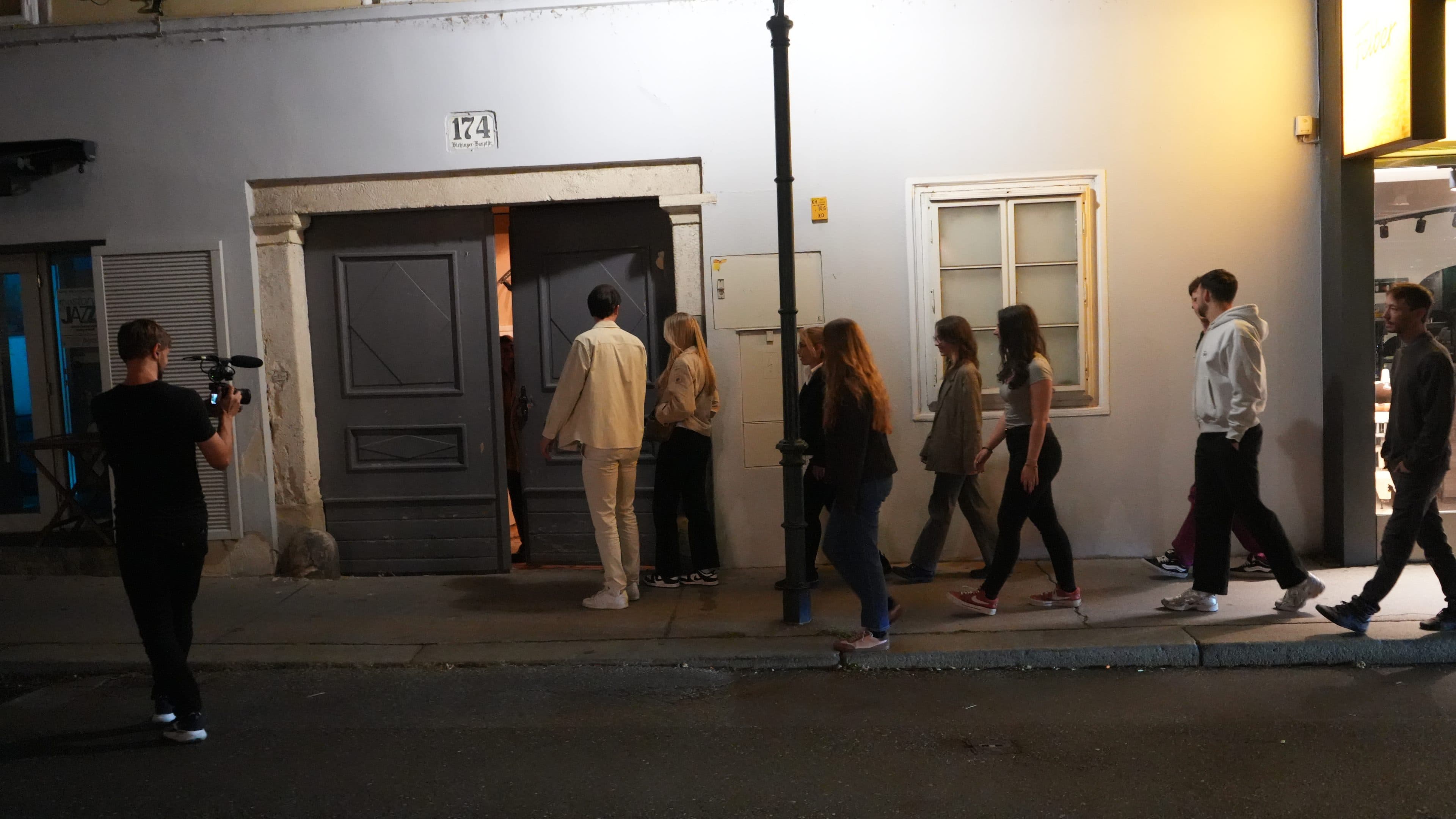
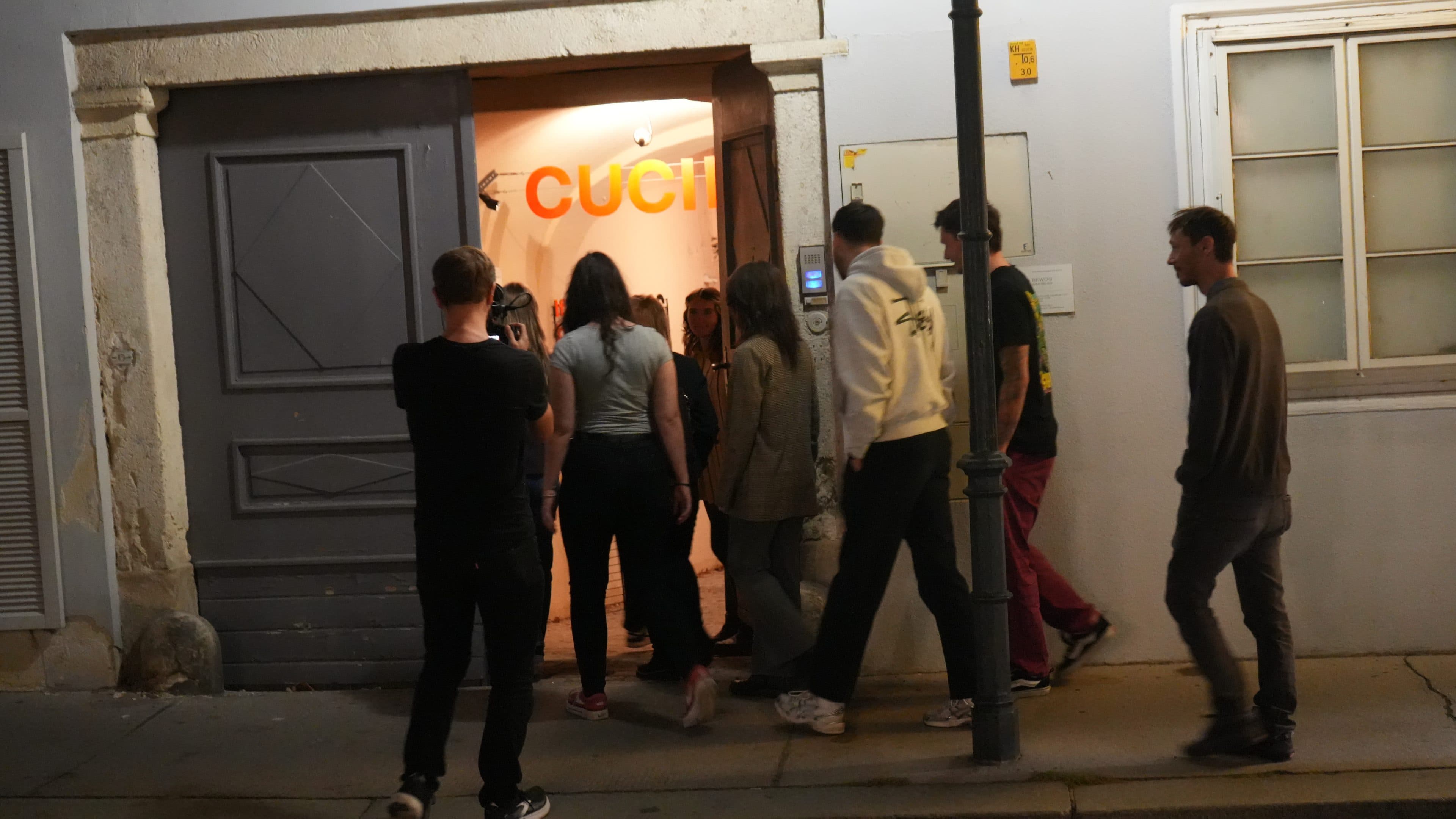
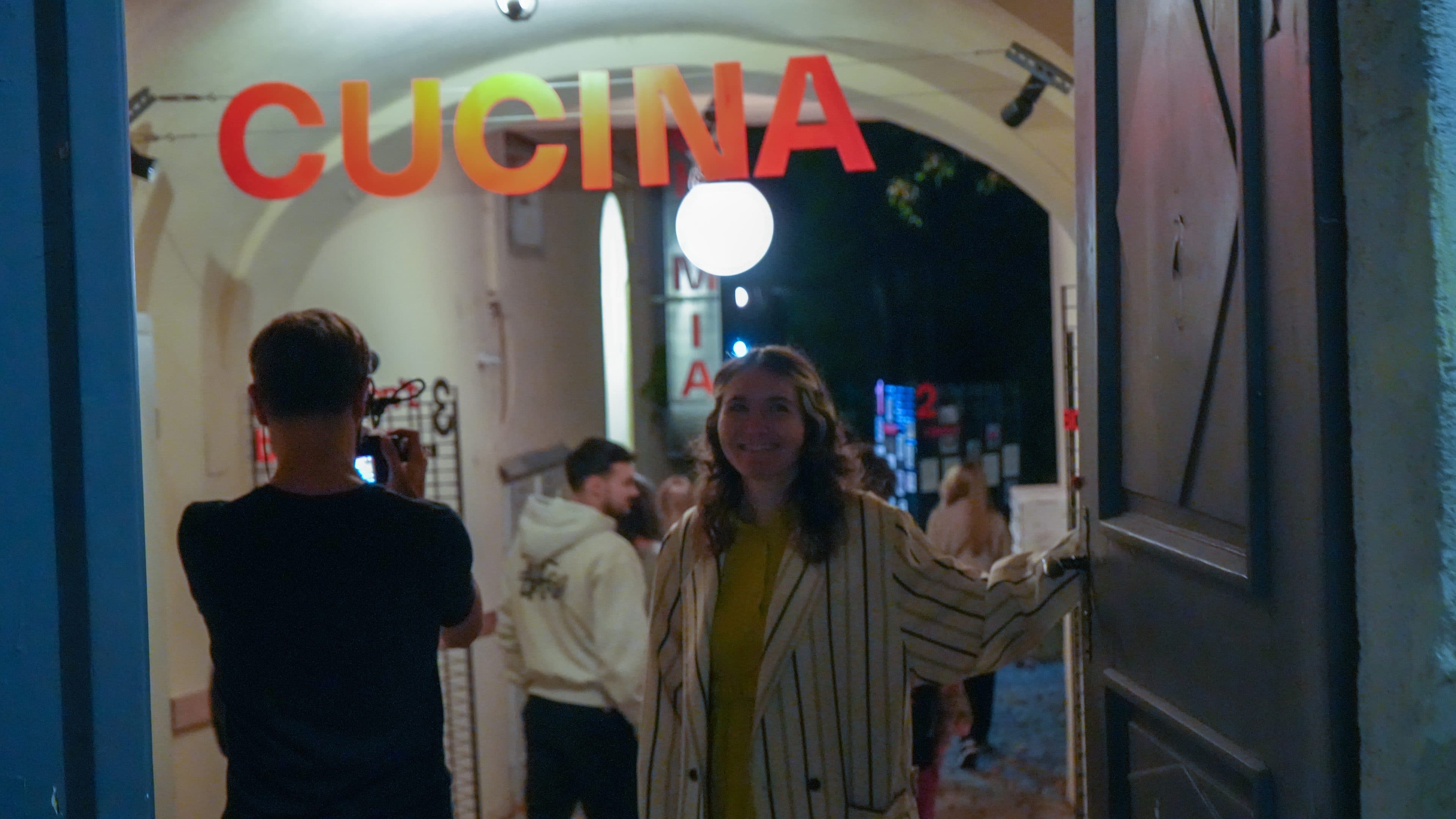
During Vienna Design Week 2026, the interdisciplinary signal crayfish project was documented on film by the UAS Technikum Wien. Recently, the project participants were also featured in an episode of the Technikum Podcast.
The joint project, under the scientific direction of Christine Bertl (Field of Expertise: Chemical Engineering and Ecotoxicology) in collaboration with BOKU (Armin Winter) and students from the Master’s Program in Environmental Management & Ecotoxicology, demonstrates how the invasive signal crayfish Pacifastacus leniusculus can be used to create a closed-loop value chain. This cycle ranges from culinary use to enzymatic fermentation and bio-based materials.
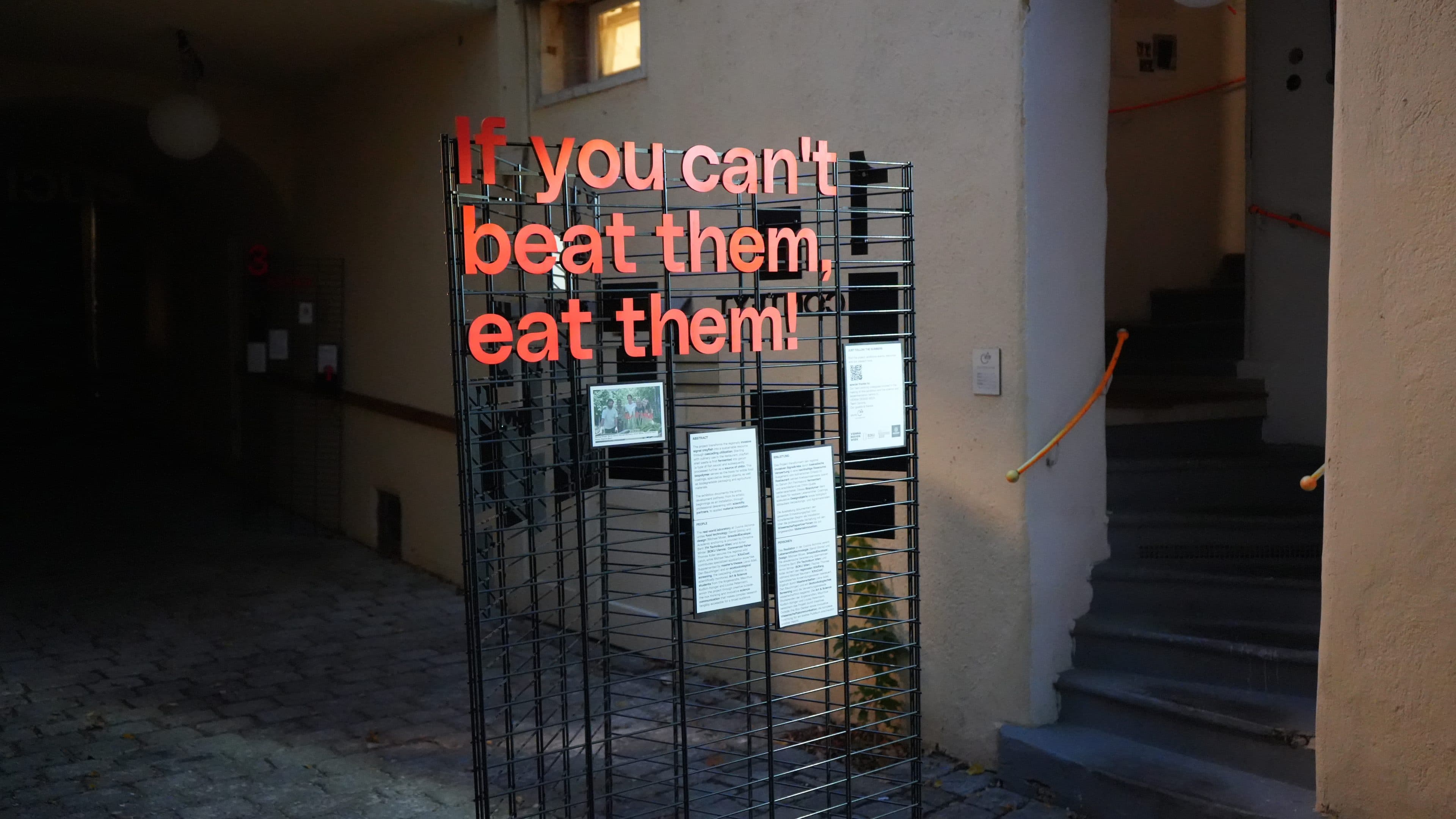
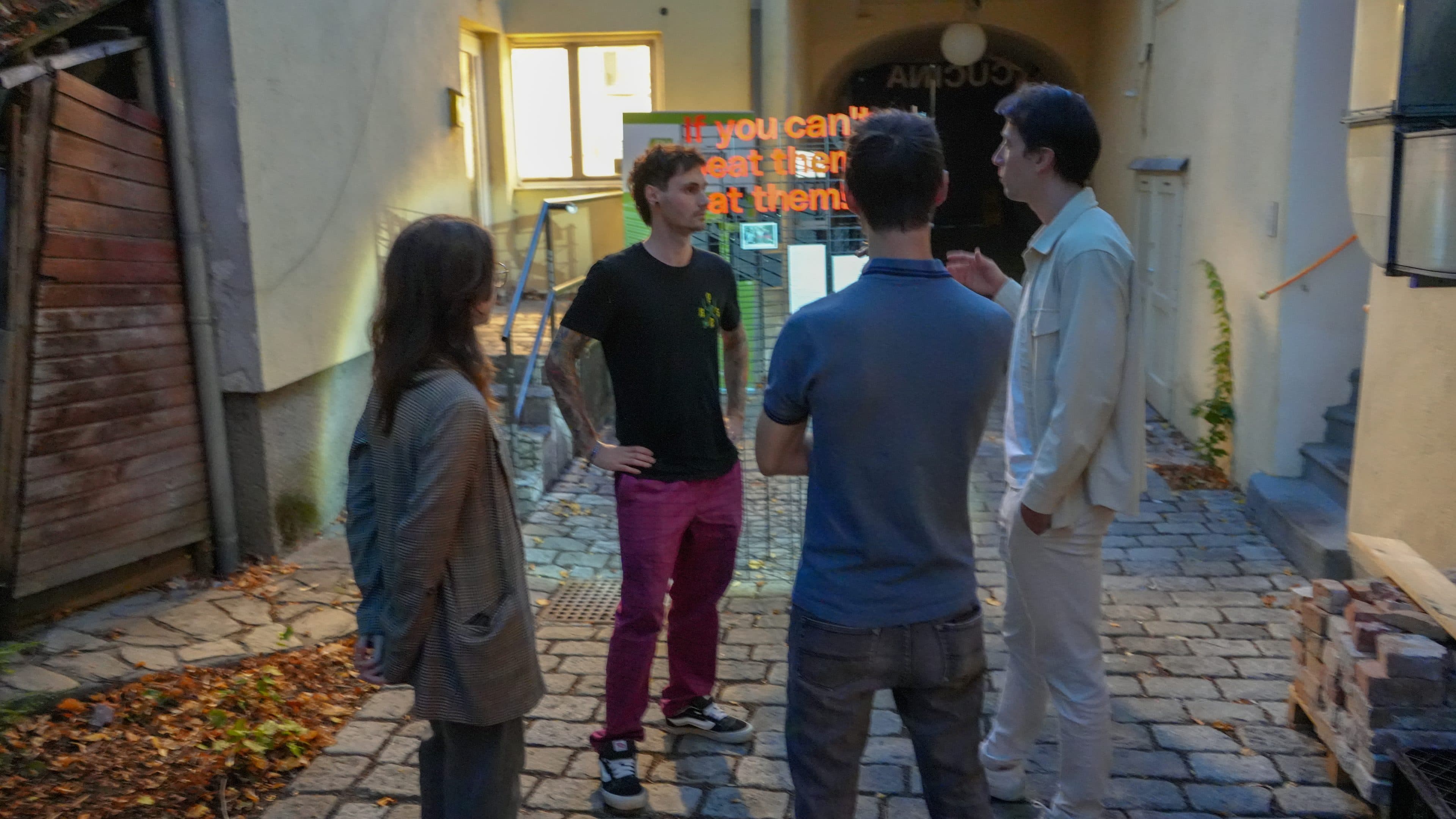
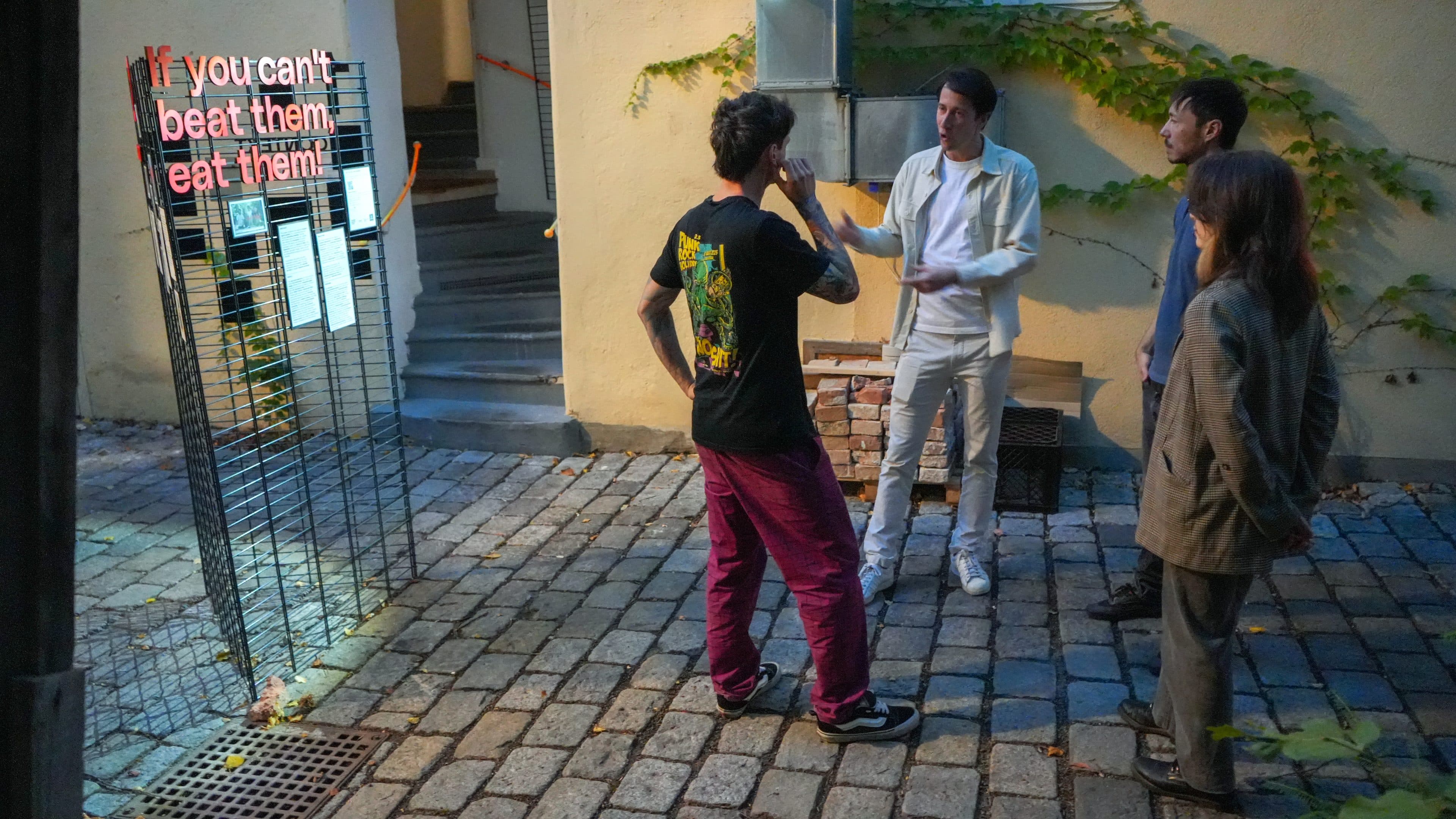
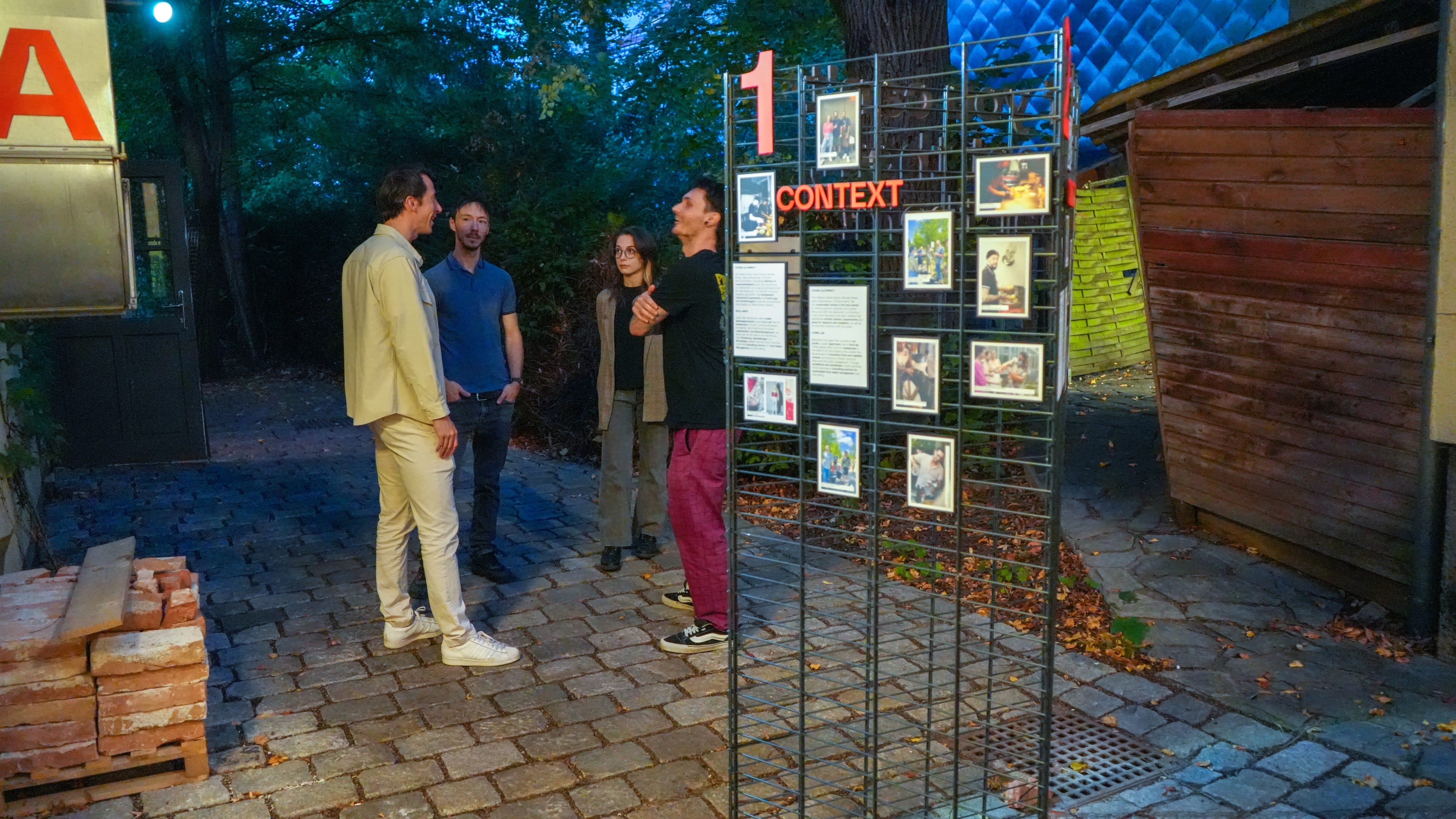
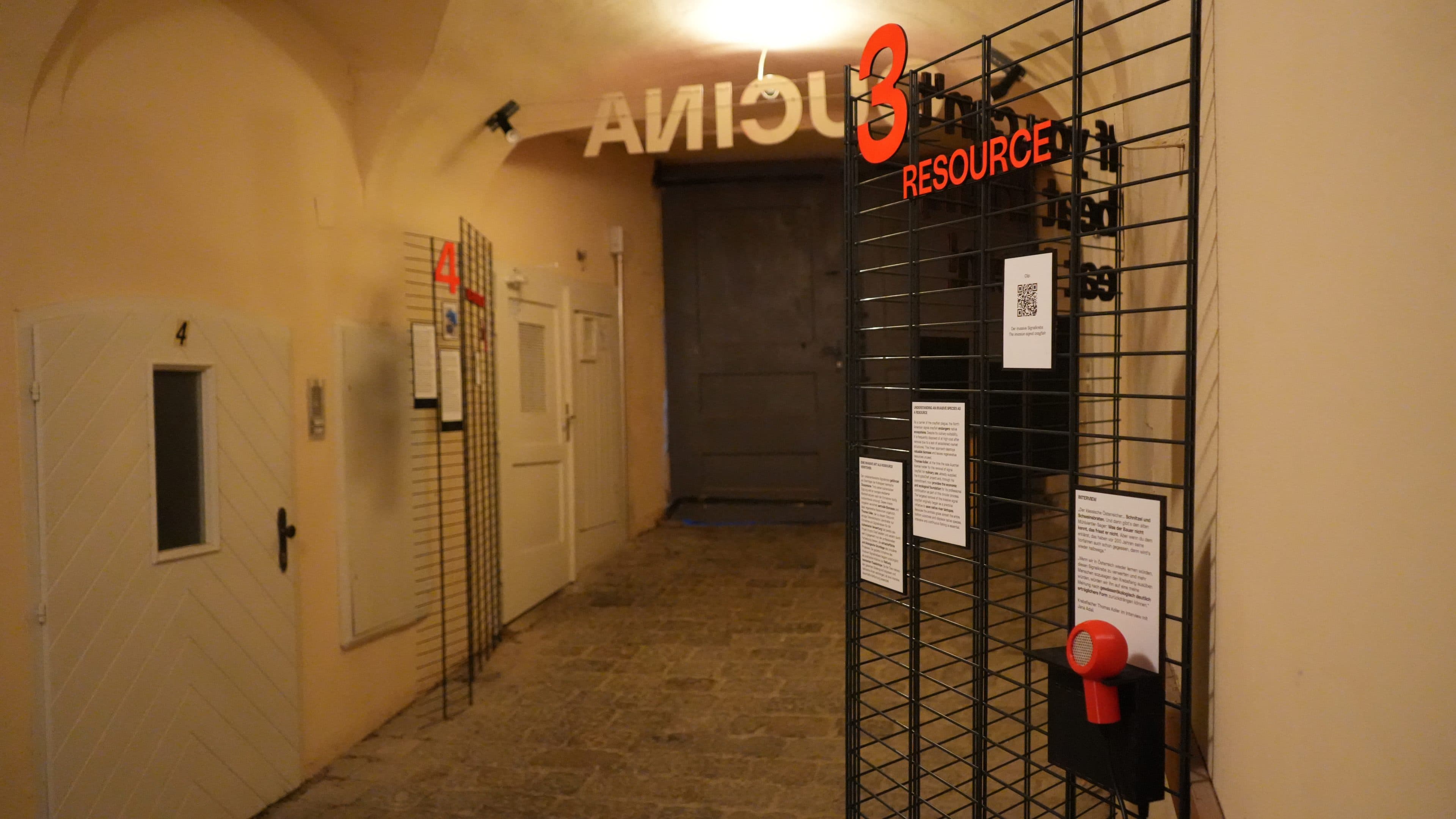
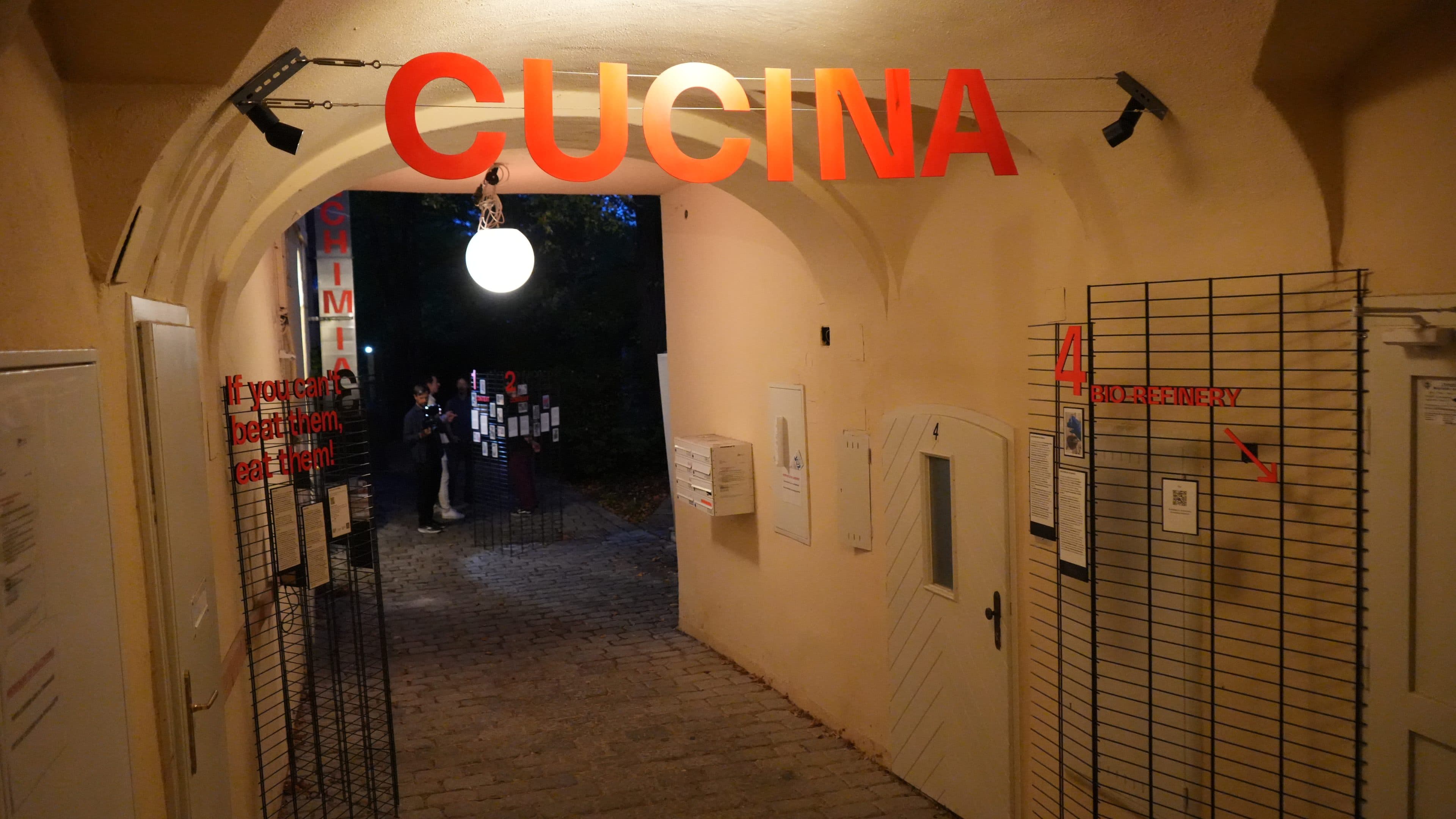
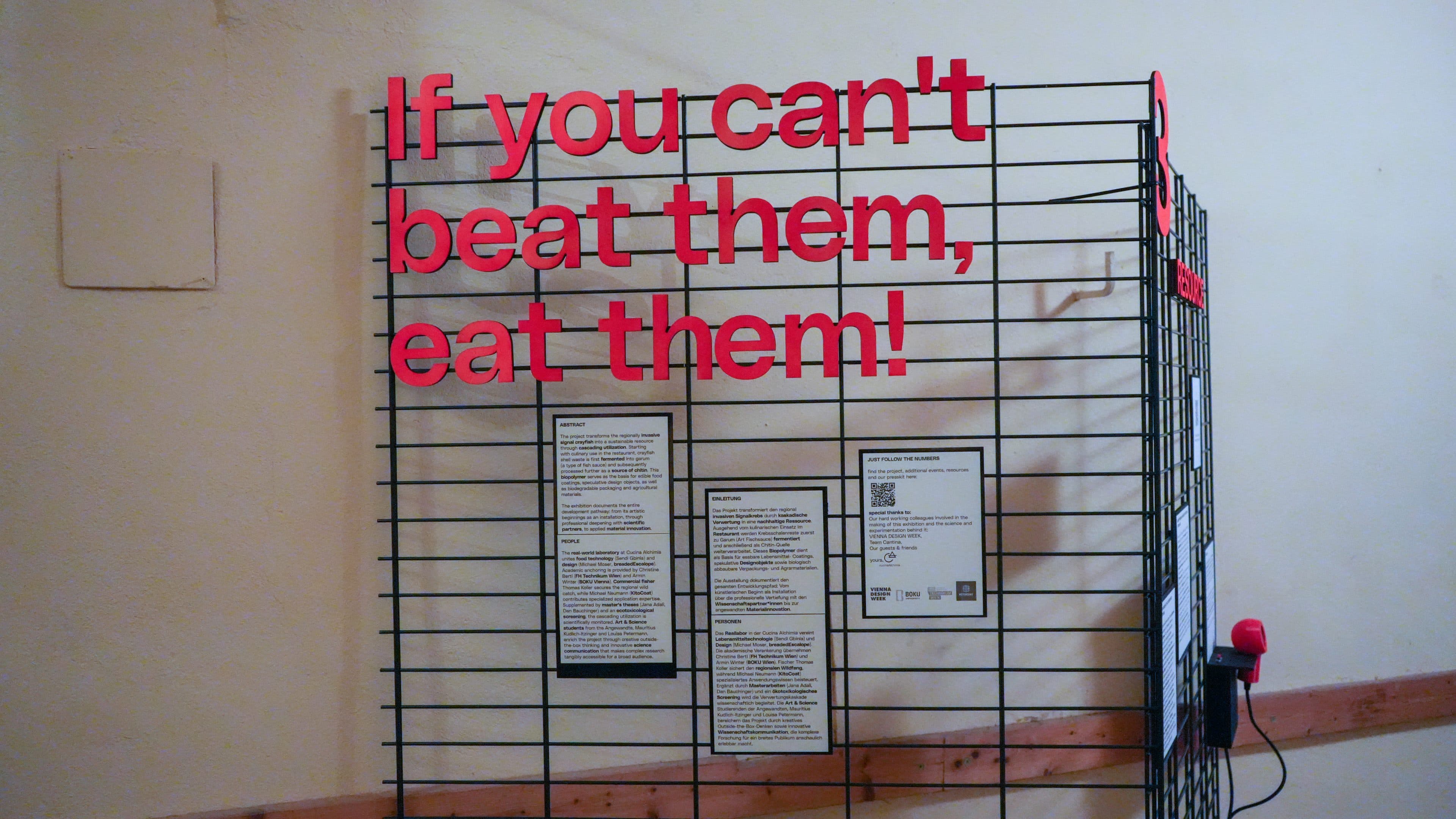
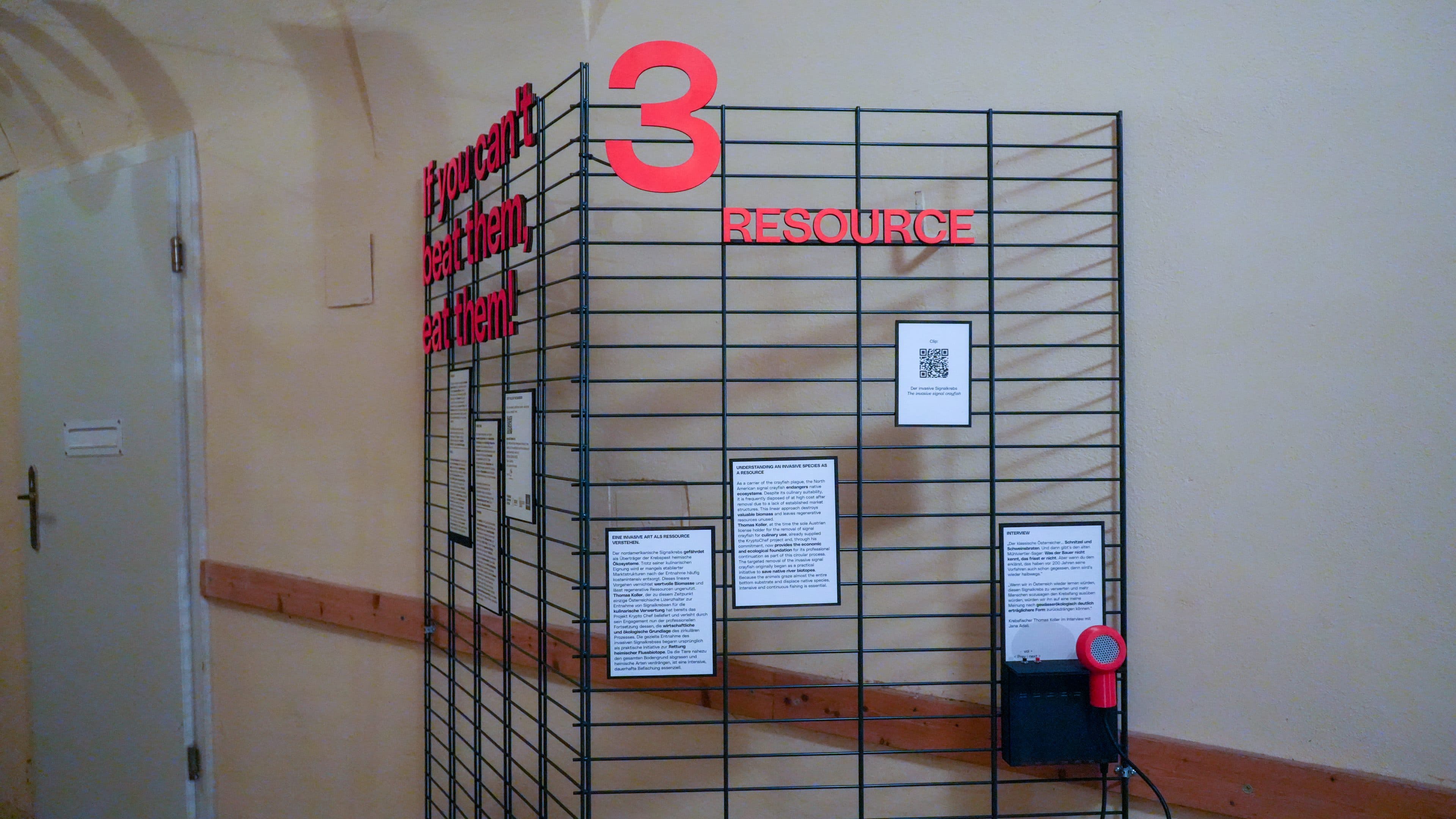
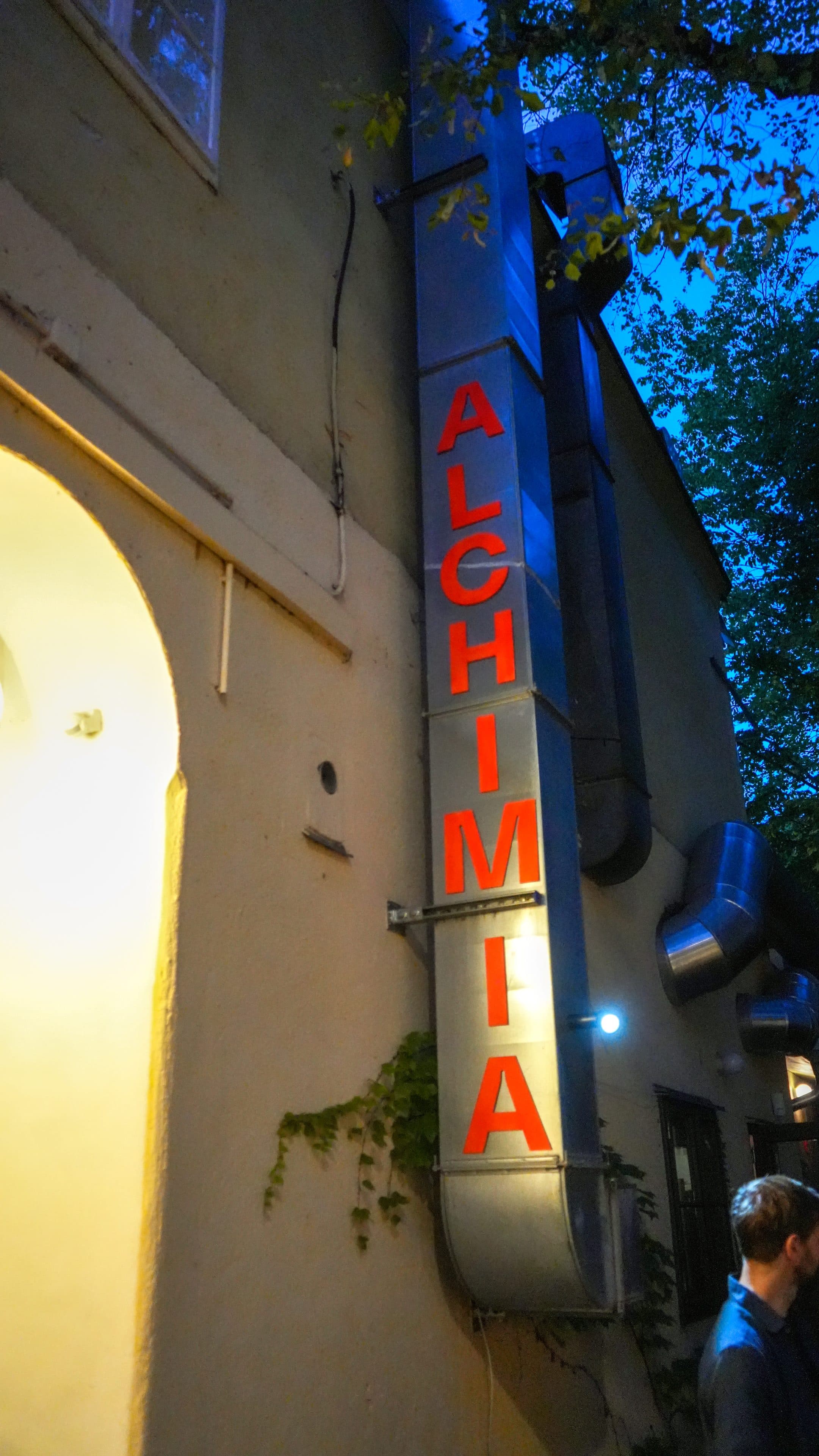
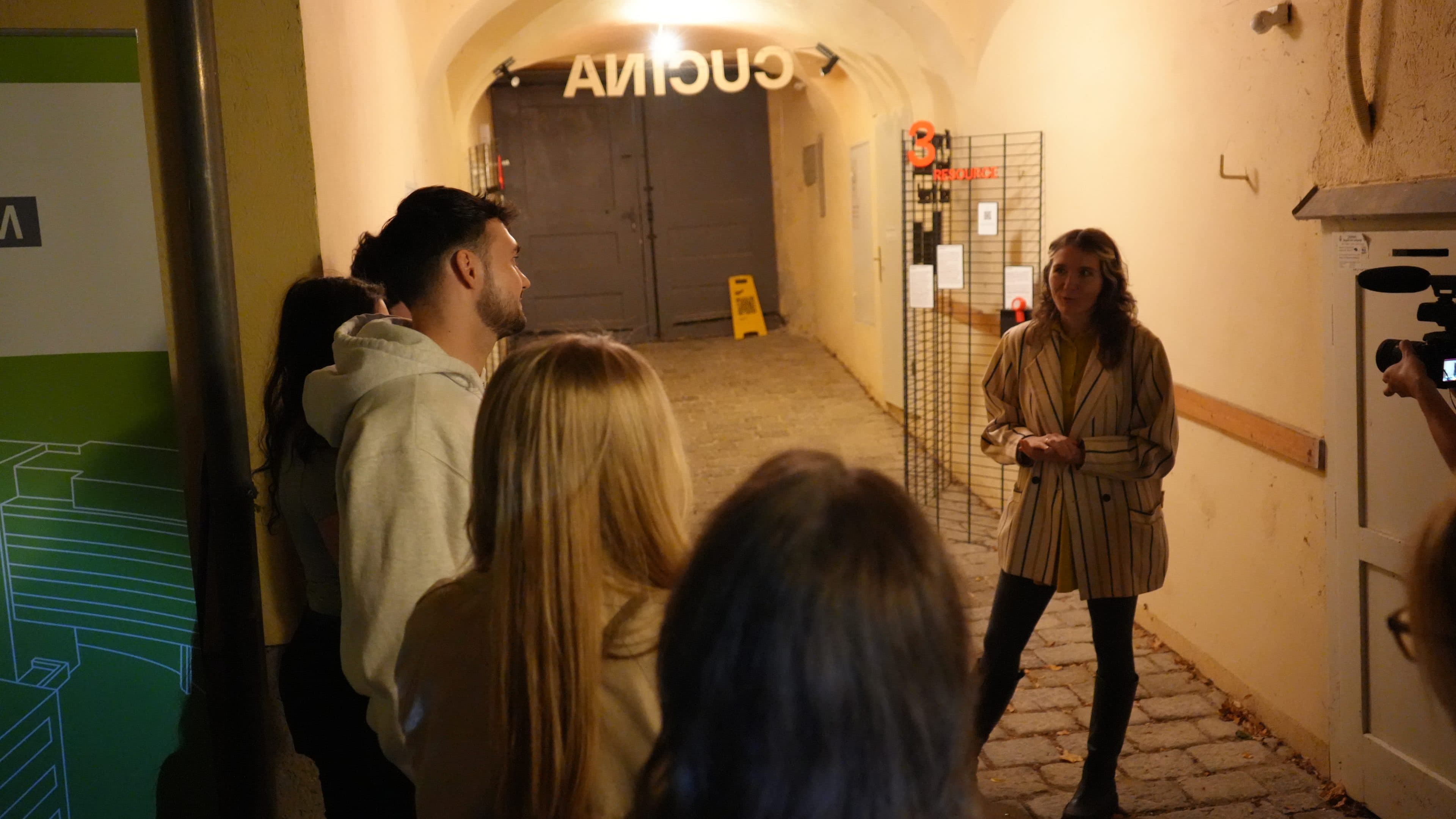
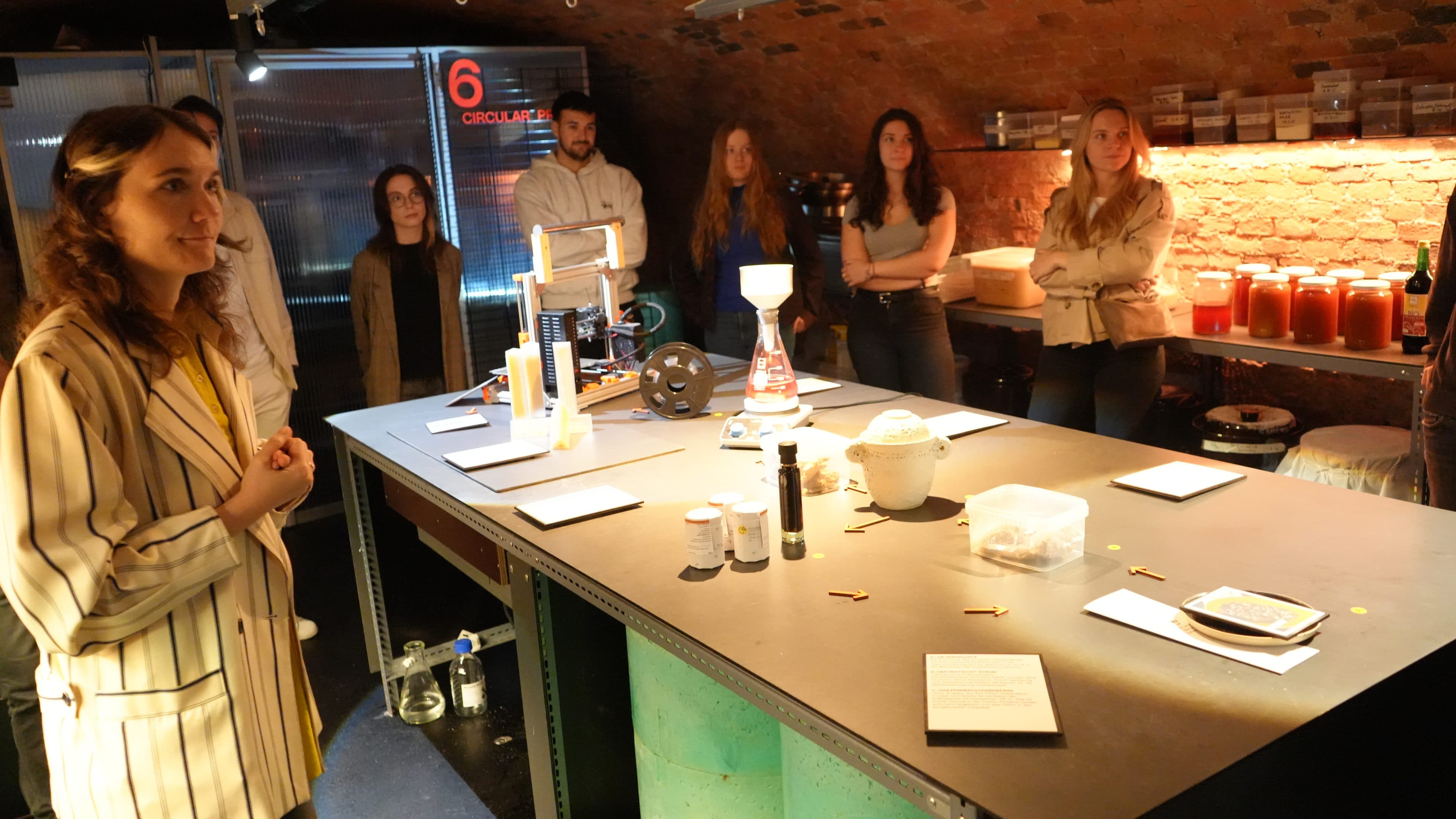
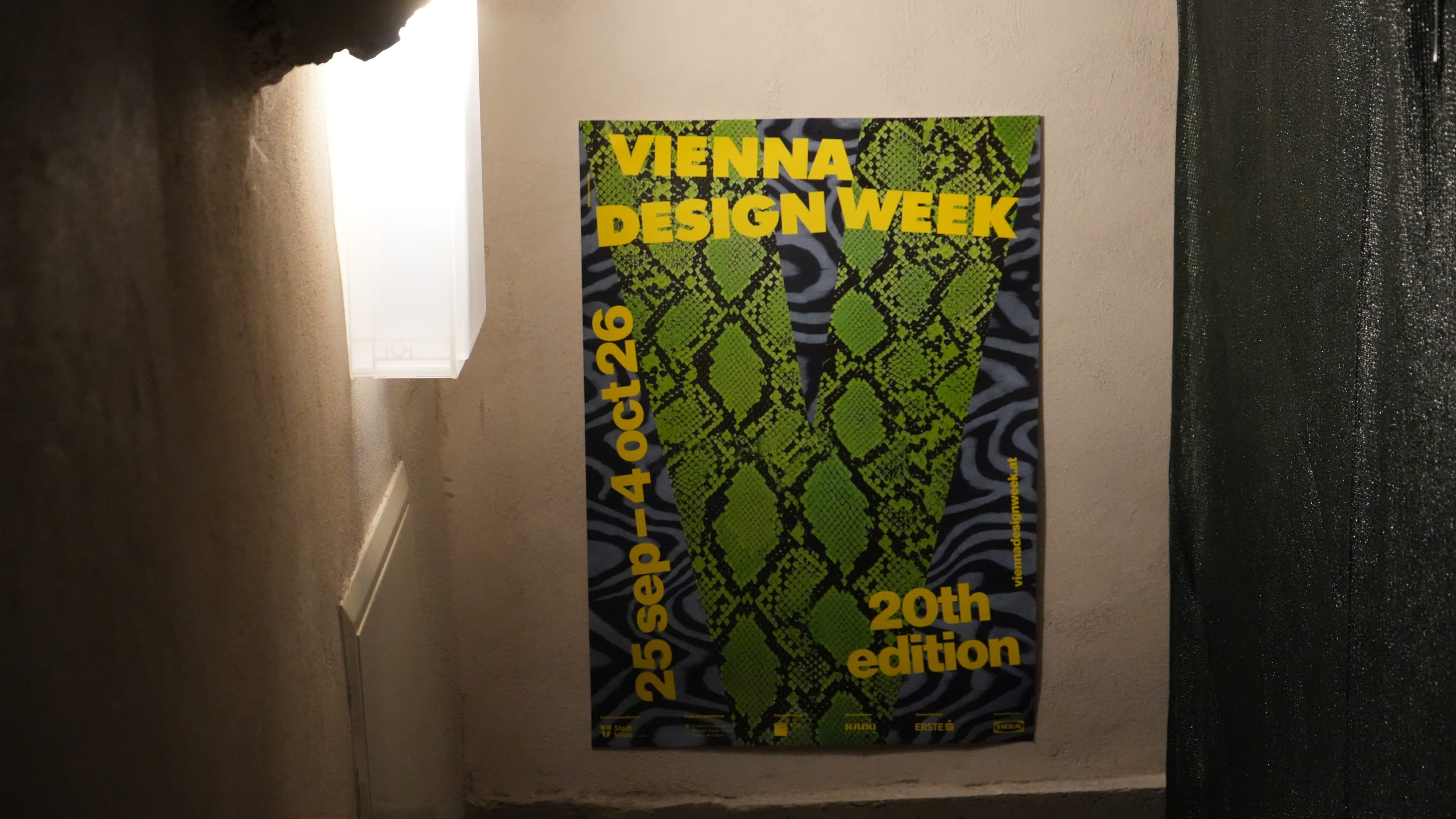
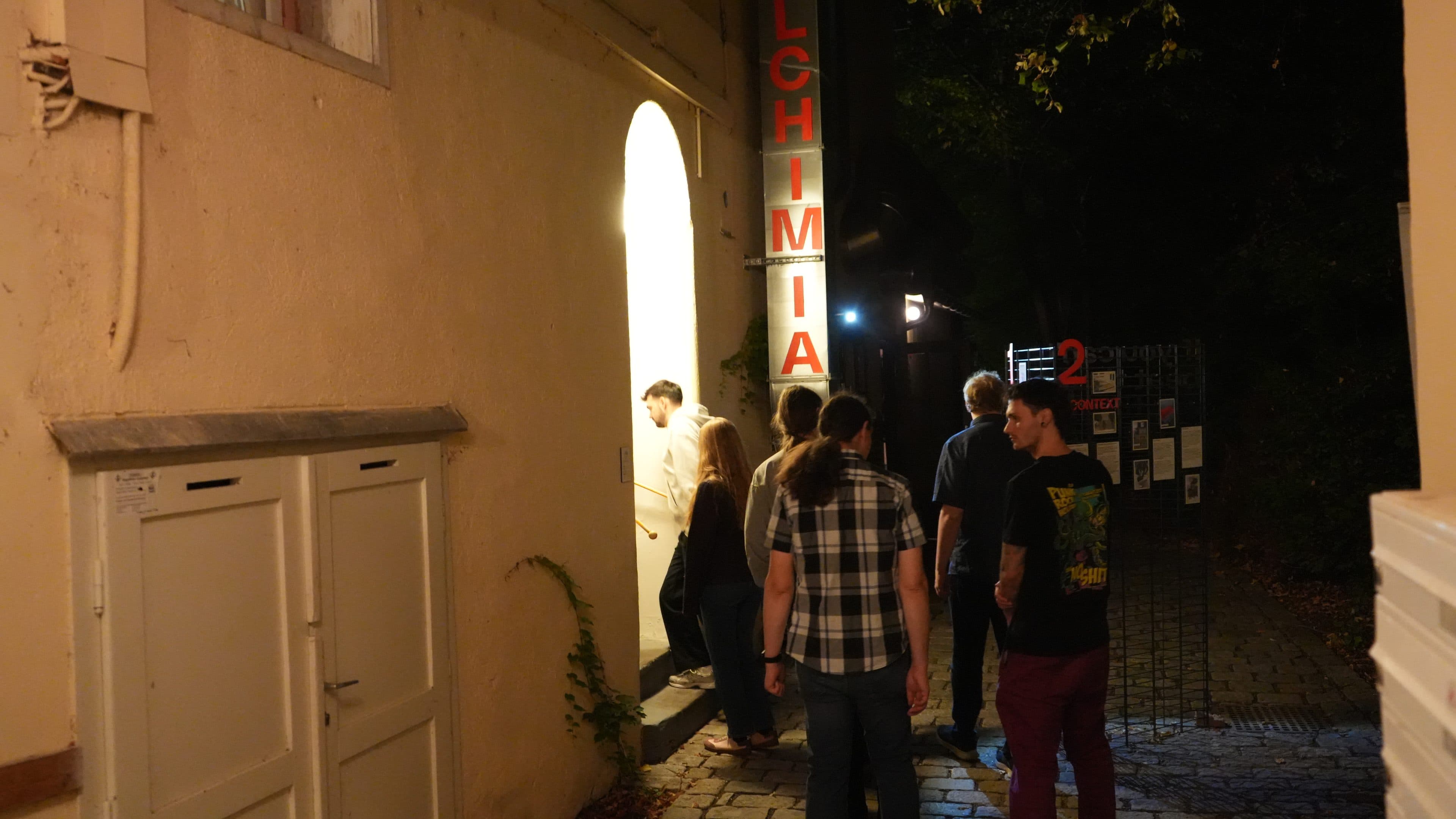
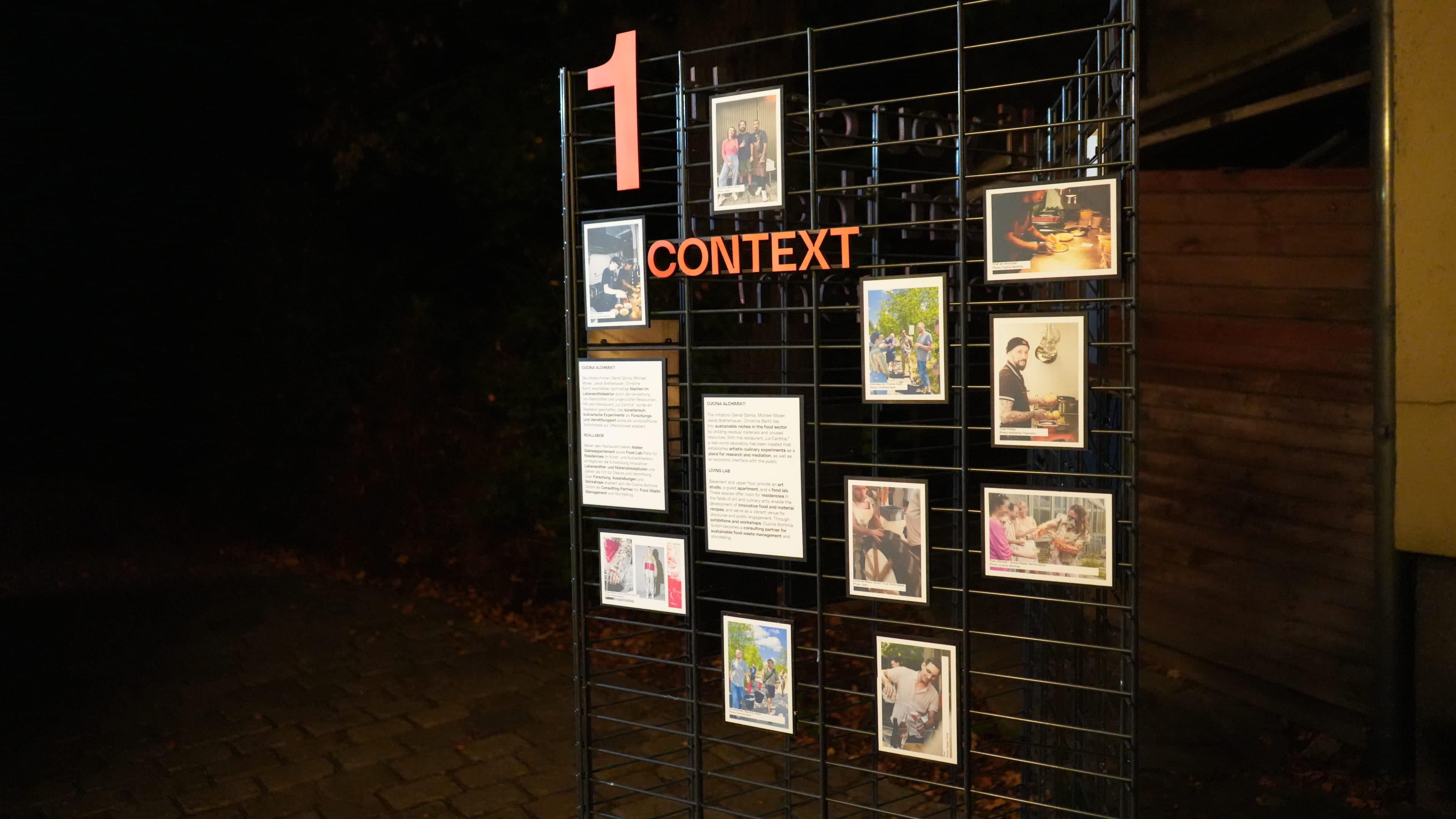
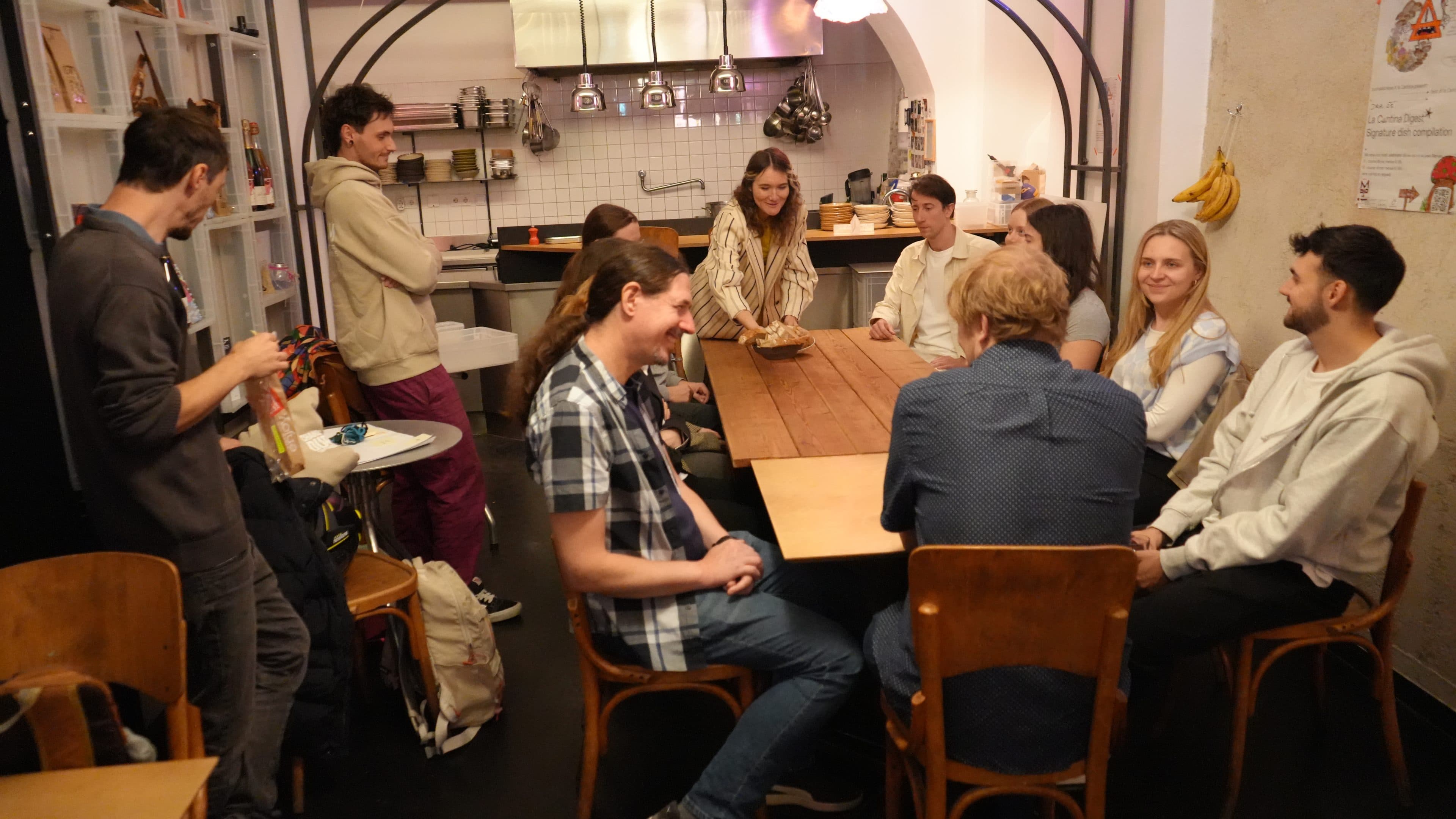
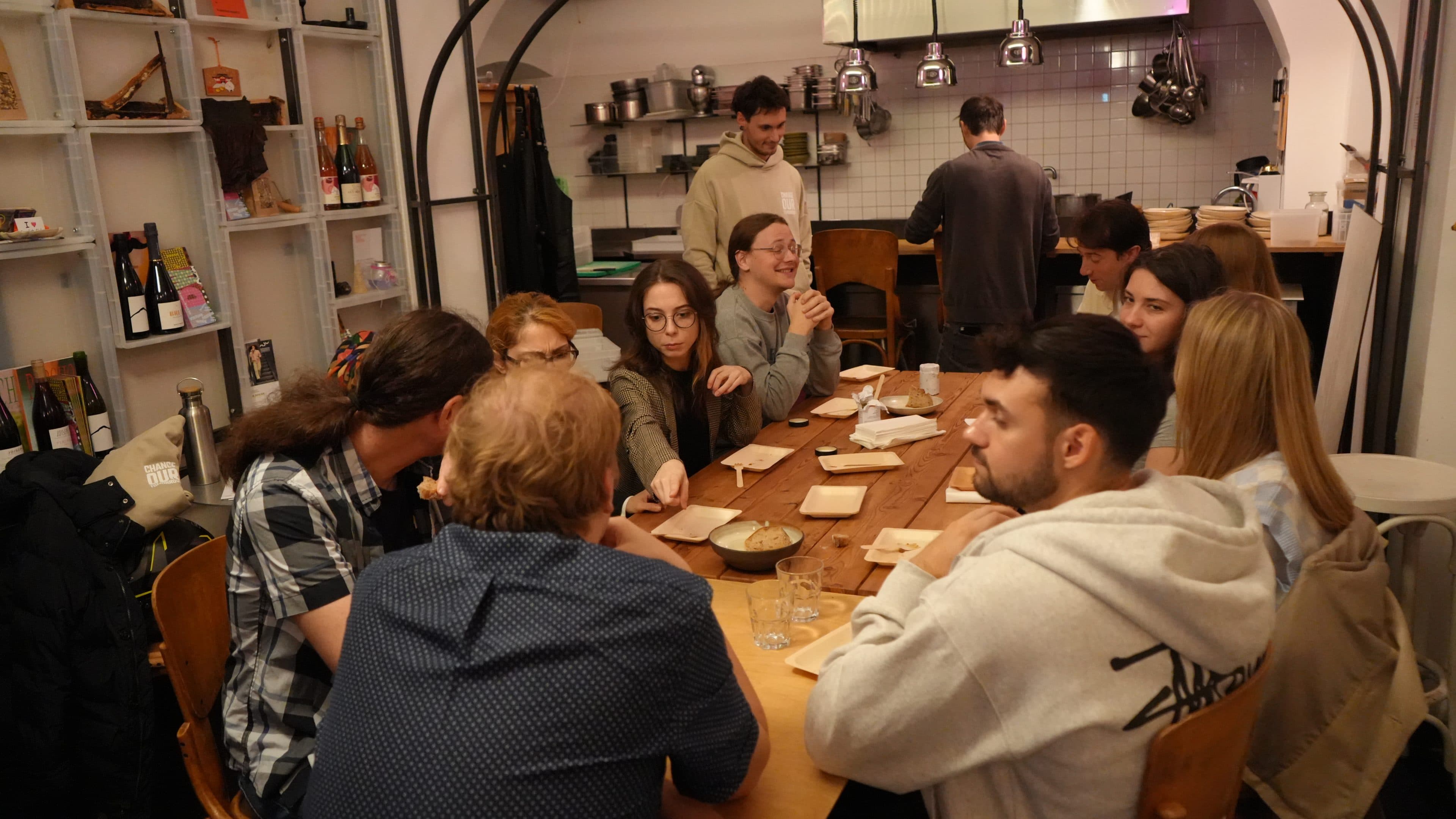
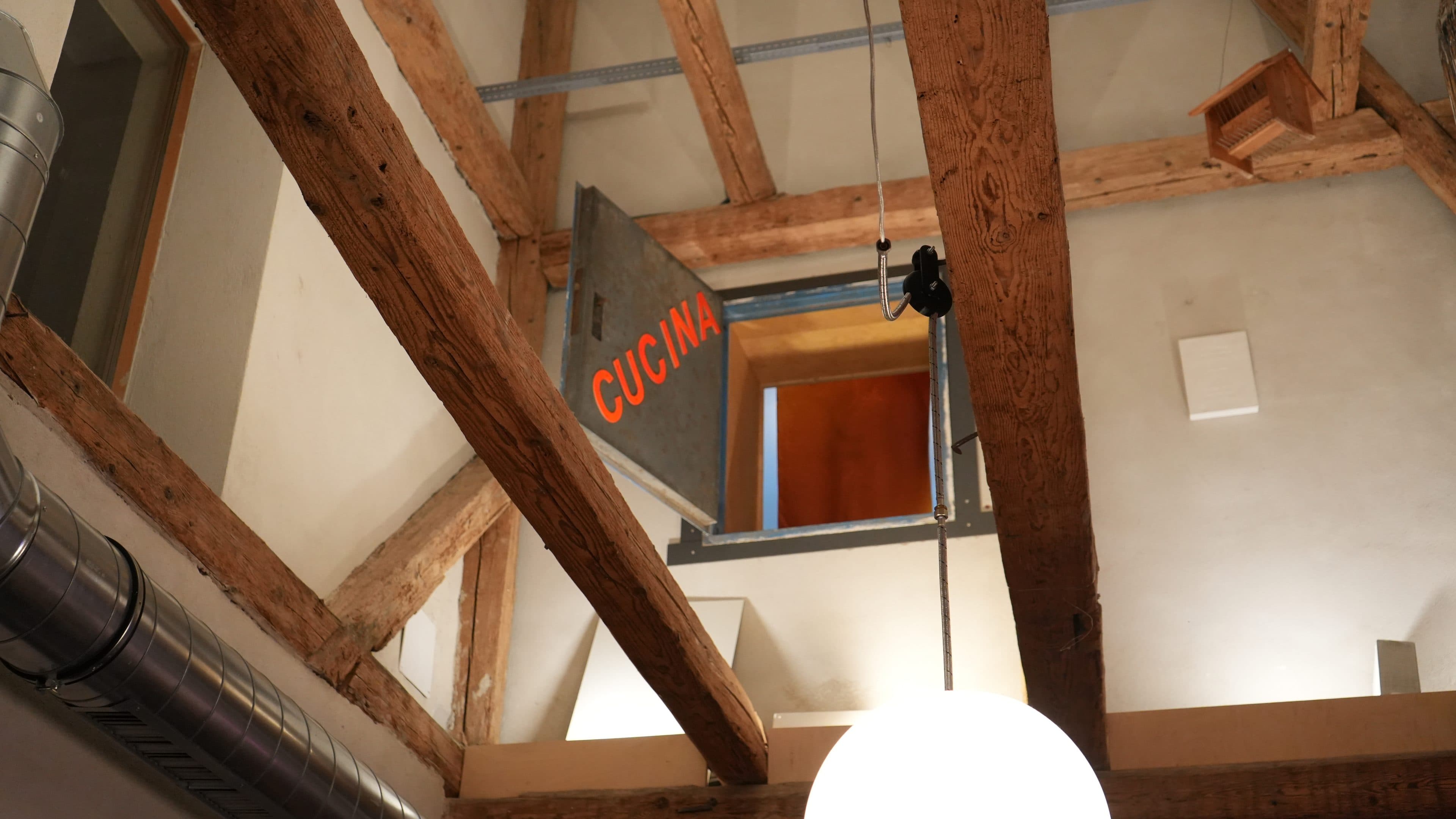
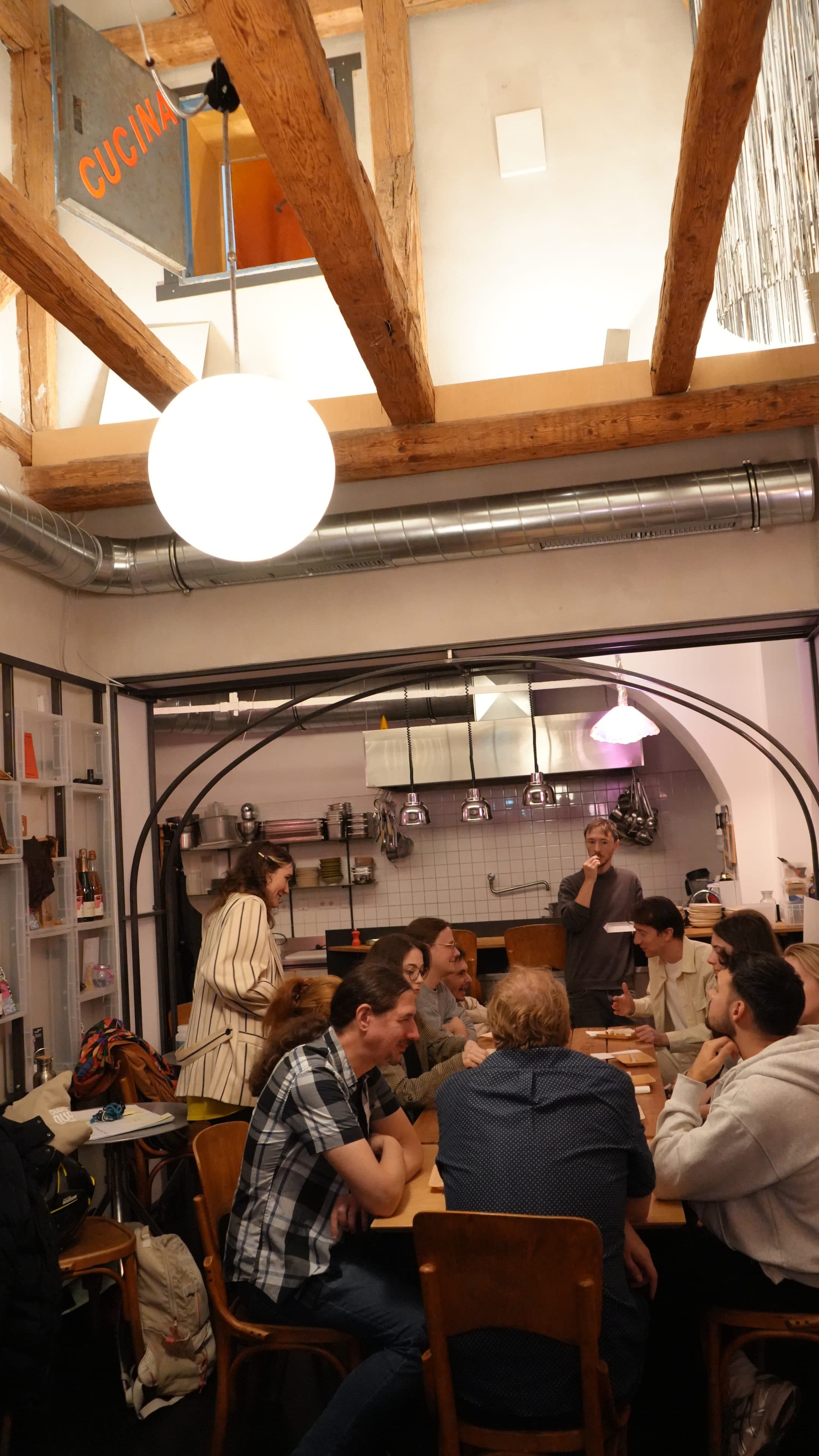
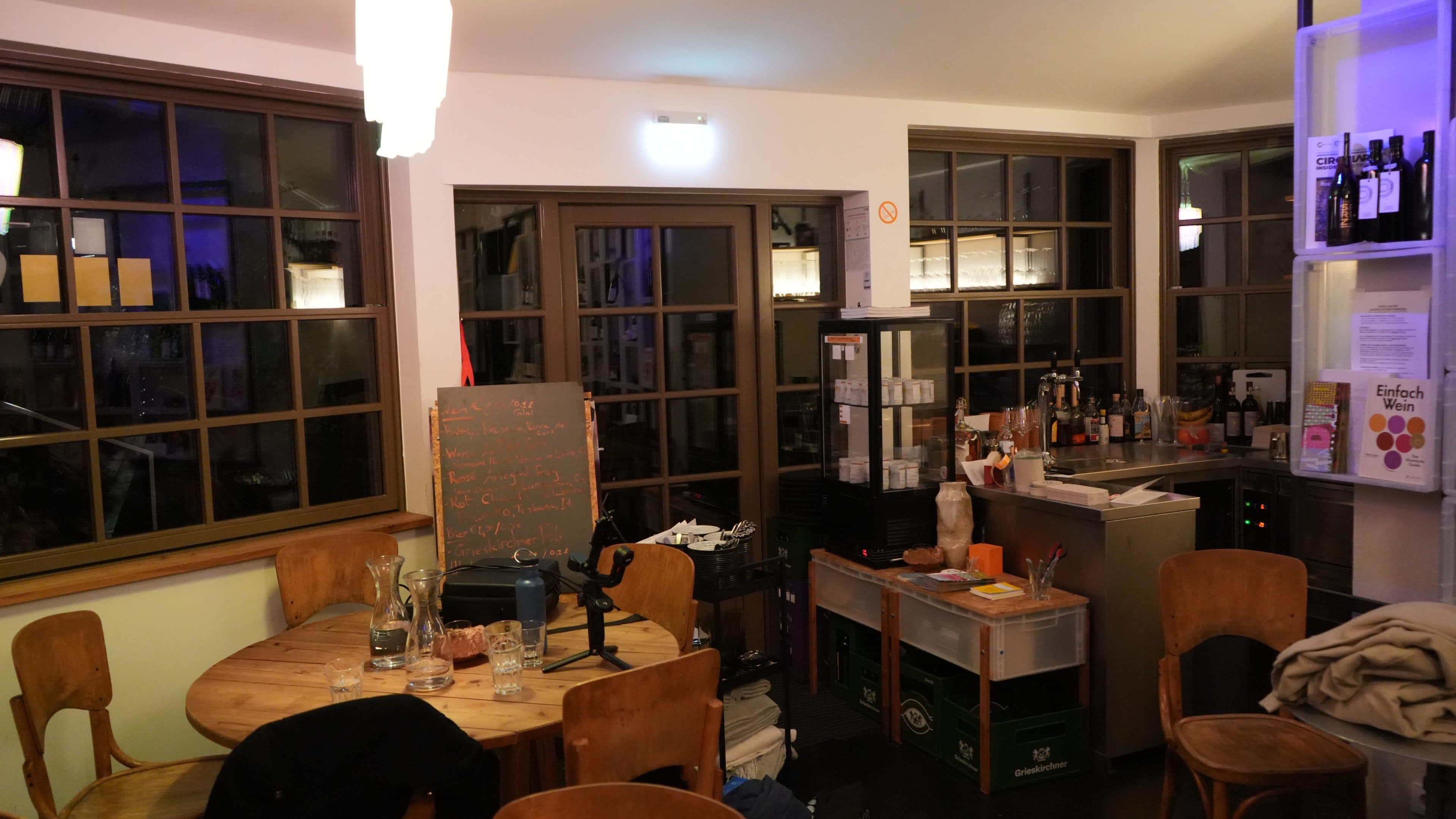
The footage was shot in Hietzing as part of the Vienna Design Week program organized by the UAS Technikum Wien, under the motto “IF YOU CAN’T BEAT THEM, EAT THEM” (September 25 through October 4, 2026) at the Restaurant Cucina Alchimia.
Focus on Cascading Utilization
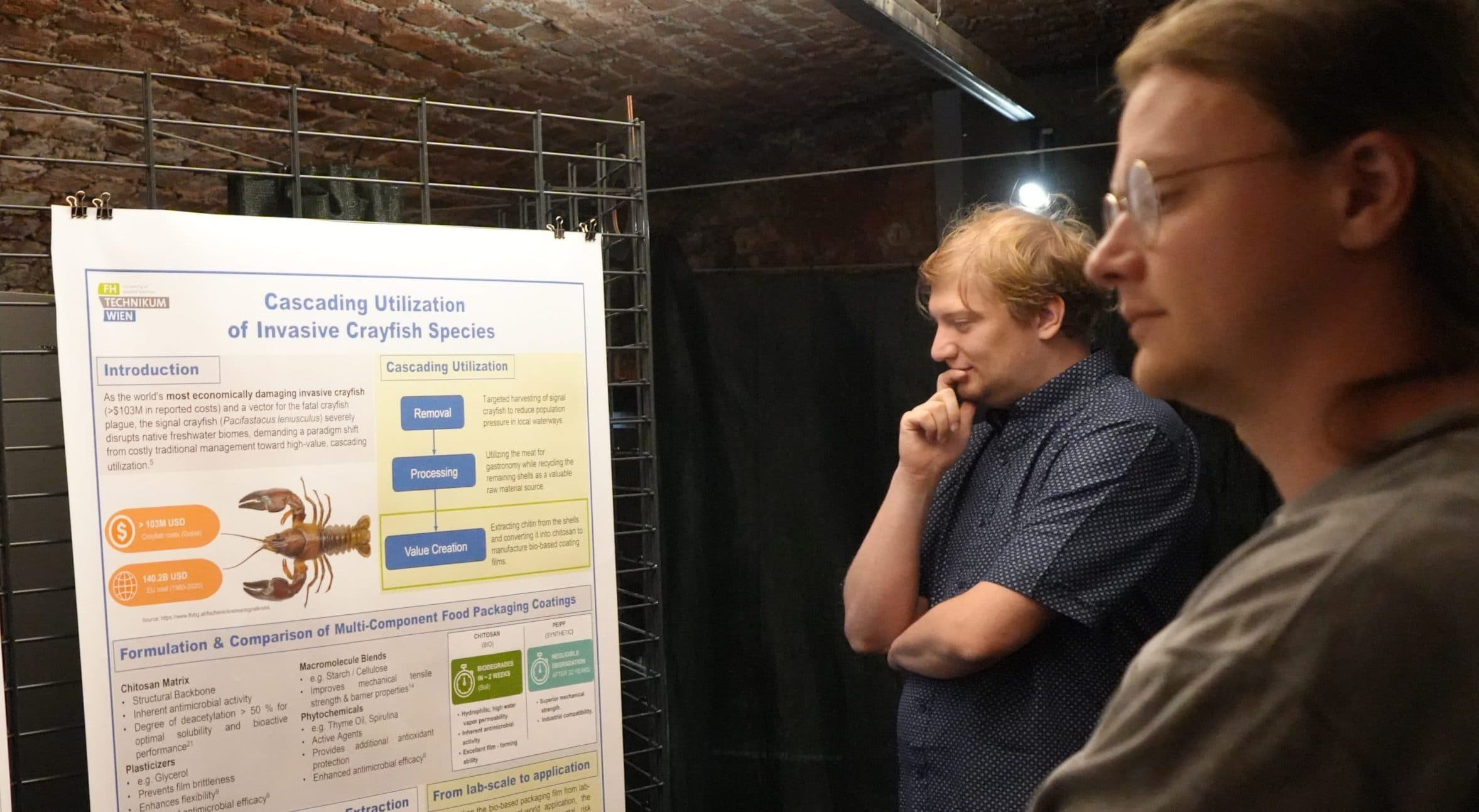
The video shows the project’s cascading utilization approach step by step:
- 1. Culinary use: Use of crab meat in the restaurant industry.
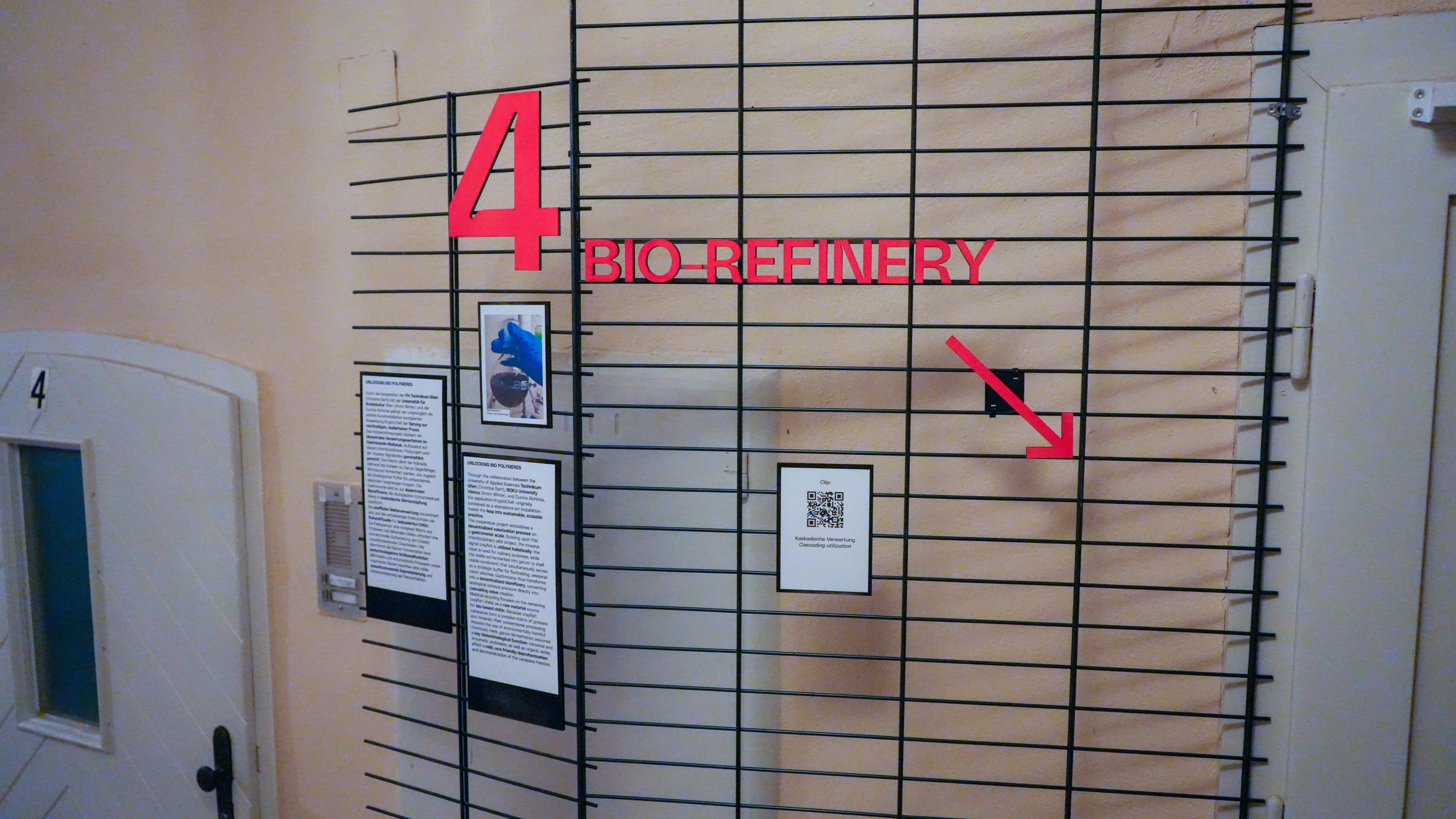
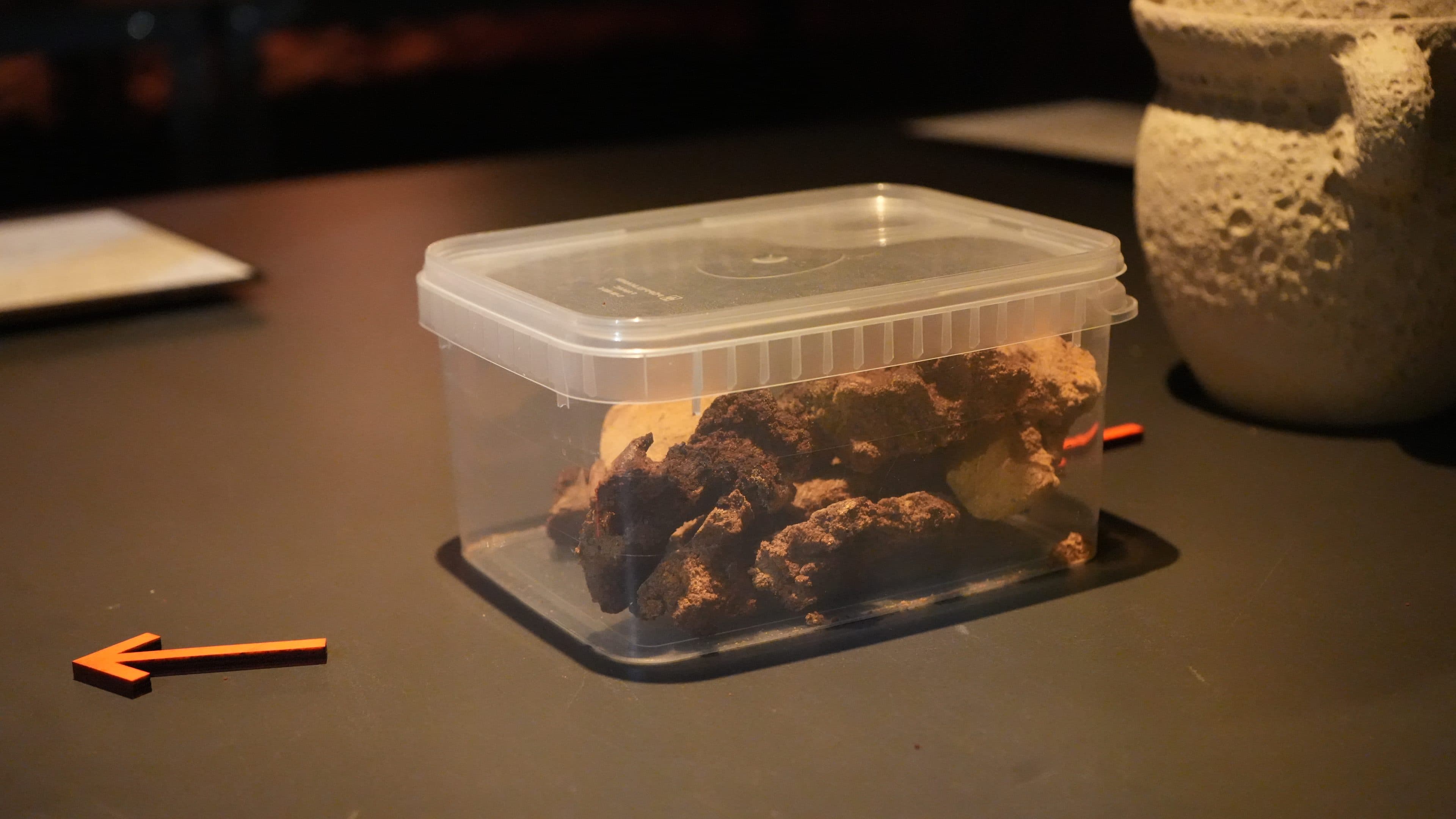
- 2. Seasoning: Processing the remaining shell residues via koji fermentation into a preservable seasoning called garum.
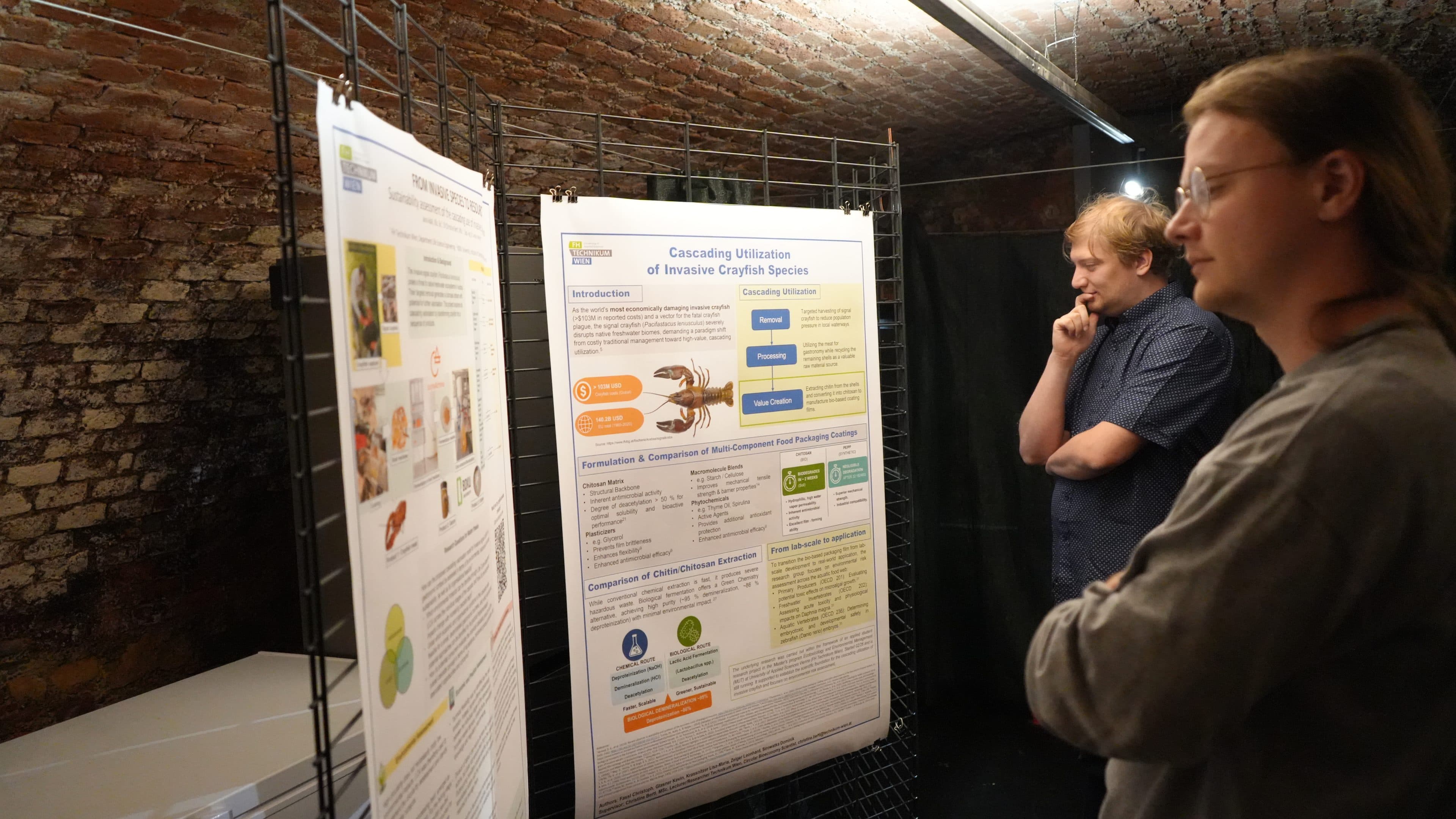
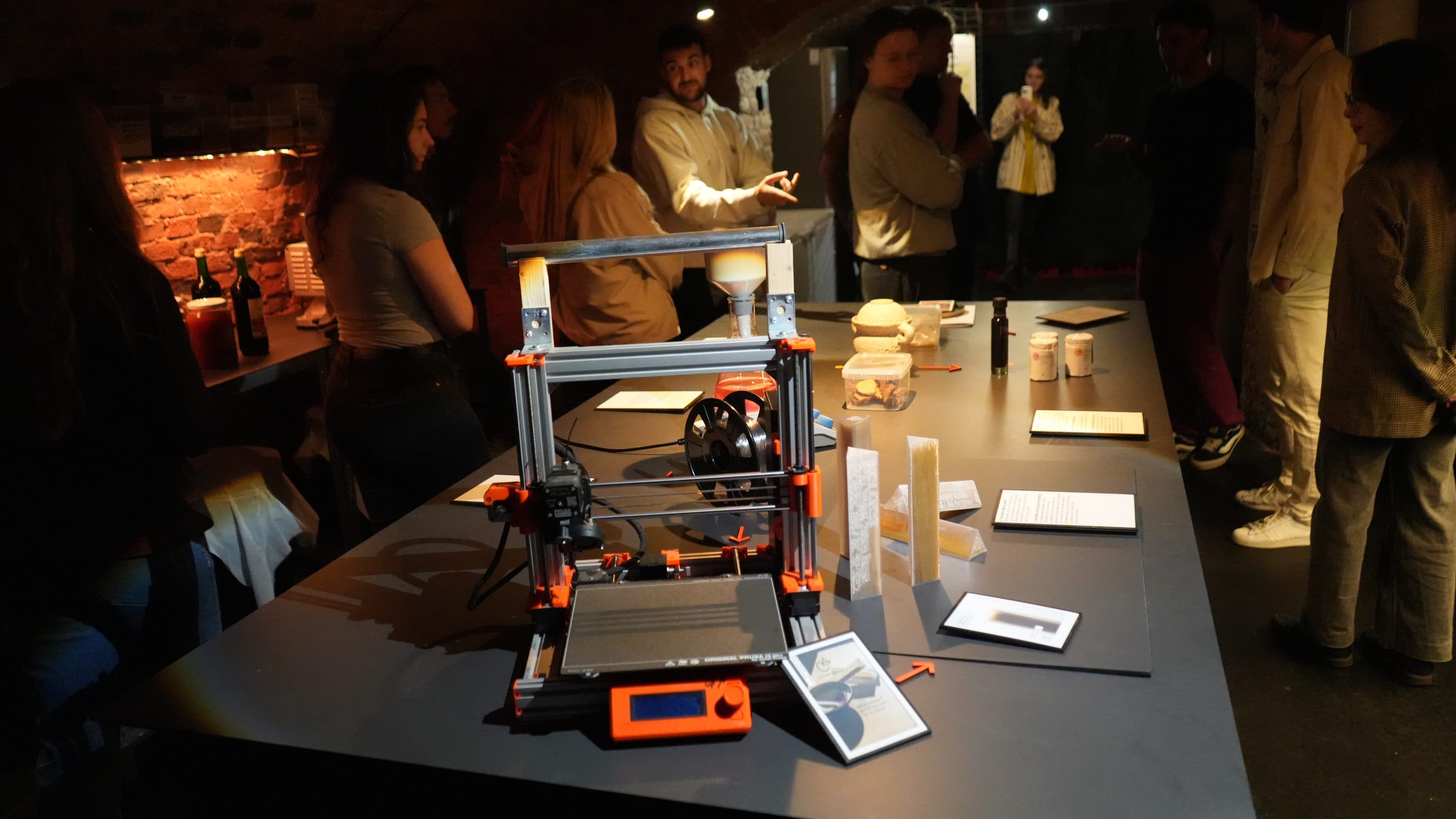
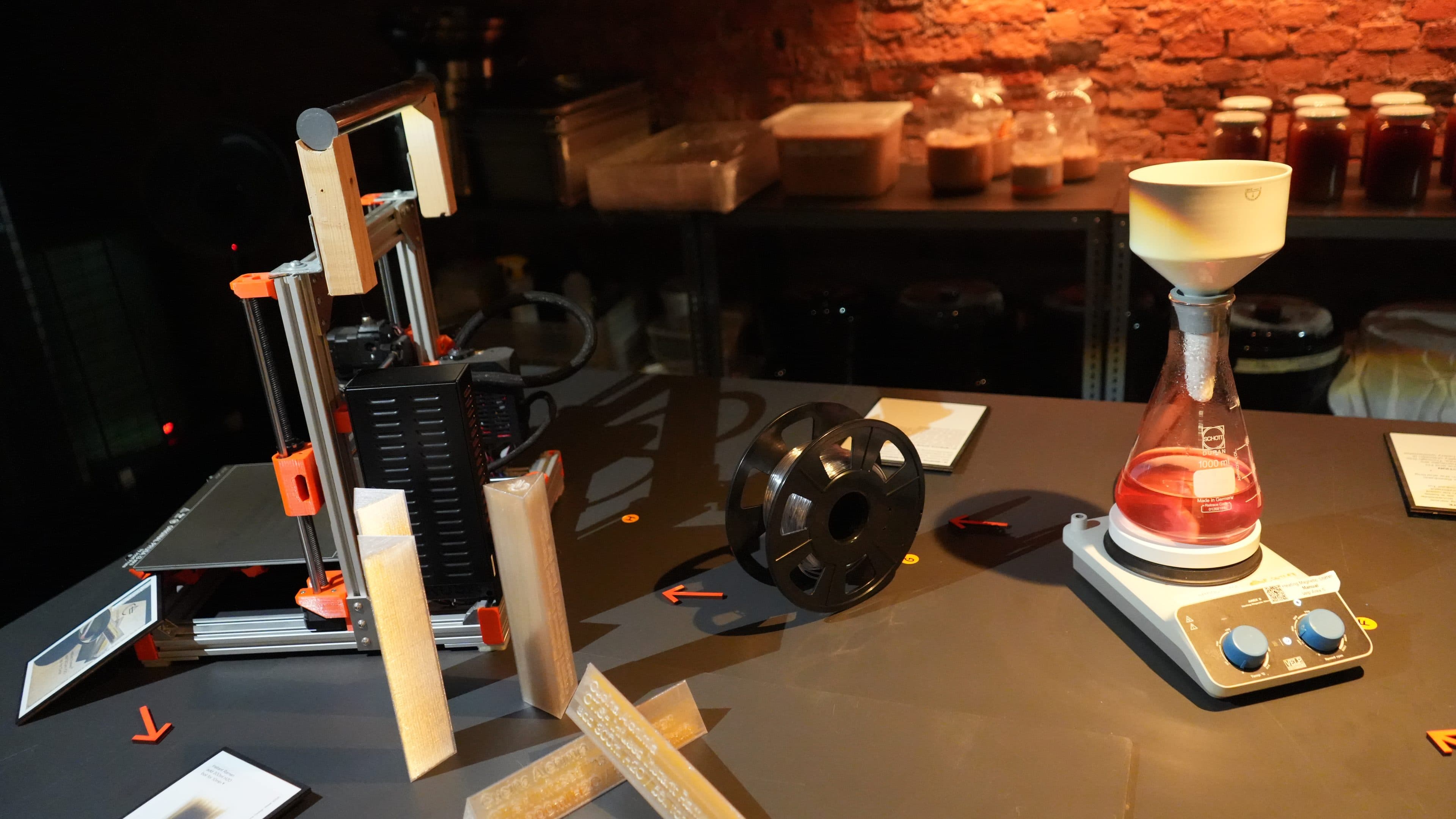
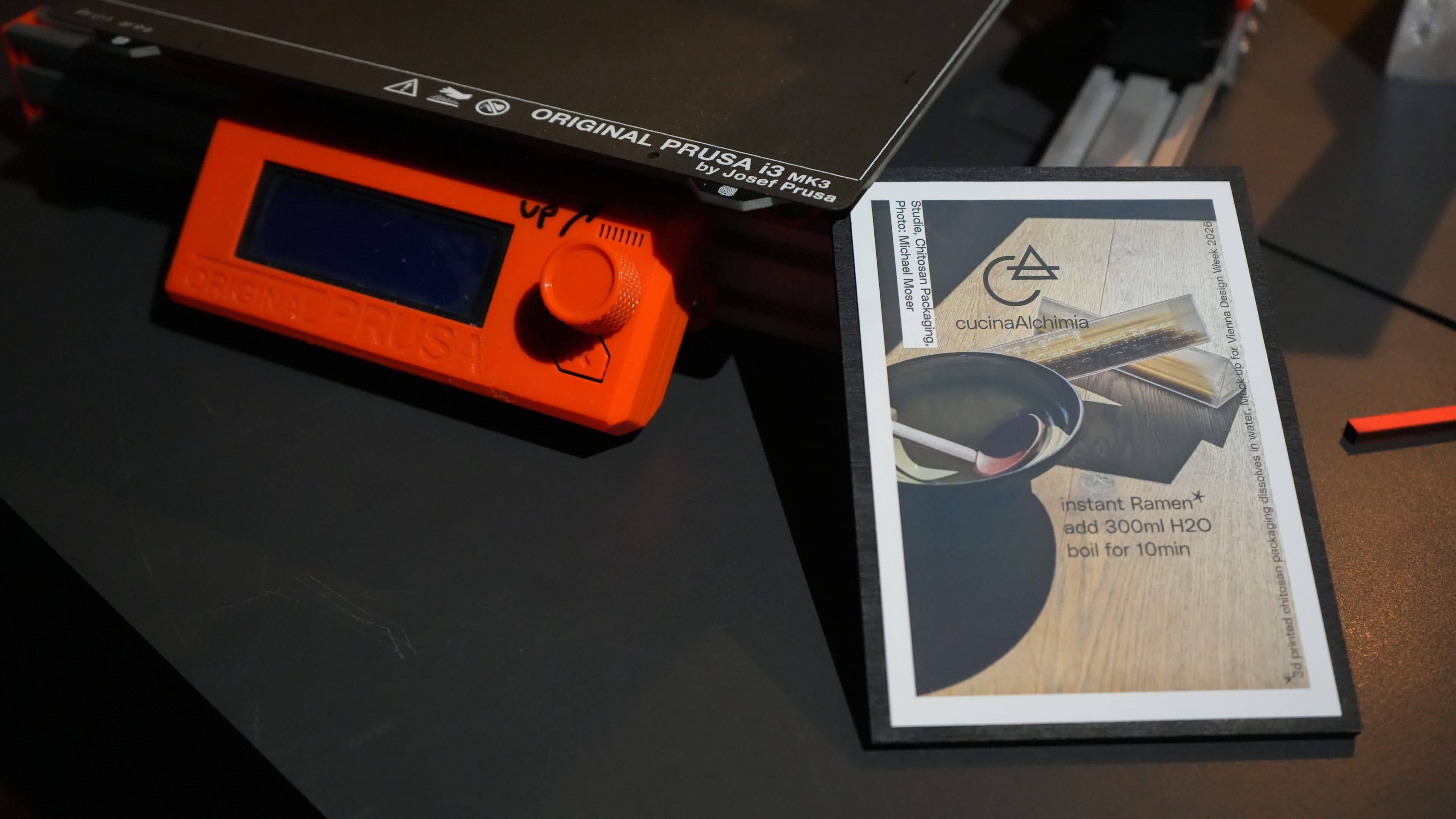
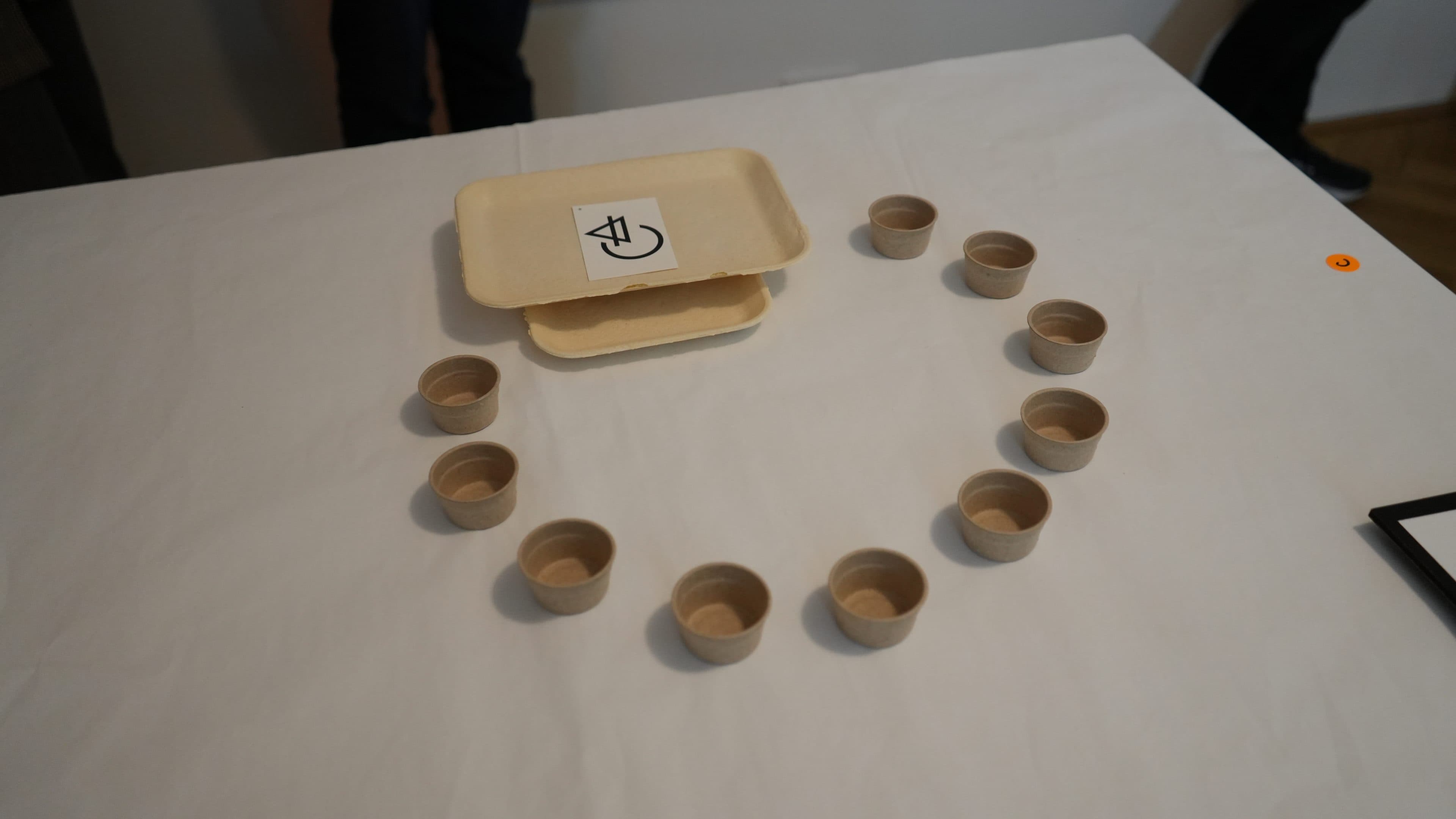
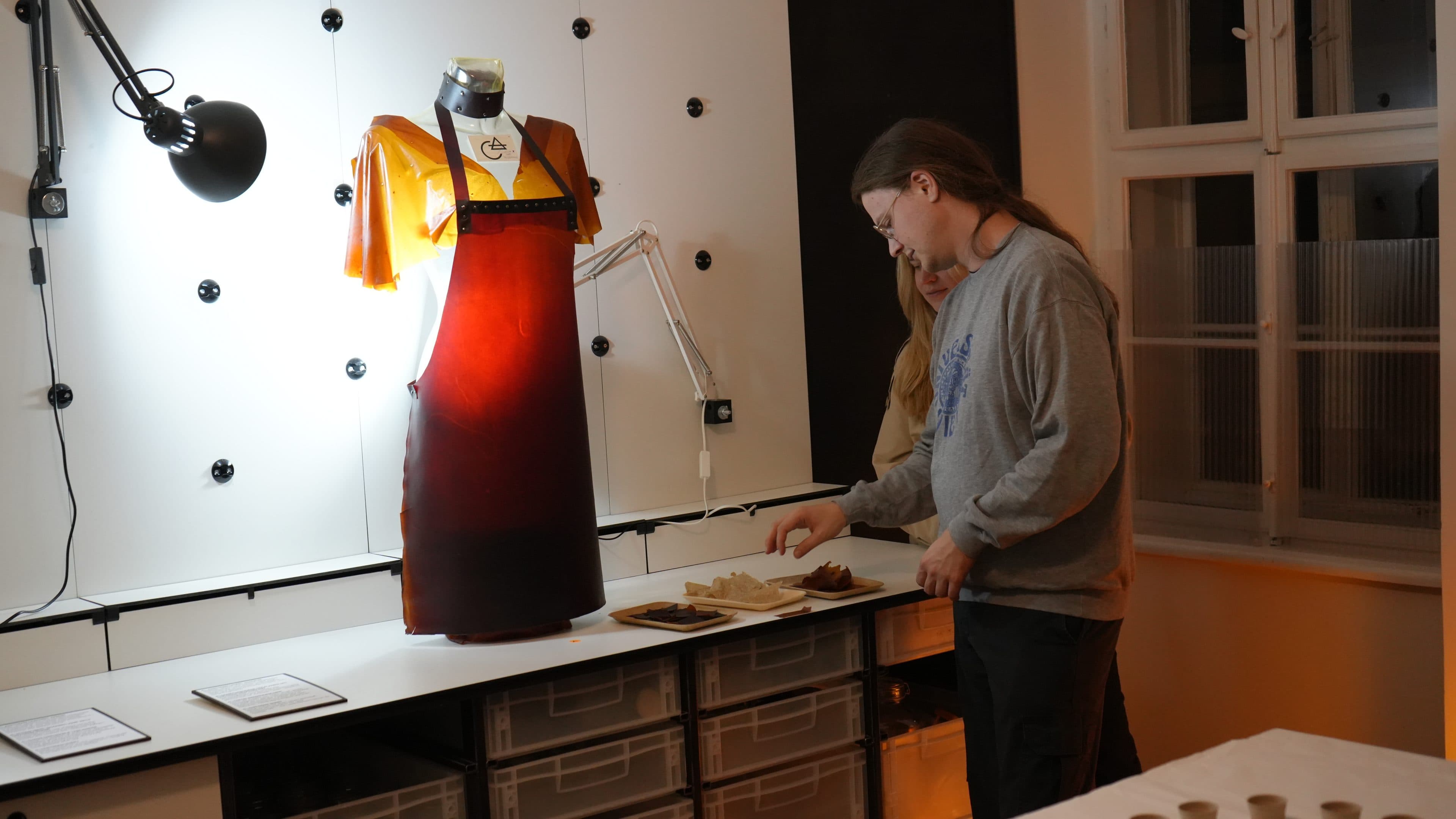
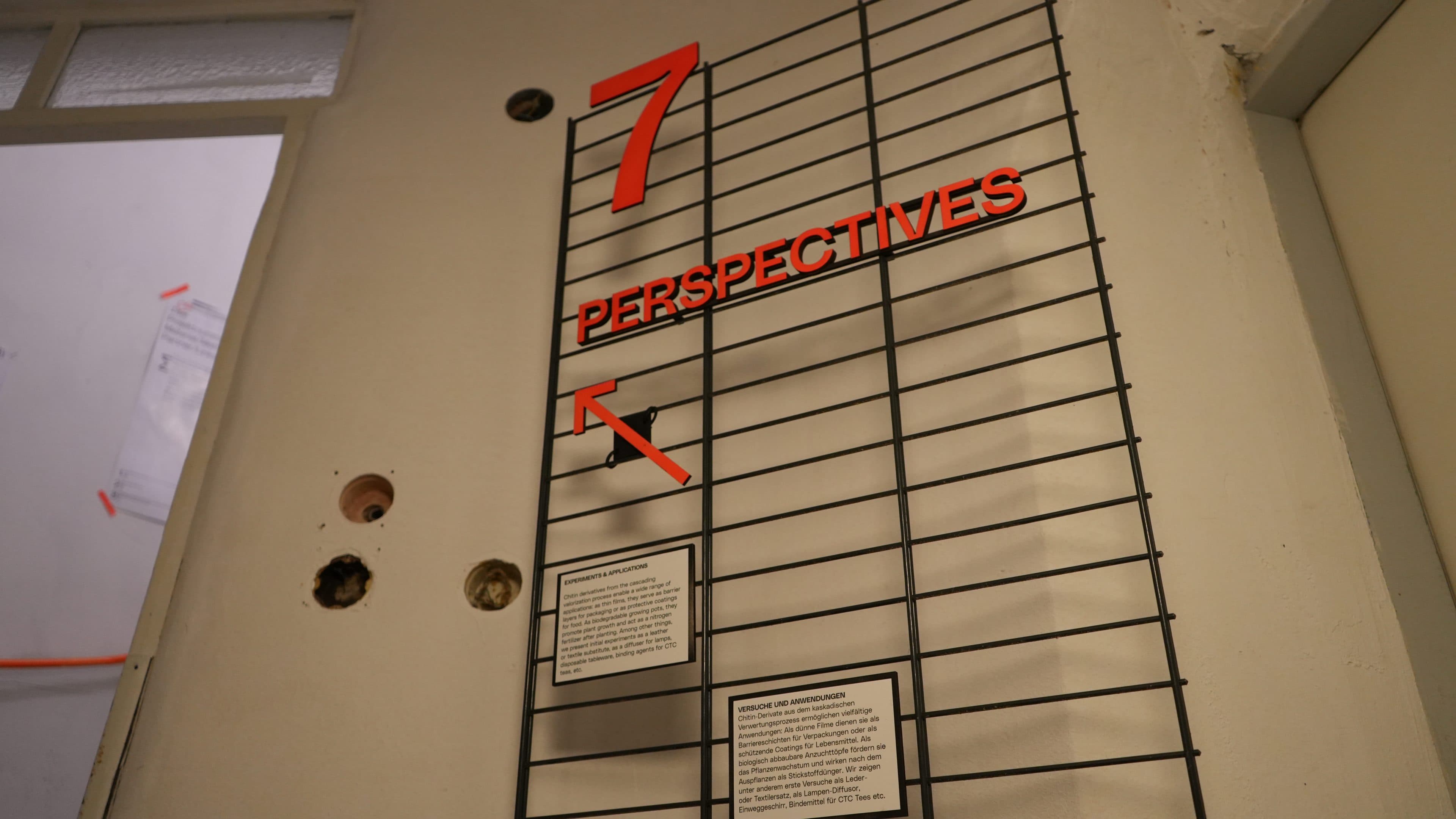
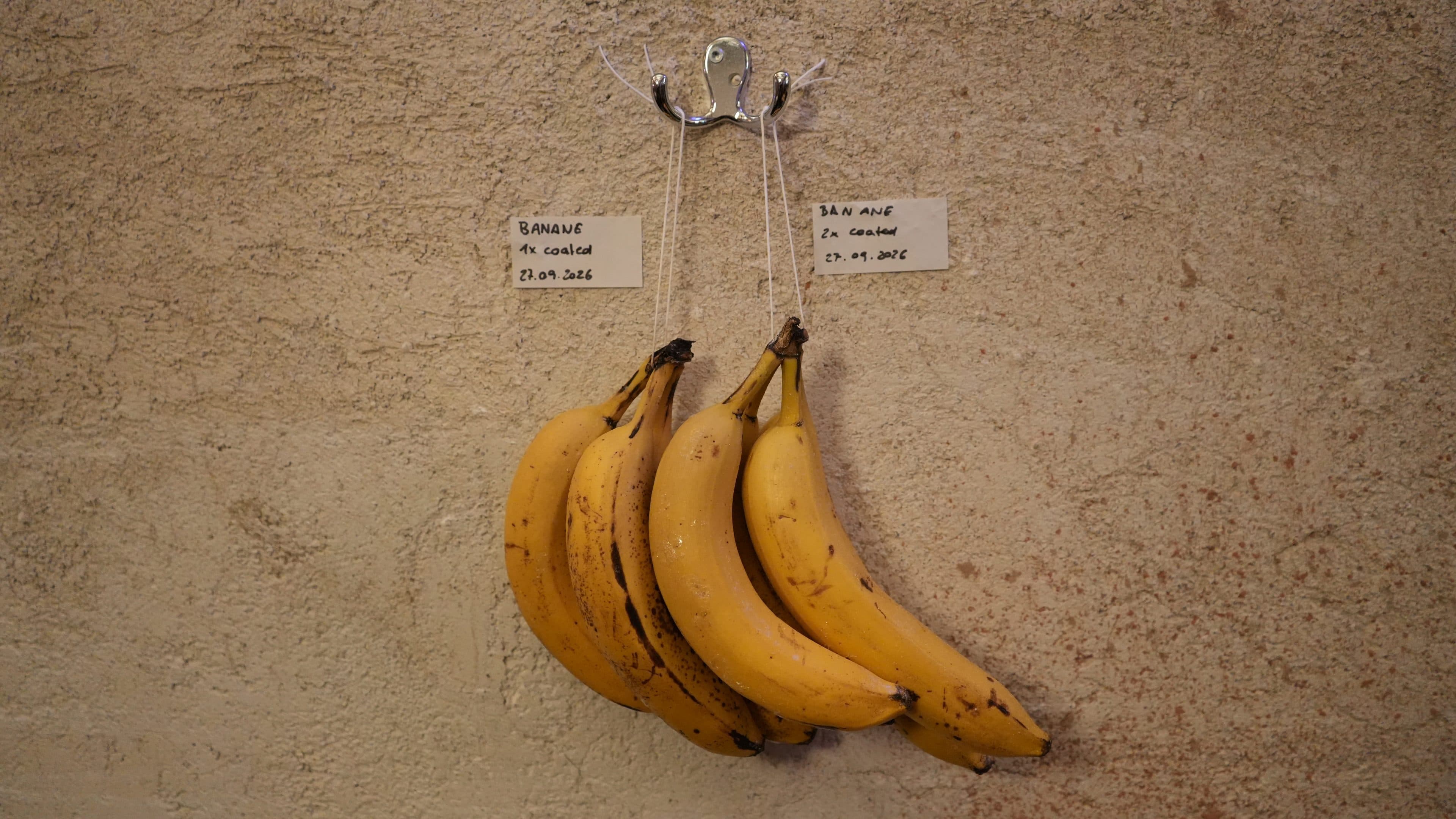
- 3. Packaging material: Extraction of chitin and chitosan from the fermentation residues for the development of biodegradable food coatings and packaging materials.
In this way, an ecological challenge—the displacement of native species by the North American signal crayfish—is transformed into a closed-loop value chain.
Culinary Arts Meets Research
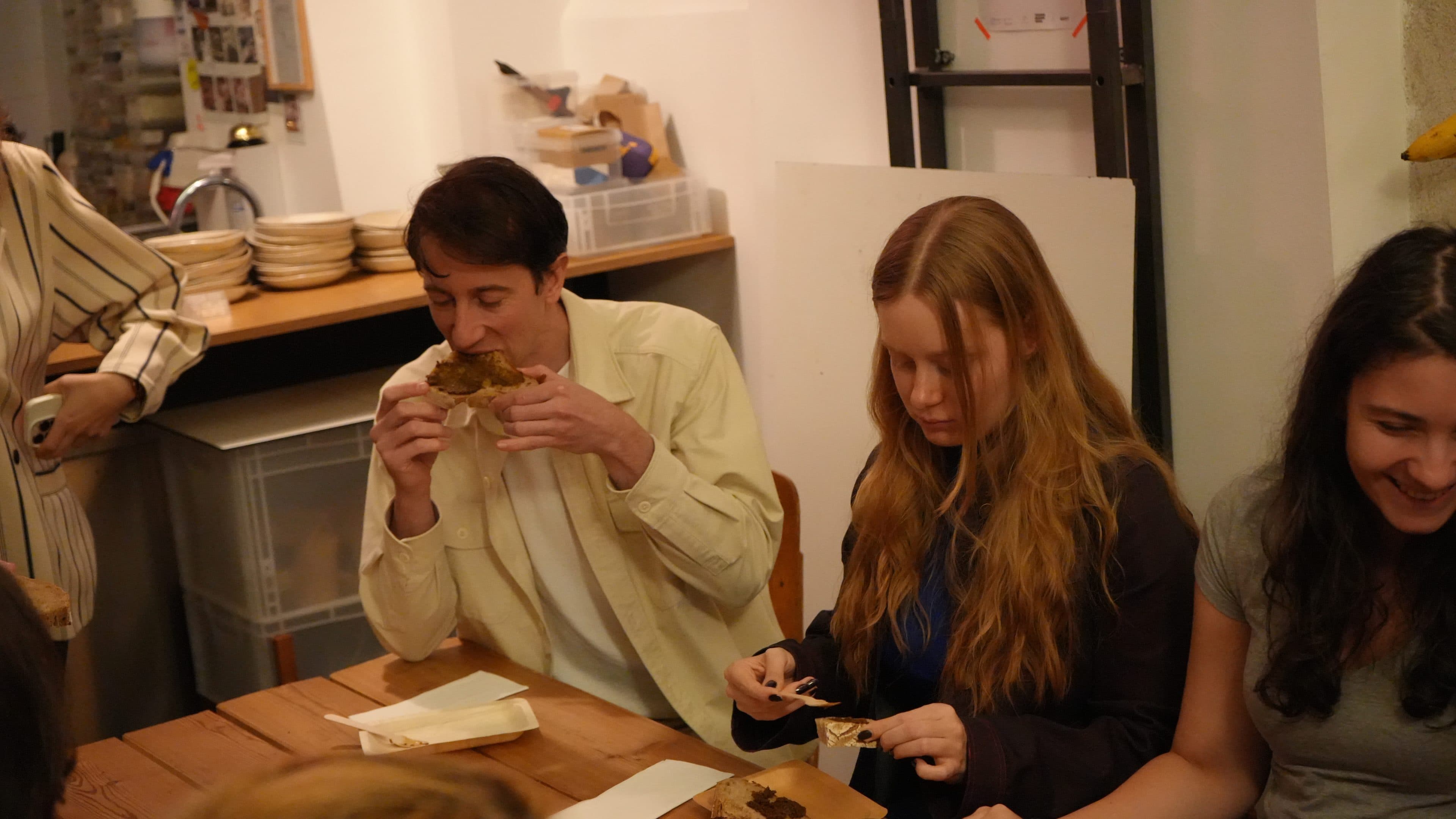
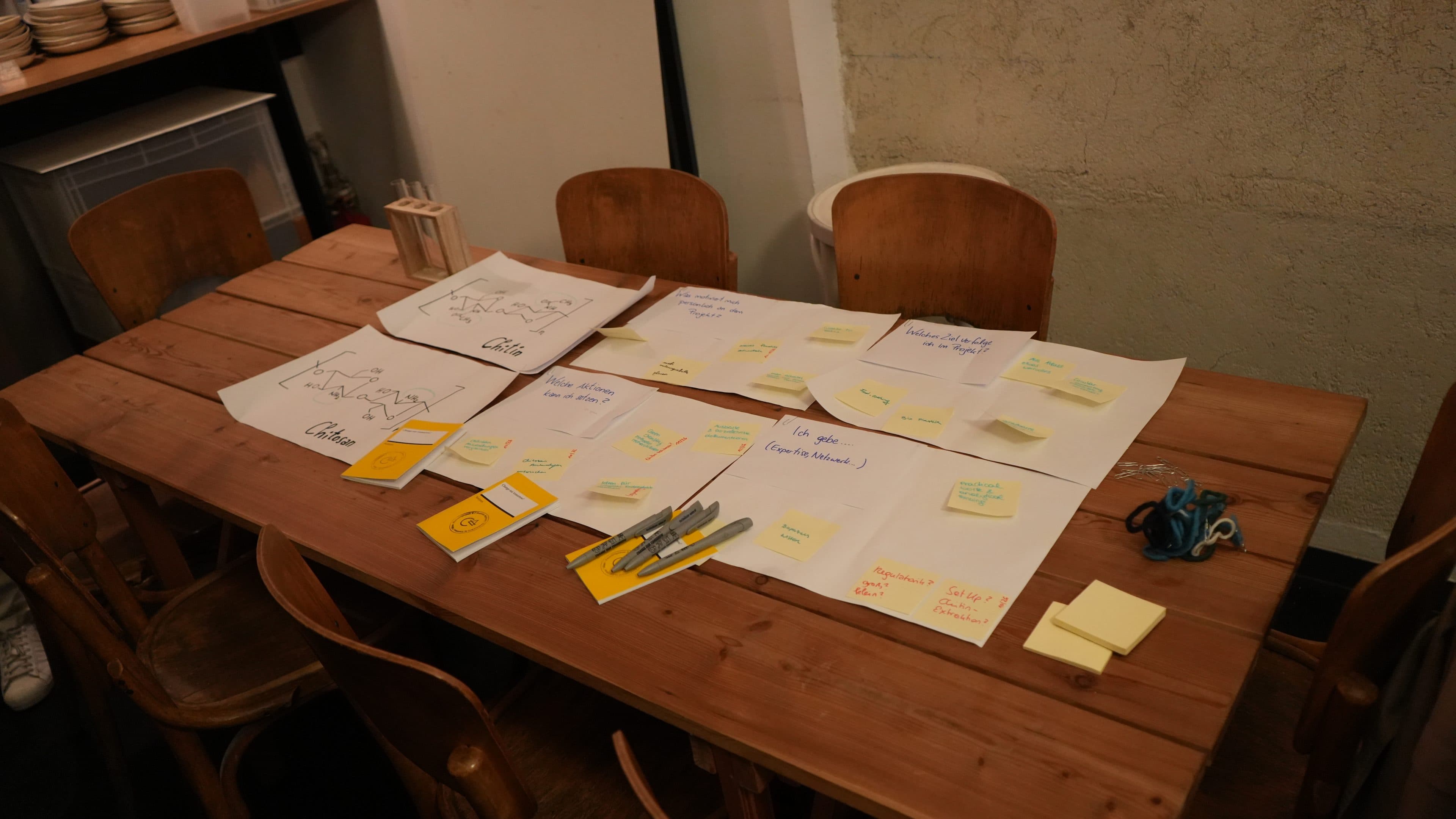
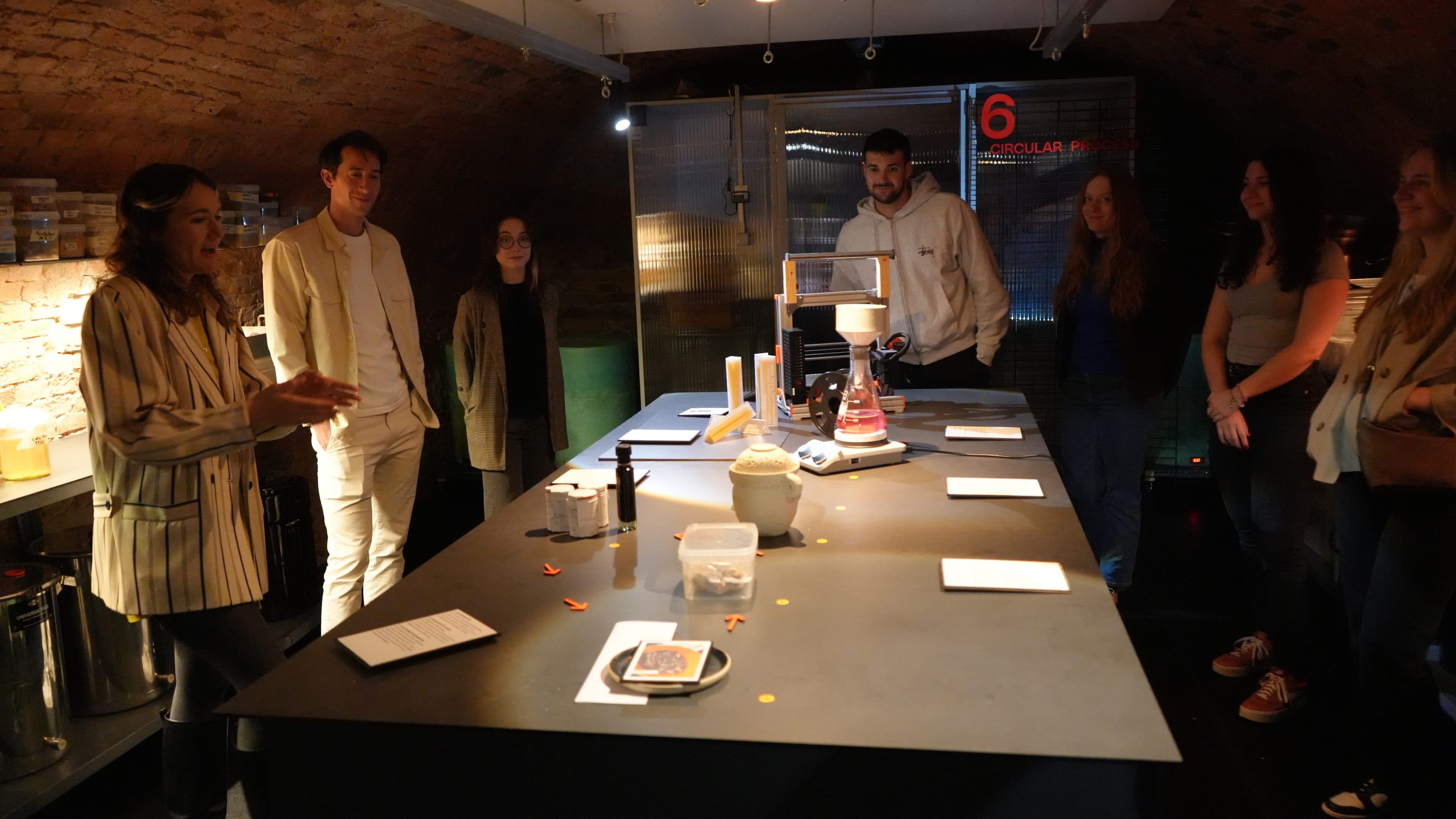
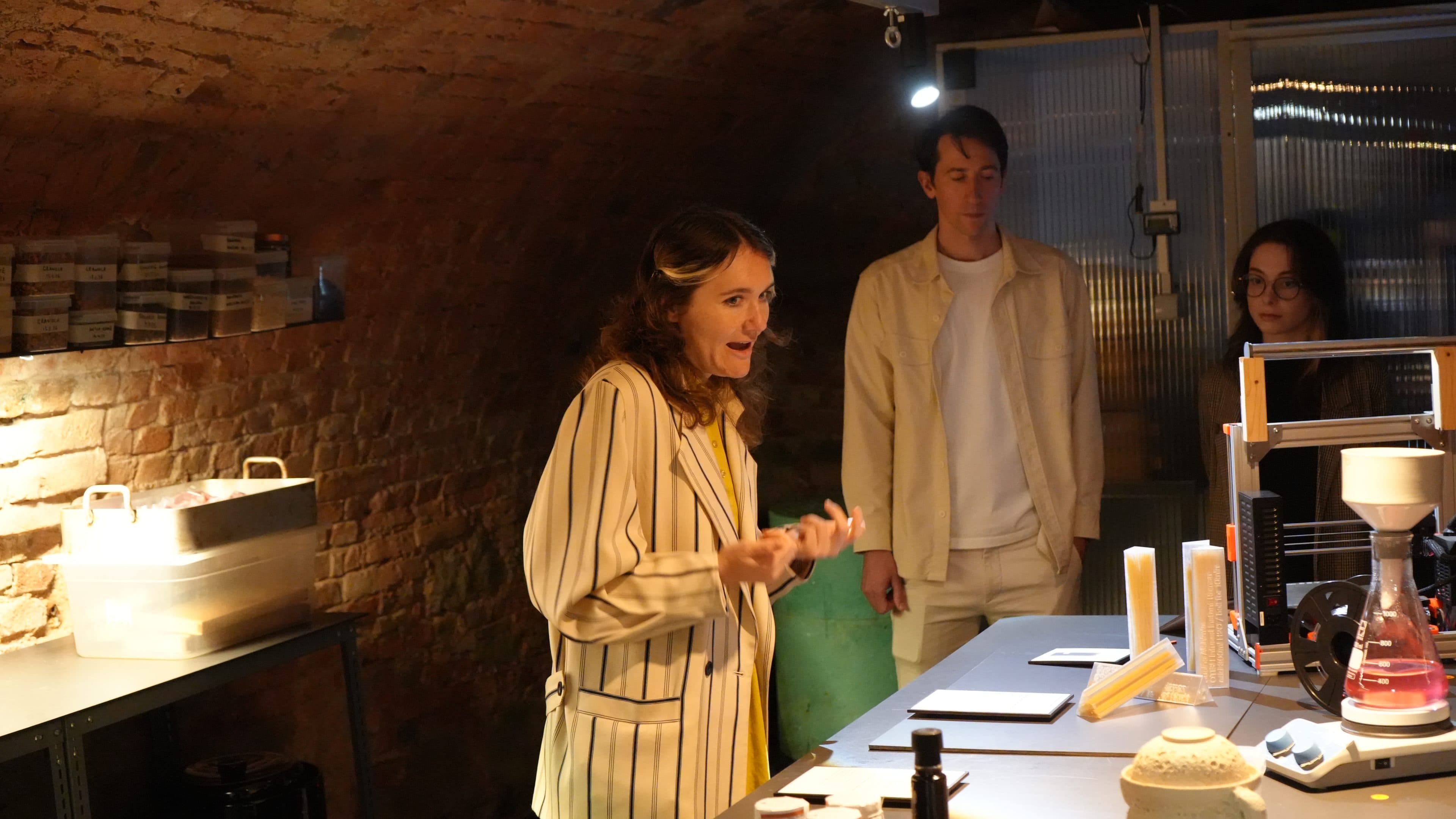
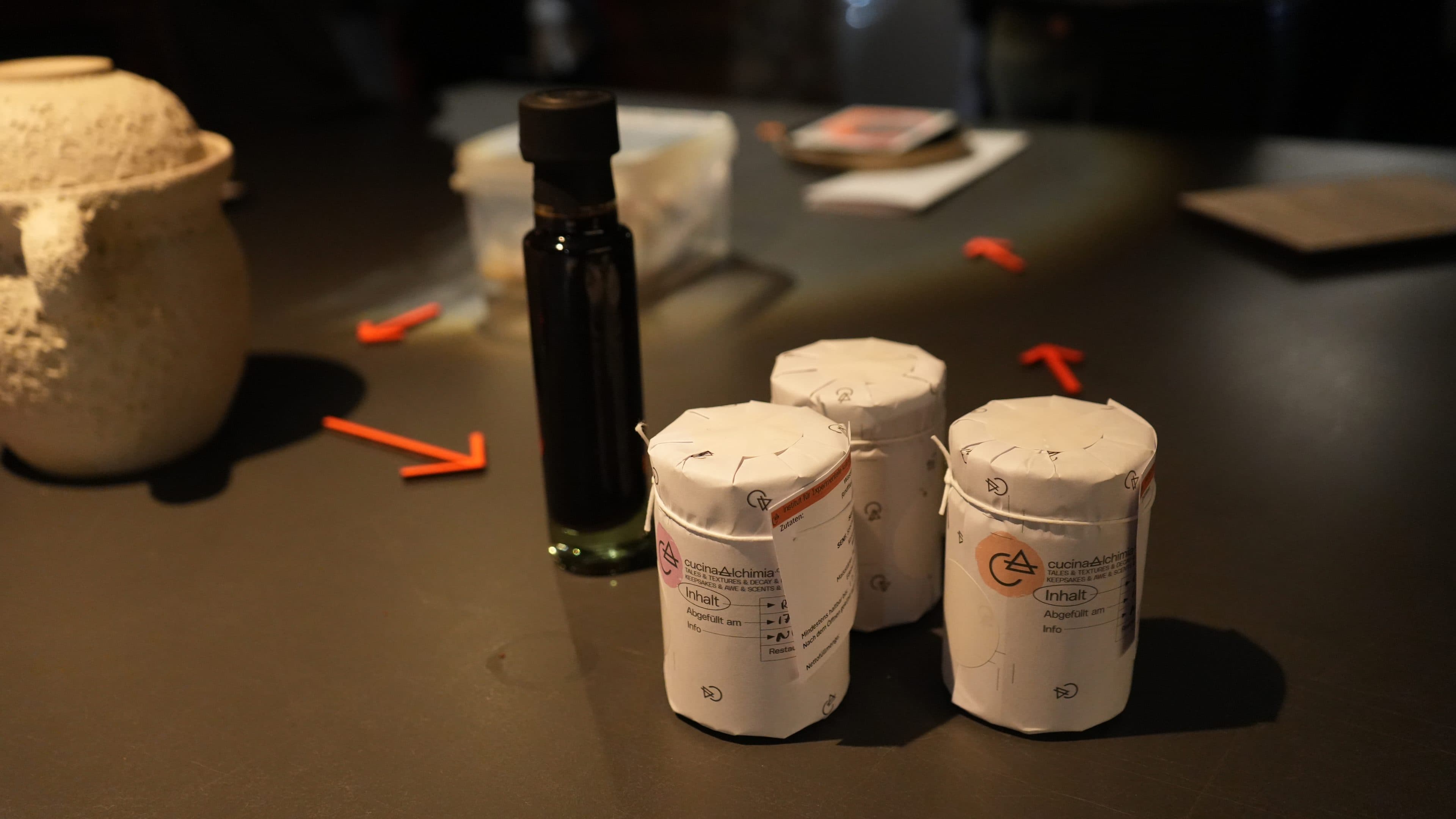
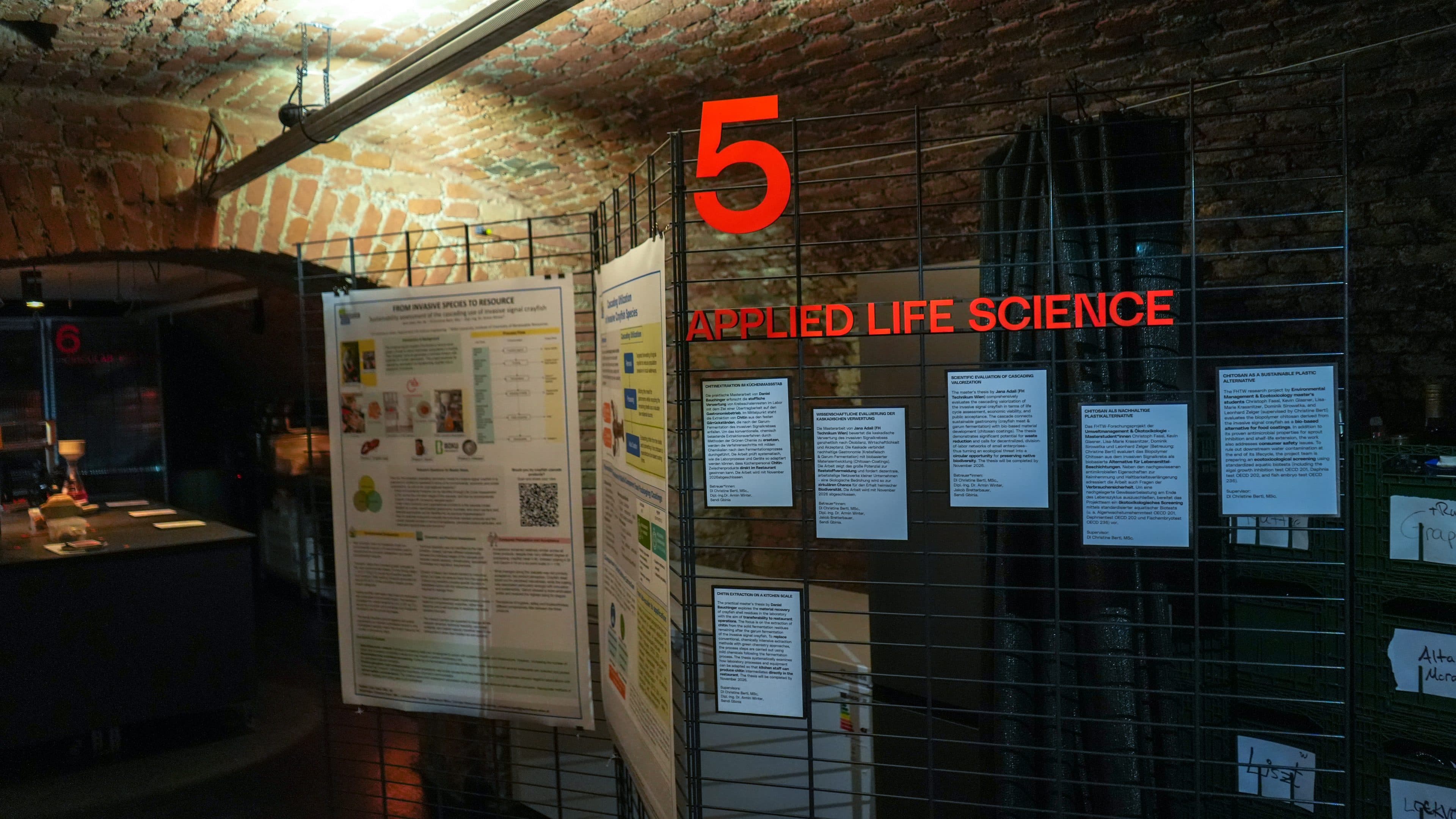
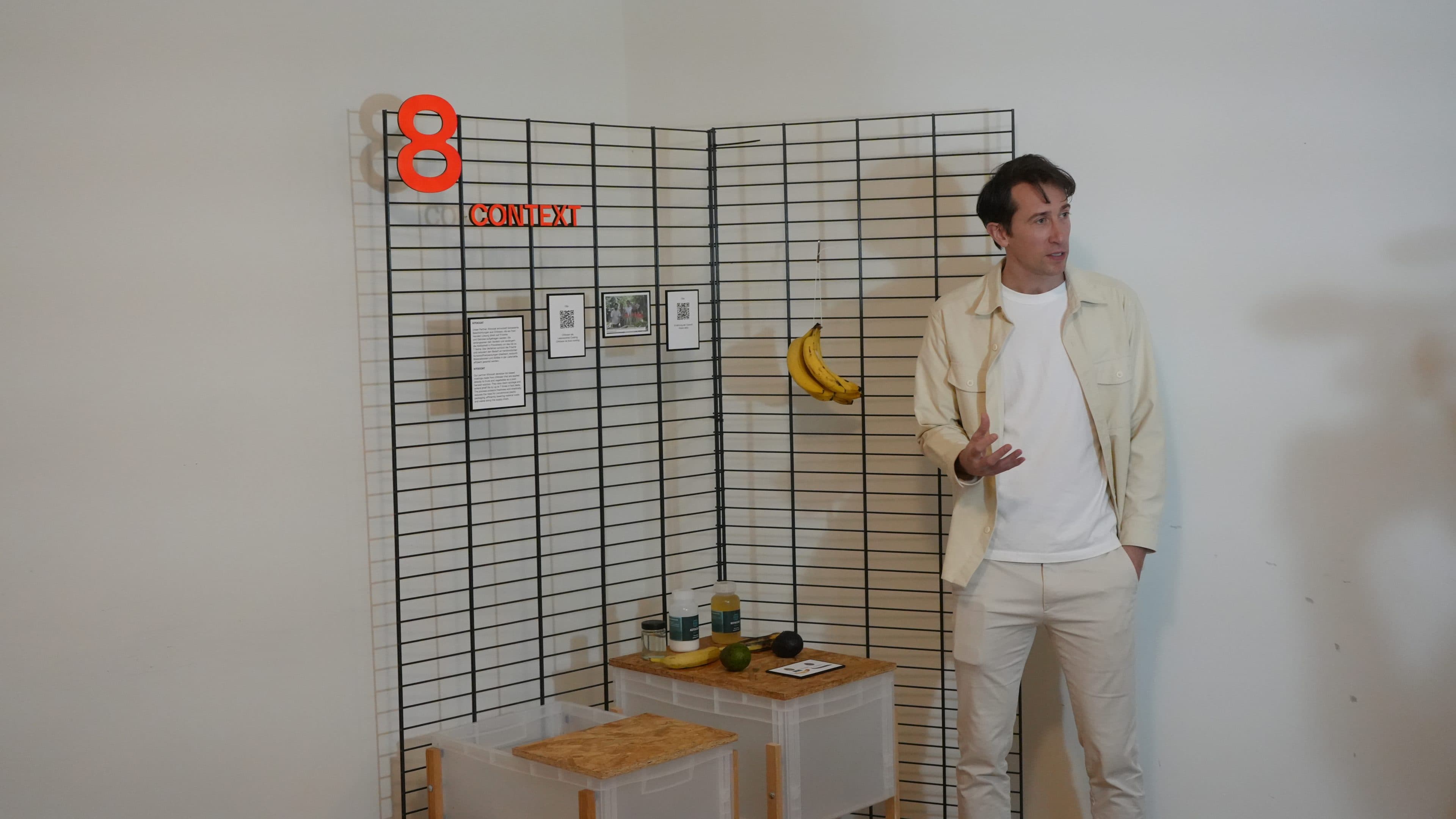
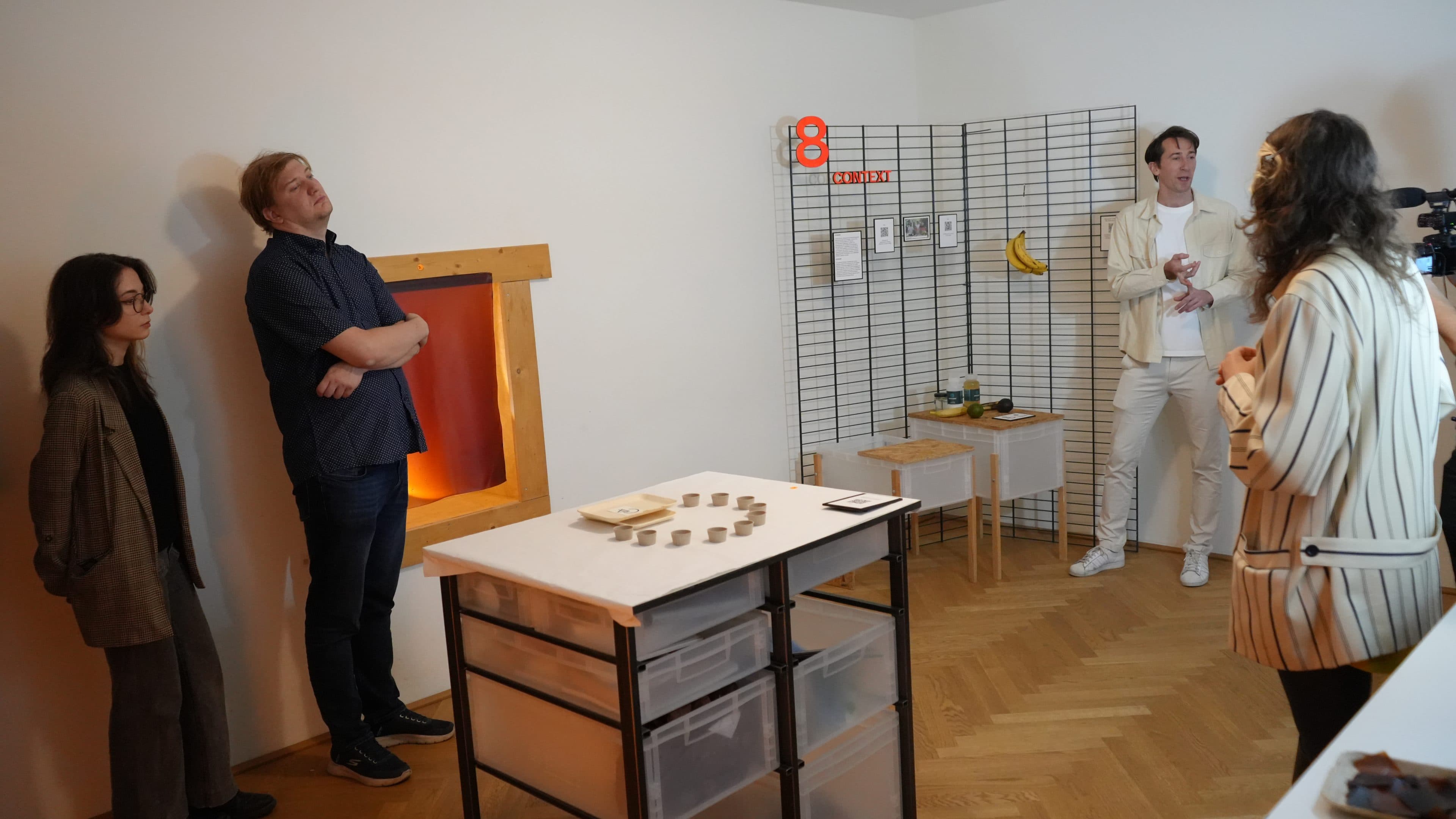
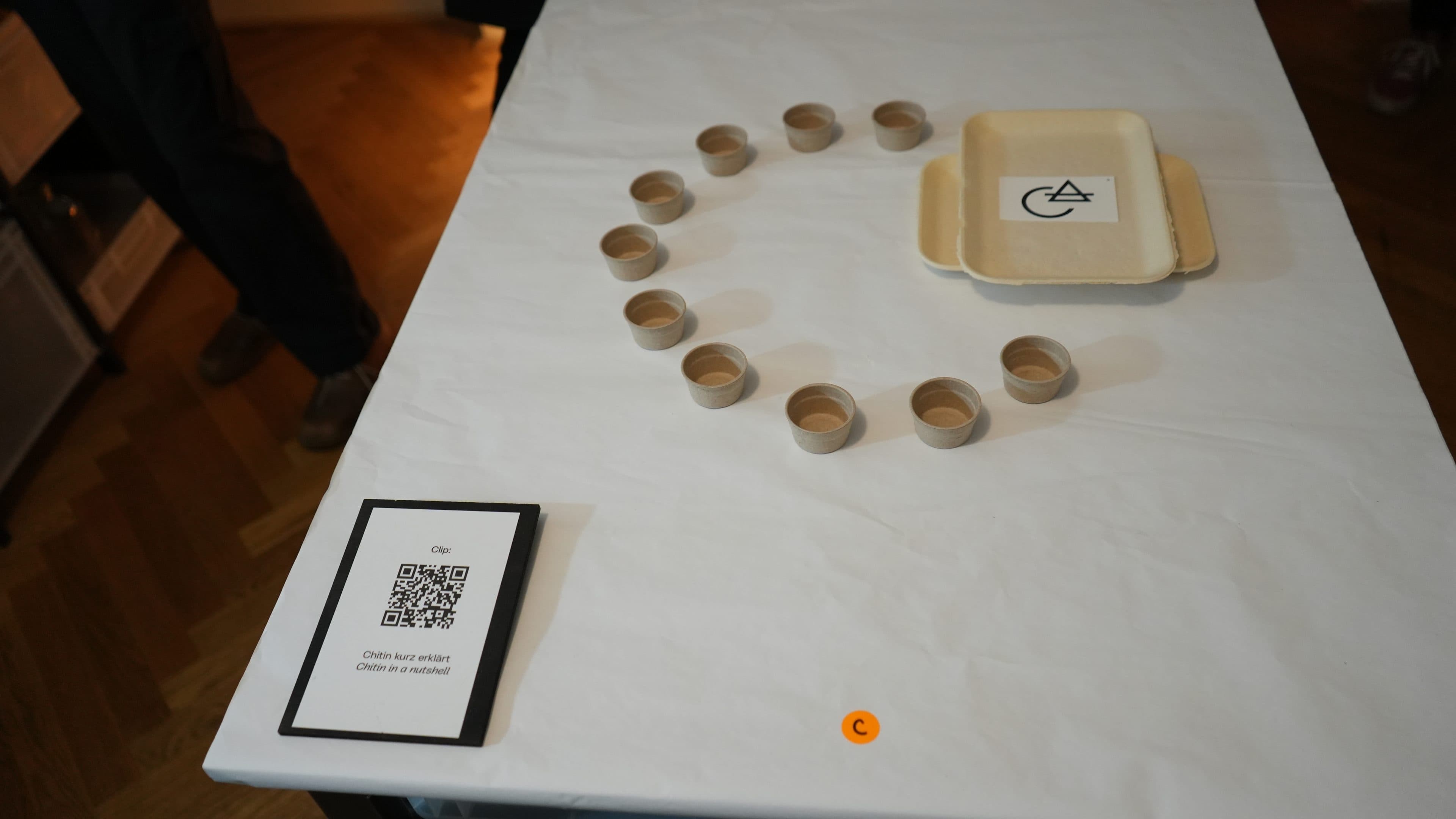
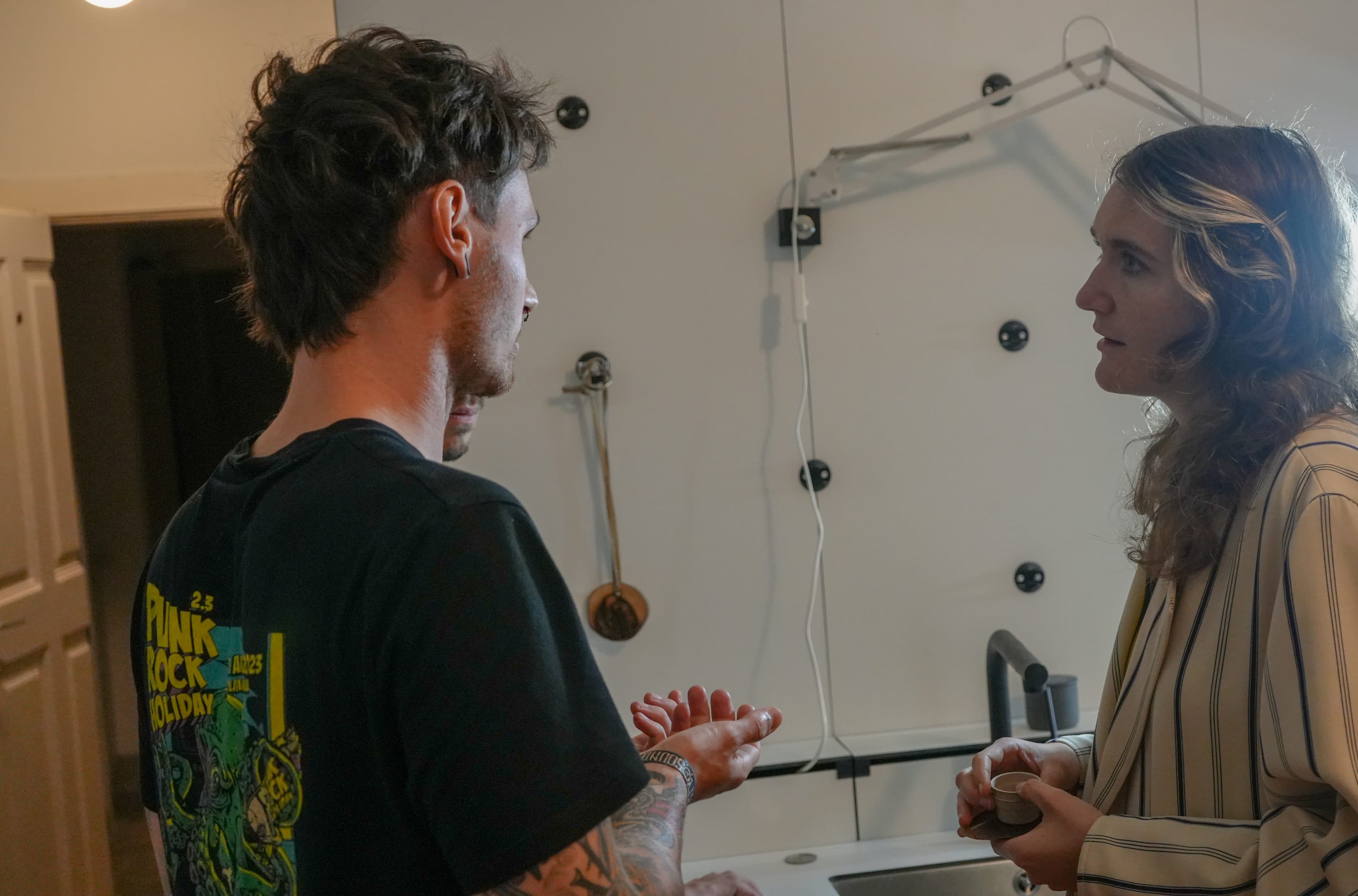
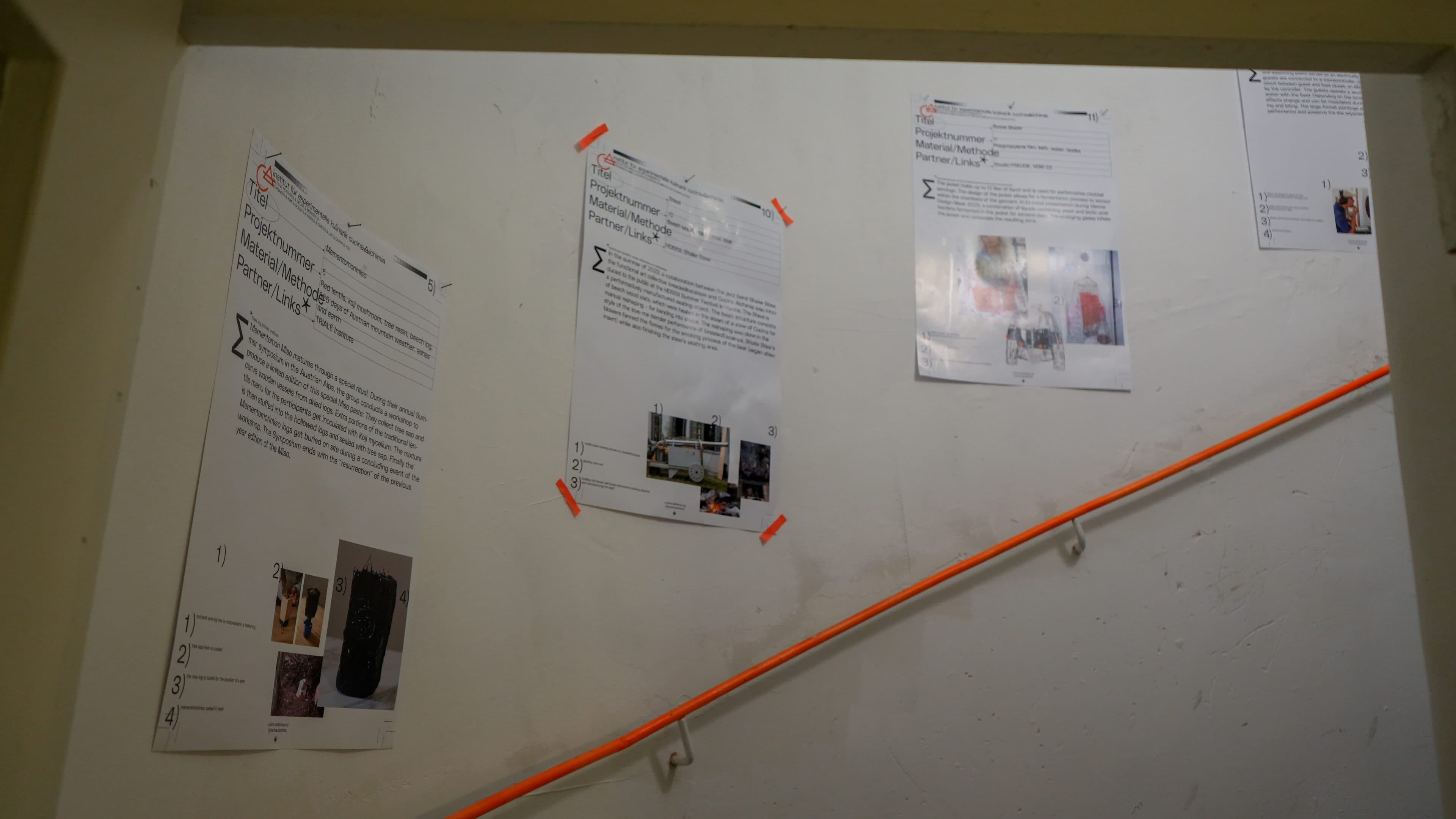
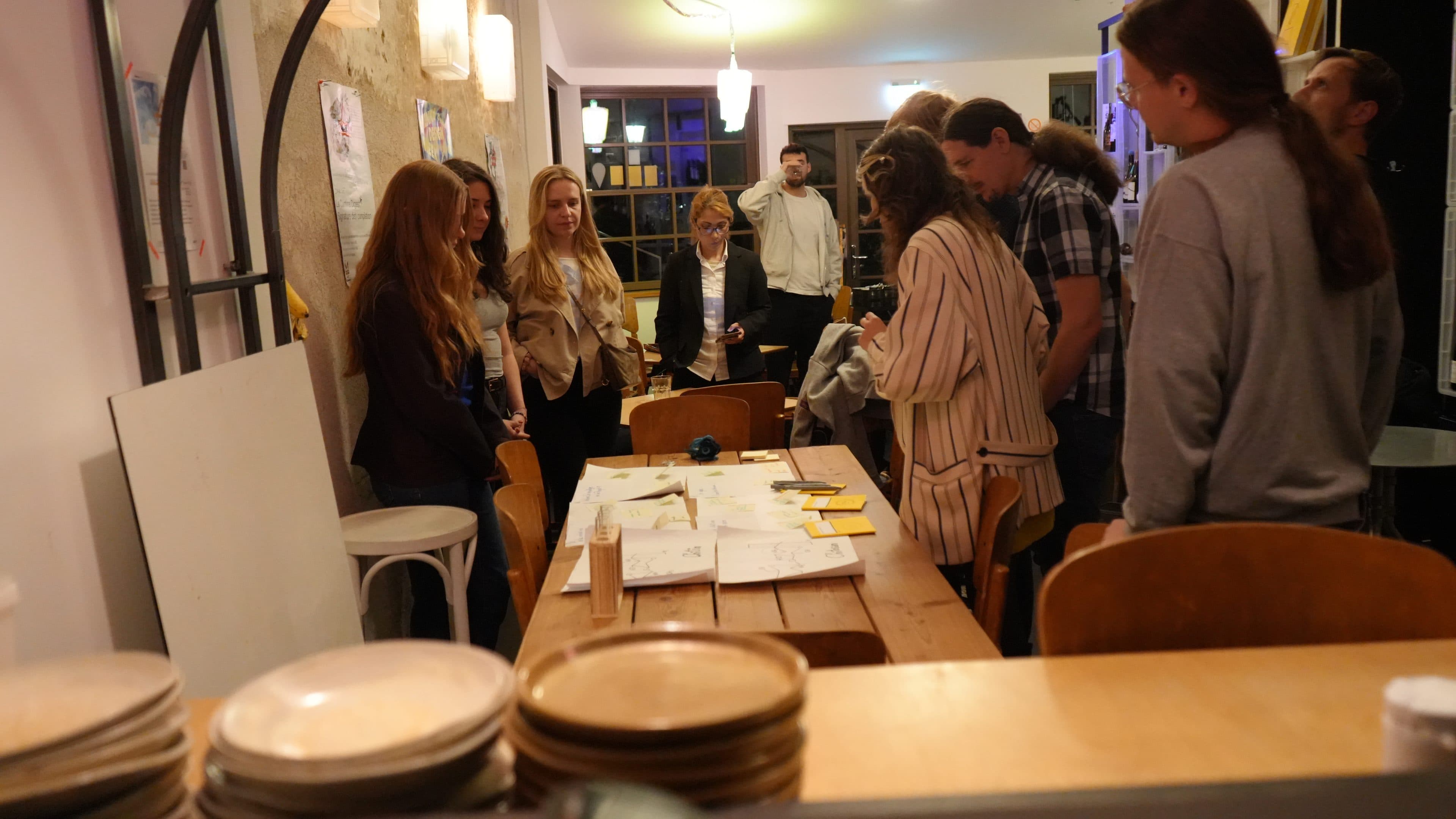
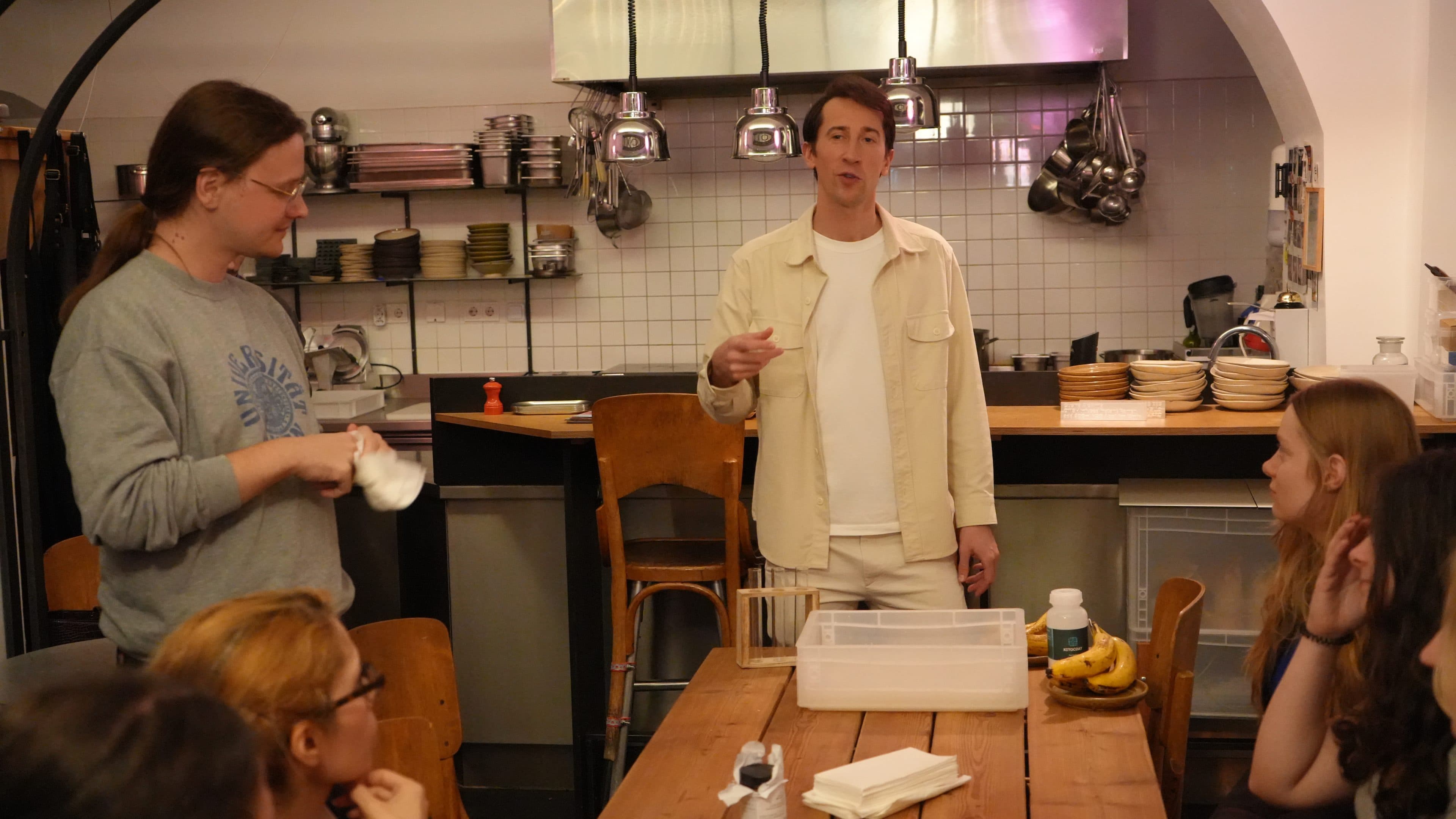
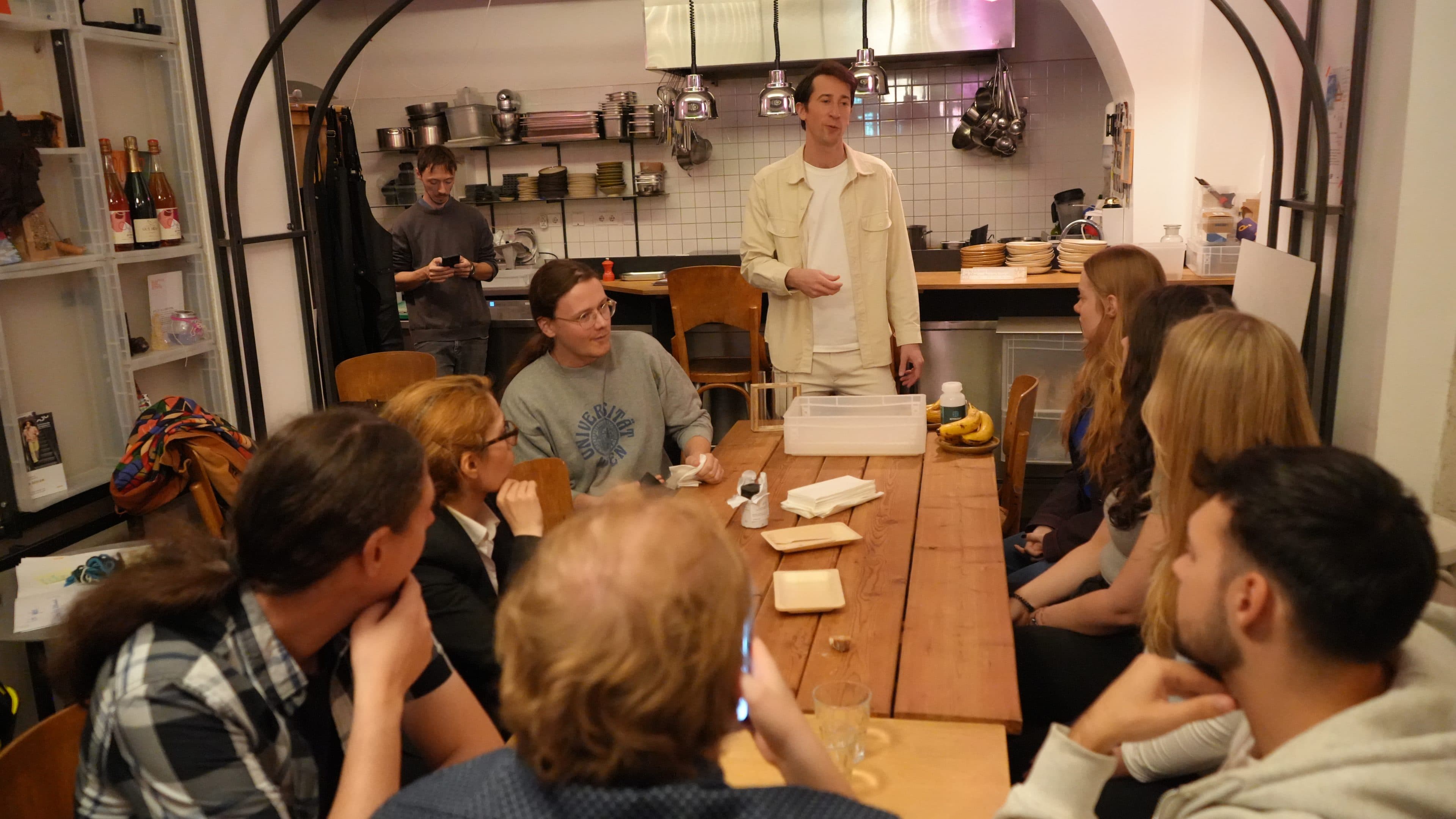
Attendees could experience the implementation firsthand through several program events. On September 29, 2026, the team presented the concept at a restaurant in Hietzing, accompanied by tastings such as crayfish spreads. Workshops, an exhibition of applied material experiments, and a Science Brunch on September 27, 2026, combined sustainable gastronomy with applied materials research and circular design. Visitors were able to literally taste, test, and discuss circular material innovation.
A Strong Network for Circular Innovation
The project is supported by a collaboration between UAS Technikum Wien, BOKU—University of Natural Resources and Life Sciences, Vienna, the restaurant Cucina Alchimia (Michael Moser and Sendi Gbinia were in attendance), the spin-off Kitocoat, a spin-off of the Royal Institute of Technology in Stockholm (founder Michael Neumann was on site), and the Rohrbach Fishing District under Thomas Koller.
Direct Integration into Teaching and Applied Research
The challenges and proposed solutions of the FFG-funded pilot project are directly incorporated into teaching and applied research at UAS Technikum Wien. The project is being continued through ongoing collaborative master’s theses, practice-oriented student research projects, and industry-related work in the degree programs in Ecotoxicology and Environmental Management (Master’s) and Bio-based Products and Processes (Bachelor’s program).
Through this direct integration into the curricula, students acquire skills in the circular bioeconomy and biodiversity and apply methods of Green Chemistry and Safe and Sustainable by Design (SSbD) directly to real-world, industry-relevant problems.
Further Information:
Technikum Podcast:
Invasive Crayfish as Food and a Plastic Substitute
Faculty of Life Science Engineering
Field of Expertise: Chemical Engineering & Ecotoxicology
Master’s program in Environmental Management & Ecotoxicology
IF YOU CAN’T BEAT THEM, EAT THEM — Vienna Design Week
From the Plate to the Lab: Packaging Made from Crayfish Shells – News – W24
Video About The Signal Crayfish Project:
Please accept cookies for external media to view videos
Picture Gallery: