Next Stop Oxford: How Sustainable Travel and Language Training Go Hand in Hand
16 April, 2026
Staff members from UAS Technikum Wien improved their English skills in Oxford. Lecturer and researcher Florian Wimmer describes his first experience participating in the language course program.
Every July, staff members from UAS Technikum Wien travel to Dublin for a tailored English language course – with great success and equally great enthusiasm.
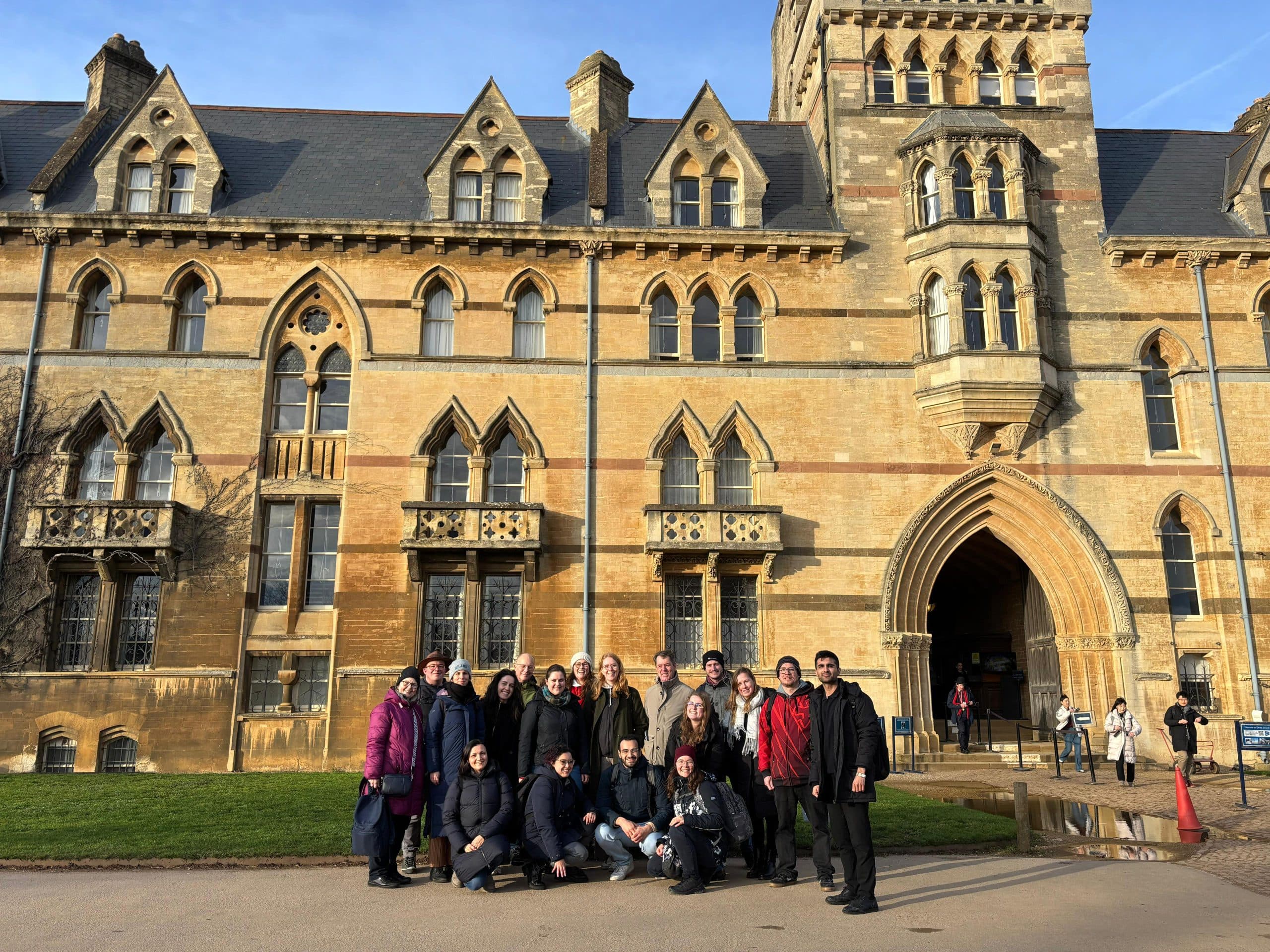
In 2026, the successful format was extended: Dublin became Oxford. Under the motto “UASTW goes Oxford,” the program set off in February with a new destination but the same proven quality. The language school was already familiar from Dublin, and the overall structure remained the same – only the setting changed.
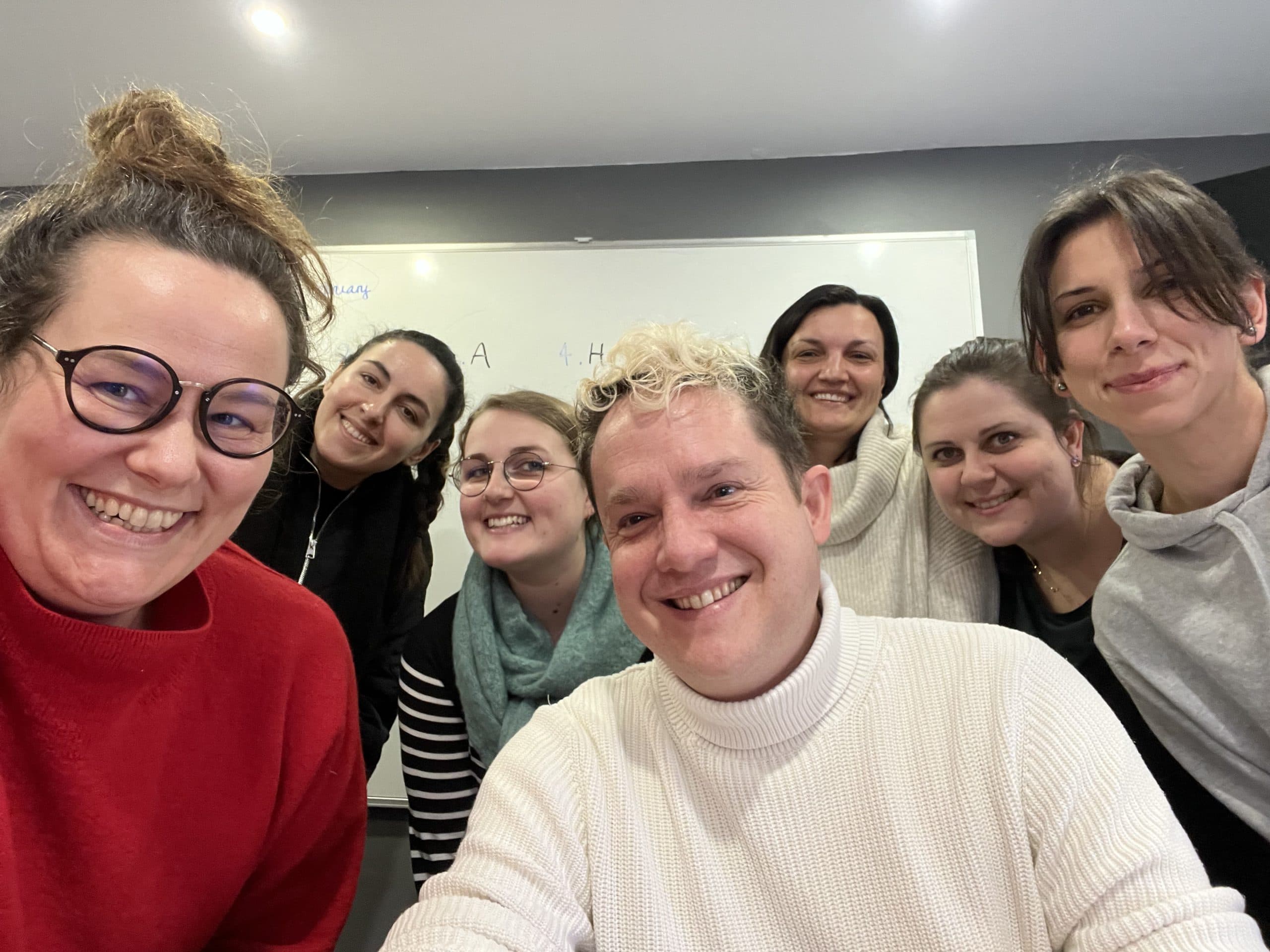
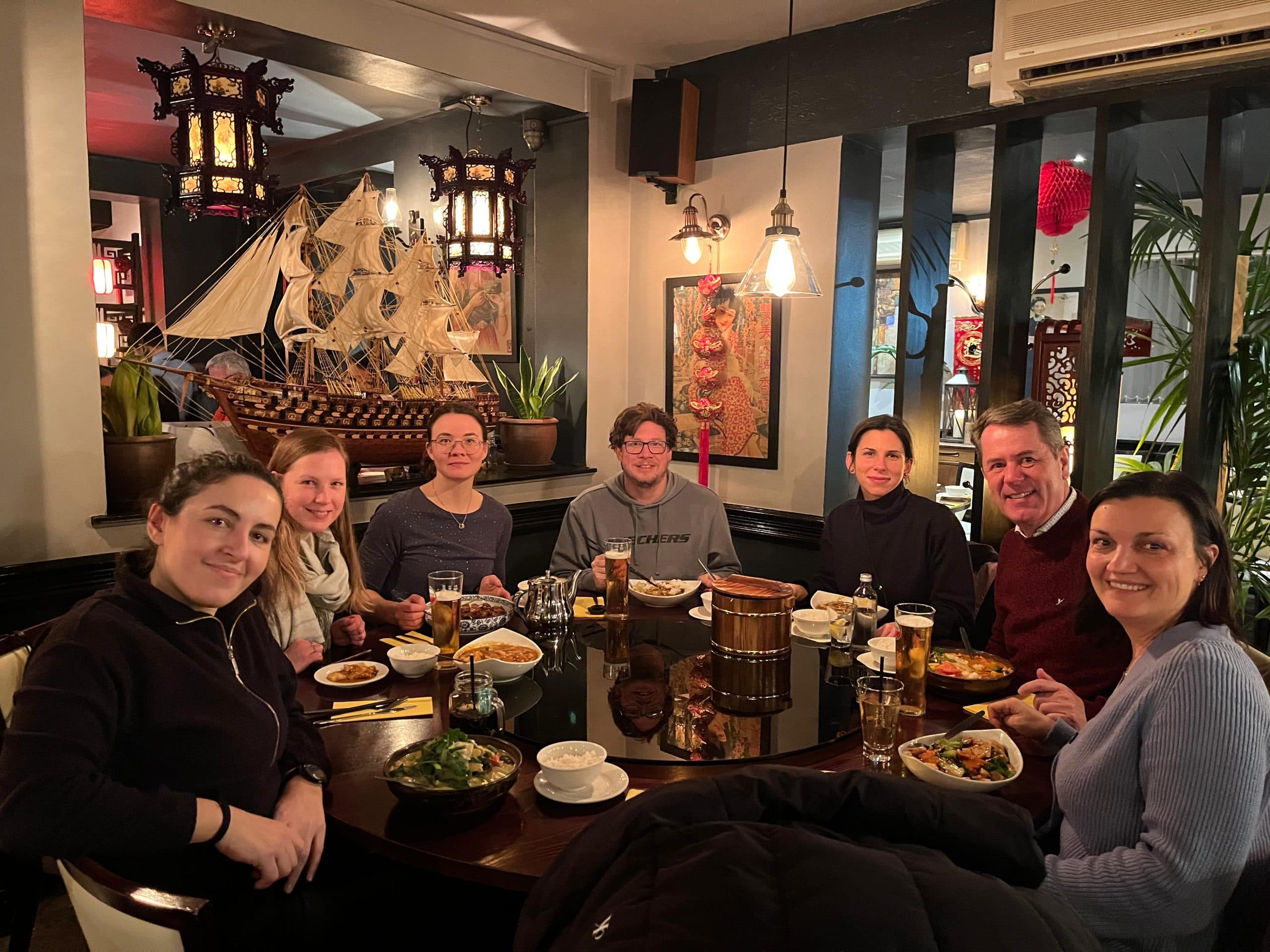
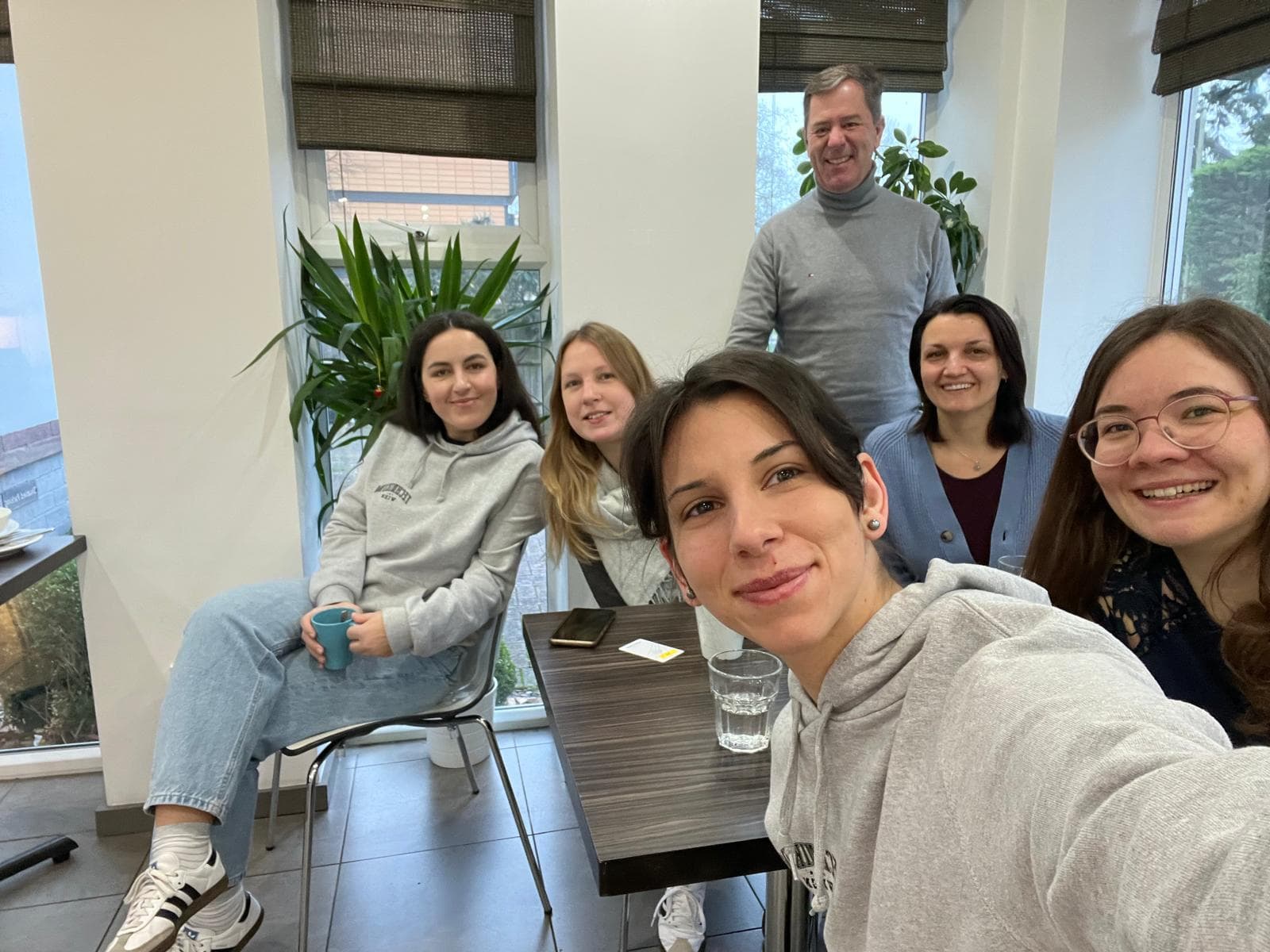
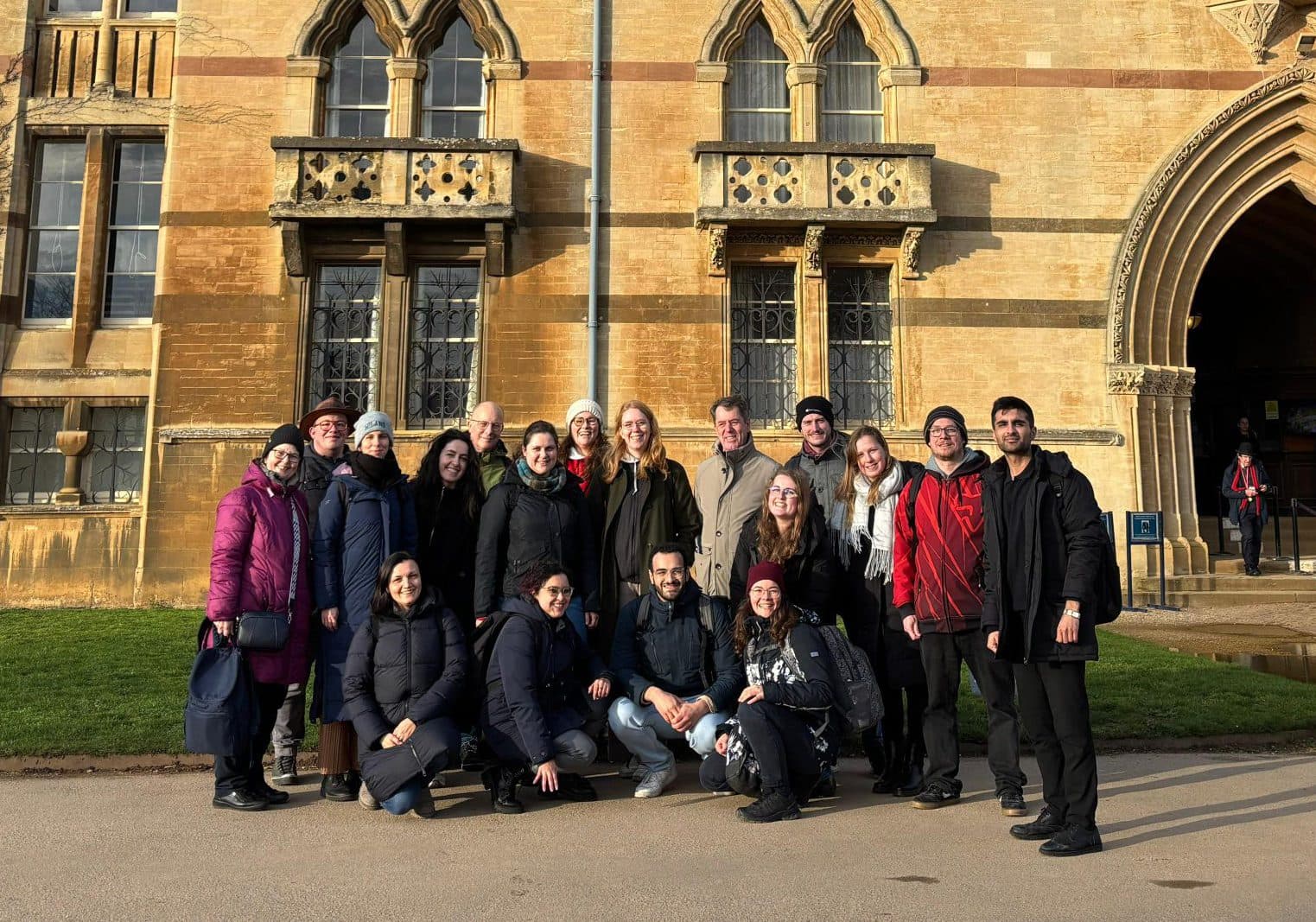
Eighteen colleagues from a wide range of departments and across all faculties took the next step. As the first group, they set out for historic Oxford. With curiosity, openness, and a spirit of adventure, they embarked on a new chapter of international professional development.
This program is supported by Erasmus+: as part of a Training Mobility, travel and accommodation costs as well as the language course itself can be funded. It becomes even more sustainable for those who choose environmentally friendly travel options, as they may receive a higher travel grant. Green travel to the United Kingdom – is that even possible? Absolutely. Florian Wimmer, Junior Lecturer/Researcher at the Faculty of Electronic Engineering & Entrepreneurship, shows that sustainable travel and international mobility can go hand in hand.
For him, it was his first time participating and a truly special experience:
Background & Motivation:
Why did you decide to take an English course in Oxford?
Florian Wimmer: Like most people, my last formal English course was at school. While speaking English has become more usual over time, many mistakes have crept in and stuck, and most of the theoretical knowledge has been forgotten. I saw this as a great opportunity to identify those mistakes and review the underlying theory.
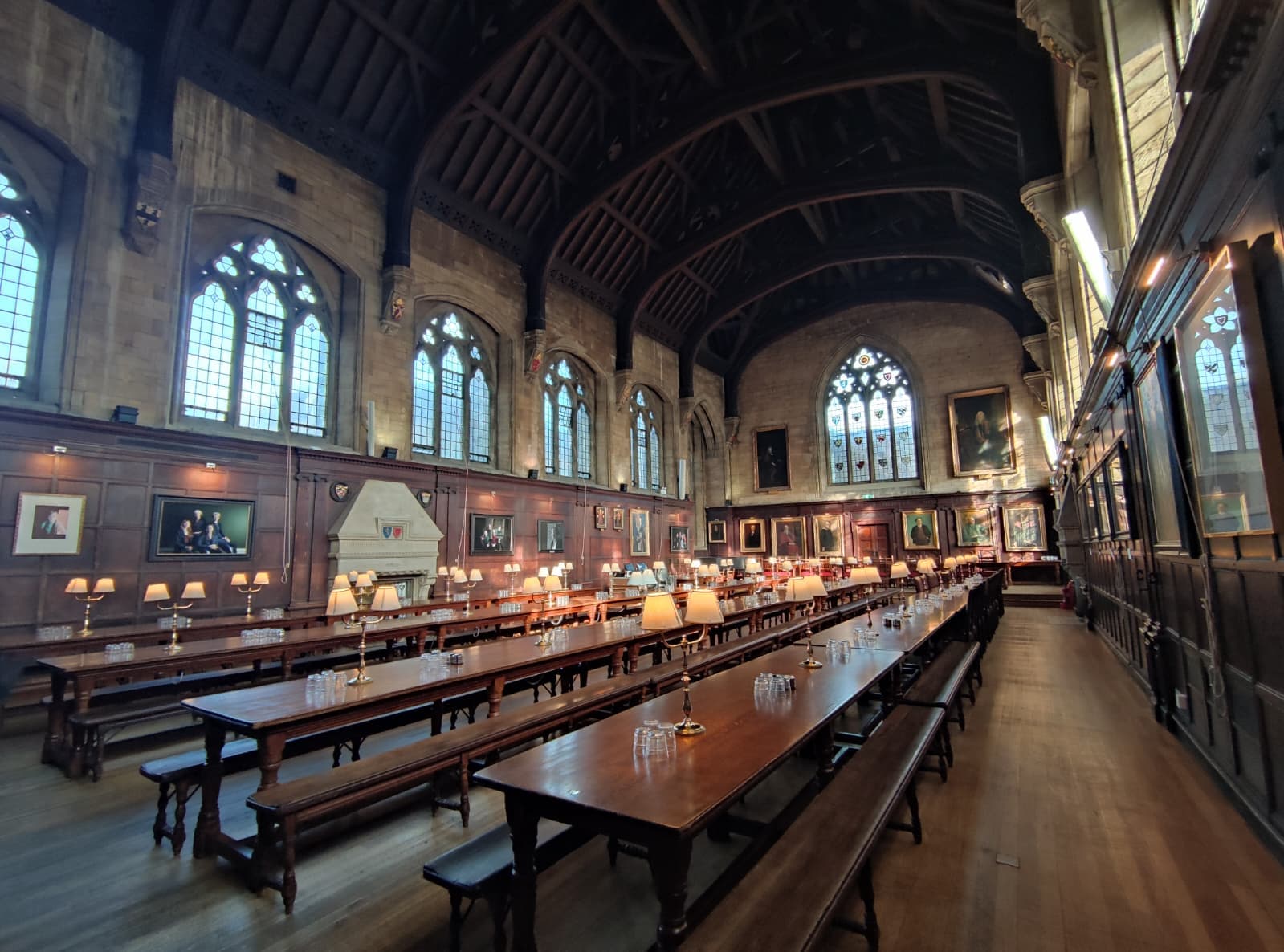
An added bonus, of course, was the chance to explore Oxford and its surroundings. Personally, I might never have traveled there otherwise, and I would have missed out on this impressive university city.
What role does English currently play in your professional life at the university?
Florian Wimmer: As a Junior Lecturer/Researcher, English affects me in two main areas. First, in teaching, as I am required to teach in English. Second, in research – it’s virtually impossible to conduct meaningful research without it. Even during breaks, English can be necessary to communicate with colleagues. So overall, English is a daily companion.
Travel & Mobility:
Why did you choose a climate-friendly journey from Vienna to Oxford?
Florian Wimmer: Beyond environmental considerations, I find train travel far less stressful – you can simply board without having to factor in time buffers for security and baggage checks.
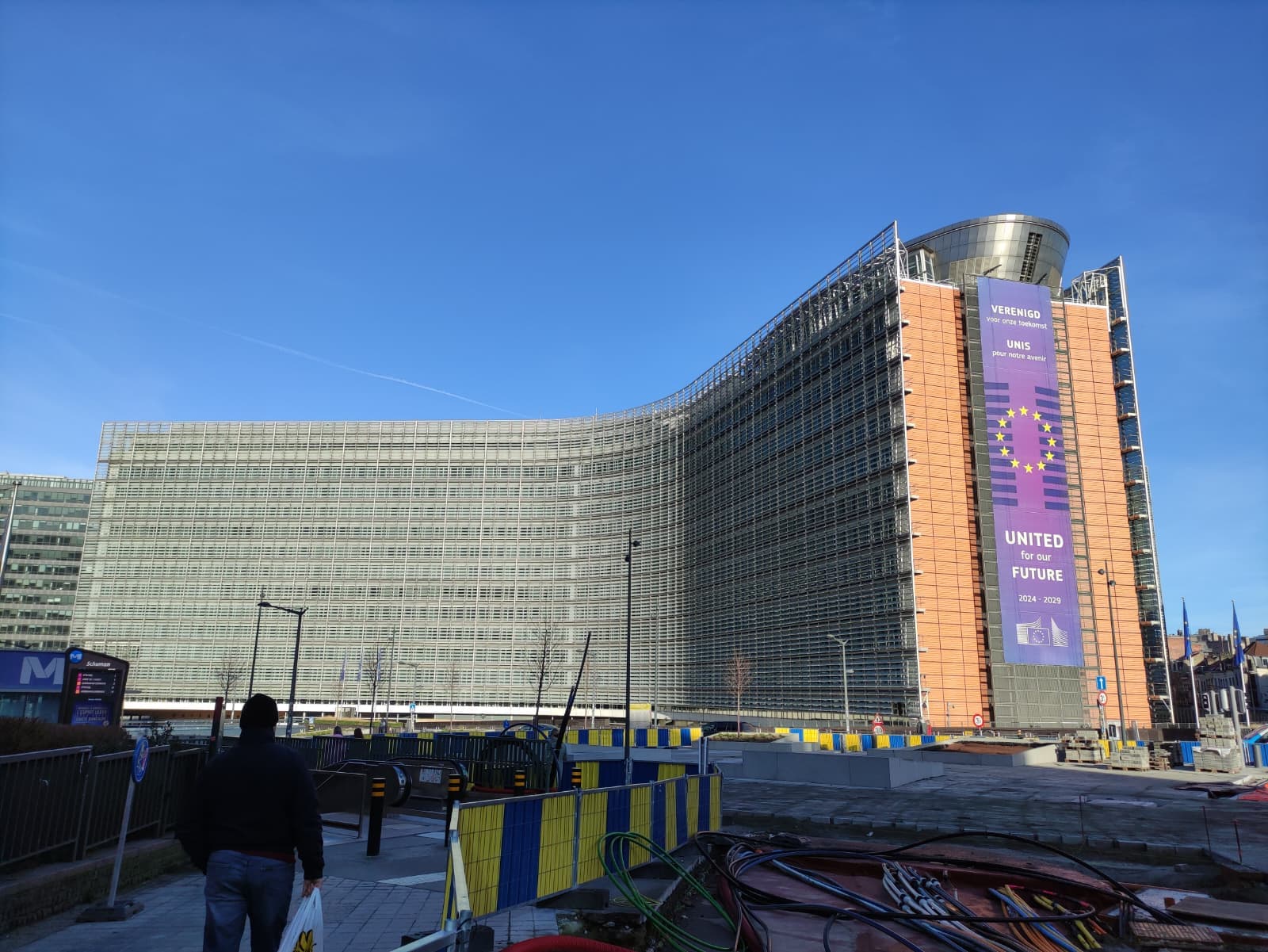
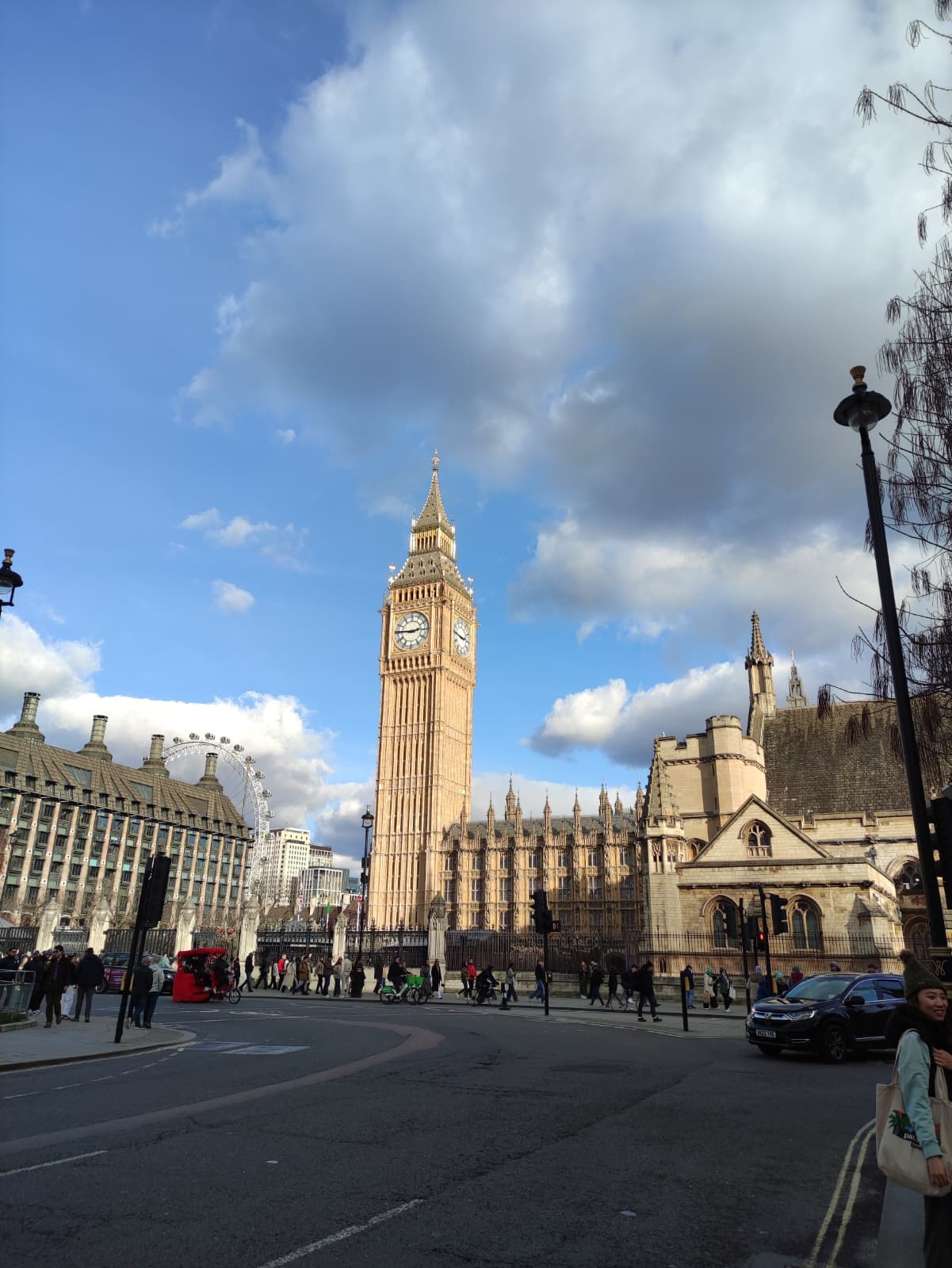
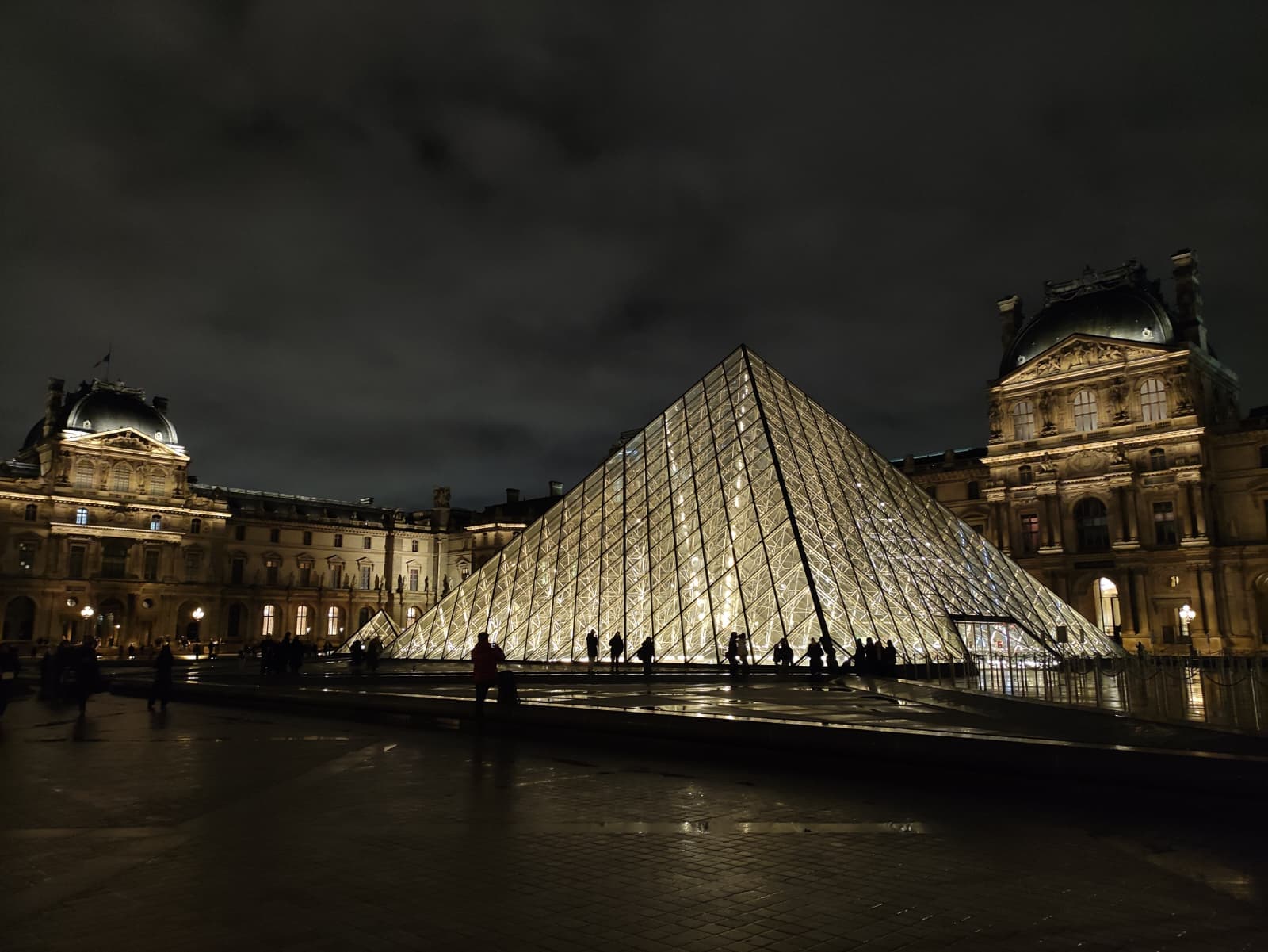
Overall, the journey does take significantly longer (around 20 hours instead of about 8), but unlike at the airport or on a plane, the time on the train can be used very productively. Another motivation was adding a short private stay along the way. On the outbound journey, I spent a night in Brussels; on the return, three nights in Paris. I had never visited either city before, so it turned into a truly memorable trip.
How easy or difficult was it to organize sustainable travel?
Florian Wimmer: Planning was definitely more complex, although I also wanted to make the most of the time. It could probably be done with less effort, and it would certainly be quicker the second time around.
Were there any highlights during the train journey?
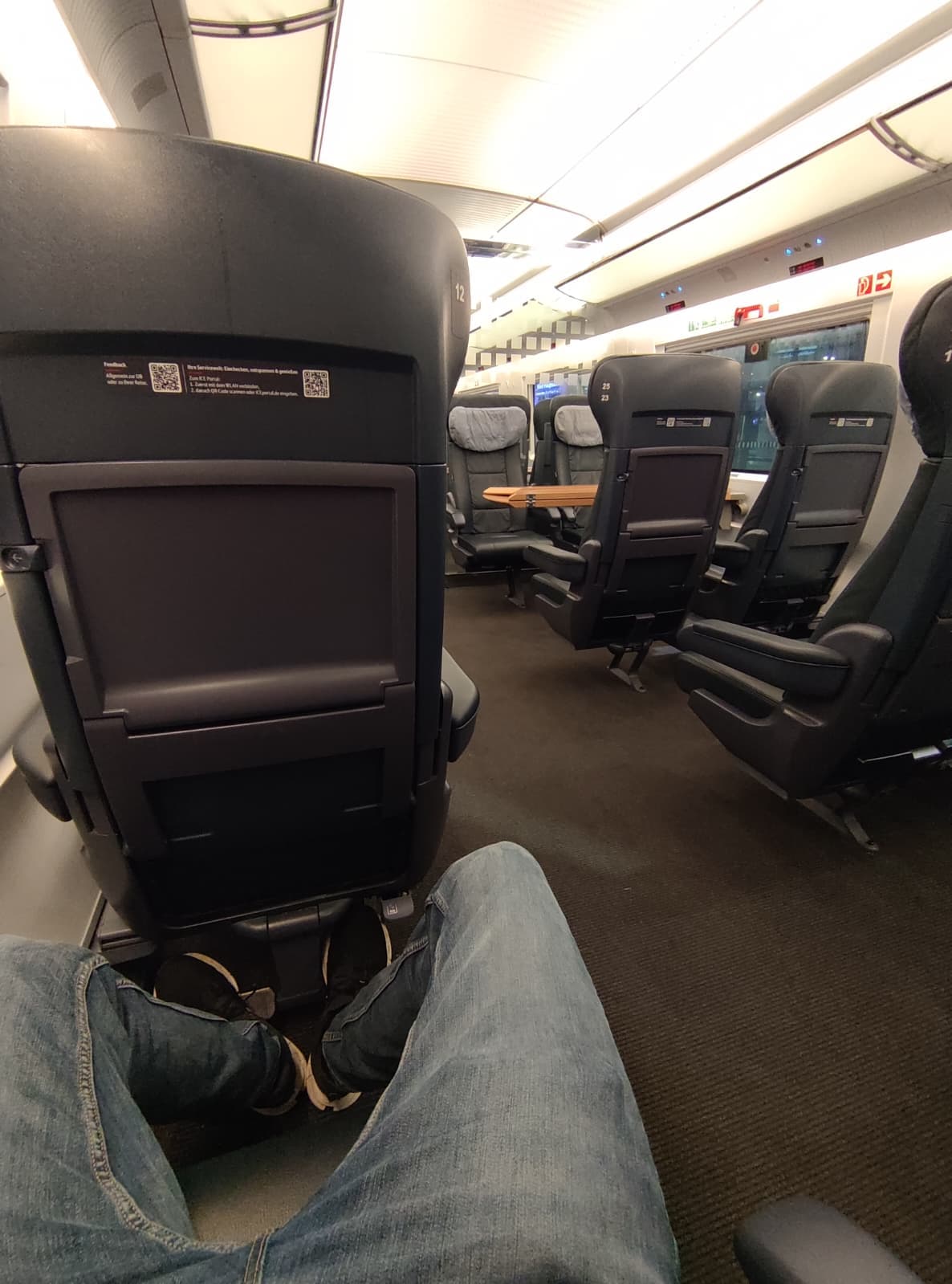
Florian Wimmer: A highlight was the Eurotunnel, although in practice it’s not that different from an Alpine tunnel. I was lucky to get a first-class Interrail ticket through a promotion, so my journey under the sea even included food and drinks.
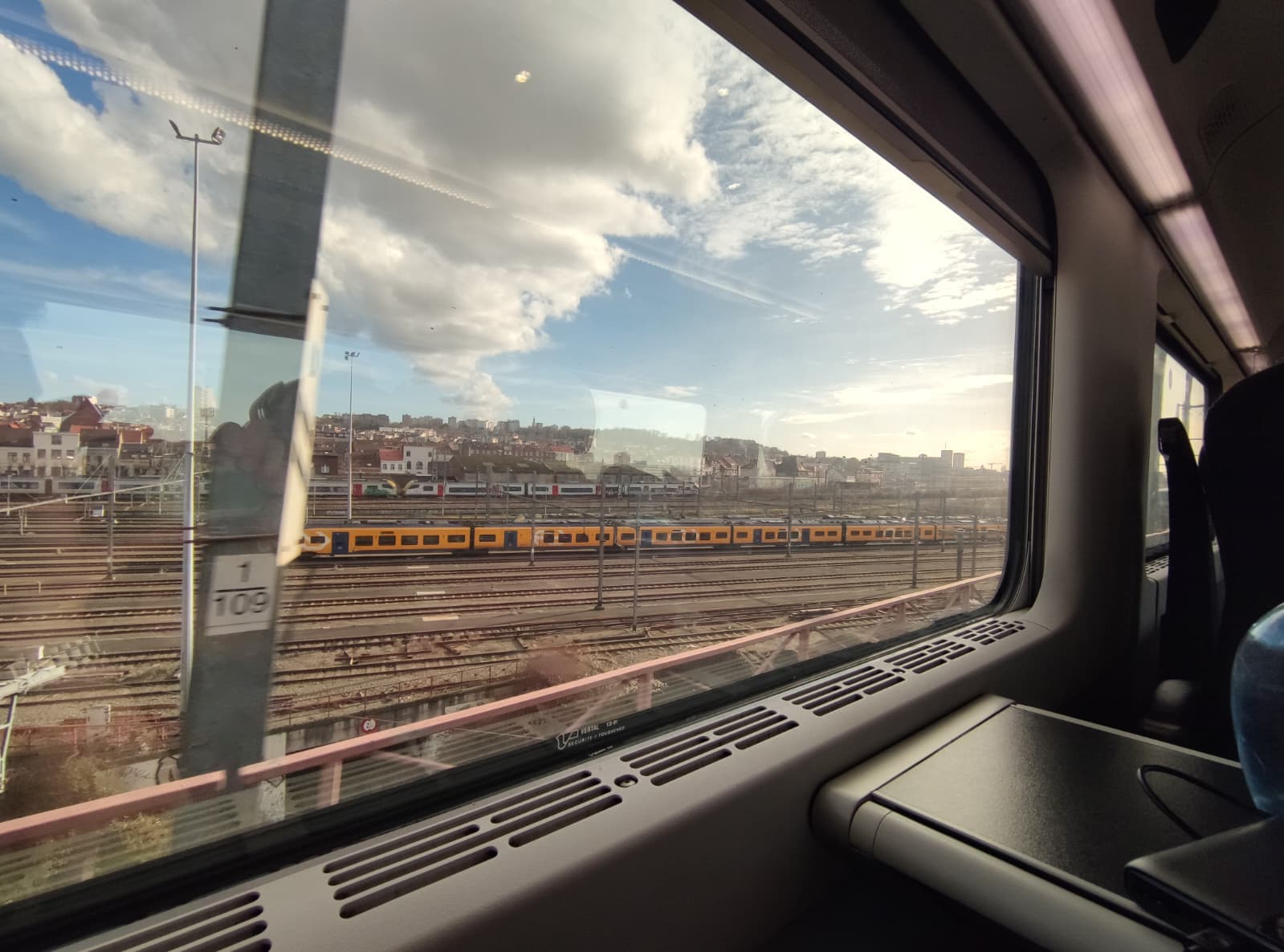
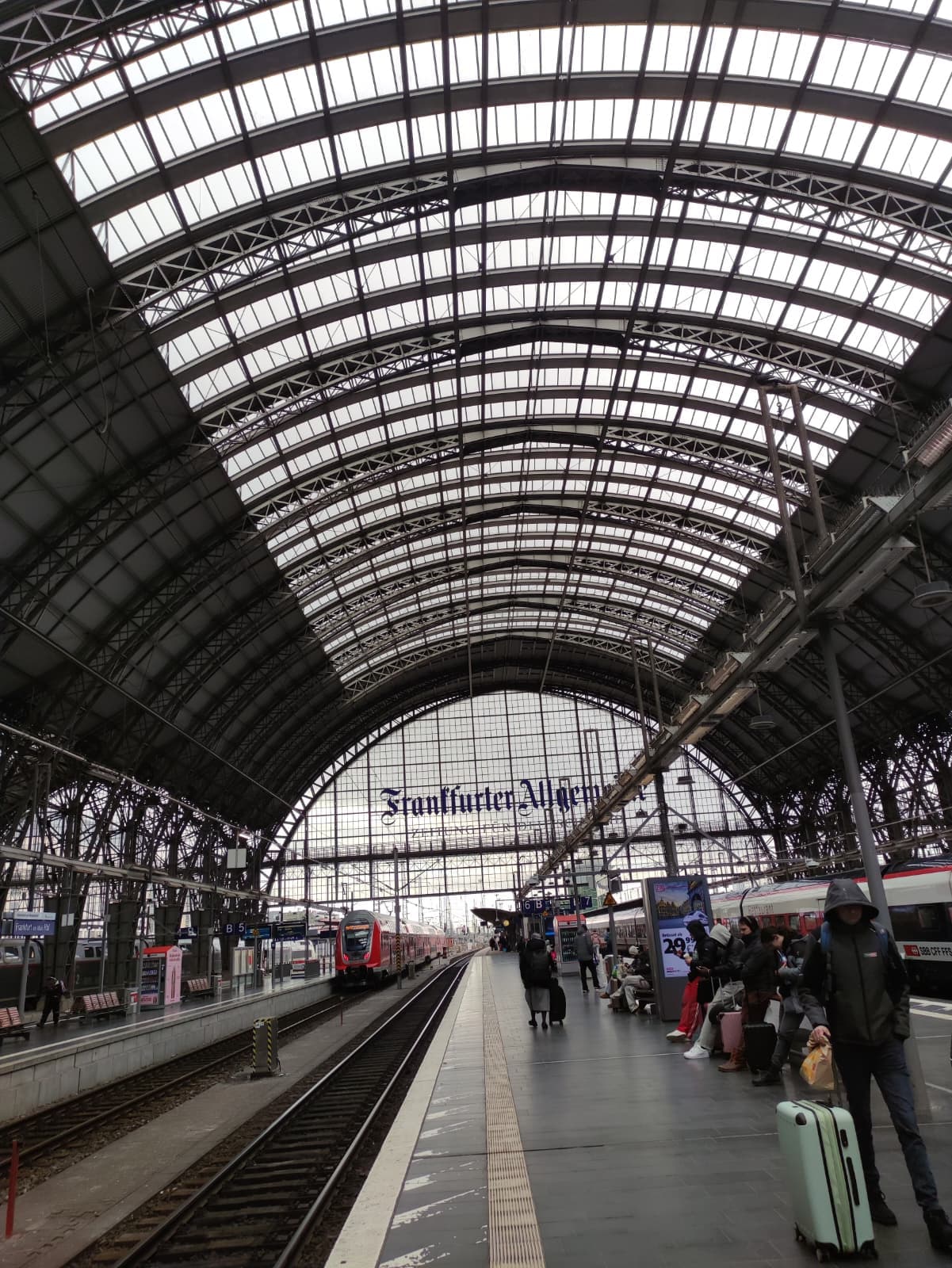
It was also impressive how many high-speed rail segments there were. I spent about half the journey traveling at around 300 km/h. In addition to the Eurostar, I also got to try other well-known train services such as TGV and ICE. And of course, there were Paris and Brussels…
What support or incentives would make sustainable travel easier for participants?
Florian Wimmer: Most UAS Technikum Wien guidelines and examples are designed around air travel. A few guidelines for train travel would be helpful to give an overview of what’s possible.
The longer travel time shouldn’t be seen as a barrier, as time on the train can be used effectively unlike most of the time spent flying. This is something the university should actively promote. Sustainable options should be communicated more clearly, as some participants told me they weren’t even aware this was an option.
What advice would you give to others who want to travel sustainably?
Florian Wimmer: For longer distances, an Interrail ticket makes coordination and reimbursement easier. Only seat reservations need to be paid separately (note: these can be quite expensive, especially for the Eurotunnel, so budget accordingly).
Interrail tickets are often discounted, for example, during promotions like Black Friday. With some luck, you might even get first class for the same price, which is very convenient for working on the train. I’d also recommend combining the journey with short private stays along the way, it makes the travel time feel much shorter.
Course & Learning:
Which content or focus areas did you find particularly helpful?
Florian Wimmer: The course tried to address our specific roles as lecturers. It helped clarify the differences between British and American English. When speaking, questions naturally come up, and we had the opportunity to ask them at any time, which led to many interesting discussions.
How can you apply what you learned in your daily work?
Florian Wimmer: Some topics were very specific, such as giving feedback. It’s often small details that you can recall and apply in everyday university life.
Would you recommend the course to colleagues? Why?
Florian Wimmer: I would definitely recommend the course. It offers a unique experience and a different way of learning a language compared to studying in Austria. You become aware of your mistakes and weaknesses and can then work on them more effectively afterward.
It’s also an excellent team-building opportunity, as you get to know colleagues from various departments. So, it’s not just about improving your English skills – you also gain a completely new perspective on Technikum Wien.
Are you interested in doing a staff mobility? The International Office is happy to help: staff.mobility@technikum-wien.at
Further Information:
International Office – UAS Technikum Wien
From First-Time to First-Hand: Green Job Shadowing with Erasmus+
KUAS Delegation visits UAS Technikum Wien
Neighborhood Connections: A Visit to Comenius University Bratislava
Vienna Calling! UAS Technikum Wien Welcomes Incoming Students of the Summer Semester 2026
Picture Gallery: