Teaching Award 2026: UAS Technikum Wien Honors Outstanding Teaching
27 October, 2026
At the 2026 Teaching Awards, UAS Technikum Wien recognized a variety of teaching approaches that lead to success through clear learning processes, practical relevance, and innovative methods.
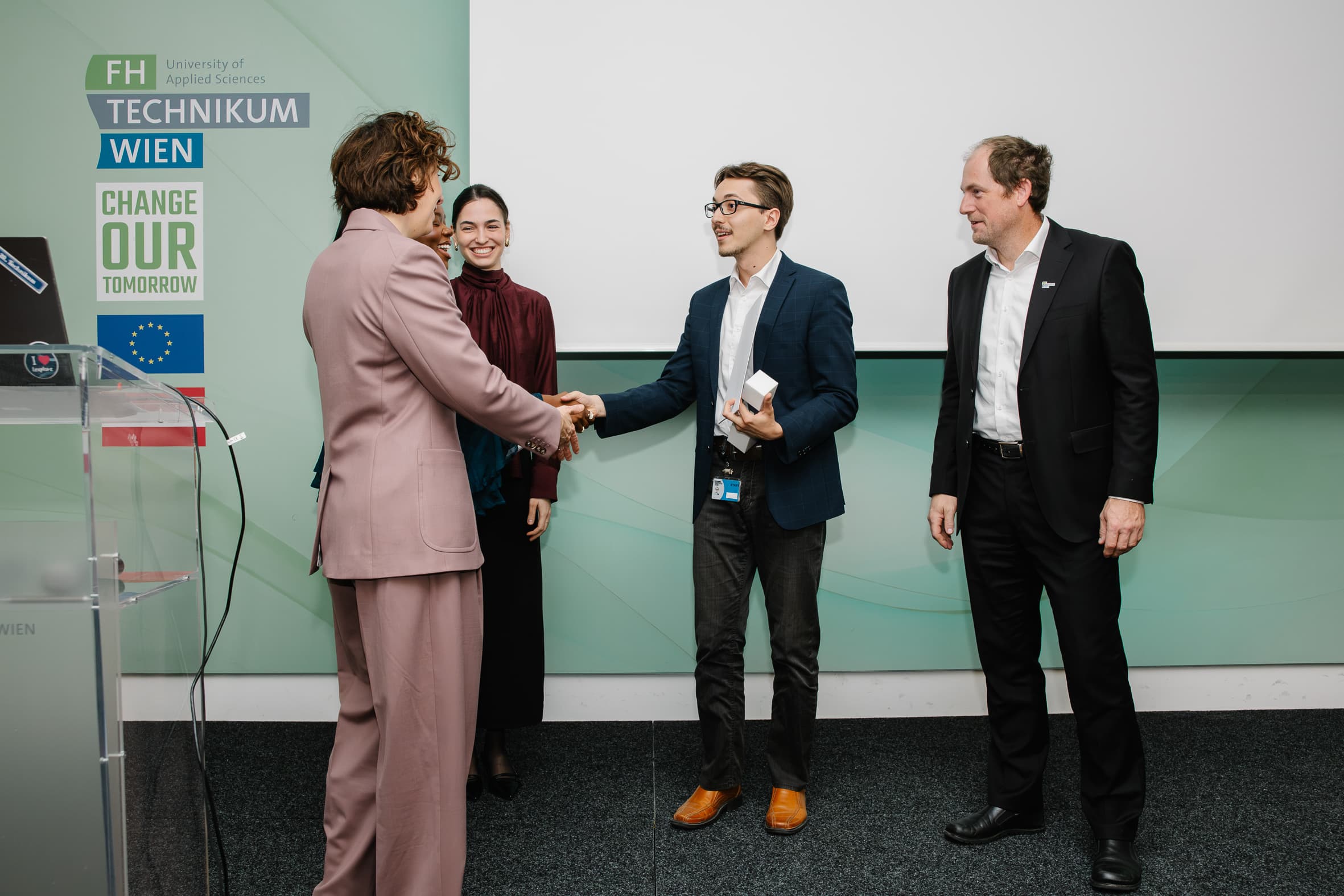
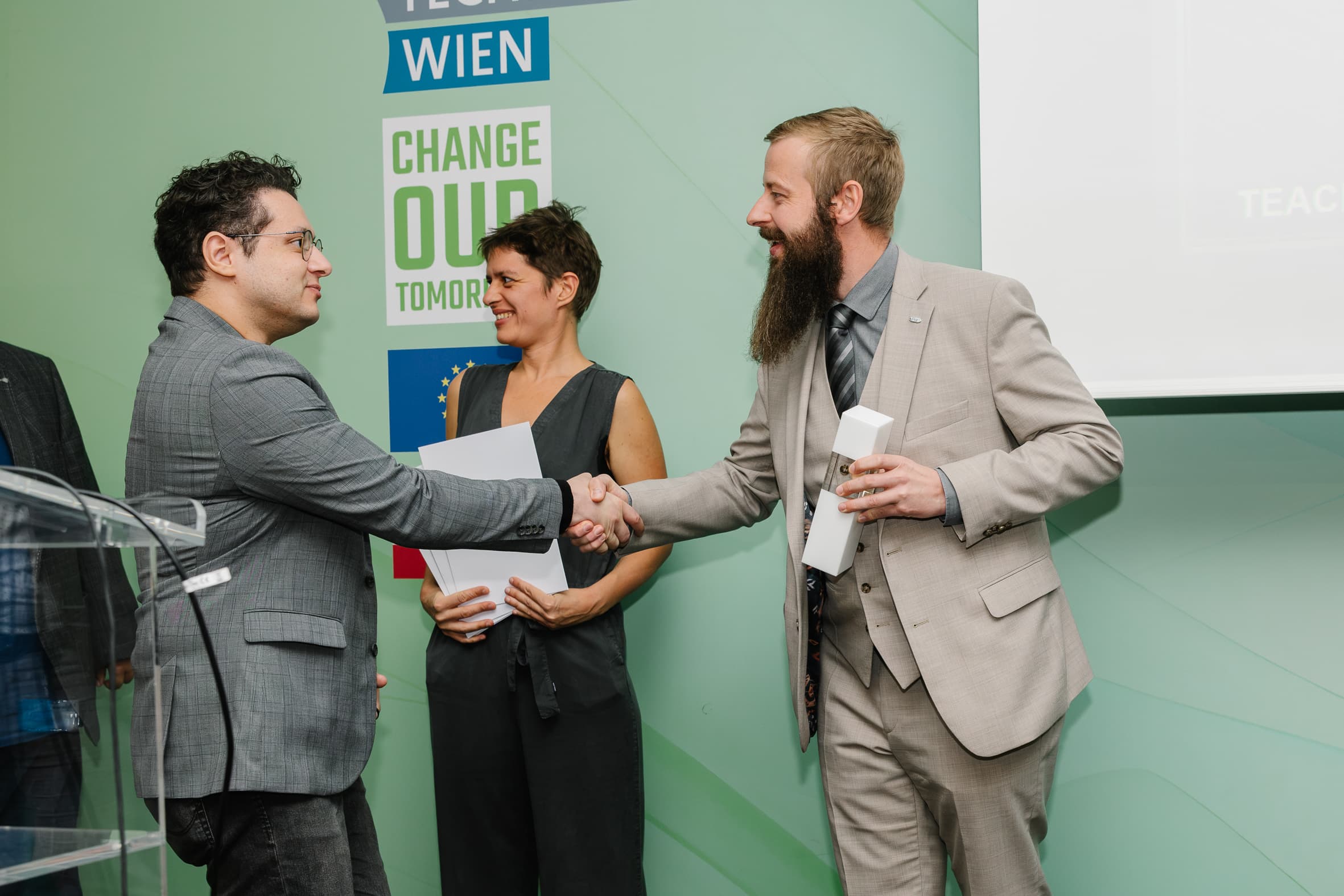
What makes for good university teaching? Dedicated instructors, well-thought-out teaching approaches, and a willingness to try new things. At the 2026 Teaching Awards on October 19, UAS Technikum Wien honored those faculty members who support their students’ learning through subject-matter expertise, innovative methods, and personal dedication. The Austrian Ars Docendi State Prize and the university teaching certification were also part of the gala evening.
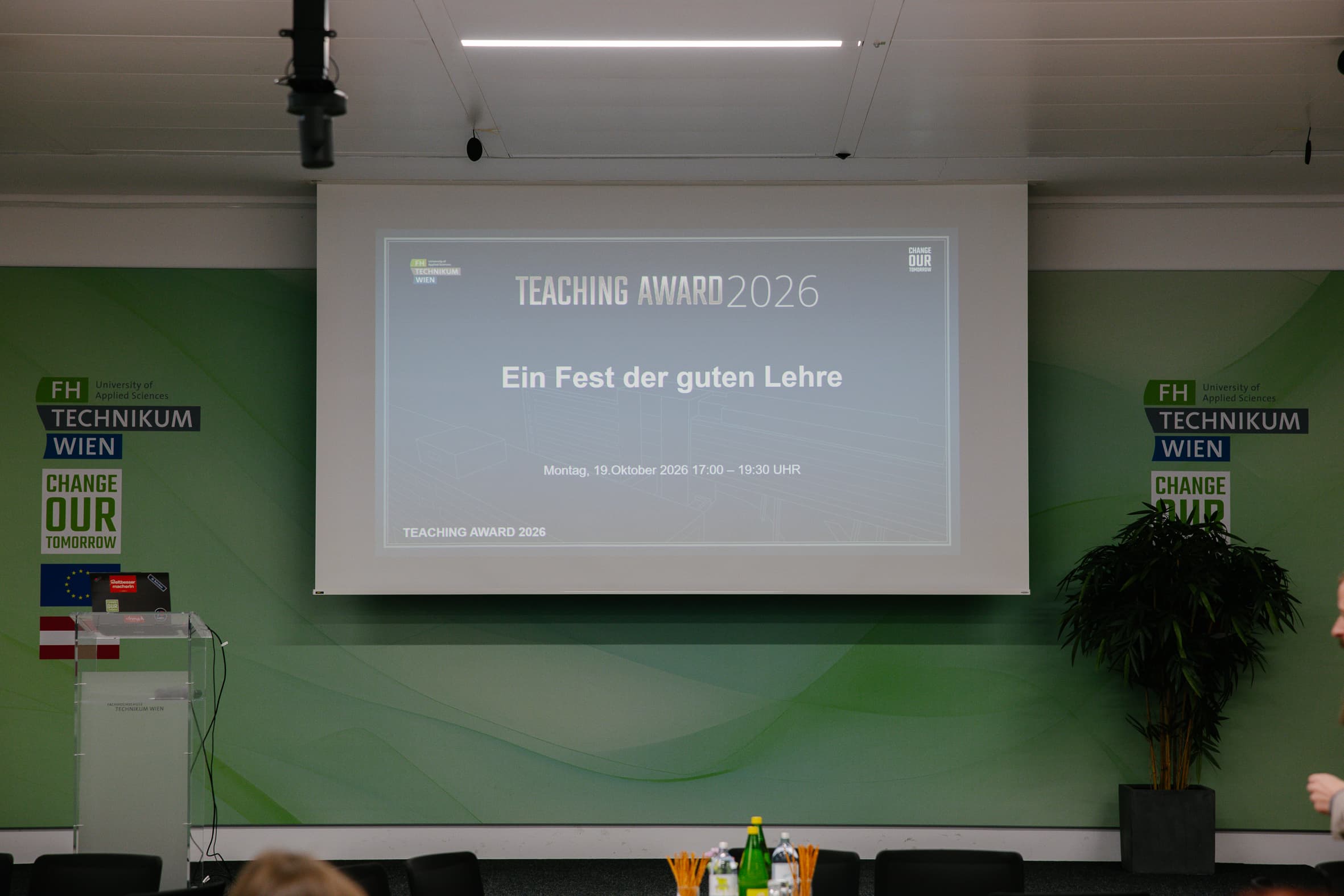
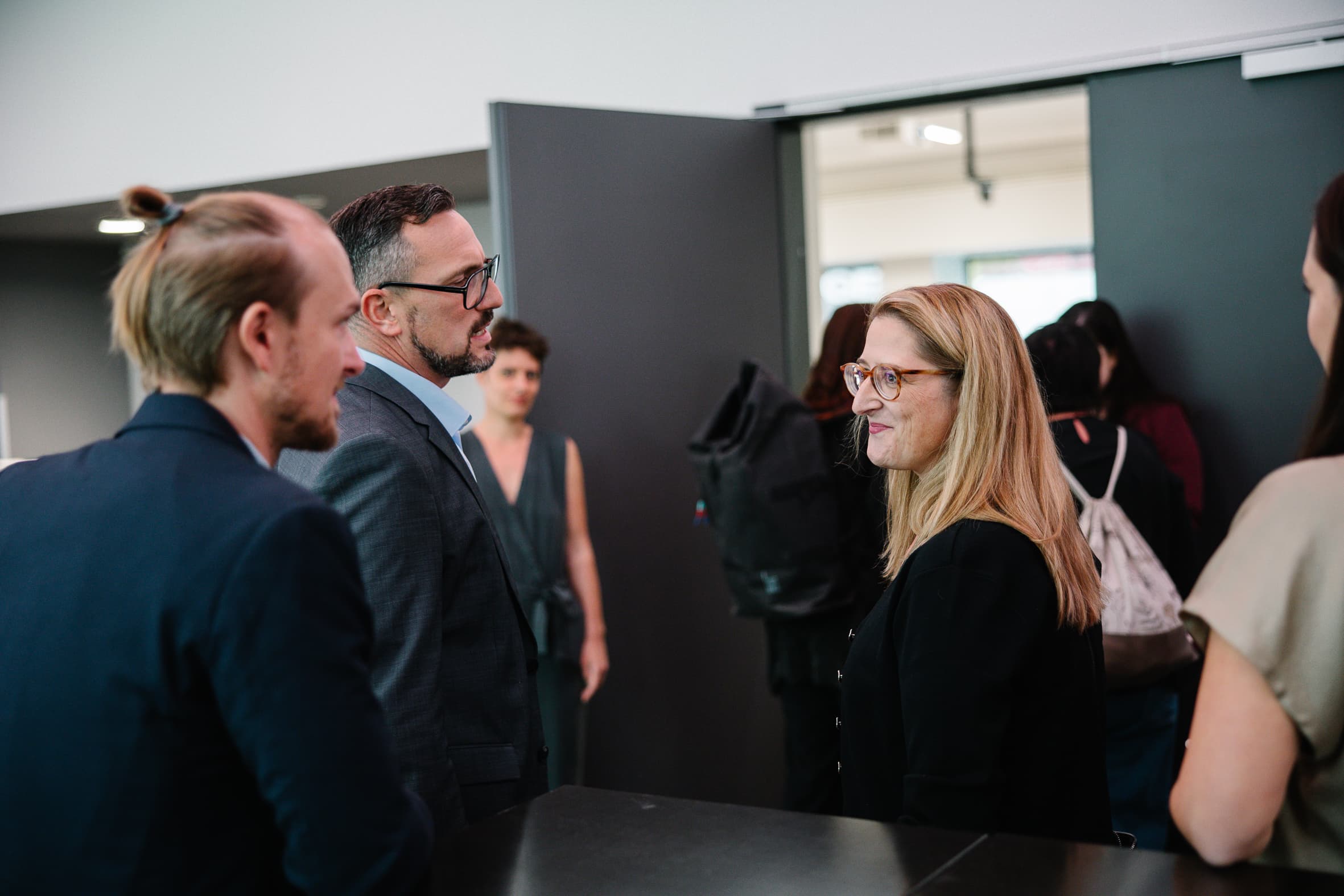
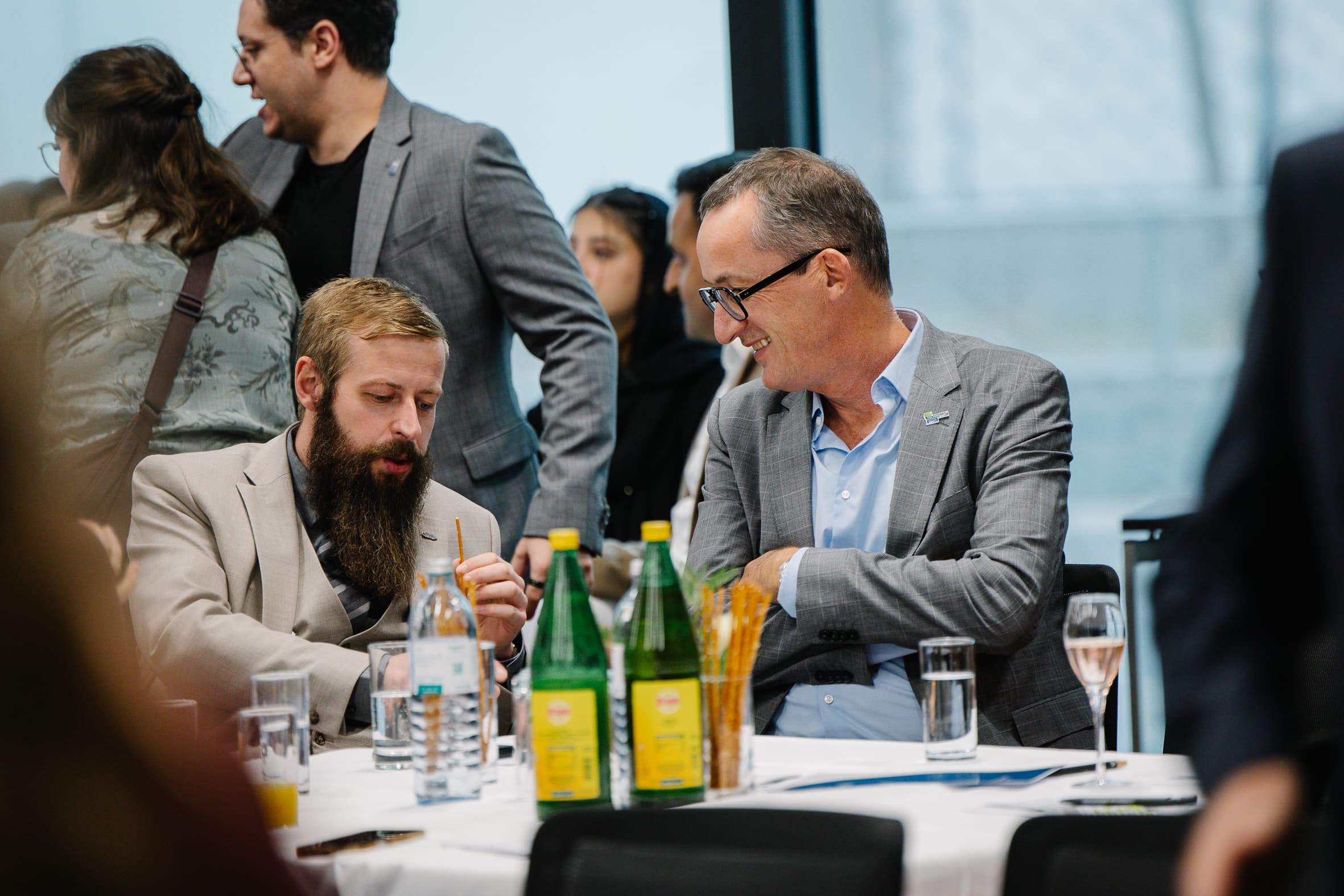
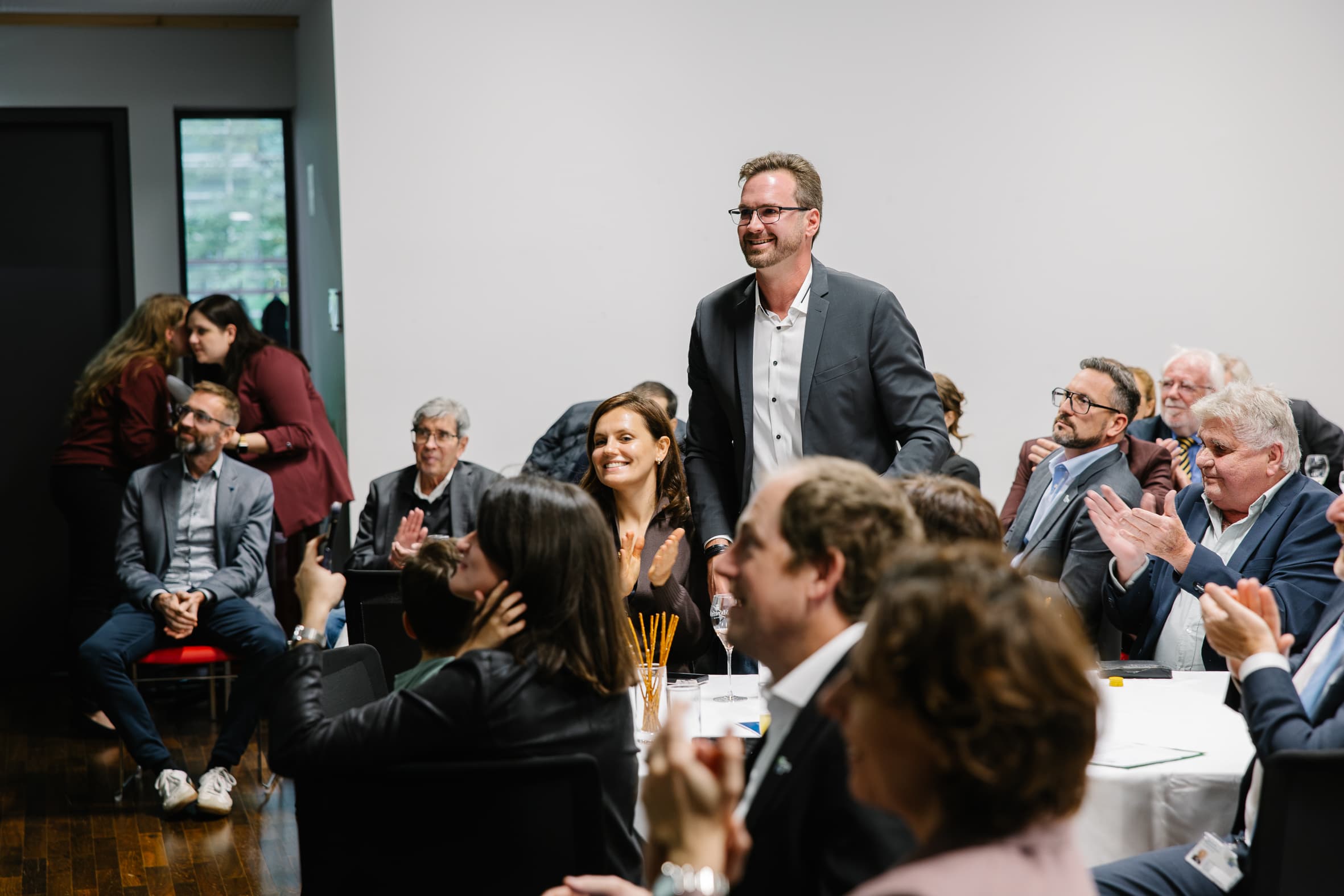
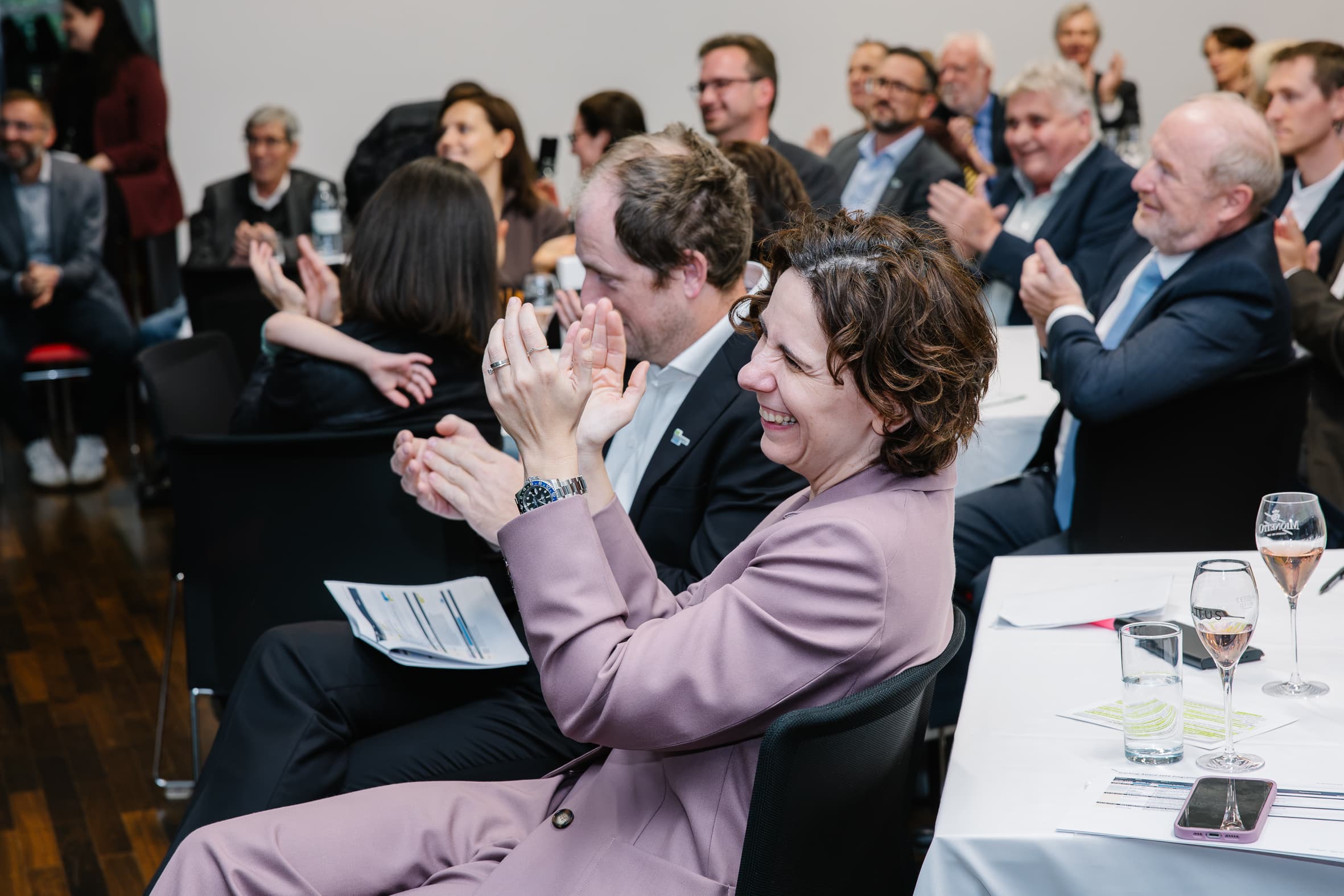
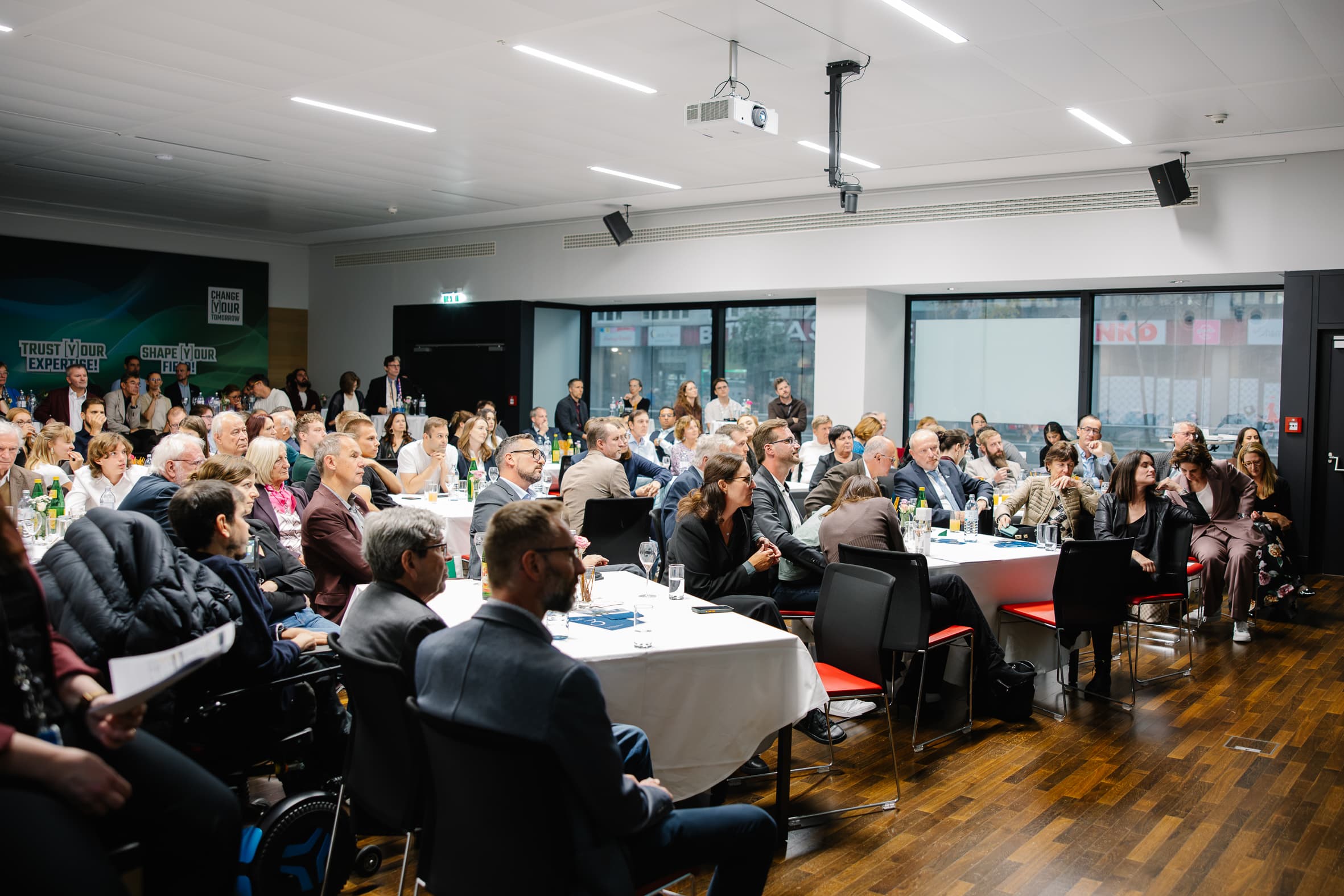
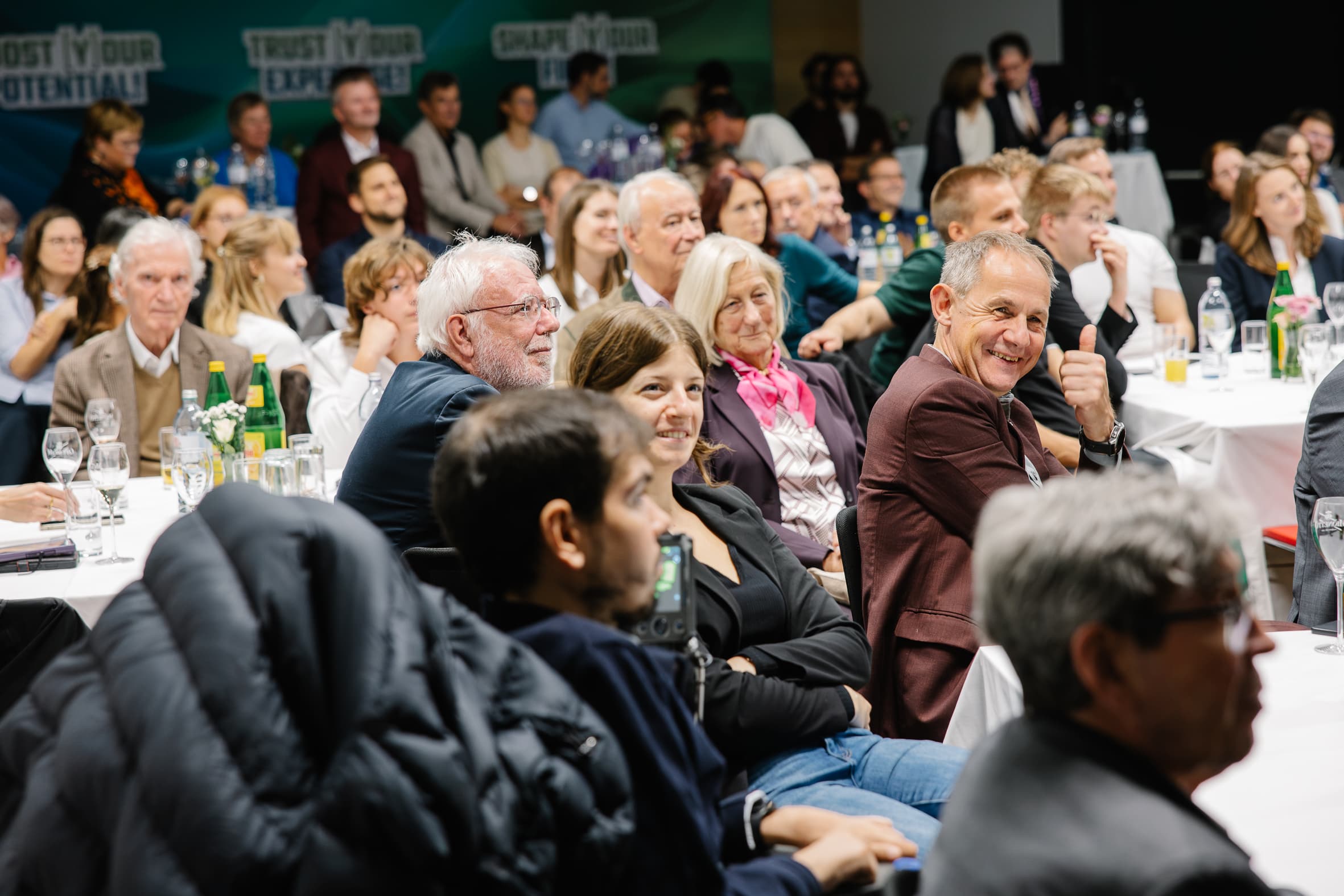
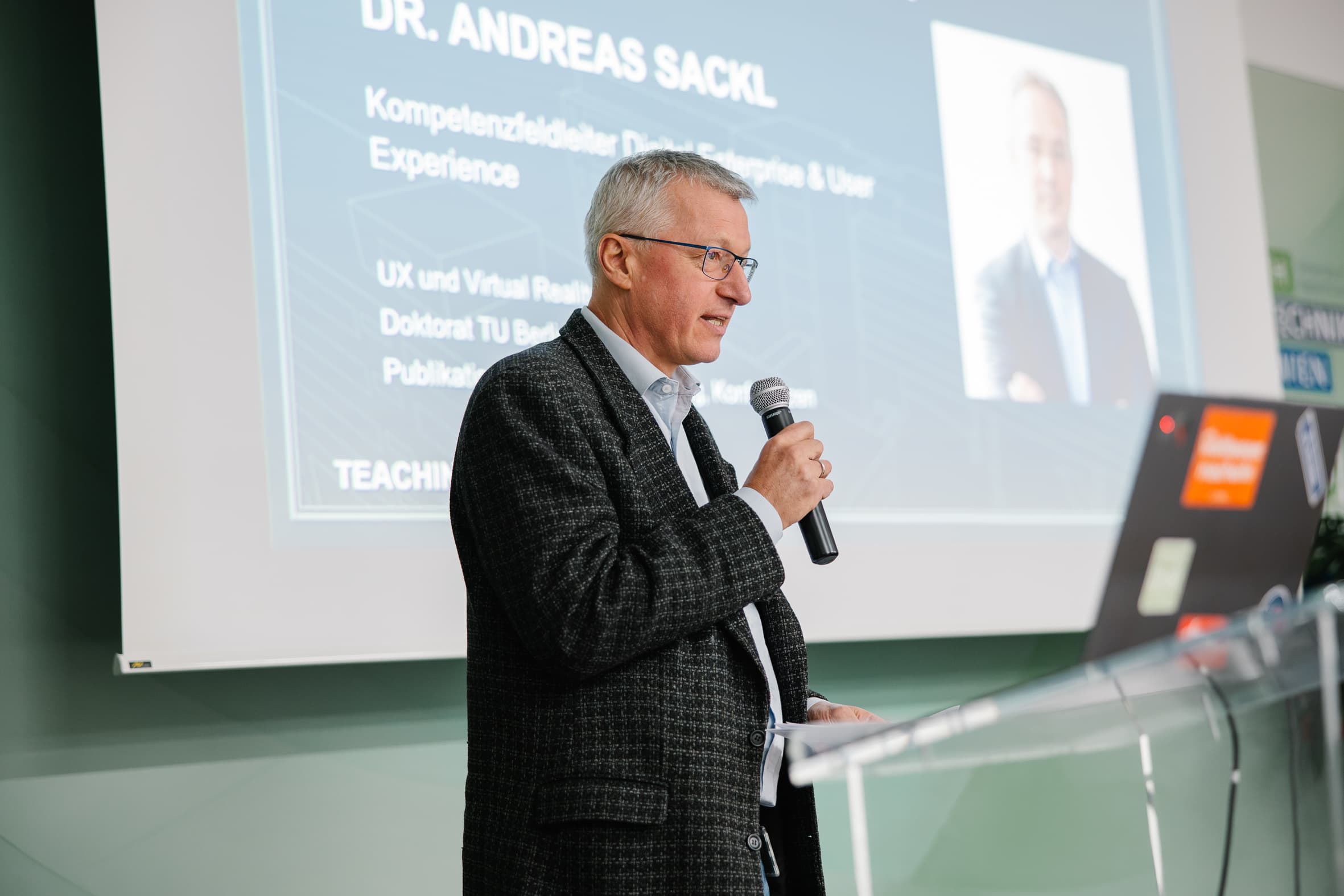
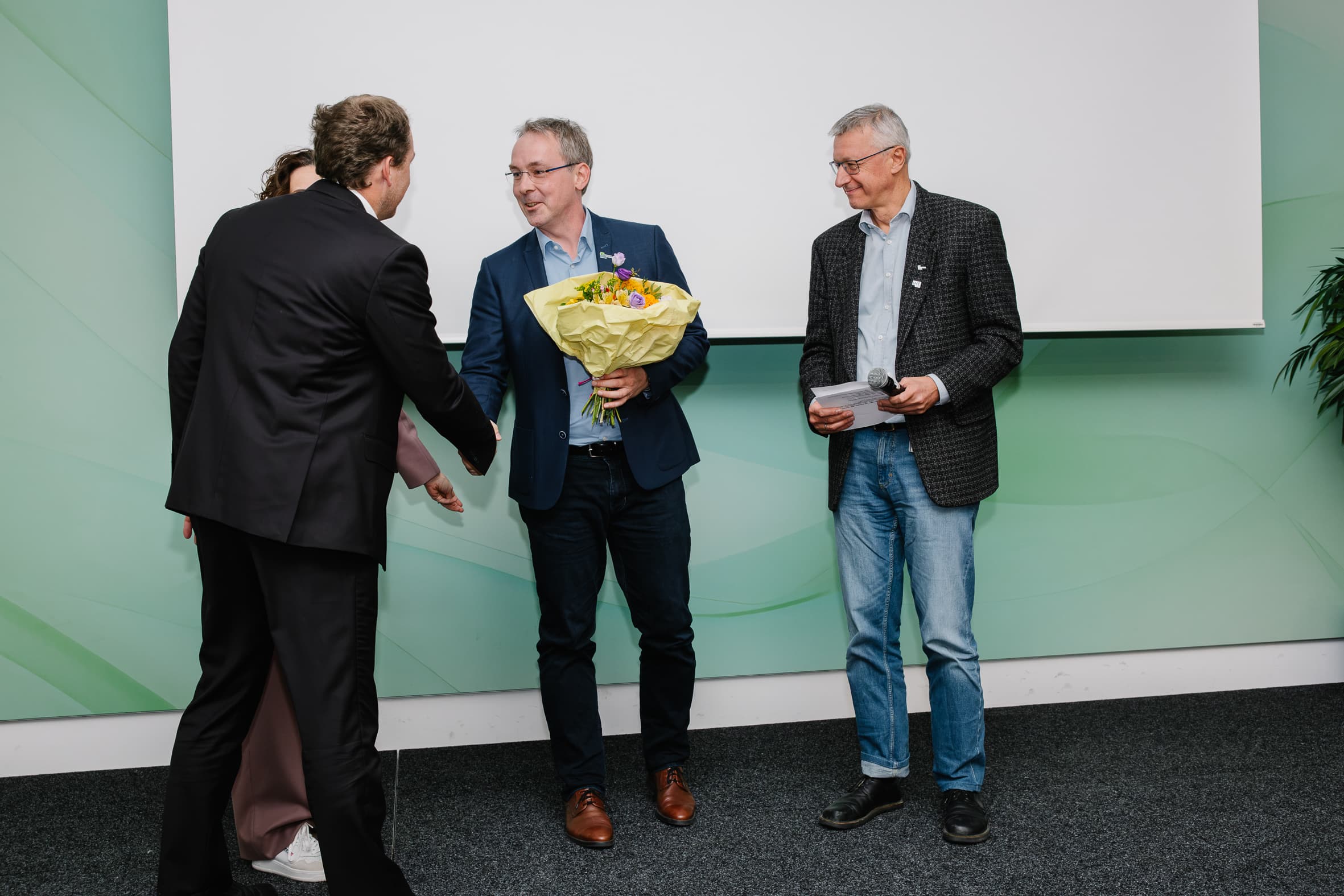
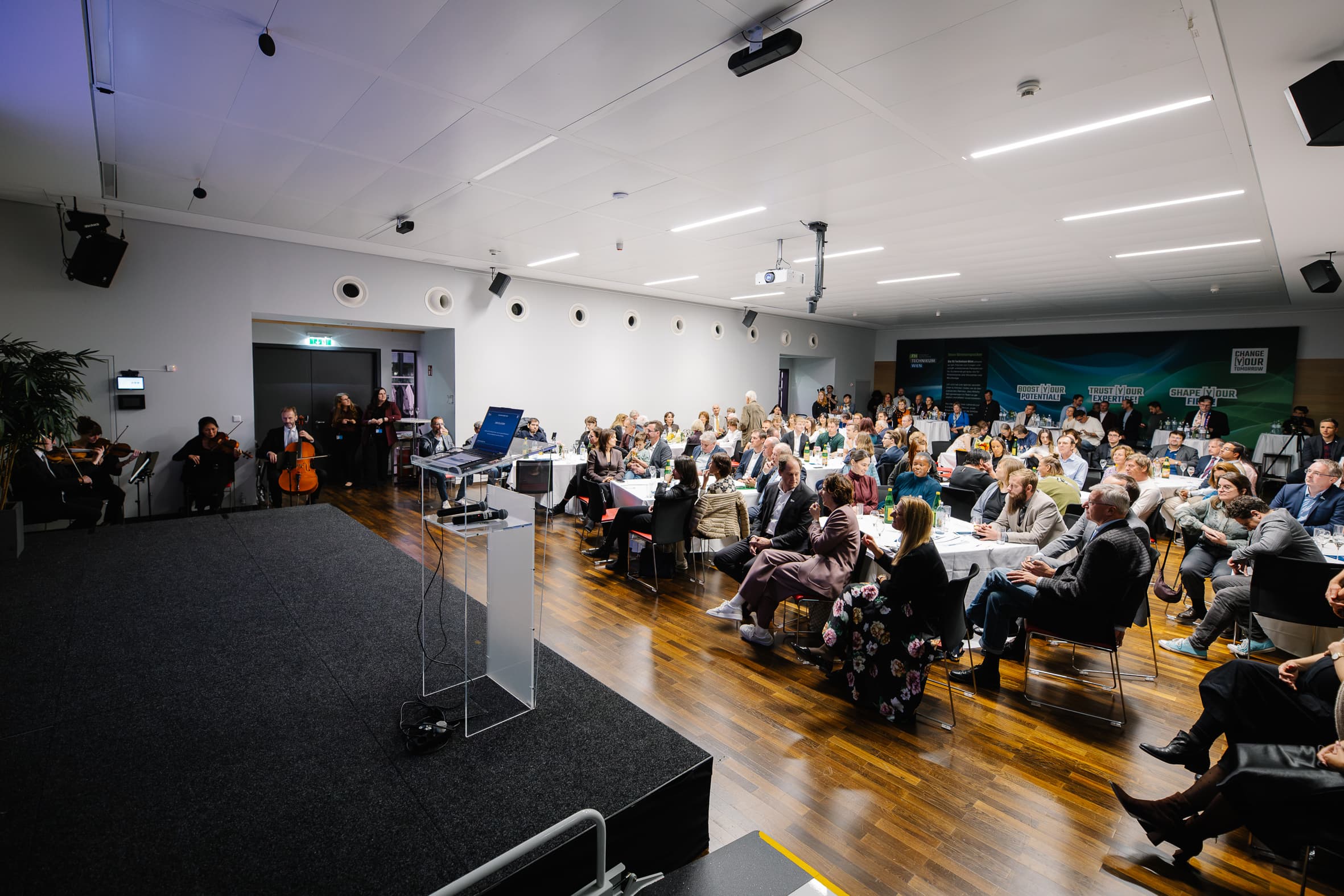
On October 19, 2026, the Teaching Awards were presented in the grand ballroom of UAS Technikum Wien. The Teaching and Learning Center (TLC) organized the event, which highlighted the diversity of excellent higher education teaching—from personalized student support and hands-on project work to addressing societal challenges.
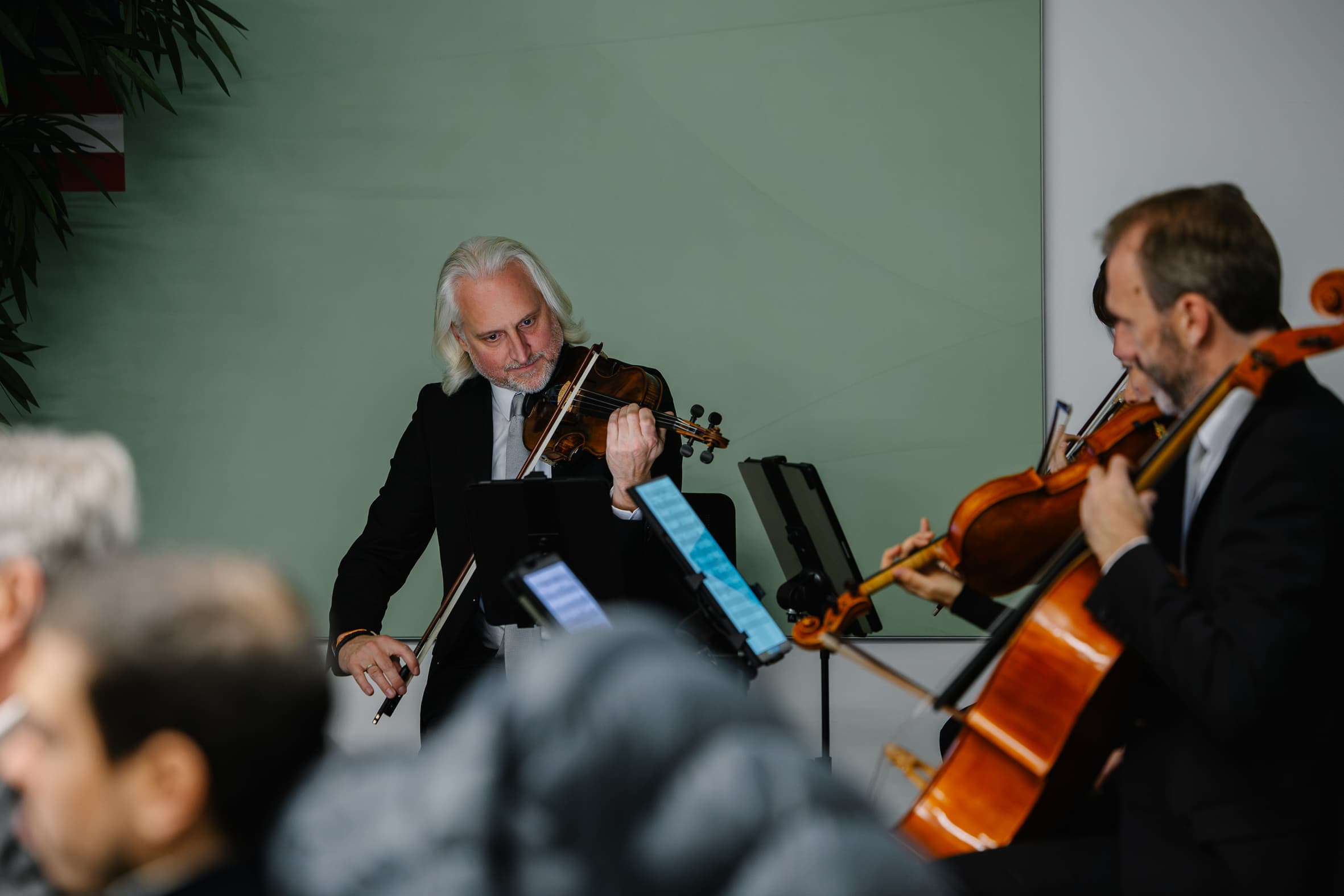
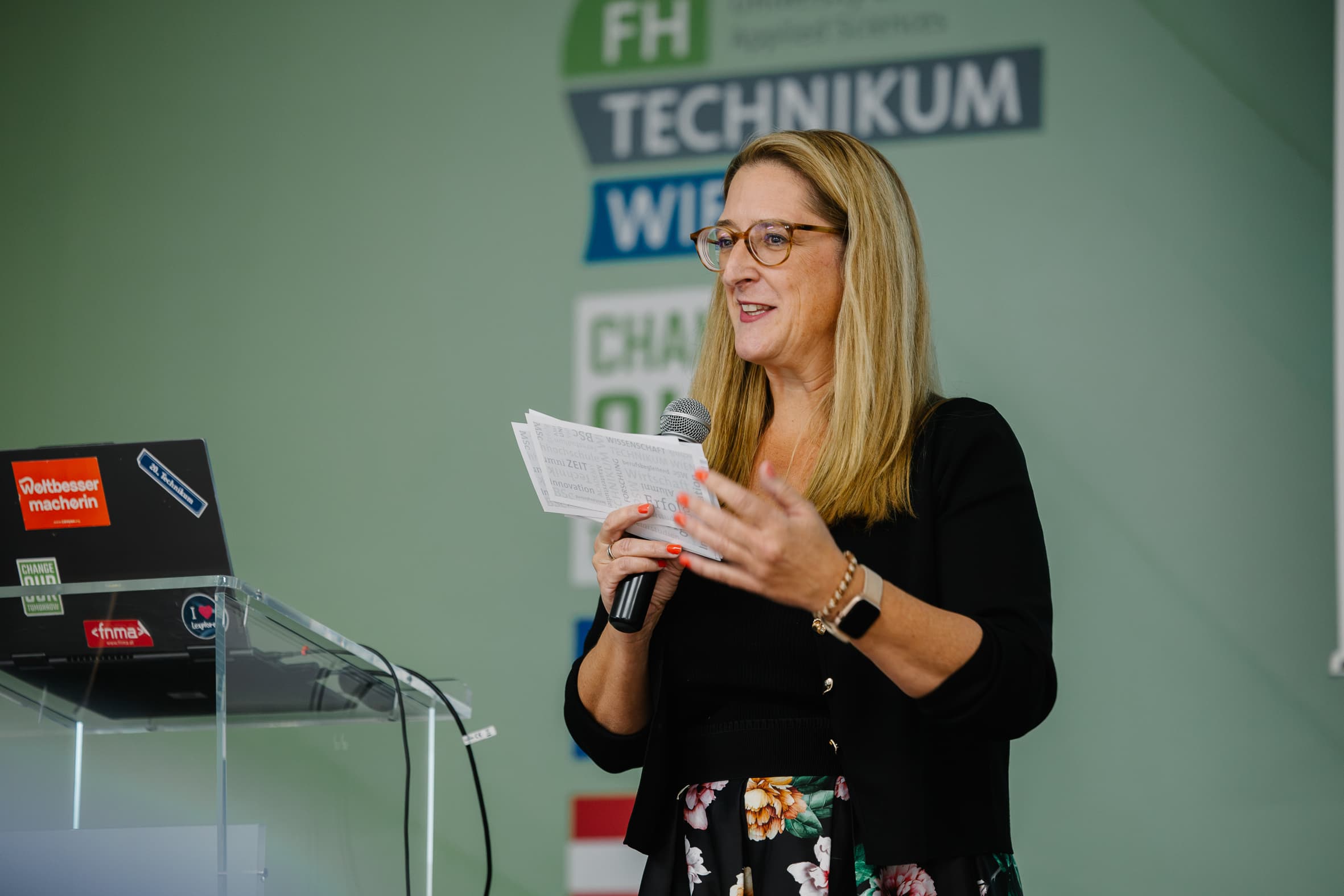
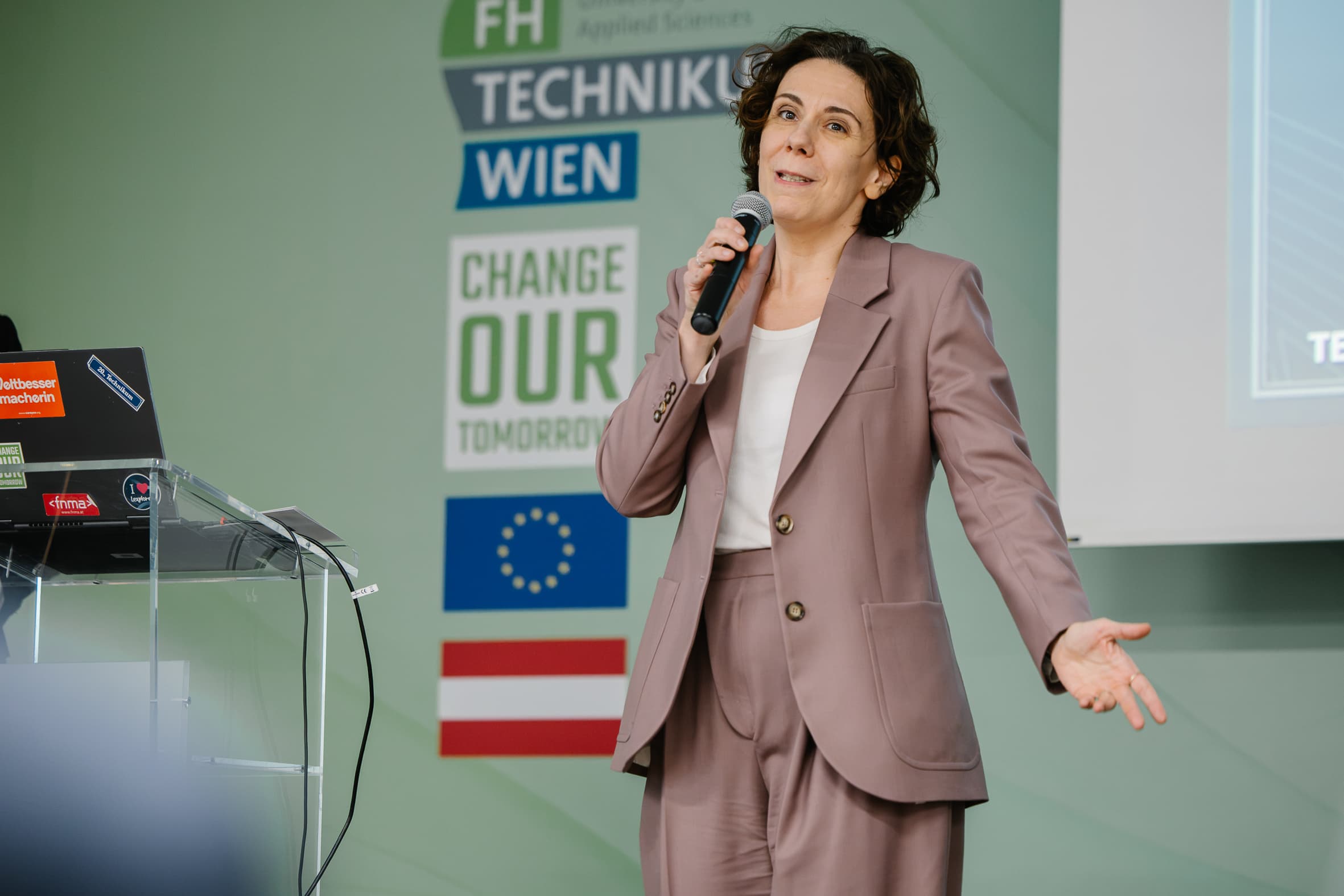
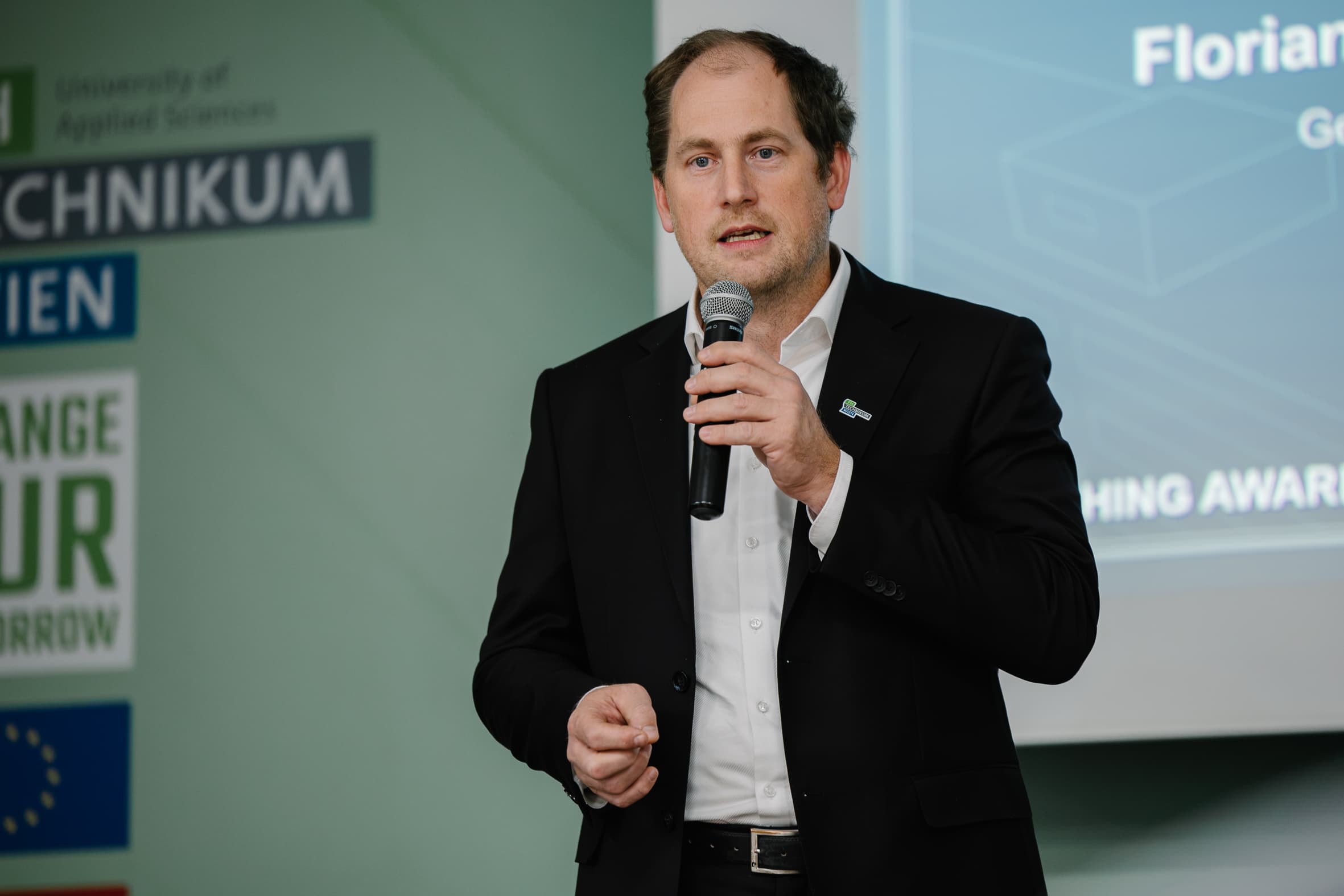
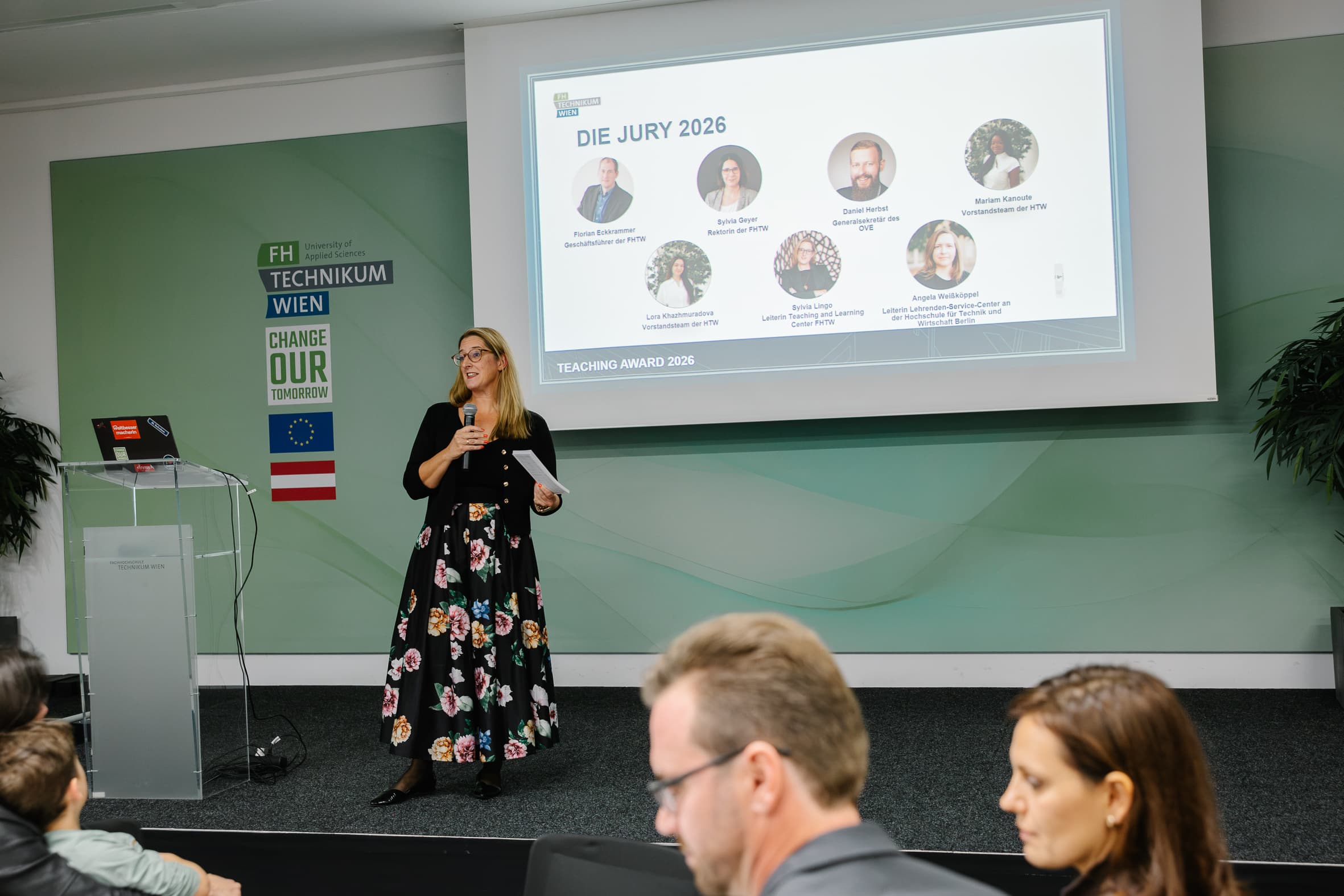
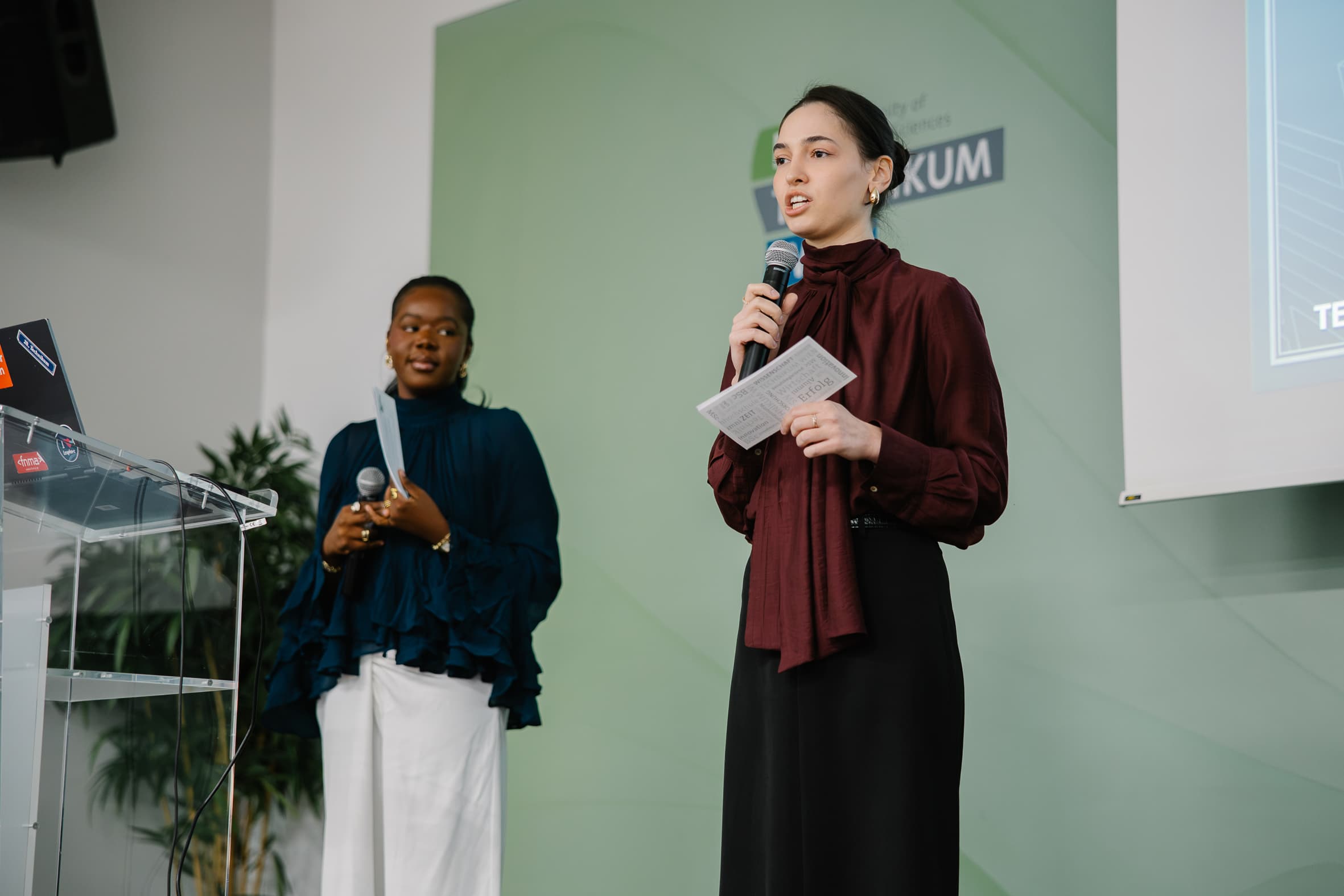
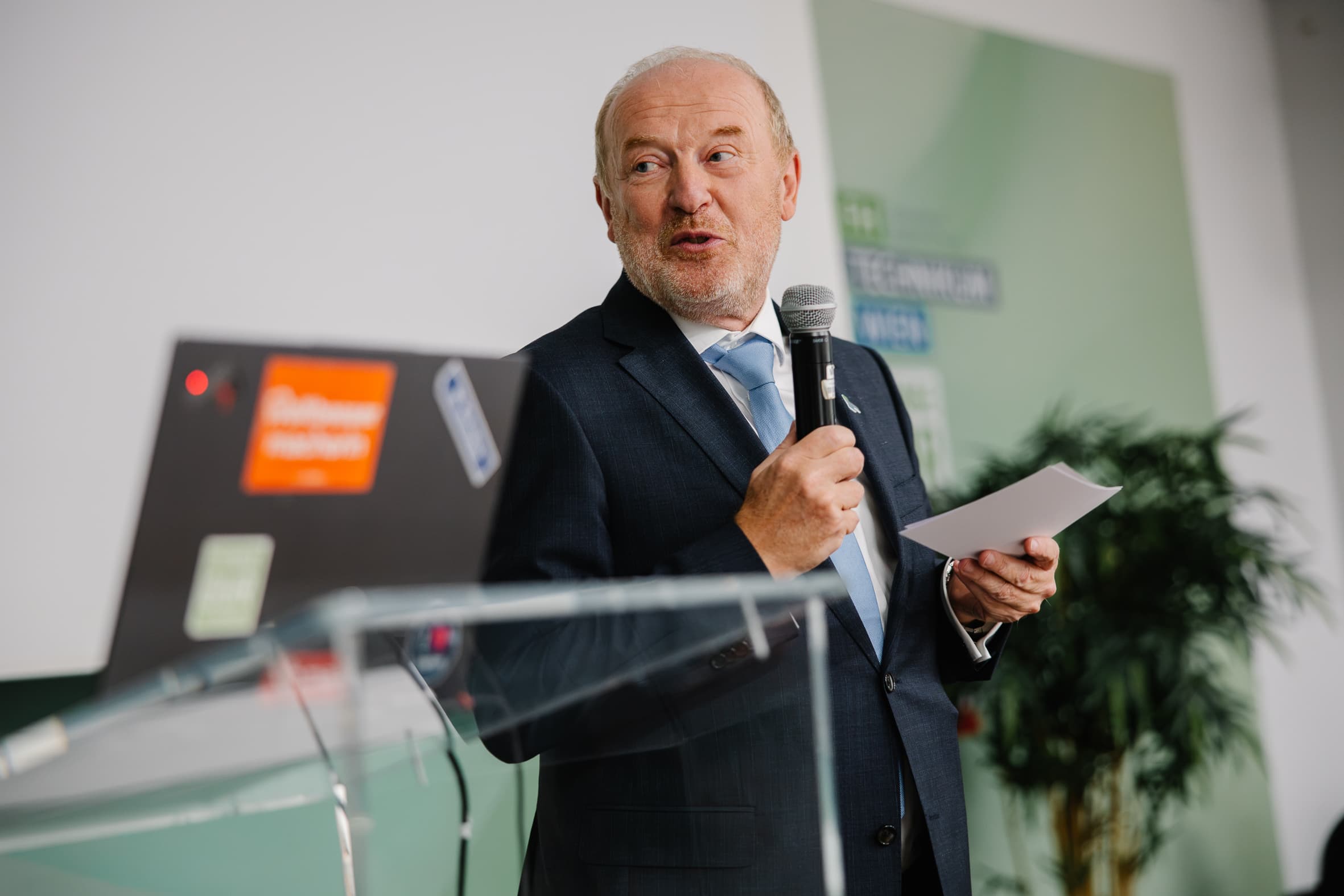
The evening began with a musical performance by the vienna strings. Managing Director Florian Eckkrammer and Rector Sylvia Geyer welcomed the guests, and Sylvia Lingo, Director of the Teaching and Learning Center, guided the audience through the program.
Three Categories, Different Approaches to Effective Teaching
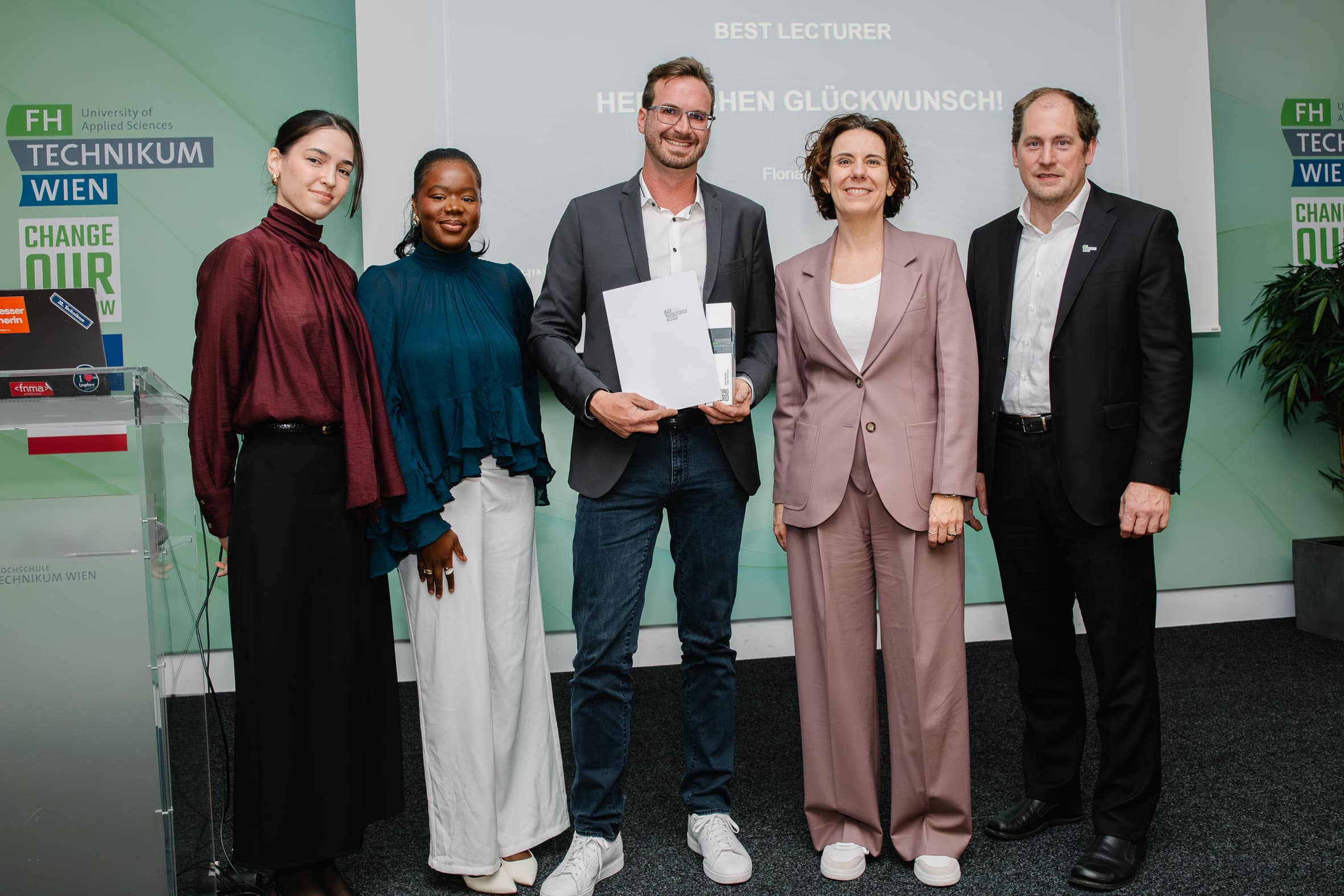
The Teaching Awards were presented in three categories. Best Lecturer honors educators who are nominated by students and who, in addition to their subject-matter and pedagogical expertise, impress with their motivating and supportive approach. Learning & Study Success recognizes courses that promote academic success through well-structured learning processes, transparent requirements, and appropriate teaching and learning methods. The Impact & Relevance category focuses on teaching concepts that link academic content to current societal challenges and empower students to act responsibly.
The winners were selected by an international and interdisciplinary jury: Florian Eckkrammer (Managing Director of UAS Technikum Wien), Sylvia Geyer (Rector), Daniel Herbst (Secretary General of OVE—Austrian Association for Electrical Engineering), Lora Khazhmuradova and Mariam Kanoute (Executive Board of HTW—Student Council), Sylvia Lingo (Director of the Teaching and Learning Center), and Angela Weißköppel (Director of the Faculty Service Center at the Berlin University of Applied Sciences).
In making its decisions, the jury considered not only the submissions and course descriptions but also supplementary materials, Moodle courses, course evaluation results, and feedback and nominations from students.
Best Lecturer: Nominated by Students
More than 70 students participated in the nominations for the Best Lecturer category. Individual instructors were nominated by up to 20 students, some of whom were from multiple courses. The students’ reasons for nomination focused not only on subject-matter expertise but also on how instructors respond to questions, provide feedback, encourage critical thinking, and support their students through challenging learning phases.
Constanze Frech and Mélanie Michel – Academic Work with Personal Guidance
In the course Scientific Writing and Research Methods in the Bachelor’s program in Renewable Energy, Constanze Frechand Mélanie Michel prepare their students for academic work and their Bachelor’s thesis.
From the research question through literature review and citation rules to the formal structure of an academic paper, the individual steps are worked through in a practical manner. Writing workshops, peer reviews, digital tools such as Zotero and AI analyses, as well as analog creative methods, ensure variety. The two instructors also make a point of setting aside time for topics such as stress management and uncertainties in everyday student life.
The jury highlighted the methodological diversity, the depth of subject matter, and the sensitivity to individual needs. Student feedback also particularly praised the instructors’ approachable manner, the thorough preparation for the bachelor’s thesis, and the regular solicitation of feedback.
Florian Hofer – Learning to Design, Being Allowed to Make Mistakes
In Design Exercises 2 in the Bachelor’s program in Mechanical Engineering, Florian Hofer has students develop a two-stage spur gear transmission—from the calculations to the finished technical drawing.
The focus is not solely on the result, but also on the process of getting there. Students develop their own solutions, discuss their designs, and refine them based on continuous feedback. Real-world industrial experience complements the technical fundamentals.
The jury particularly commended the combination of theory and practical application, as well as Hofer’s constructive approach to mistakes. A student’s comment sums it up well:
“You’re encouraged to try new things and not be afraid of making mistakes, since these are seen as an important part of the learning process.”
Dionis Ramadani – Teaching Big Data in an Accessible and Practical Way
In his Big Data course in the Master’s program in Software Engineering, Dionis Ramadani demonstrates how large volumes of data are collected, processed, and analyzed, and how insights can be derived from them to address specific problems.
He combines current research and modern technologies with interactive methods and examples from his professional experience in software development. In doing so, he also addresses his students’ interests and questions.
The jury praised his clear explanation of complex content and the successful integration of theory and practice. The motivating learning atmosphere, which was reflected in student feedback, was also noted particularly positively.
Learning & Study Success: Well-Designed Learning Processes
In this category, courses were recognized that support students through clearly structured learning paths, coordinated self-study and in-person phases, and transparent requirements. Both award-winning formats emphasize independent project work and the practical application of acquired knowledge.
Artificial Intelligence of Things – Developing and Applying AI Yourself
In the Artificial Intelligence of Things course in the Internet of Things master’s program, students develop their own AI applications for small, resource-constrained devices.
Zaheer Tabassam, Khaled Kassem, and Stefan Paschek guide them through the process—from selecting suitable sensors and conducting feasibility studies to implementing the applications on edge devices, such as a Raspberry Pi with a Hailo NPU. Tools used include TensorFlow Lite, the Hailo AI Suite, and Arduino.
The teaching concept combines preparatory self-study phases with videos and lecture notes with hands-on exercises and live demonstrations in class. Clearly defined project milestones provide guidance.
The jury was particularly impressed by the coherent structure, the transparent breakdown of the workload, and the potential to adapt the pedagogical concept to other courses. Students especially appreciated the intensive hands-on work with cutting-edge technologies.
Blended Intensive Program “Smart Cities” – Collaborating Internationally on Solutions
The award-winning Blended Intensive Program (BIP) “Smart Cities”, organized by Campus International, demonstrates how international learning can be combined with a concrete technical challenge.
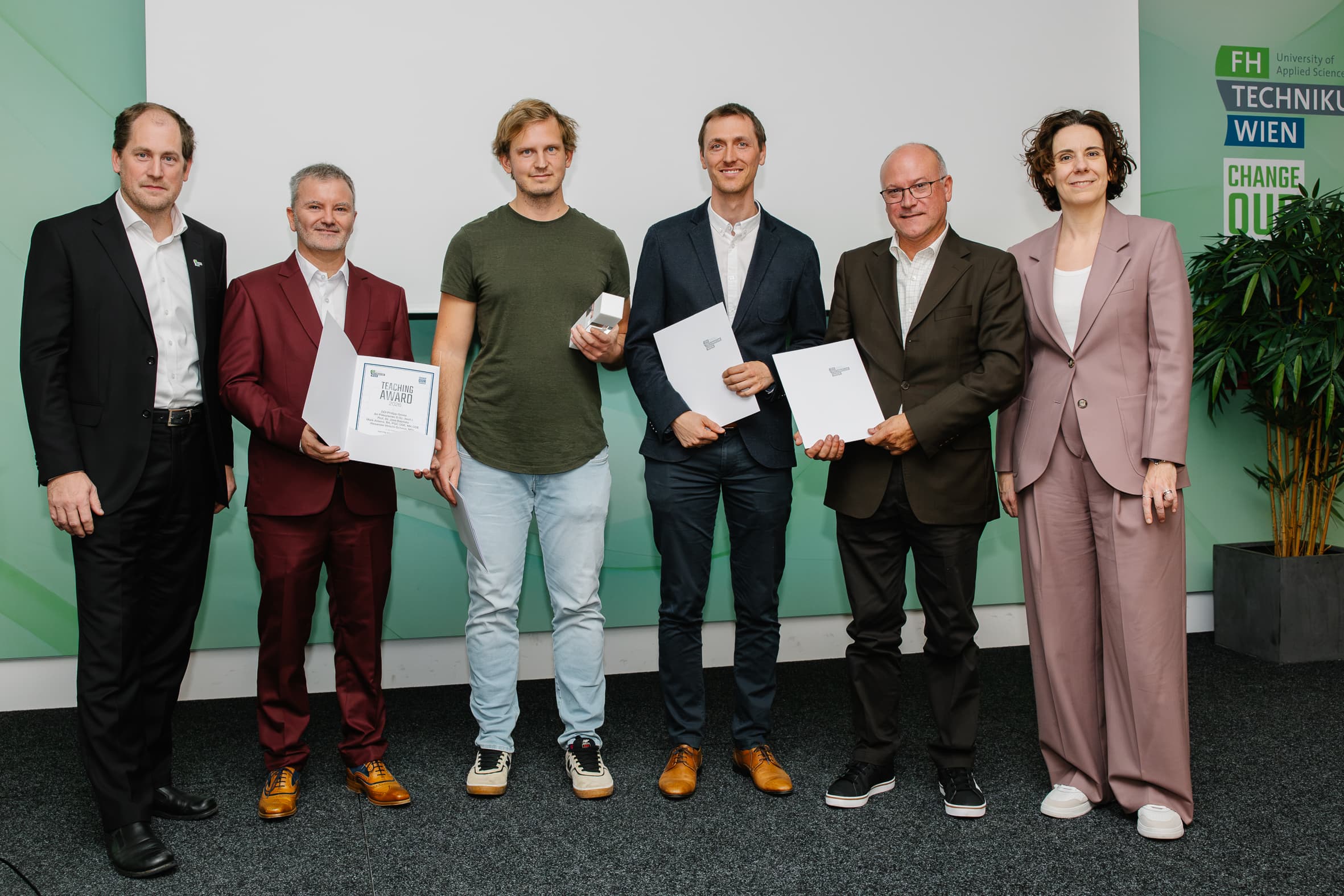
The teaching team—comprising Philipp Groiss, Ari Pikkarainen, José Baptista, Mark Adams, and Alexander Hirschl-Schmol—brought together students from Austria, Finland, and Portugal to collaborate on solutions for urban energy issues.
The focus was on developing a small wind turbine rotor for use in cities. During three international exchange weeks in Kemi, Vienna, and Vila Real, the rotor was designed, manufactured using 3D printing, tested, and presented.
In the process, the students not only gained technical experience but also practiced collaborating in international teams, communicating across disciplinary and national boundaries, and jointly solving practical problems.
The jury recognized the BIP as a forward-looking, application-oriented, and inclusive teaching format. The students also highlighted the international exchange, the excellent guidance, and the reasonable workload.
The award was also marked by a moment of remembrance: Ari Pikkarainen, a member of the award-winning teaching team, had passed away prior to the ceremony. His dedication and contribution to the joint teaching project were gratefully honored during the event.
Impact & Relevance: Technology in a Social Context
Ecology & Society – Where Technology and Art Converge
Through Ecology & Society in the Master’s program in Renewable Energy, Jasmin Helnwein and Mélanie Michel combine natural sciences, technology, society, and art.
In collaboration with the University of Applied Arts Vienna, students explore topics such as climate change, energy poverty, and social inequality. Scientific findings are not only discussed but also translated into artistic works.
Role-playing, participatory methods, and future archaeology help students examine technological developments from diverse perspectives. This STEAM approach combines scientific and technical disciplines with artistic approaches and encourages students to question the social and ecological impacts of technological decisions.
The jury commended the interdisciplinary approach and its ability to foster shifts in perspective and critical reflection in technical higher education. Students described the course as creative, engaging, and inspiring.
Ars Docendi 2026: Recognition Award for ASSIST HEIDI
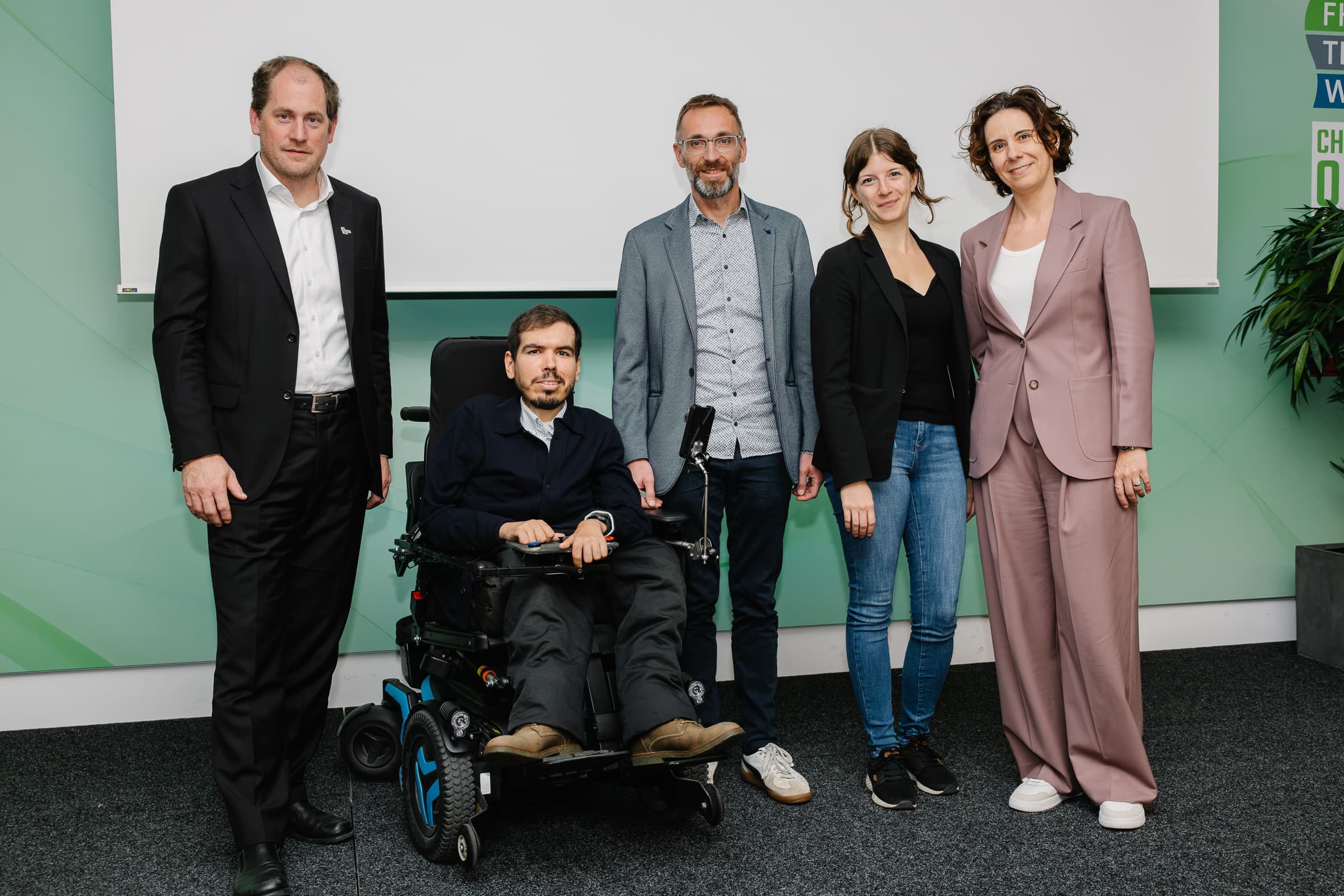
In addition to the university’s internal Teaching Awards, there was another success to celebrate: The teaching project ASSIST HEIDI – Co-Designing and Implementing Assistive Tools for People with Disabilities received a Recognition Award in the category of Society- and Sustainability-Oriented Teaching at the Austrian national Ars Docendi awards in September 2026.
For the team—comprising Martin Deinhofer, Sarah Langer, Alija Sabic, Natascha Toman, Erich Schmid (posthumously), Oliver Klein, and Susanne Buchner-Sabathy—this marks yet another accolade. Previously, ASSIST HEIDI had been honored with the European profformance Teaching Prize and the Digital Humanism Award.
The project takes a consistently participatory approach: international student teams collaborate with people with disabilities to develop assistive technologies that address specific everyday challenges. People with disabilities are actively involved in all phases of development as paid co-designers. Their experiences and needs form the basis for the technical solutions.
For the students, this means applying technical knowledge under real-world conditions while simultaneously developing social, communicative, and intercultural skills. The solutions developed are made available as open source and can thus be used and further developed even beyond the scope of the project.
The international Ars Docendi jury particularly commended the collaboration on an equal footing, the combination of technical expertise with social responsibility, and the sustainable transfer of knowledge.
Angelika Thielsch from Georg-August University of Göttingen summarized the project’s unique approach in her jury statement:
“Not participation as a gesture, but co-creation as a principle.”
Higher Education Pedagogy Training as the Foundation of Good Teaching
Another highlight of the program was the certificate ceremony for 29 faculty members who successfully completed the basic higher education pedagogy courses at UAS Technikum Wien during the 2025–26 academic year.
This training is part of the structured onboarding process for new faculty members and supports them in planning and designing competency-based, student-centered courses. With the certificate ceremony, the university recognized the graduates’ commitment to further developing their teaching.
Highlighting Good Teaching
The award-winning courses represent different approaches but share a common goal: to support students in building subject-specific knowledge, applying it in practice, and developing it further on their own.
The Teaching Awards provide a platform for this. They recognize the commitment of the faculty members and, at the same time, offer inspiration for the further development of teaching and learning formats at UAS Technikum Wien.
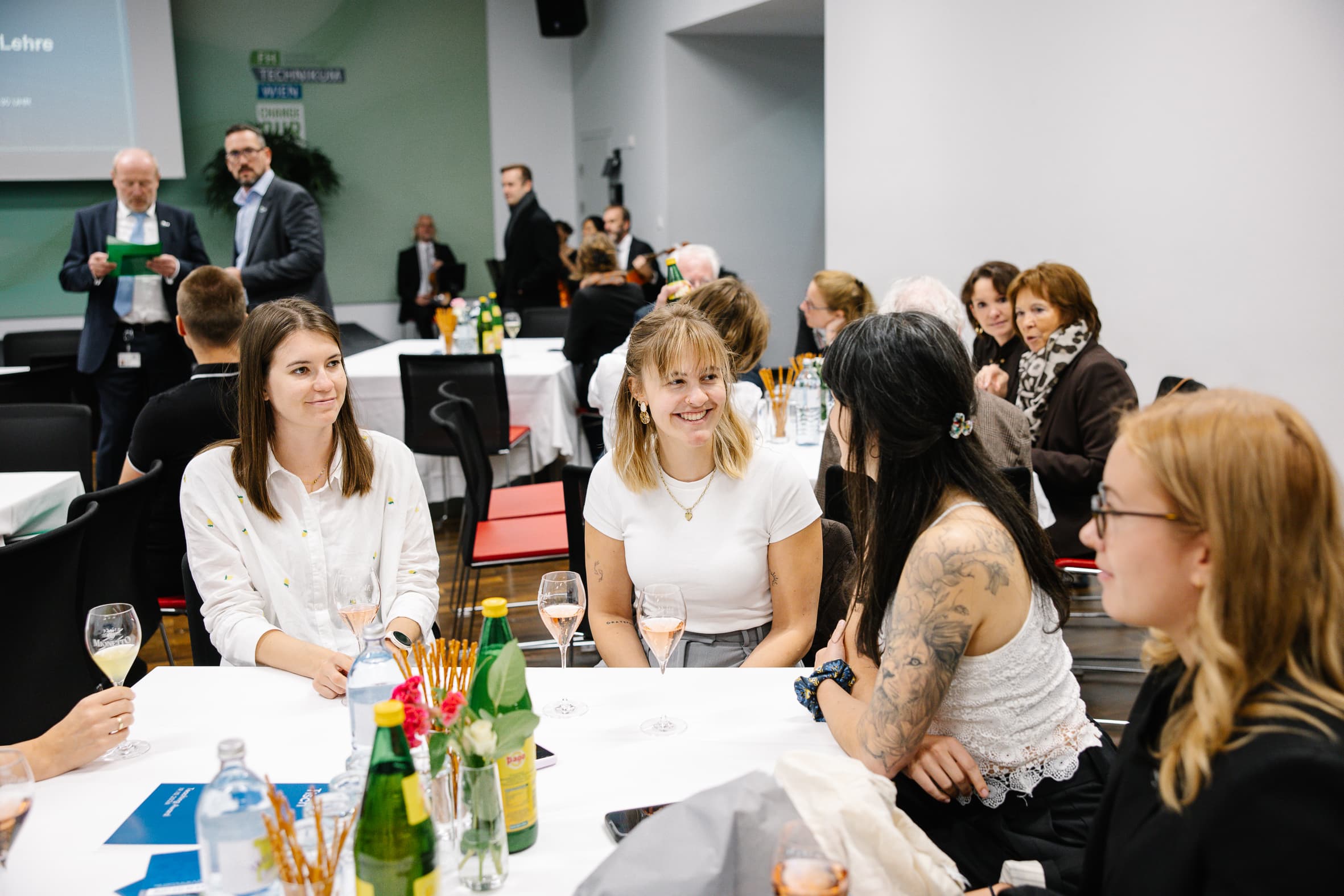
During this successful evening, other exceptional achievements were also honored with Master’s Thesis Awards, two FH professorships, and an honorary professorship. With musical accompaniment by the vienna strings and a festive gathering afterward, the evening provided an opportunity to celebrate the award winners and exchange ideas about their teaching concepts.
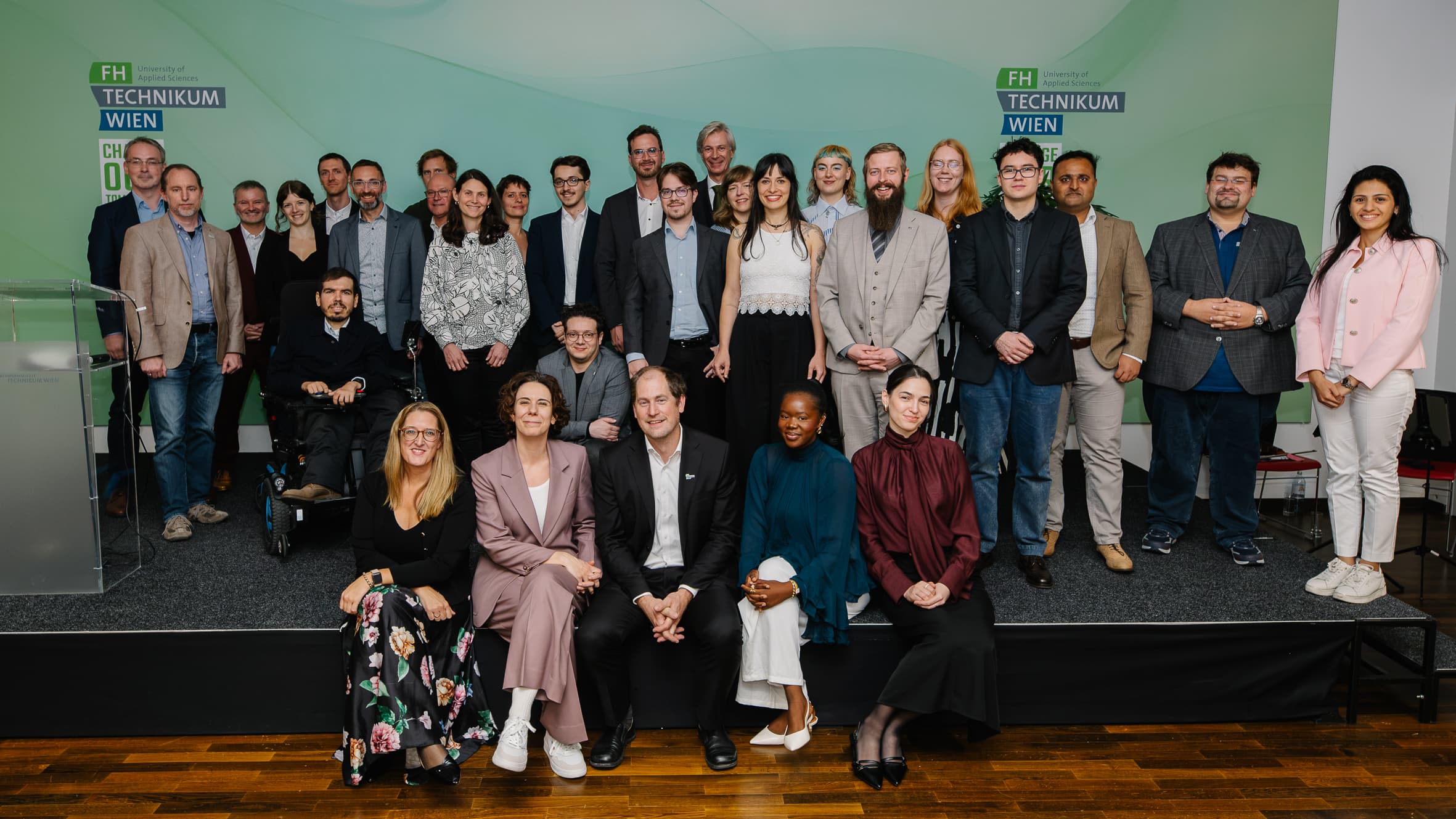
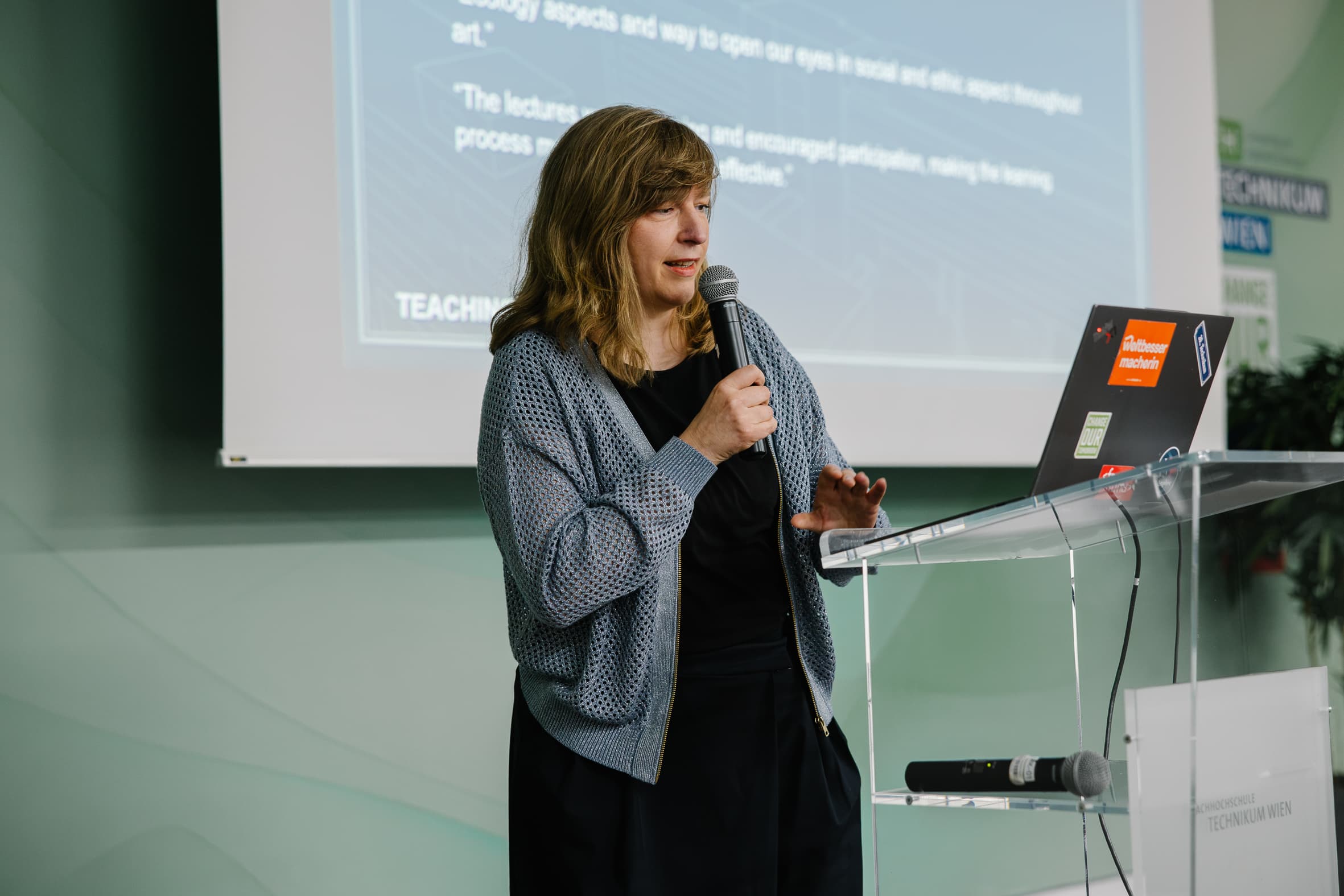
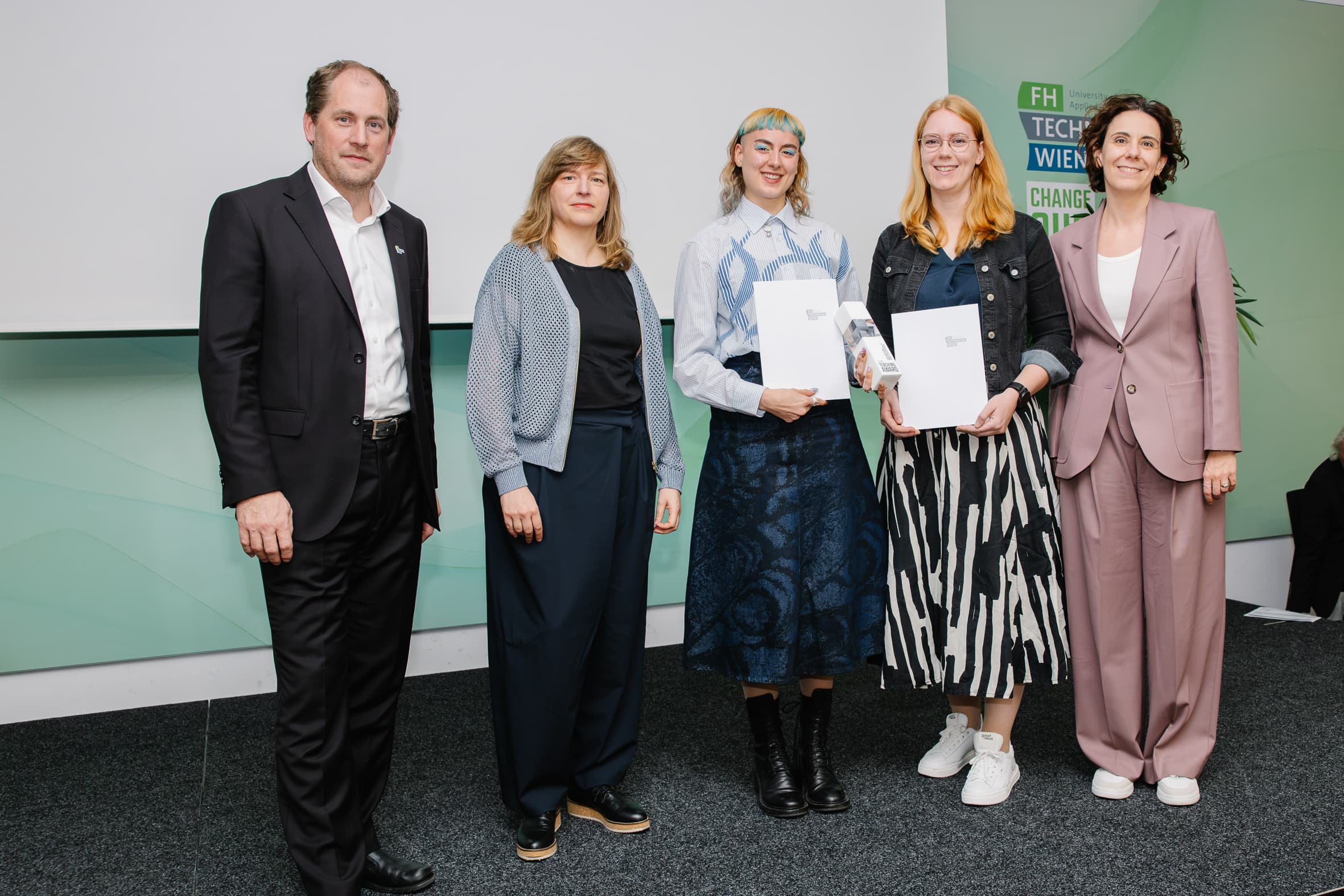
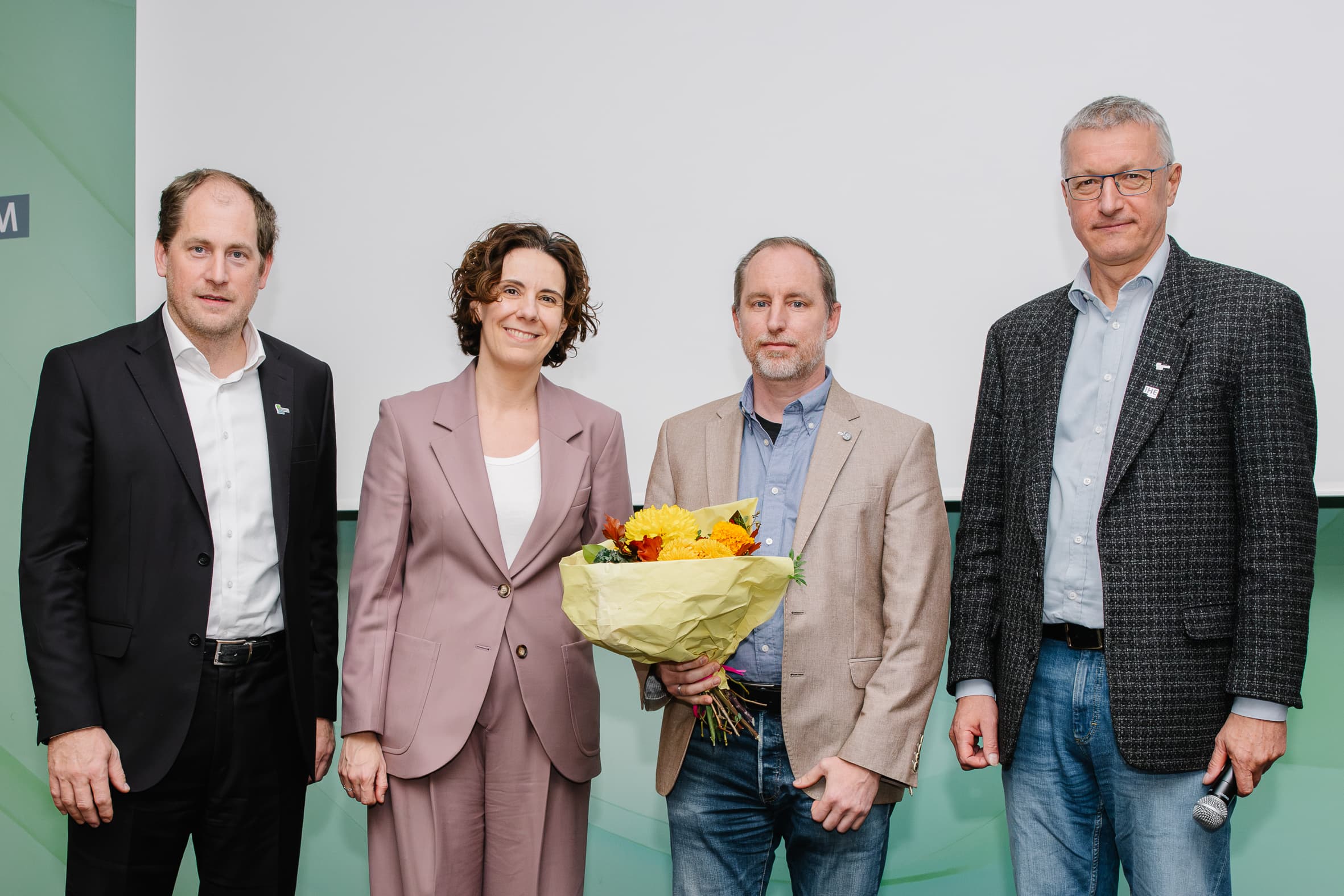
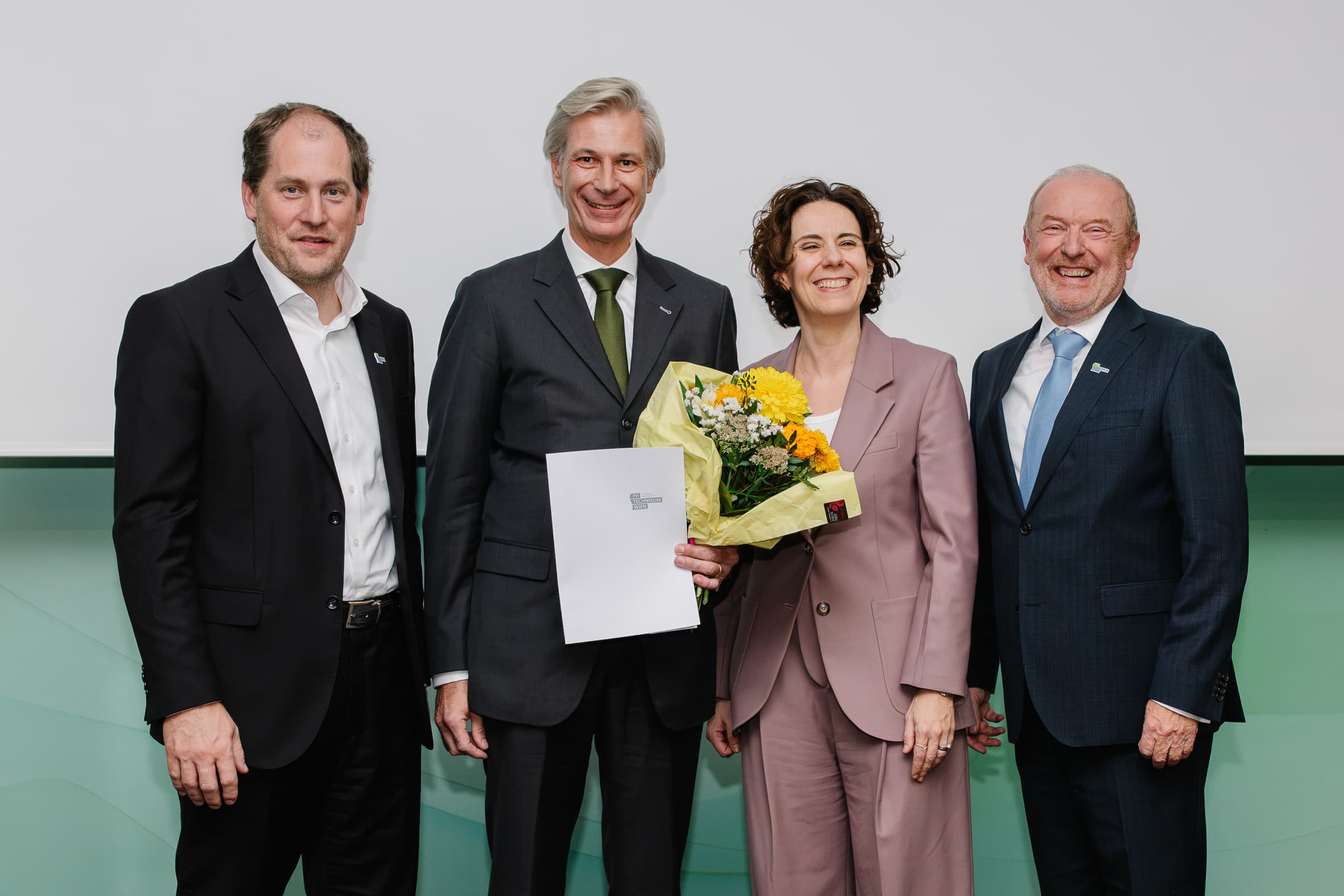
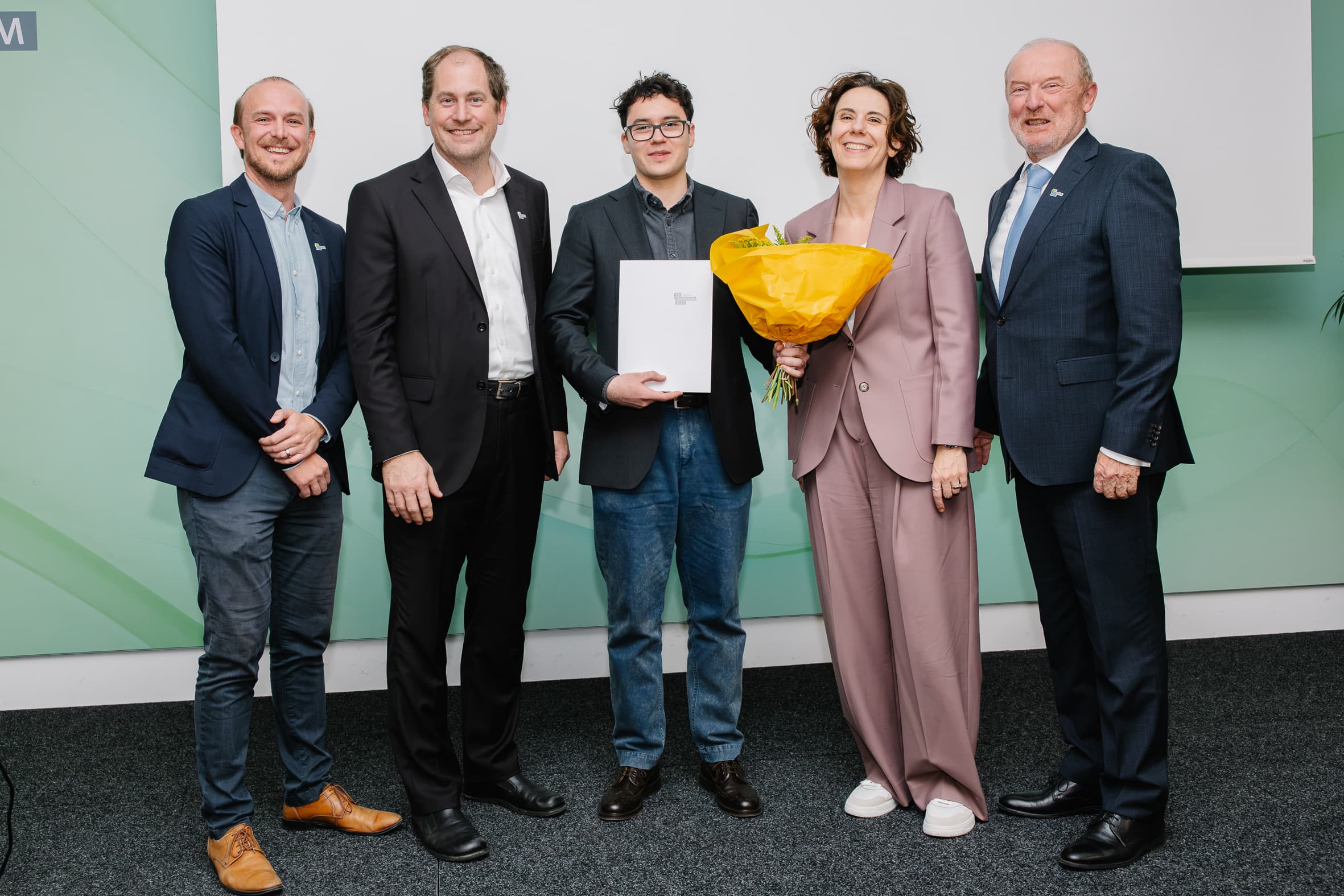
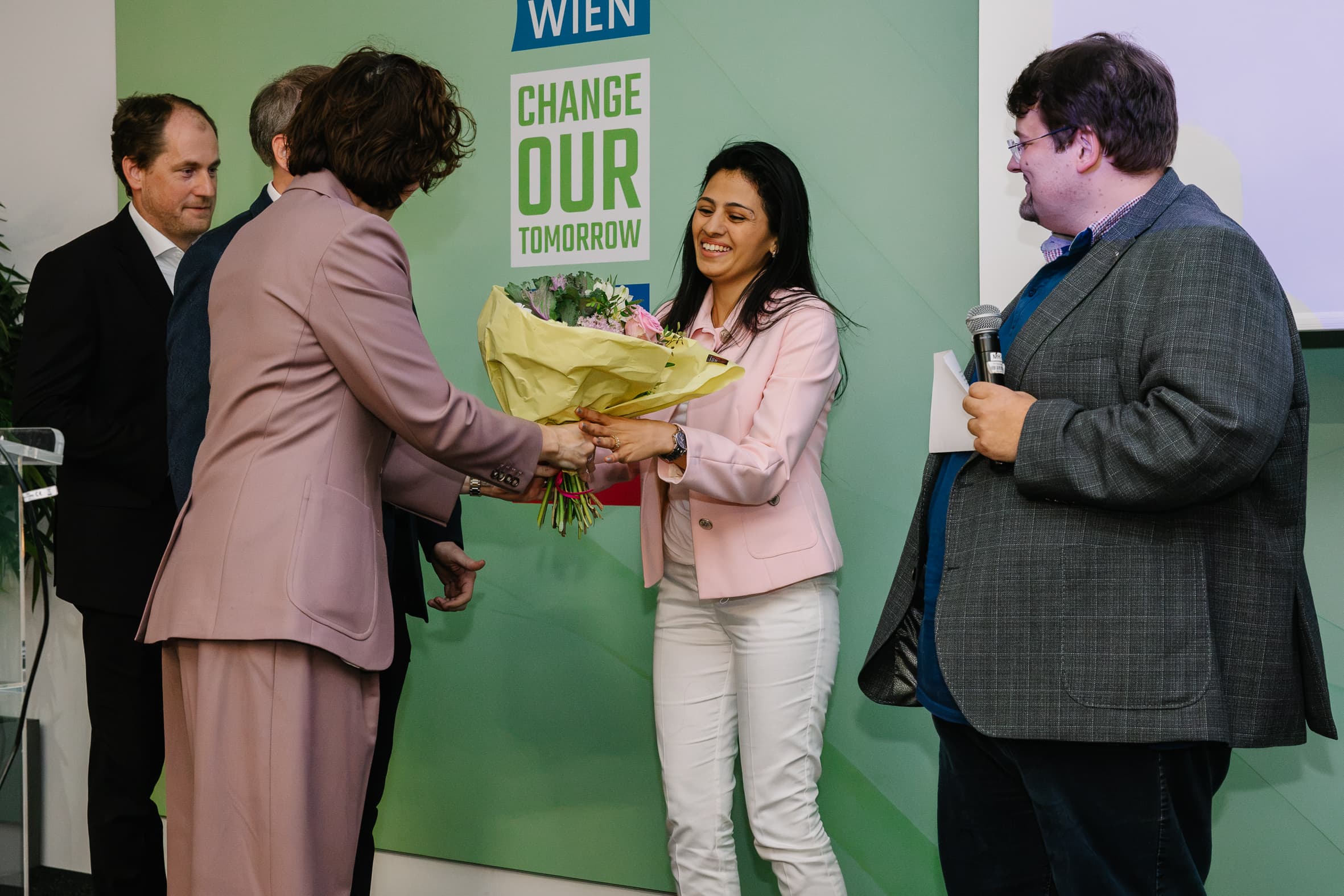
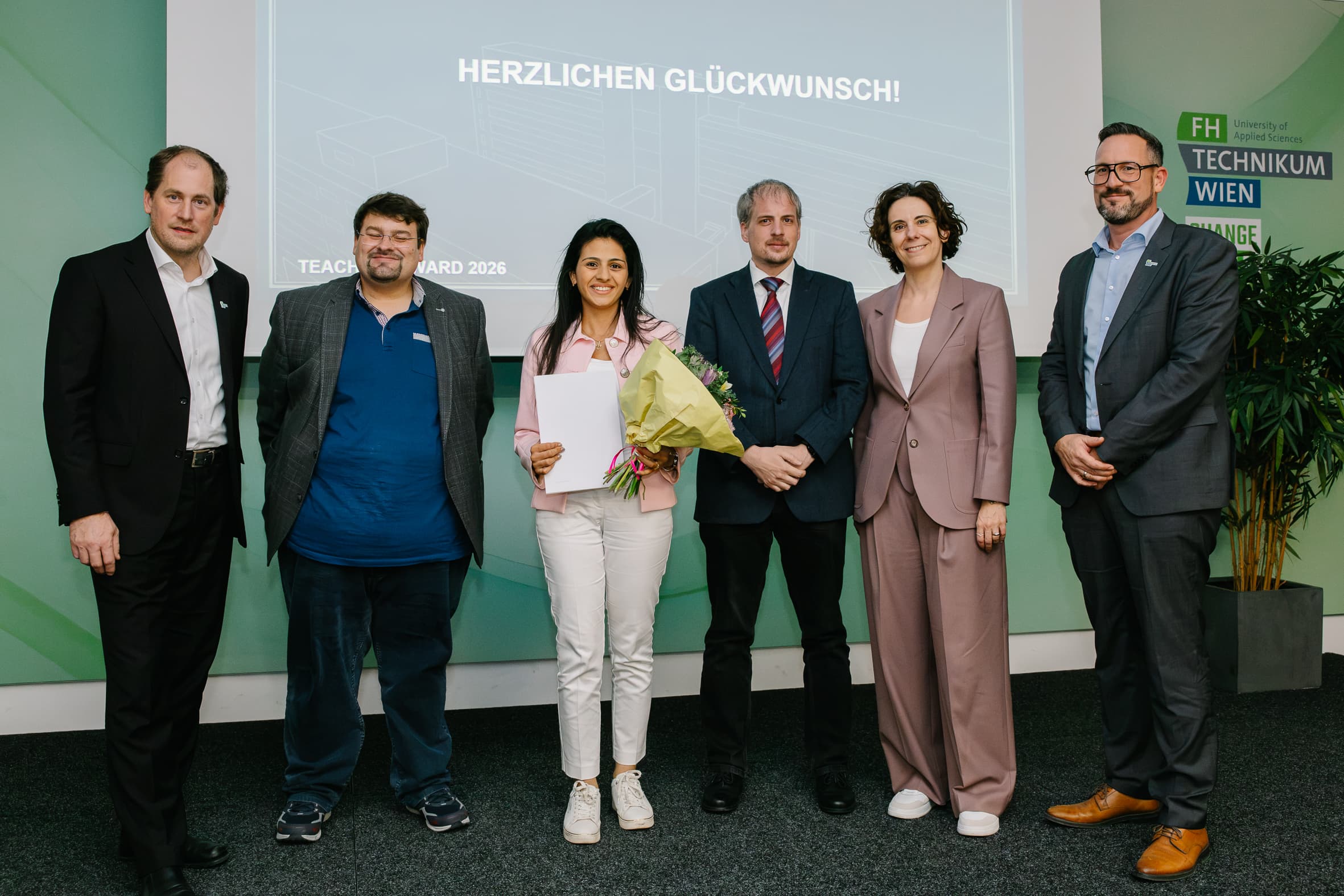
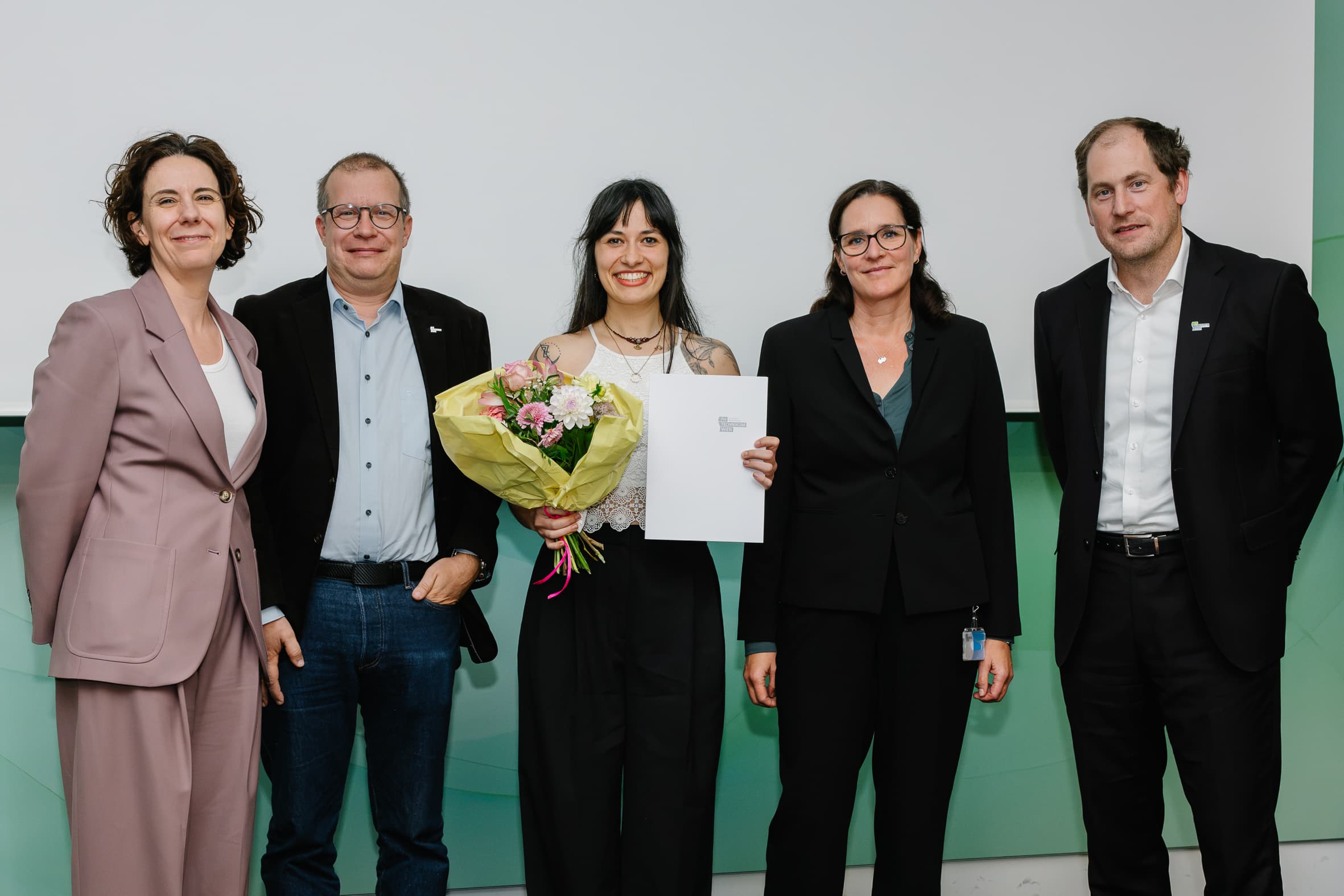
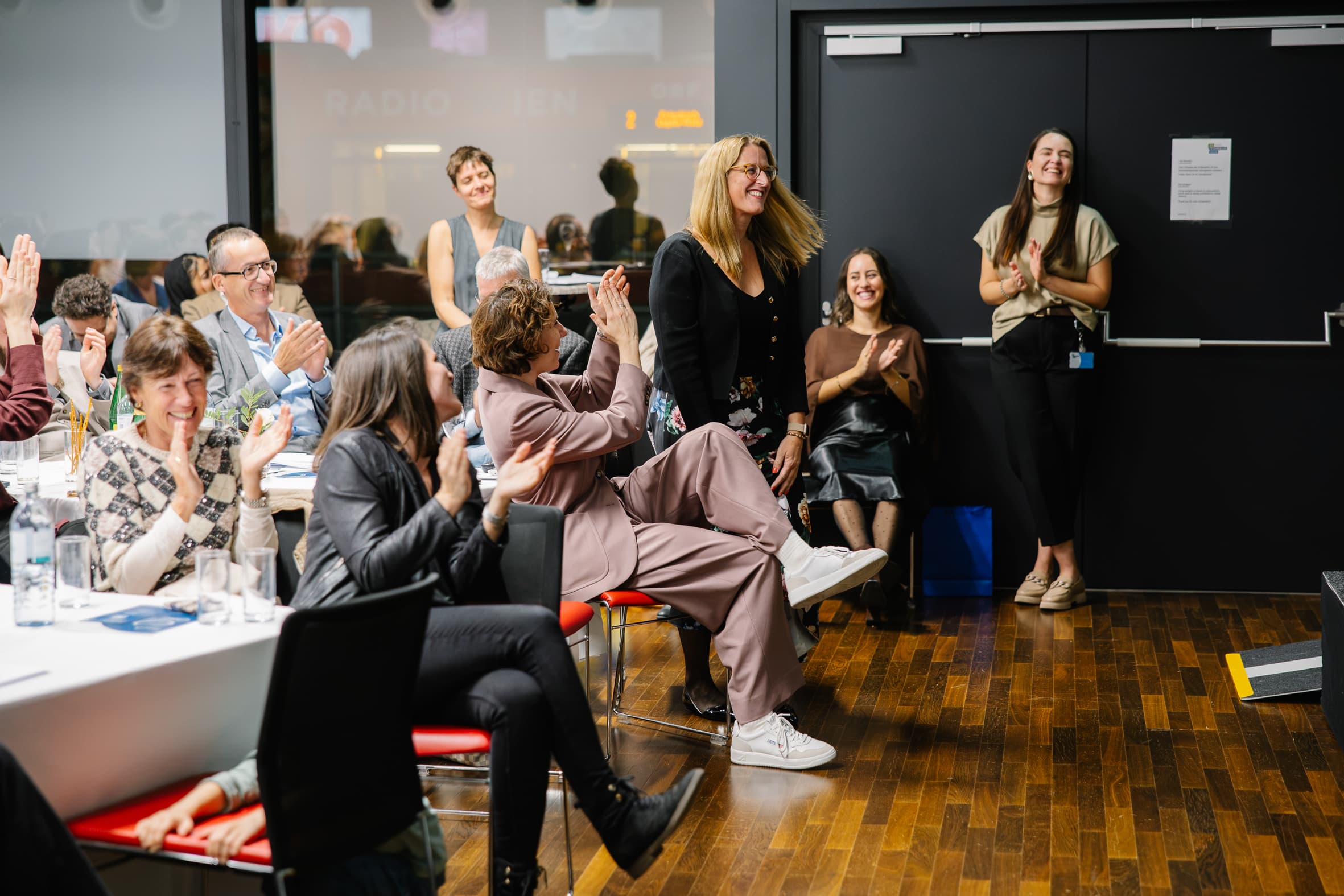
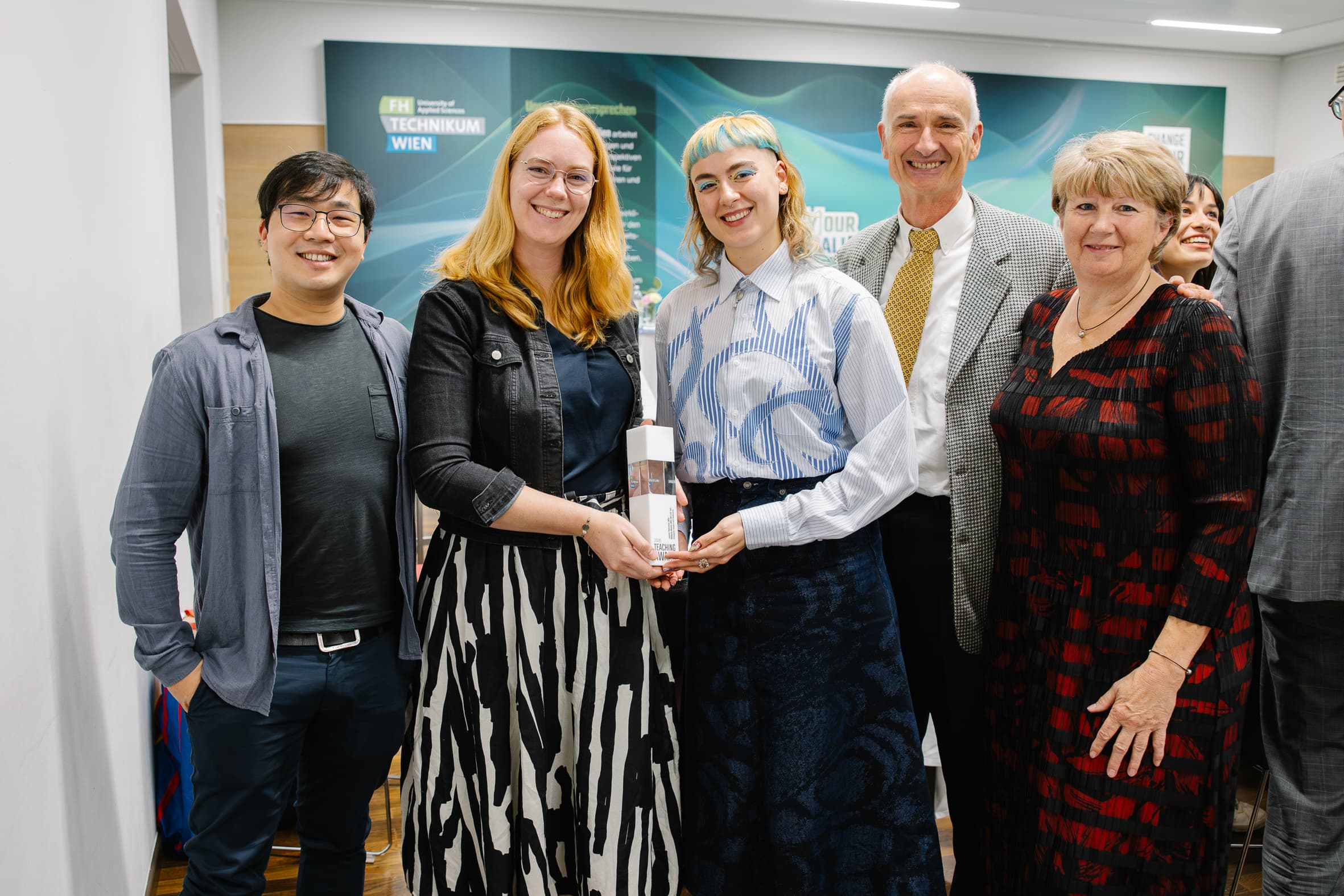
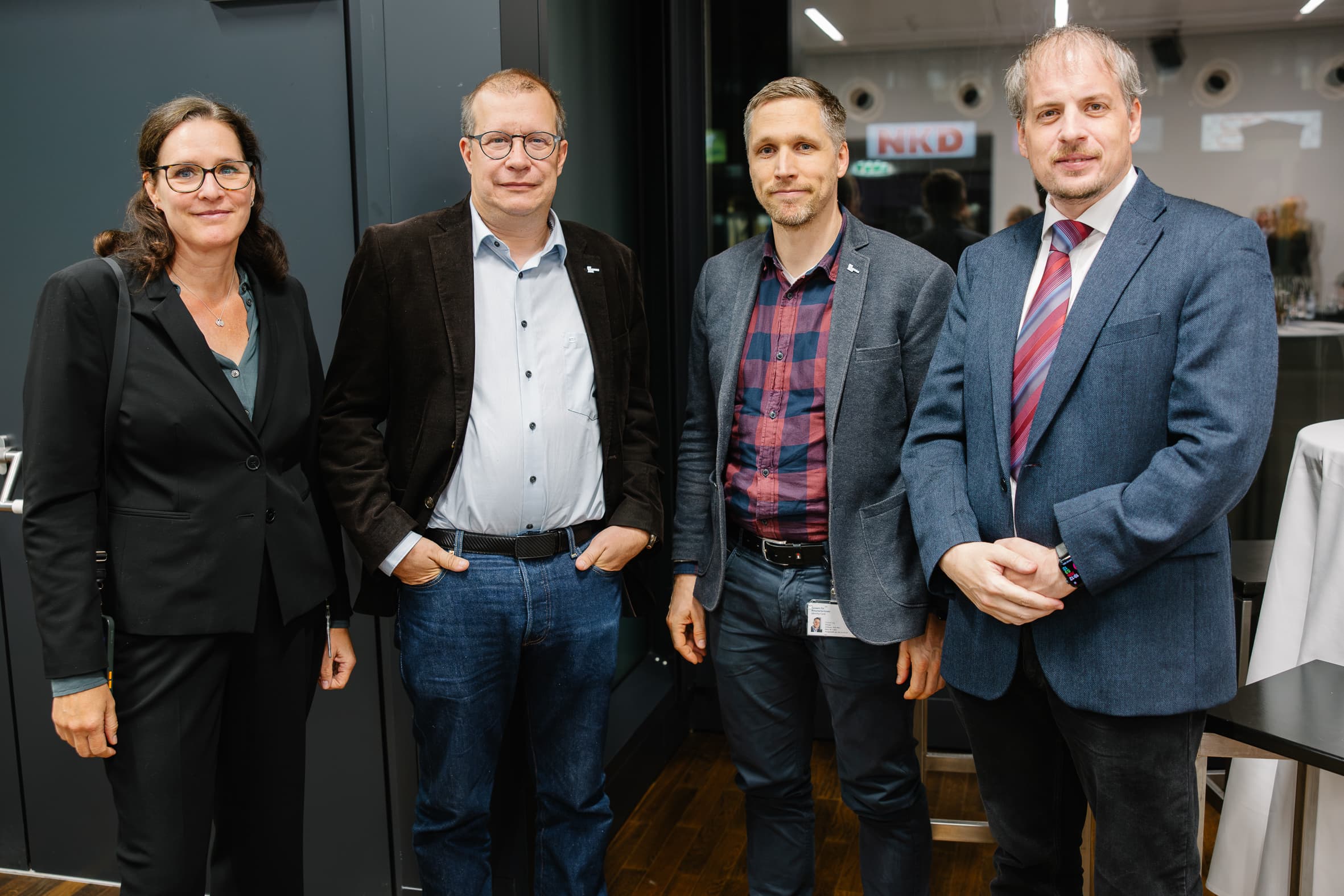
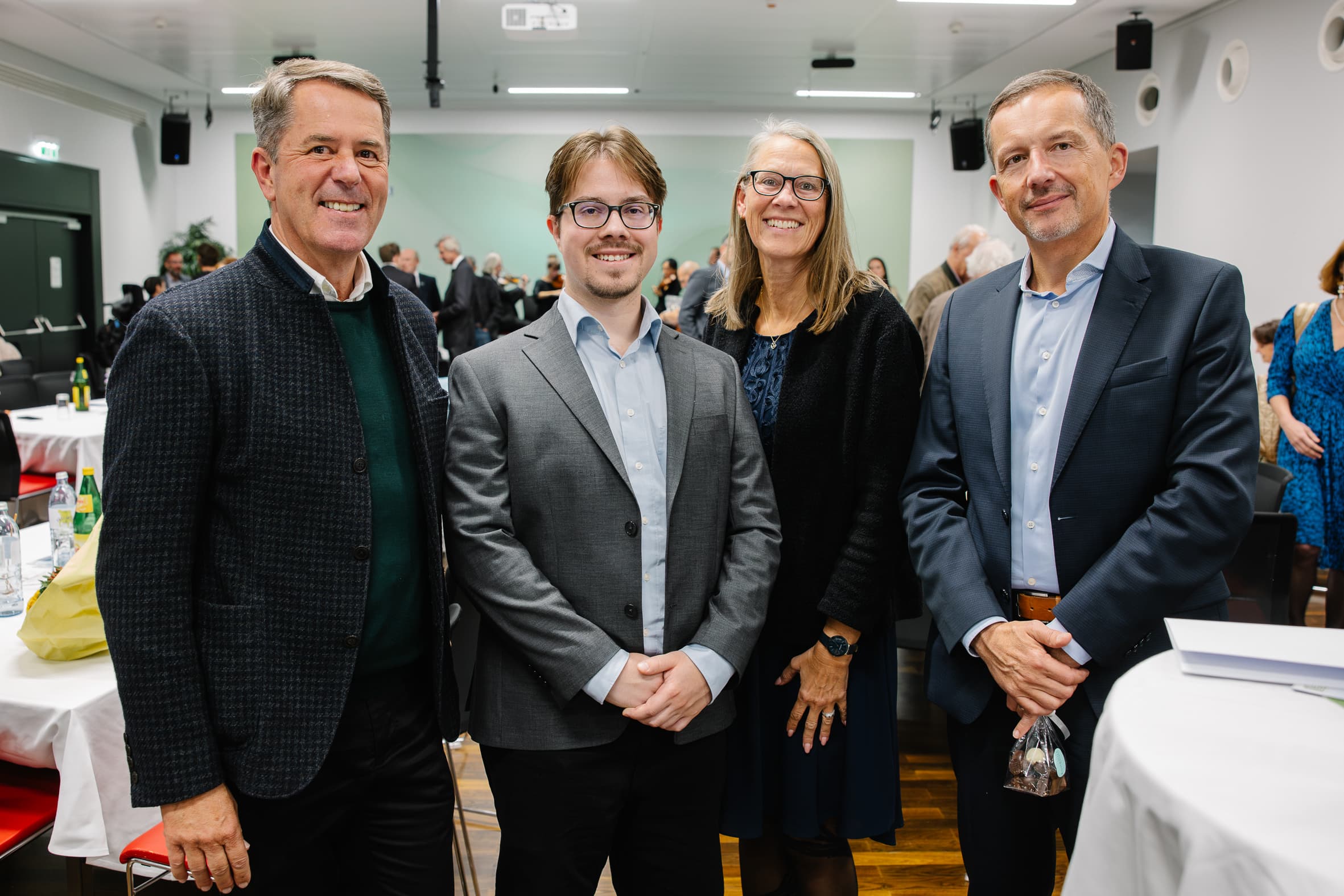
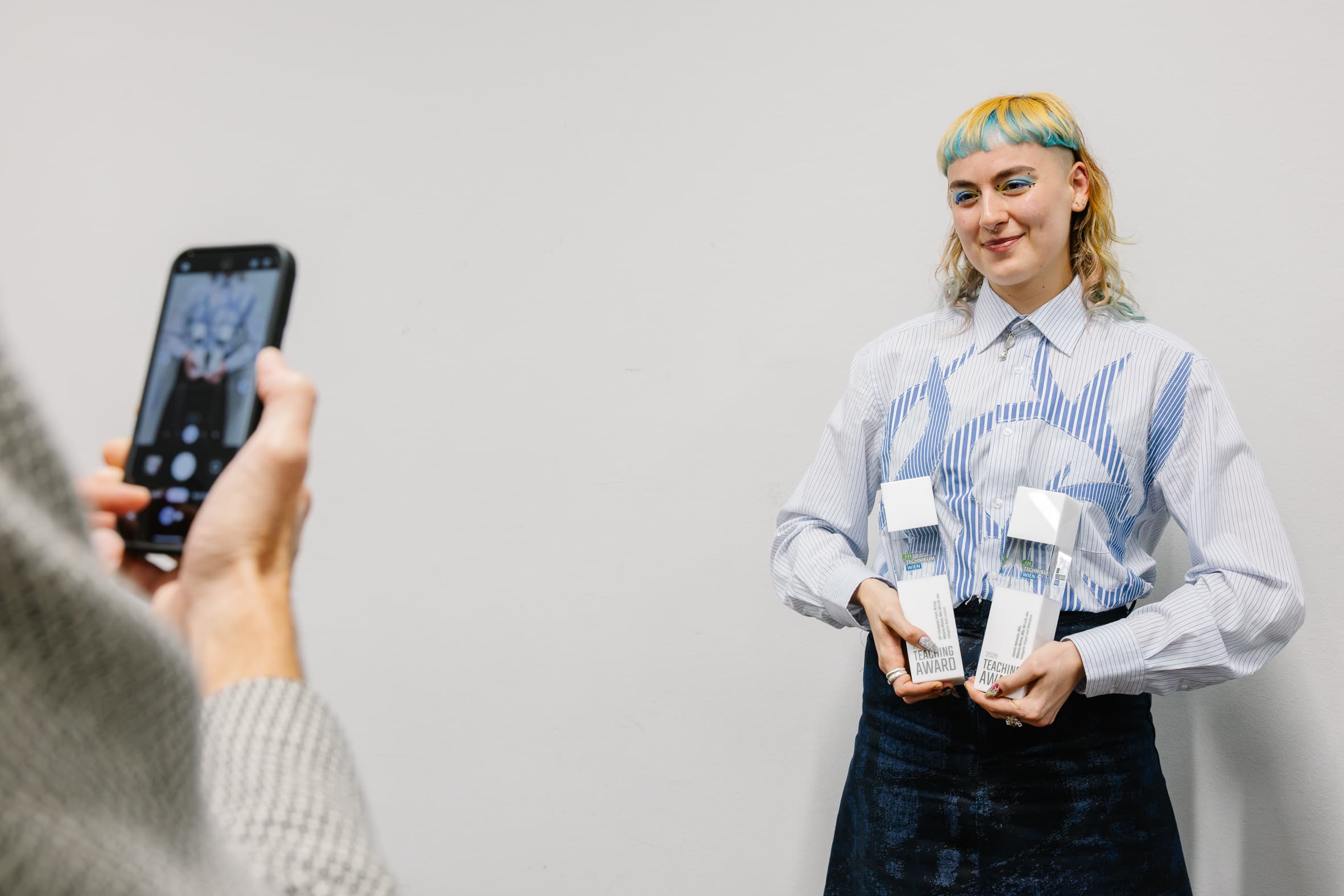
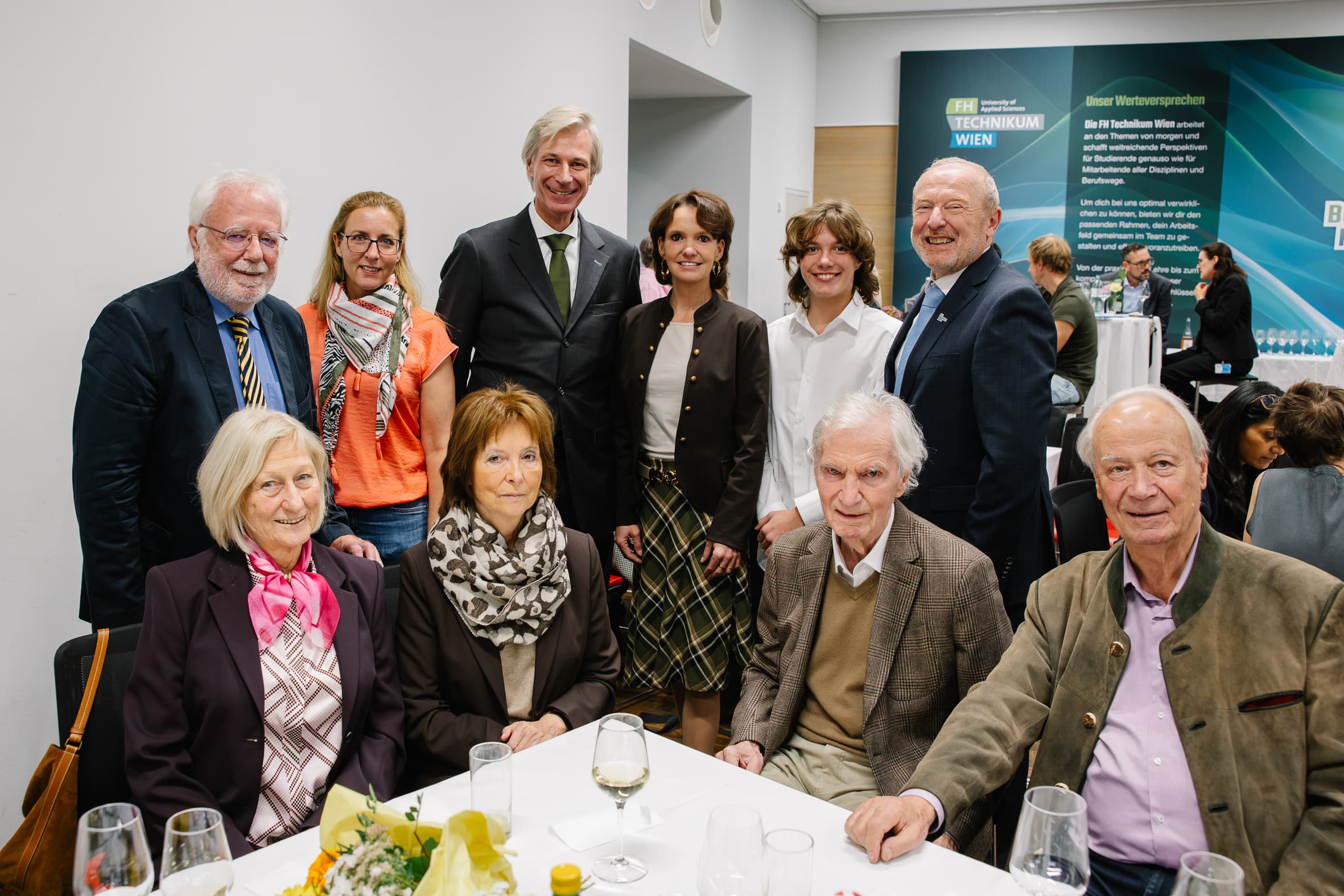
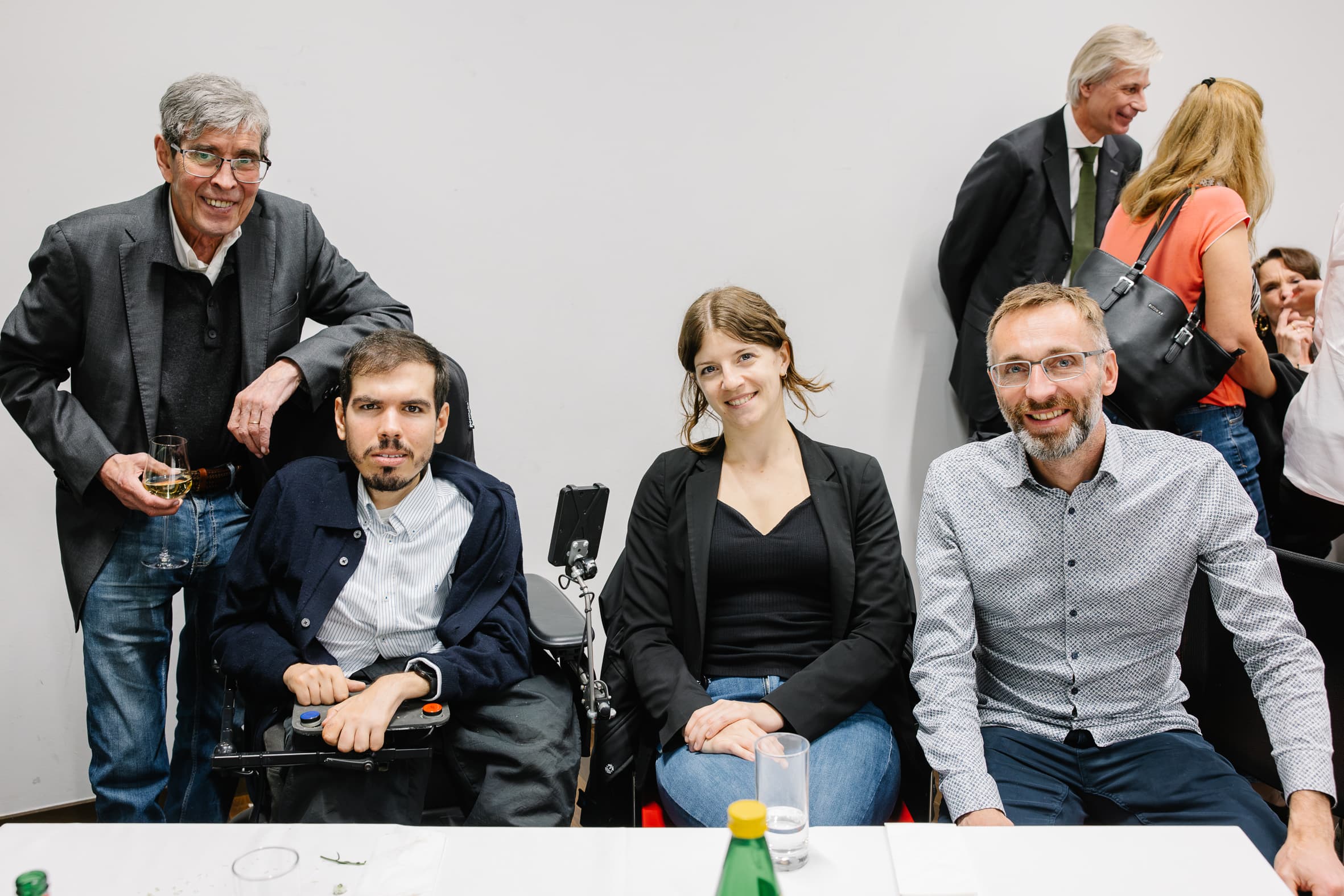
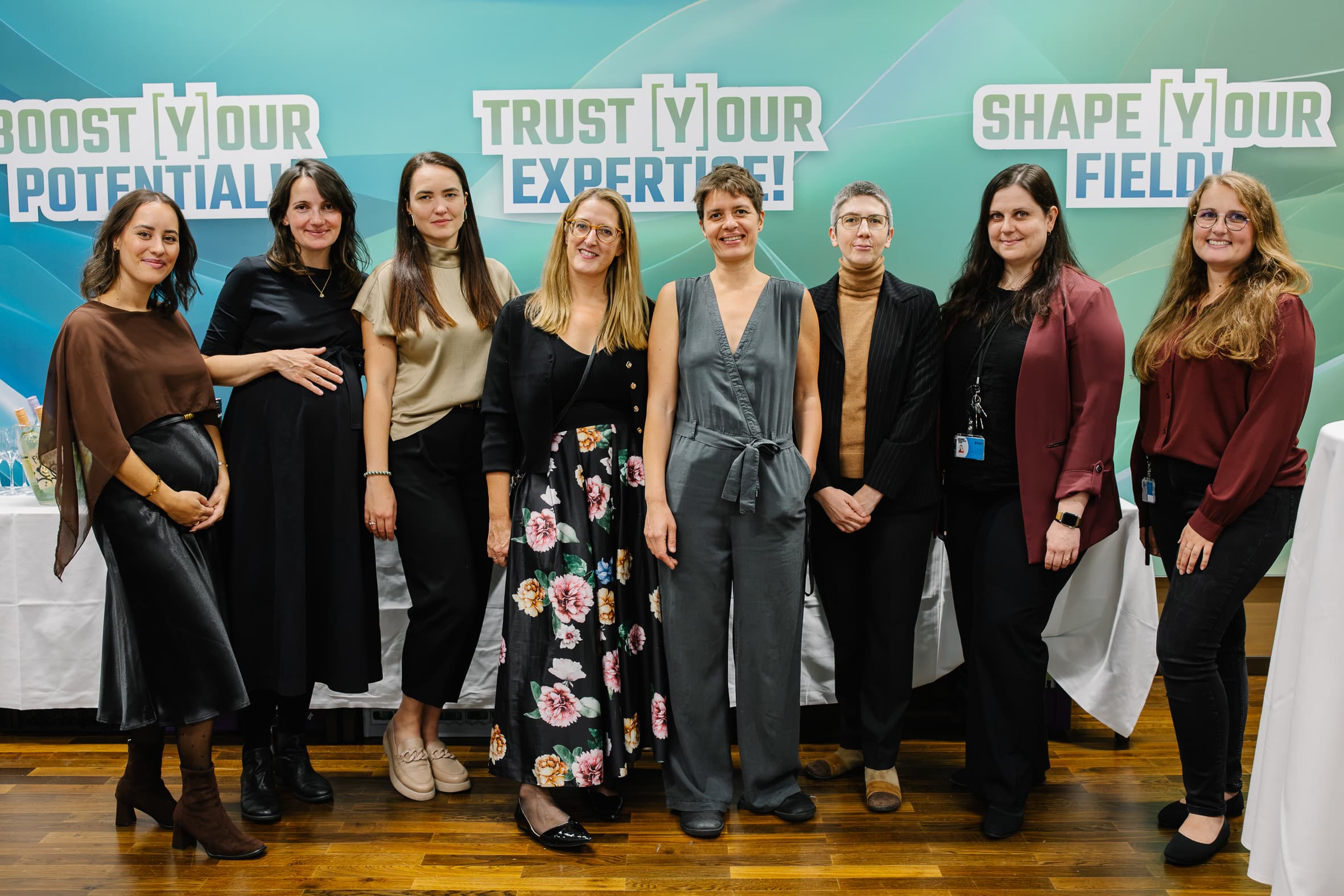
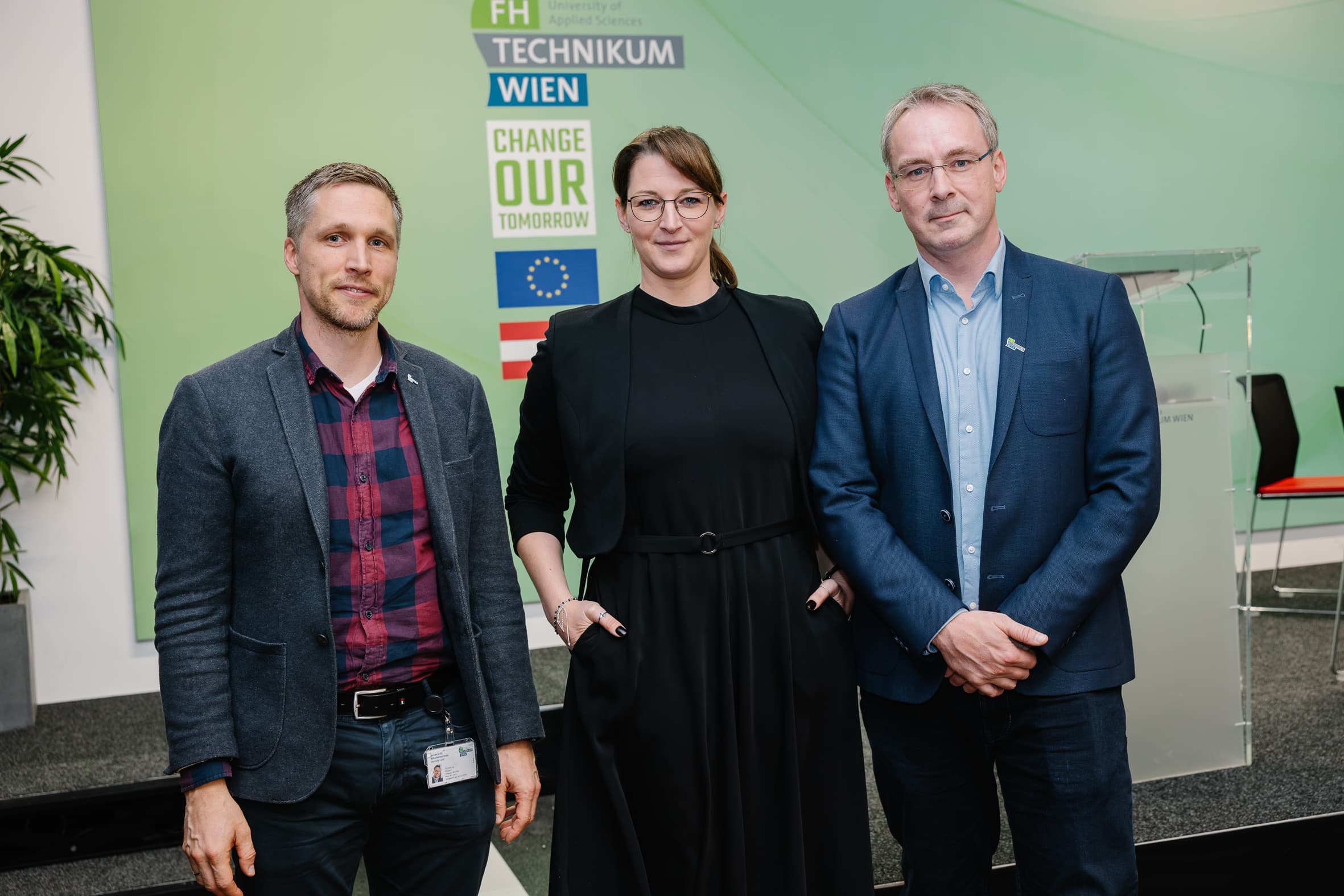
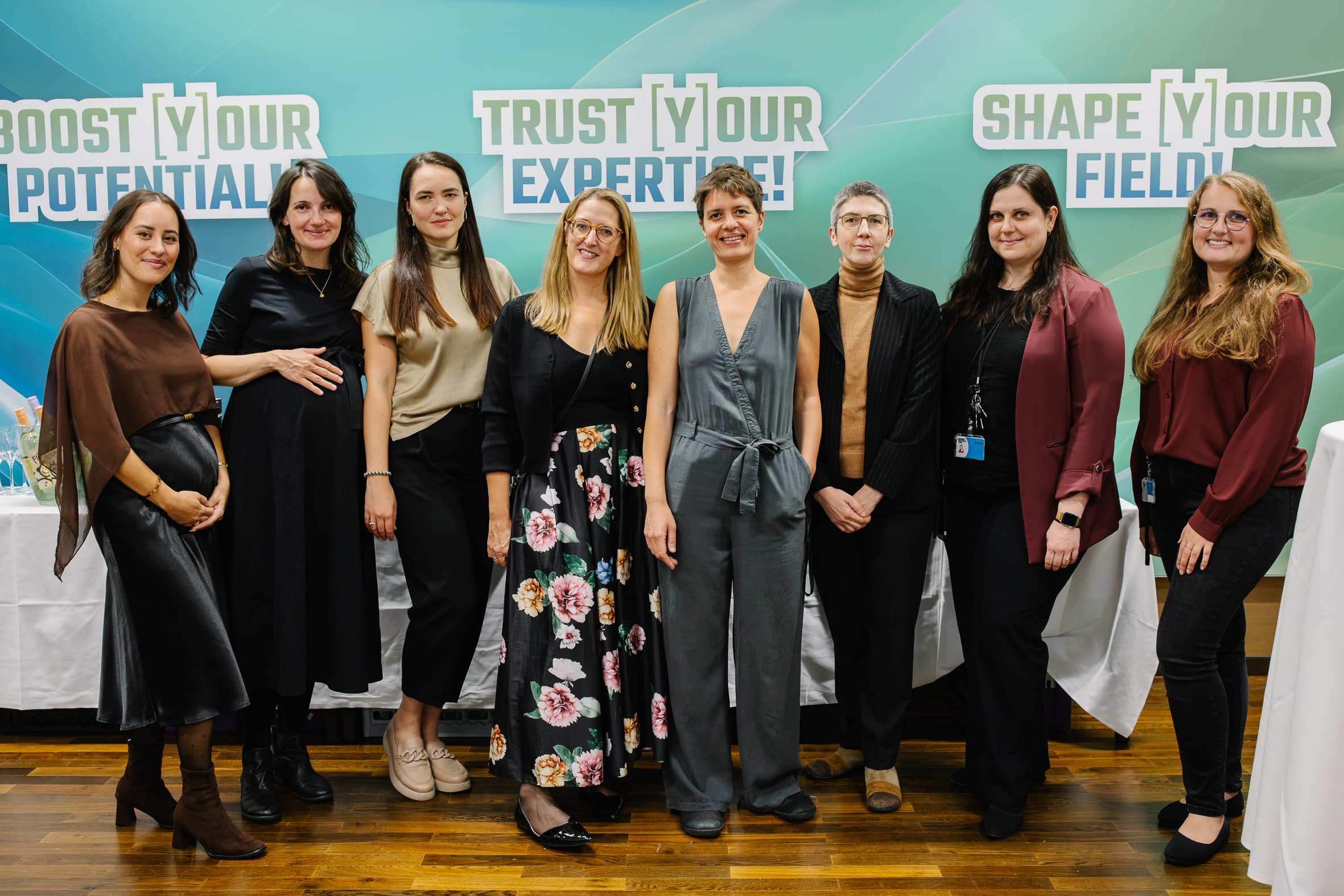
Pictured: Winners of the 2026 Teaching Awards in the ballroom at UAS Technikum Wien, at the awards ceremony on October 19, 2026.
Photo credit: Alek Kawka / UAS Technikum Wien
Further Information:
Teaching in the Spotlight: 2025 Teaching Award at UAS Technikum Wien
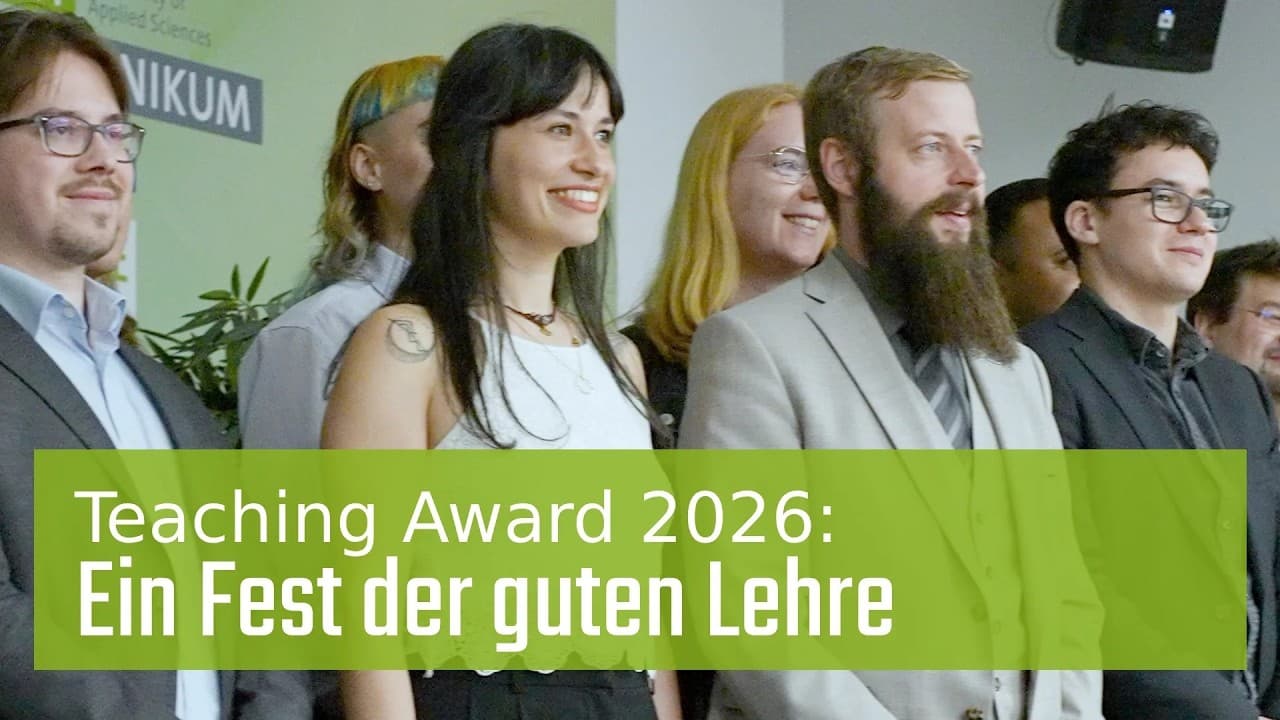
Video from the 2026 Teaching Awards:
Please accept cookies for external media to view videos
Picture Gallery: